





I’ll be honest, I went into this one a little skeptical. Someone at work had been going on about “the best illumination in Japan” for weeks, and after five years here, I’ve learned that every region has at least one local attraction that locals insist is the best in the country. So when a friend dragged me out to Nabana no Sato on a Tuesday night in November, bundled up in every layer I owned, I was mostly there for the company and the promise of hot amazake afterward. Then we walked into the light tunnel, and I stopped mid-sentence. I think I actually said “oh” out loud, to no one in particular.
Nabana no Sato sits inside the Nagashima Onsen resort area in Kuwana, Mie Prefecture, not far from Nagoya, and every autumn it turns into one of the most-talked-about winter illuminations in the country. This year marks the 23rd edition of the event, running from October 17, 2026 through May 31, 2027, so there’s a huge window to catch it if you’re planning a trip. Here’s what actually stood out to me, now that I’ve thawed out enough to write about it.
The Light Tunnel That Started It All
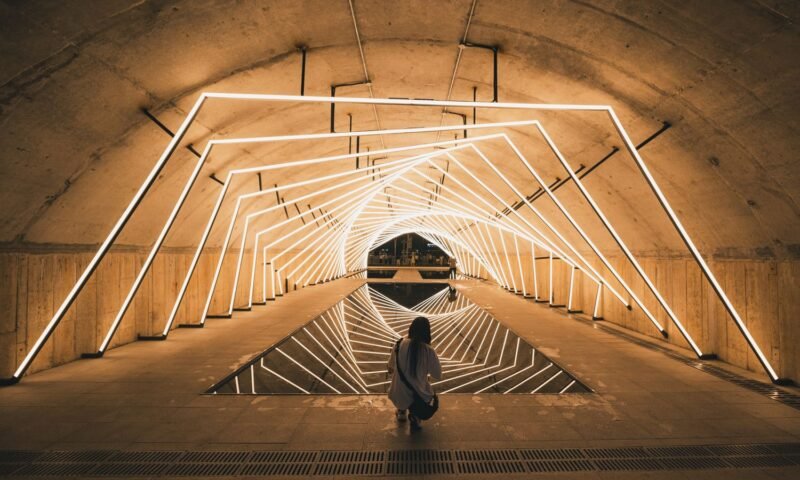
The reason everyone talks about this place first is the tunnel. Officially called the “Kairou” flower corridor, it’s about 200 meters of arched lights in the shape of flower petals, strung so densely overhead that the whole thing glows gold from one end to the other. Walking through it is slower than you’d expect, not because it’s crowded (though it can be), but because everyone in front of you keeps stopping to take photos, and you will too. I kept trying to capture it on my phone and kept failing, which I’ve decided is kind of the point. Some things you just have to stand inside of.
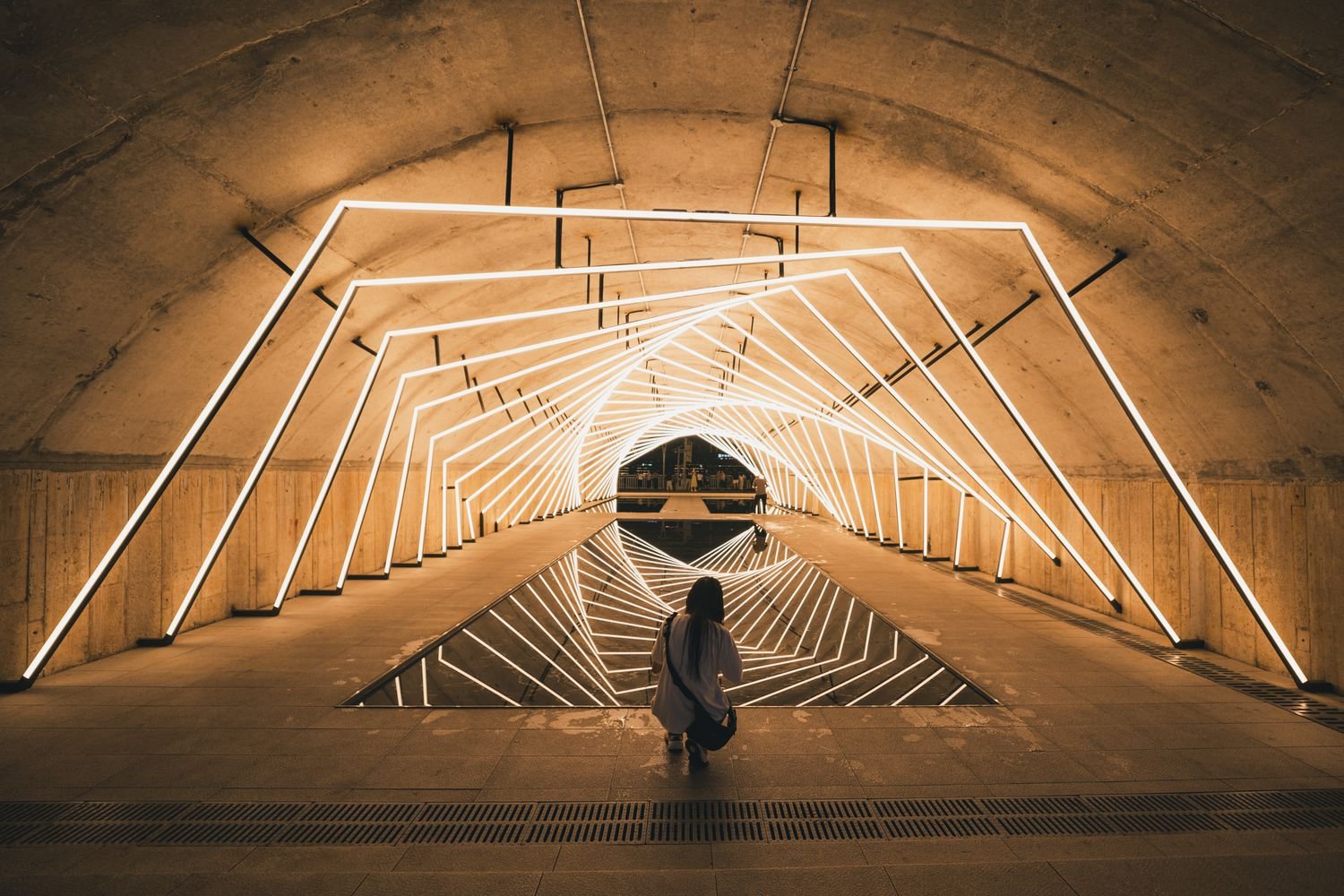
What surprised me was how different the tunnel felt depending on where you stood in it. Near the entrance, it’s almost overwhelming, a wall of light in every direction. By the time you’re in the middle, your eyes adjust and you start noticing the pattern repeating overhead like a kaleidoscope. My friend, who’d been before, told me to look back the way we came once we reached the far end. She was right to make me do that. It’s a completely different view walking out than walking in.
Wild Paradise, Golden Safari, and a Lake Full of Light
This season’s main event is a light-and-sound show called “Wild Paradise” (野生の楽園), projected across a huge panoramic screen for a little over ten minutes. It walks you through the Earth’s ancient past, dinosaurs and all, then into a modern savanna full of animals, then out to sea with whales swimming through, before building to a finale with enormous illuminated waterfalls. It’s genuinely more cinematic than I expected from an outdoor light show, and the crowd around us went quiet for most of it, which almost never happens in a space full of strangers and children on sugar highs from the food stalls.
New this year is an area called “Golden Safari,” tucked into the flower plaza, where life-size animal figures stand lit in a warm champagne-gold light. It’s a smaller, quieter spot compared to the tunnel and the main show, and honestly a nice place to catch your breath between the bigger spectacles. Then there’s the lakeside display, where the lights reflect across the water’s surface in time with music, doubling everything you see. Standing at the edge of the lake at night, watching the whole illuminated park flicker back up at you from the water, might have been my favorite five minutes of the night.
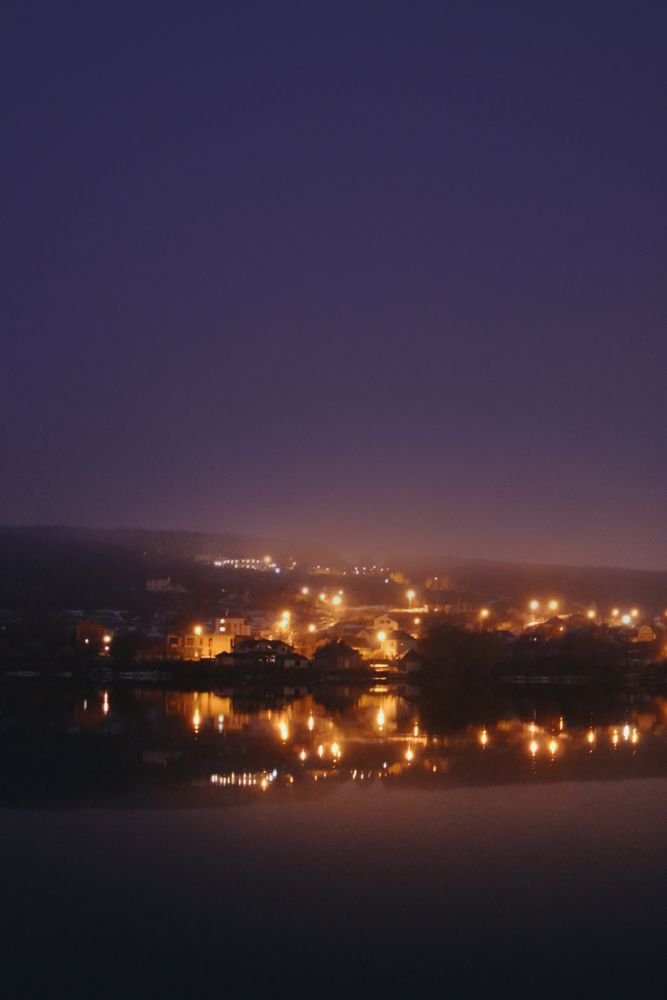
There’s also a special nighttime display inside the Begonia Garden, which is normally a daytime greenhouse attraction but gets its own lighting treatment during illumination season. It’s warmer in there (literally, since it’s a greenhouse), which after an hour outside in November felt less like a bonus attraction and more like a small mercy.
Getting There and What I’d Do Differently
If you’re coming from Nagoya, the easiest way is the Meitetsu highway bus from Meitetsu Bus Center, which takes around 35 minutes and drops you close to the entrance, no transfers needed. You can also take the Kintetsu line to Kintetsu Nagashima Station and catch a direct local bus from there, about ten minutes. If you’re driving, it’s roughly 15 minutes from the Wangan Nagashima interchange on the Isewangan Expressway, and the park has parking for thousands of cars, though I’d still get there early on weekends.
Speaking of which: go on a weekday if you possibly can. We went on a Tuesday and it still felt busy near the tunnel entrance. I’ve heard from coworkers that weekend crowds, especially in December, are a different story entirely, with real waits to get into the tunnel at all. Ticket prices change depending on the month, climbing a bit around the New Year and Christmas period, so it’s worth checking the current pricing before you go rather than assuming it’s the same as last time. And wear more layers than you think you need. Mie in November after dark is colder than it looks in photos, and there’s a lot of standing around to admire things.
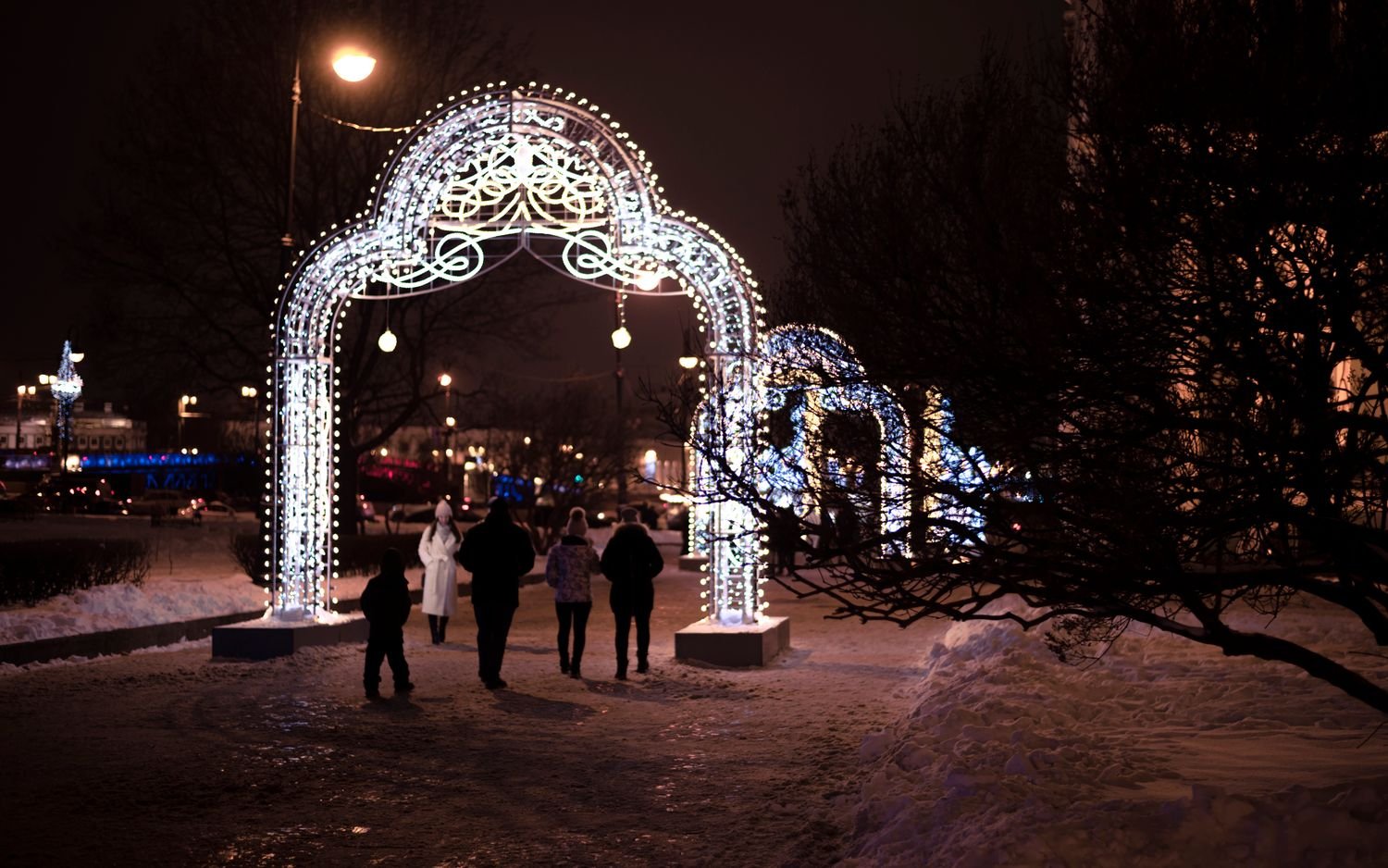
I went in expecting to be mildly charmed and politely impressed, the way I usually am at these things. Instead I spent most of the night slightly stunned, which doesn’t happen to me much anymore after five years of “must-see” attractions. If you’re anywhere near Nagoya or Mie this winter, I’d genuinely rearrange plans to make this happen. Just bring gloves, and maybe don’t bother trying to photograph the tunnel. Some of it you really do just have to see for yourself.
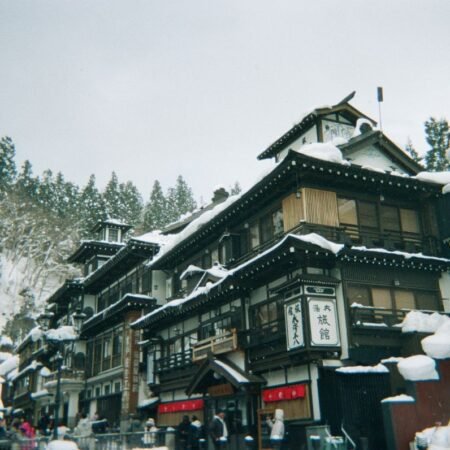
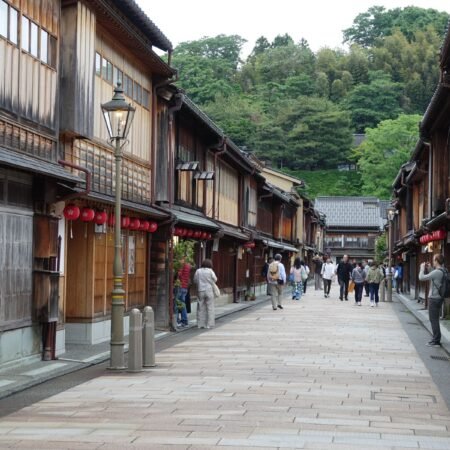
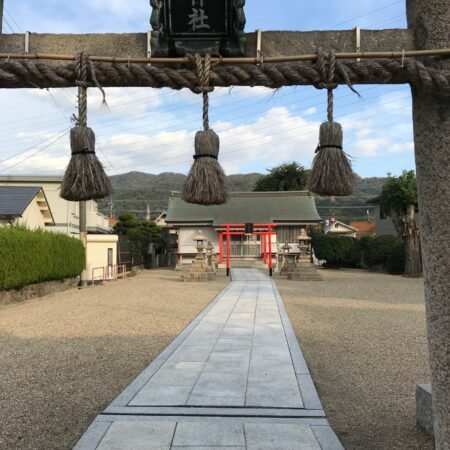
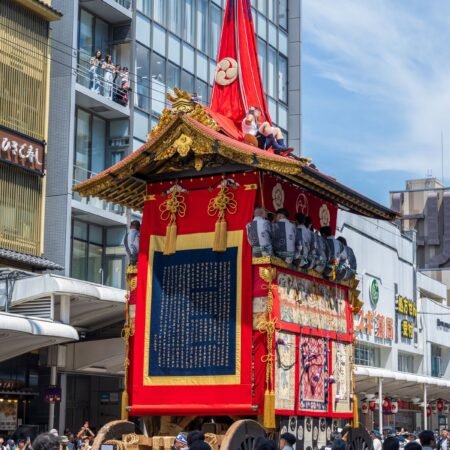
A quick note on photos: some of the images here are stock photos I’ve used to set the mood — they may not be the exact spot or moment I’m describing, just close in spirit.
コメント