





I almost didn’t make it to Motonosumi Inari Shrine. I’d heard about it years ago — one of those “most beautiful spots in Japan” lists that circulate online, the kind that always seems to feature a temple in Kyoto and a mountain in Nagano and, somewhere near the bottom, a strange little shrine clinging to a cliff in Yamaguchi that I’d never heard anyone actually talk about in person. So when a friend finally dragged me out to the San’in coast on a weekday drive, I went in expecting a nice view and not much else. What I got was 123 bright red gates marching down a hillside straight into the Sea of Japan, and a story about a fox that I’m still thinking about.
Yamaguchi doesn’t get the attention that Kyoto or Hiroshima does, even though it’s right there at the western tip of Honshu, and that’s honestly part of the appeal. There’s no ticket line, no megaphone tour guides, just wind, waves, and a whole lot of vermilion paint.
A Fisherman’s Dream and a Fox Named Inari
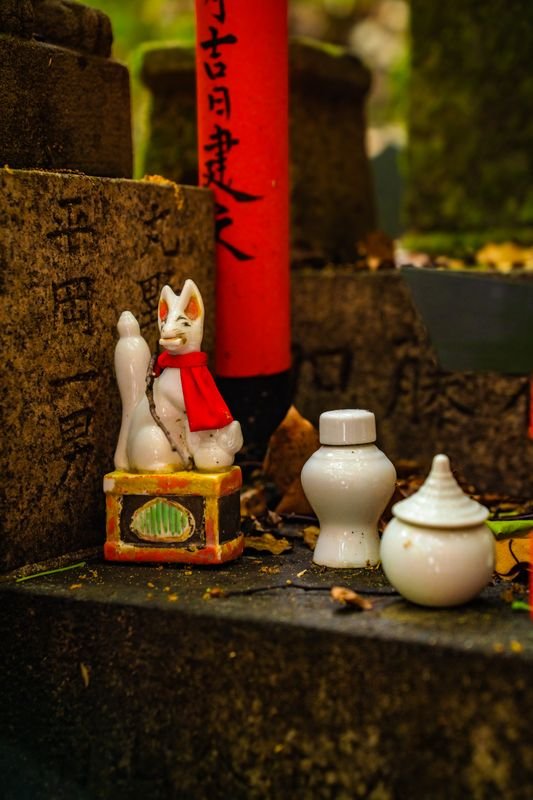
The story behind Motonosumi goes like this: back in 1955, a local fishing boss named Okamura had a dream. A white fox appeared at his bedside — in Shinto belief, white foxes are considered messengers of Inari, the deity associated with rice, prosperity, and good fortune — and asked him to build it a shrine. He did, right there on the bluff above the water, and for years it stayed a small, fairly obscure local shrine that most people outside the area had never heard of.
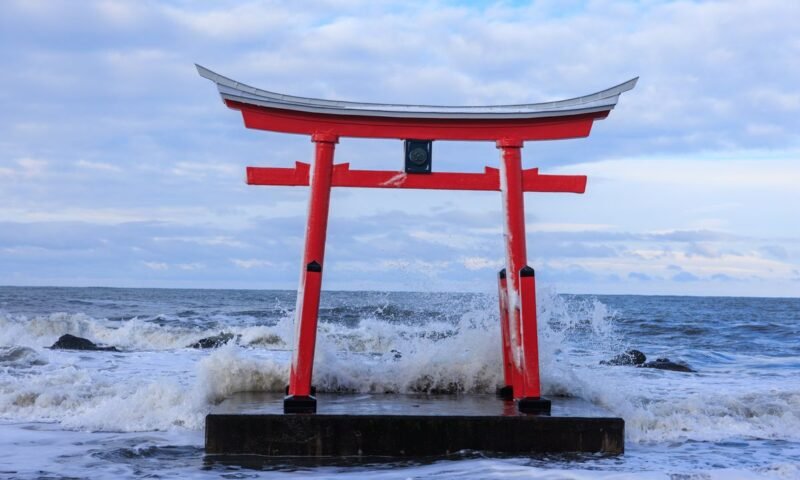
The hillside full of gates that now makes this place Instagram-famous didn’t arrive all at once. Starting in 1987, torii were added one at a time over roughly a decade, donated by people hoping for good fortune of their own, until the row reached its current count of 123. Walking down through them — because you walk downhill toward the sea here, not uphill toward a summit like at most shrines — the gates seem to multiply around you, red against blue water, blue sky, and not much else. It’s a strange, almost theatrical bit of scenery, and I mean that as a compliment. It was named one of Japan’s 31 most beautiful places by CNN back in 2015, which is apparently when the rest of the world discovered what Yamaguchi locals had been sitting on for decades.
One small correction I’ll make to my own assumptions going in: the shrine dropped “Inari” from its official name back in 2018 — the head priest described it as a kind of revelation — so you’ll sometimes see it listed simply as Motonosumi Shrine. Same place, same fox, slightly different signage.
The Offering Box You (Used to Be Able to) Aim For
For years, the other thing Motonosumi was known for sat at the very top of the tall freestanding torii gate at the entrance — a saisenbako, or offering box, perched about six meters up instead of sitting on the ground like every other shrine’s collection box. The idea was that if you could toss your coin up and actually land it inside, your wish was that much more likely to come true. It was a genuinely odd little ritual, half game and half prayer, and it’s the kind of detail that made people remember this place even when they couldn’t remember how to pronounce its name.
I’ll be honest: by the time I visited, that high box had already been removed, and from what I’ve read, there’s no plan to put it back. So if you came here hoping to try your luck with a coin toss, I’m sorry to be the one to tell you — that particular tradition seems to be retired. The gates themselves are still very much worth the trip, but it’s a good reminder that even “permanent” landmarks in Japan shift a little over time, and it’s worth checking the shrine’s own updates before you build your whole visit around one detail.
Getting There (and Timing It Right)
This is not a convenient day trip unless you have a car. There’s no direct train or bus to the shrine itself — the nearest station is Nagato-Furuichi on the JR San’in Line, and from there you’re looking at roughly a 20-minute taxi ride. Driving is really the way to go: it’s around an hour and a half from Shimonoseki or Yamaguchi city, or about an hour from the Mine interchange on the Chugoku Expressway if you’re coming off the highway. There’s free admission, with paid parking right by the shrine (a few hundred yen for cars), so budget a little extra for that.
Here’s the part I wish someone had told me before I went: as of this year, the shrine has been restricting access on weekends, holidays, and certain peak periods — reportedly related to ongoing conservation and crowd management — and those restrictions have changed more than once. On days when entry is limited, you can still see the entrance torii from a nearby viewpoint, and the parking lot and shop generally stay open, but you won’t be able to walk the full row of gates. I’d strongly recommend checking the official shrine site or calling the Nagato Tourism Convention Association before you build a weekend trip around this place. A weekday visit, if you can manage it, is the safer bet right now.
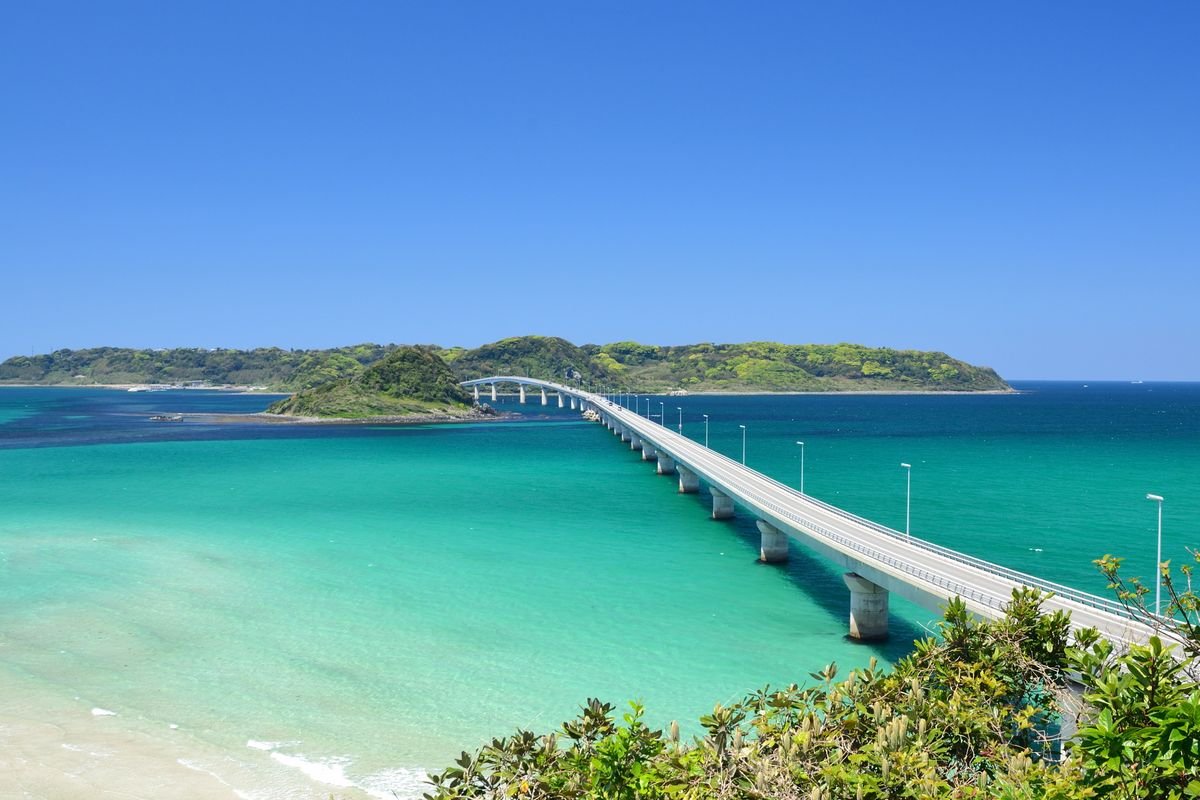
While you’re out on this stretch of coast, it’s worth continuing on to Tsunoshima Bridge, a long causeway-style bridge that connects the mainland to Tsunoshima Island over water so clear and turquoise it looks tropical, not like the Sea of Japan in late October. It’s a quick detour and a nice way to stretch the trip into a full afternoon.
Worth the Detour
Motonosumi isn’t a place you stumble into on your way to somewhere else — you have to actually decide to go there, which maybe explains why it still feels a little undiscovered even with a CNN stamp of approval. Standing partway down that row of gates, with the wind coming off the water and absolutely no crowd noise to speak of, I understood why a fisherman seventy years ago thought this particular cliff deserved a shrine. It’s a strange, quiet, slightly surreal corner of Japan, and after five years here, those are still my favorite kind to find.
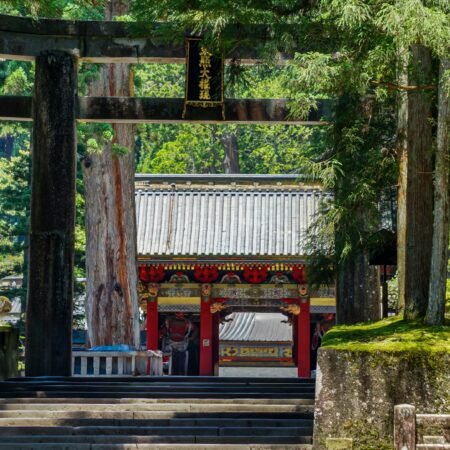
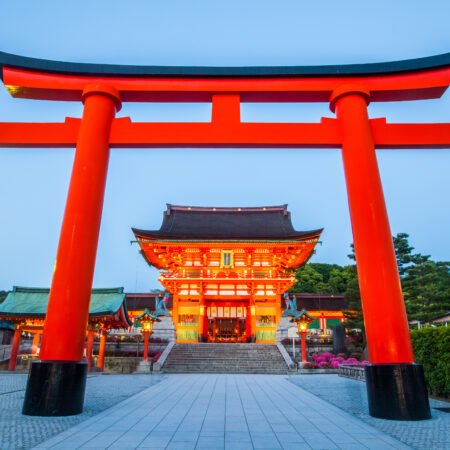
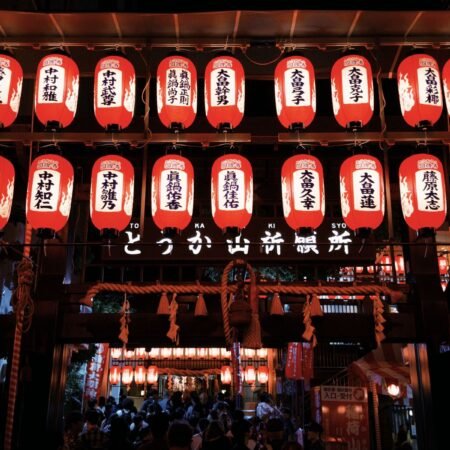
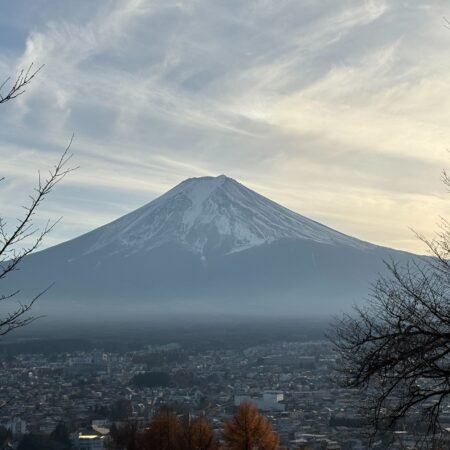
A quick note on photos: some of the images here are stock photos I’ve used to set the mood — they may not be the exact spot or moment I’m describing, just close in spirit.

コメント