





I clapped twice, bowed, and was already turning to leave when the elderly man next to me gently touched my arm. “Four,” he said, holding up four fingers and smiling like he’d seen this exact mistake a hundred times before. I had just made my first rookie error at Izumo Taisha, and I hadn’t even made it past the first bow.
If you’ve spent any time at shrines in Japan, you know the drill: two bows, two claps, one bow. It’s muscle memory after five years here. Except at Izumo Taisha, in Shimane Prefecture, they do it differently — two bows, four claps, a prayer, one final bow — and nobody warns you until you’re standing there clapping into silence while everyone around you claps twice more. I went in thinking I knew how to visit a shrine. I left having learned that one of Japan’s oldest and most important shrines plays by its own rules entirely.
The Place Where Clapping Twice Isn’t Enough
Izumo Taisha doesn’t advertise its age because nobody actually knows it — some scholars think it might be the oldest shrine in Japan, with roots tangled up in the country’s earliest creation myths. A huge chunk of the Kojiki, Japan’s oldest written chronicle, is set right here in the Izumo region, which gives the whole place a weight that’s hard to describe until you’re standing under the massive thatched roof of the Honden, the main hall.
The deity enshrined here is Okuninushi-no-Okami, sometimes called Daikokusama, and he’s the reason half the people around me seemed to be praying so intently. Okuninushi is the god of en-musubi — usually translated as “matchmaking,” but that undersells it. En-musubi is really about the tying of bonds in general: romantic, sure, but also friendships, business partnerships, any connection between people. According to the legend, after Okuninushi handed over rule of the land to Amaterasu, he was given this shrine and decided his job now was making sure people were interconnected through happiness. I watched a group of university-aged girls writing wishes on ema boards that had nothing to do with romance at all — one was asking for a good relationship with her new boss.
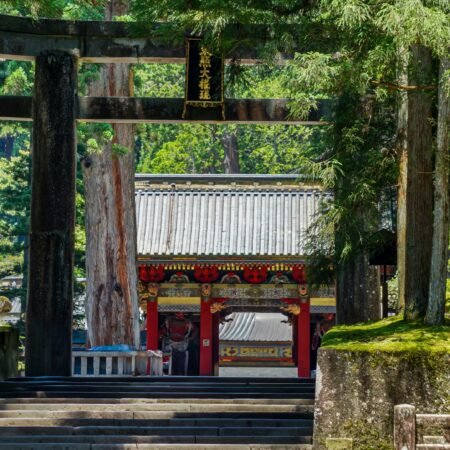
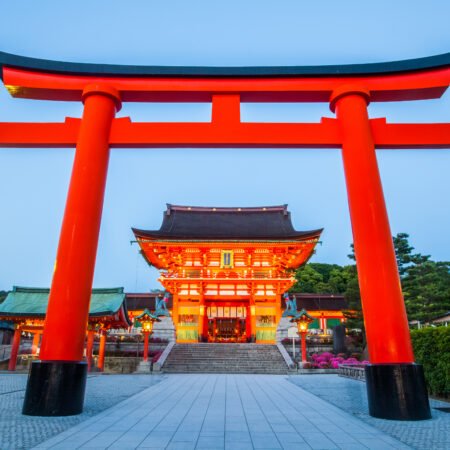
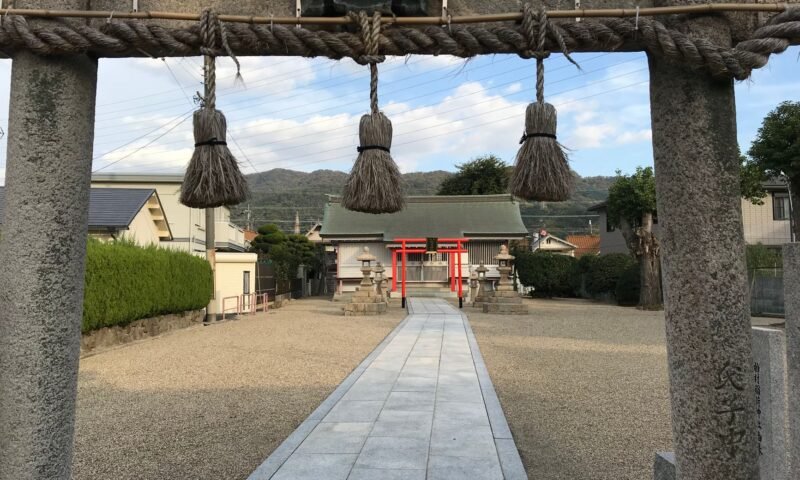
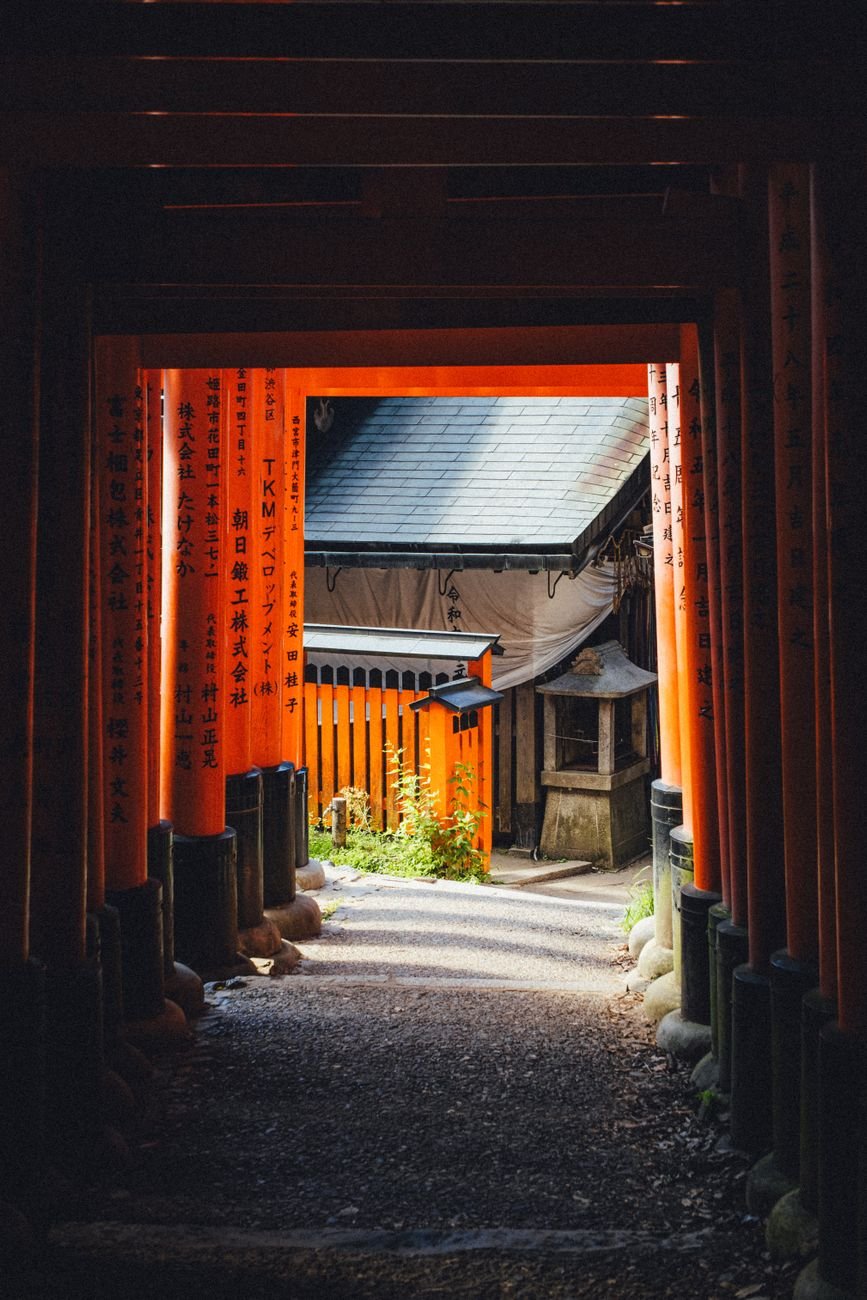
Walking up to the shrine, you pass through four different torii gates, each made of a different material — stone, wood, steel, and bronze. Local tradition says passing through all four brings good fortune, so naturally I power-walked through every single one like I was collecting them.
The Month All of Japan’s Gods Go Missing
Here’s the part that genuinely gave me chills. In most of Japan, the tenth month of the old lunar calendar is called Kannazuki — the “month without gods” — because it’s believed all of the country’s deities leave their home shrines to travel somewhere else. Here in Shimane, that same month is called Kamiarizuki instead: the “month with the gods.” Because this is where they’re all going.
The story goes that every one of Japan’s countless gods travels to Izumo Taisha to hold a meeting about the coming year, especially matters of en-musubi, essentially petitioning on Okuninushi’s behalf for good relationships for their own local worshippers back home. The shrine even keeps the Jukusha, two long buildings that function as literal lodging houses for the visiting gods during their stay, like a dormitory for deities.
In 2026, the gods are set to arrive at nearby Inasa-no-hama beach on the evening of November 18th for the Kamimukae Shinji, a welcoming ritual where they’re said to be led ashore by a sea-snake deity, and they’ll depart again a week later on November 25th with the sending-off rite. If you’re ever in Shimane in mid-to-late November, this is the single best reason to make the trip — the shrine takes on a completely different atmosphere, like the whole town knows something the rest of the country doesn’t.
I happened to be there outside of Kamiarizuki, on an ordinary weekday, and it still felt charged. I can’t imagine what it must be like when the entire pantheon is theoretically in town.
The Rope I Couldn’t Stop Staring At
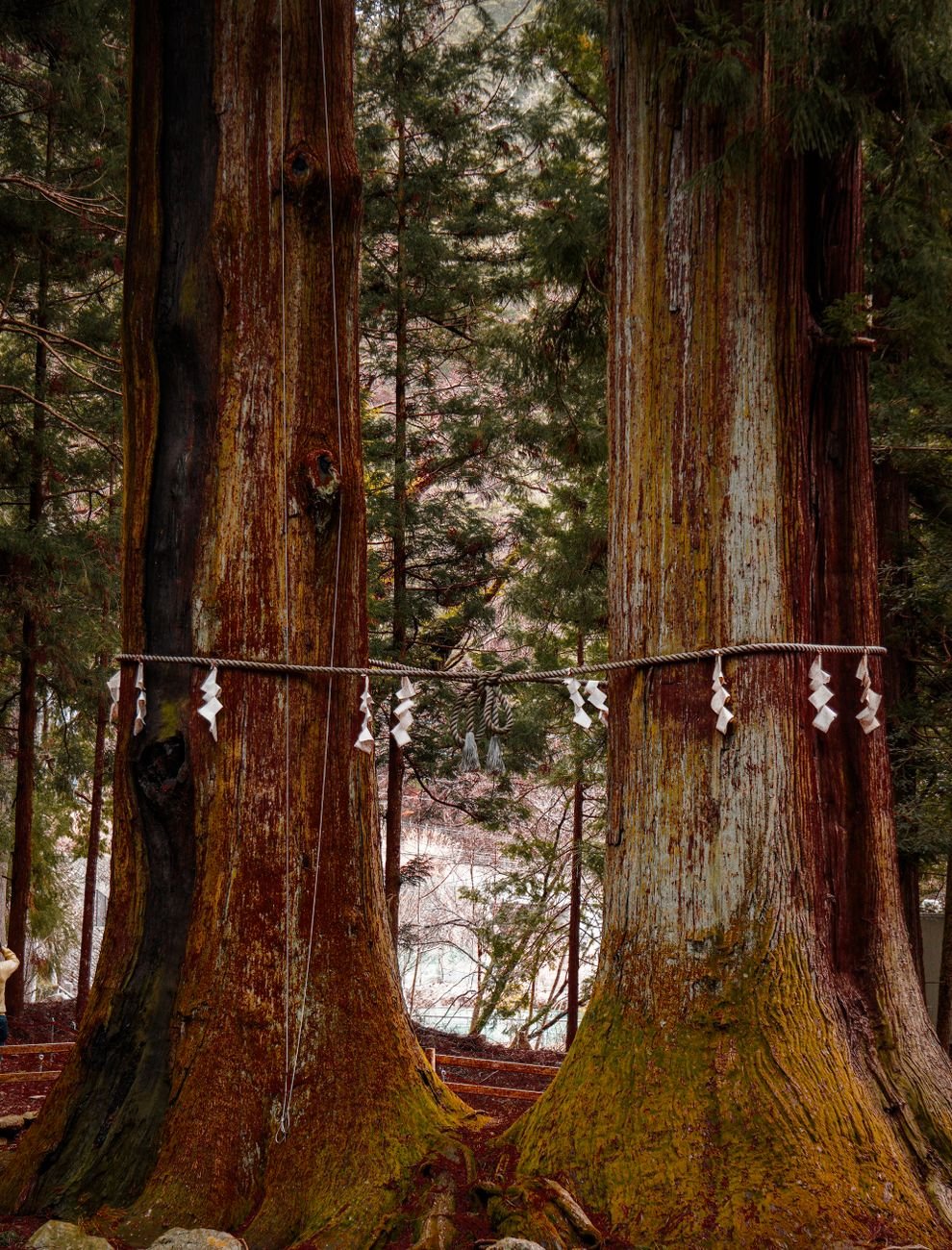
Nothing I’d read prepared me for the shimenawa — the massive braided straw rope — hanging above the entrance to the Kaguraden, the hall where those divine meetings are said to take place. It’s about 13 meters long and weighs somewhere around five tons, and it is, as far as anyone can tell, the largest shimenawa in all of Japan. I stood underneath it for a genuinely embarrassing amount of time, just looking up, while a tour group slowly flowed around me like I was a rock in a stream.
There’s an old custom of tossing coins up into the straw and trying to get them to stick, for good luck. I will admit to trying this twice. I will not admit to how many attempts it actually took.
Practical Notes From Someone Who Got the Claps Wrong
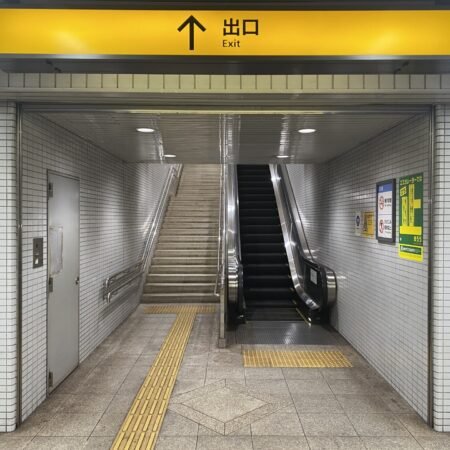
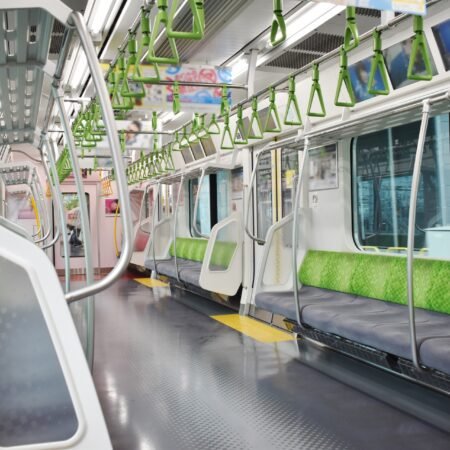
Izumo Taisha sits on the northern edge of Izumo City. I came in from Matsue, which has its own castle town charm worth a day on its own, taking the Ichibata Railway line toward Izumo-taisha-mae Station — the final station is a short, pleasant walk from the shrine gates. You can also get a bus from JR Izumo Station if the train timing doesn’t line up. Announcements on some of this line are Japanese-only, so keep an eye on the station signage rather than just listening for your stop.
Before heading back, walk down Shinmon-dori, the approach street lined with shops, and find one of the old izumo soba restaurants — Arakiya has apparently been serving noodles since the Tenmei era, which is over two centuries now. The soba here is served differently than in Tokyo, in stacked lacquered trays with the dark buckwheat noodles you pour sauce directly over, and after a cold walk around the shrine grounds it felt exactly right. If you have a sweet tooth, izumo zenzai, a warm red bean soup with mochi, is said to trace its name back to the rice cakes handed out during the Kamiari-sai festival — which feels like a nice full-circle way to end the visit.
If you have time, Inasa-no-hama beach is only about a ten-minute walk from the shrine and is a lovely, quiet spot to watch the sunset, gods or no gods.
What I Took Away From It
I’ve visited a lot of shrines in five years here, and most of them start to blend together after a while in the best possible way — the same rhythm, the same quiet, the same two claps. Izumo Taisha stood out precisely because it refused to follow that rhythm. It made me actually think about what I was doing instead of running on autopilot, which, four claps in, felt like the entire point.
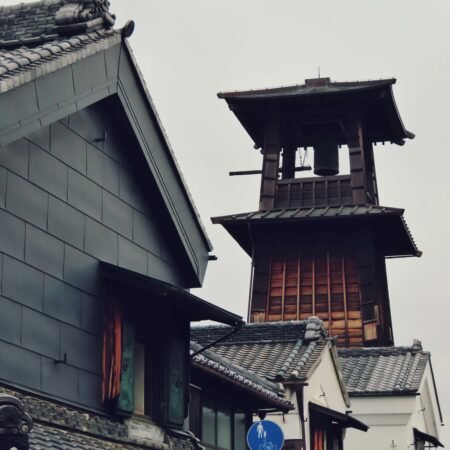
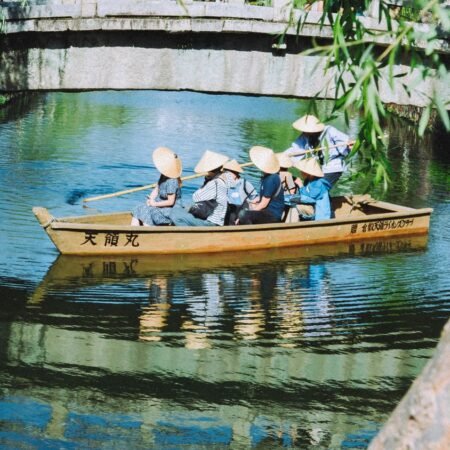
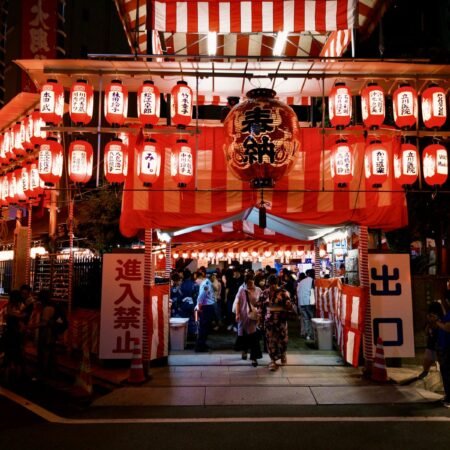
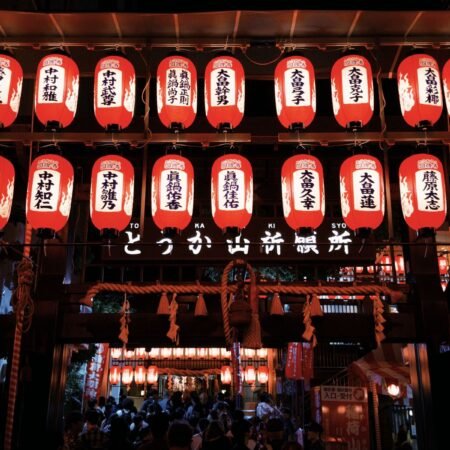
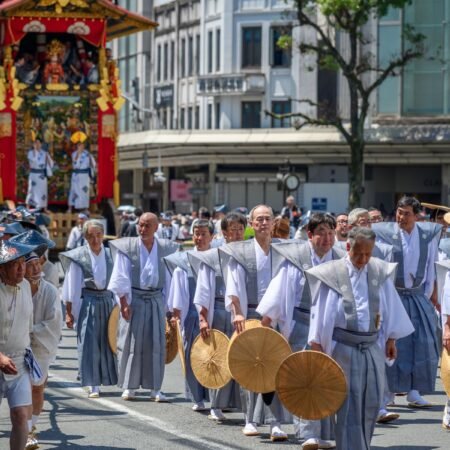
A quick note on photos: some of the images here are stock photos I’ve used to set the mood — they may not be the exact spot or moment I’m describing, just close in spirit.

コメント