









I almost walked past the display case. It was tucked into a corner of the Saga Castle History Museum, a few rooms past a long reconstructed corridor that still smelled faintly of new cypress wood, and it held nothing more dramatic than a short printed panel on local folklore. But the words on it stopped me: a kabuki play about this castle had once been shut down by the very family it was built for. Not for being disrespectful in some vague sense, but because it told a very specific story about a cat.
I have been chasing Japan’s ghost stories for seven years now, and I thought I had a good sense of the genre’s usual suspects: wronged women, flooded rivers, curious foxes. The Nabeshima bakeneko, as it turns out, belongs to a stranger category — a legend that seems to have grown directly out of real political anxiety, was taken seriously enough to get censored, and still cannot quite agree with itself on who did what to whom.
A Clan That Changed Hands in a Single Battle
The history underneath the legend is solid enough. Through the middle of the sixteenth century, the warlord Ryuzoji Takanobu had clawed together control of most of Hizen province, the region that is now Saga Prefecture, through a long run of local conquests. In 1584, overconfident and overextended, he marched against a combined force from the Arima and Shimazu clans and was killed at the Battle of Okitanawate. According to several domain histories, his senior retainer, Nabeshima Naoshige, tried to take his own life on hearing the news and was physically restrained by his own men.
Whatever Naoshige felt in that moment, he and his son Nabeshima Katsushige did not fade from the story. Over the following two decades the Nabeshima family quietly absorbed the authority the Ryuzoji had held, and by the early 1600s it was Nabeshima hands, not Ryuzoji ones, laying out the walls and moats of the castle that still stands in Saga today. Local chronicles note, almost as an aside, that a grandson of Takanobu died suddenly not long after, and that his father later died by his own hand — details too thin on dates to verify cleanly, but that folklorists have long pointed to as the likely seed of what came next.
A power transfer that smooth, in other words, left behind just enough unease that somebody, sooner or later, was going to tell a ghost story about it.
The Cat That Wouldn’t Let It Go
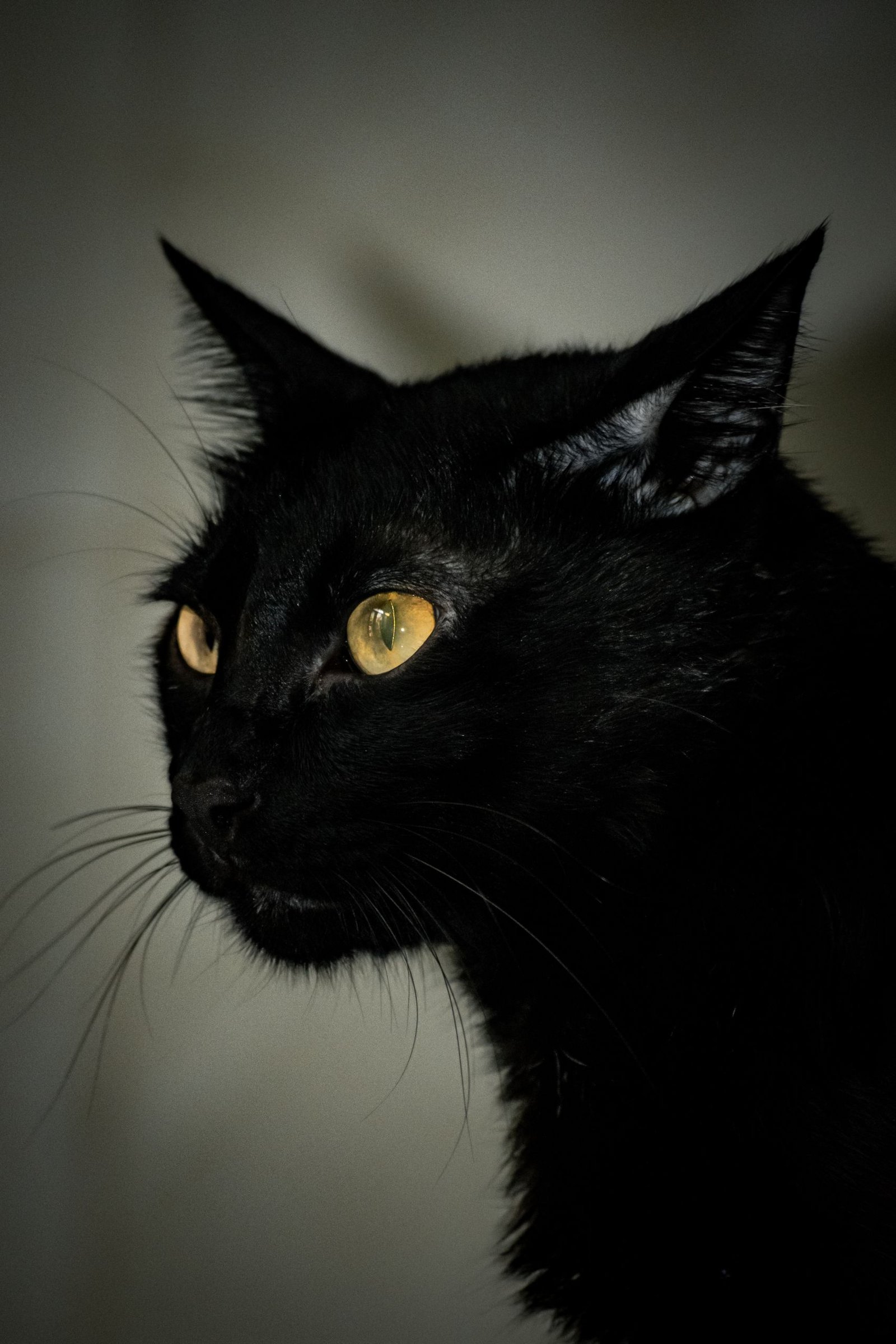
Here is where I have to be honest with you: there is no single version of this legend. I have read three different tellings from reputable folklore sources, and they disagree on names, on which Nabeshima lord was in power, and on who the villain of the piece turns out to be. In its most repeated form, local legend holds that a Ryuzoji family retainer named Ryuzoji Matashichiro offended the daimyo during a game of go and was executed for it. His elderly mother, the story goes, poured out her grief to her pet cat before taking her own life. The cat is said to have licked her blood, transformed into a bakeneko — a monstrous “changed cat” — and slipped into the castle at night to torment the Nabeshima household, sometimes said to take the shape of a servant or retainer’s wife.
Eventually, in most versions, a loyal retainer tracks the creature down and destroys it, and the haunting ends. A separate, older telling recorded by a Meiji-era British diplomat swaps in different names entirely and drops the Ryuzoji connection, suggesting the castle attracted more than one cat tale over the centuries rather than passing down a single clean story.
Folklorists who have looked at this seriously tend to read it less as a ghost report and more as a kind of political residue — a way for people living under a dynasty that had taken power through someone else’s defeat to process a transition nobody talked about directly. I find that reading more unsettling, honestly, than any cat.
The Play the Nabeshima Family Got Shut Down
What convinced me this was worth writing about was what happened next, on a kabuki stage in Edo. In the early 1850s, a theater company staged a dramatization of the legend under a title that thinly disguised “Saga” as its setting. According to historical accounts, the run was short: a complaint from a Nabeshima official connected to the shogunate’s own administration got it pulled. A samurai house, centuries after the events in question, was still sensitive enough about being remembered as a cursed, cat-haunted clan to use its real political weight to silence a play about it.
Suppressing a ghost story, of course, is a reliable way to make it more famous. The bakeneko motif kept resurfacing in Japanese theater and, later, in early cinema — a handful of actresses built reputations specifically on “ghost cat” roles, and the tale is generally credited as an inspiration for at least one feature film in the genre released in the late 1940s.
Visiting Saga Castle Today
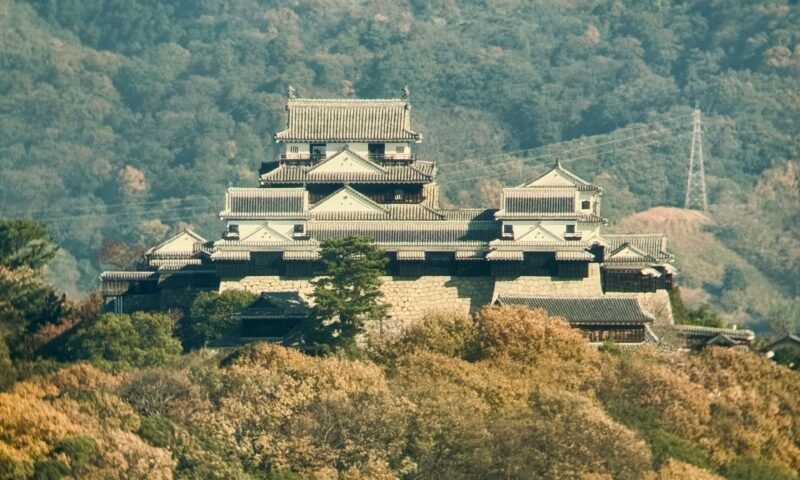
If you go looking for a “haunted room” at Saga Castle, you will be disappointed, and I would gently discourage framing your visit that way. What is actually there is the Saga Castle History Museum, a careful, free-admission reconstruction of the honmaru, the castle’s main residential and administrative hall, completed in the early 2000s using traditional joinery wherever possible. It sits a short bus ride, or a longer and pleasant walk, from JR Saga Station, and the staff I spoke with were happy to discuss the cat legend once I asked, rather than treating it as an attraction in its own right.
Just outside, the Shachi-no-mon gate is one of the only structures on the site to have survived both a major Edo-period fire and the 1874 Saga Rebellion, and it is worth lingering over on the way in. I could not confirm that any cat shrine or marked grave tied to this particular legend still exists, so I would not go hunting for one.
A Few Notes Before You Go
This is a working public museum inside a reconstructed historical building, not a themed attraction, and it is worth treating it that way: follow the indoor photography rules, keep your voice down where other visitors are reading the exhibits, and don’t press staff for a “scary story” when what they’re trying to do is explain regional history. The grounds are fully open to the public and need no special access, so nothing here calls for climbing anything, slipping past a barrier, or visiting after hours to chase an atmosphere the daytime museum won’t give you.
What stuck with me, walking back out past that quiet display case, was less the cat itself than the fact that an entire theater production was once silenced over it. Four hundred years on, the swordwork of a battle at Okitanawate and the quiet unease of a dynasty that outlived the family it replaced have both been folded into a story about a grieving mother’s cat — and nobody, including the people who tell it best, seems able to agree on exactly how it goes.
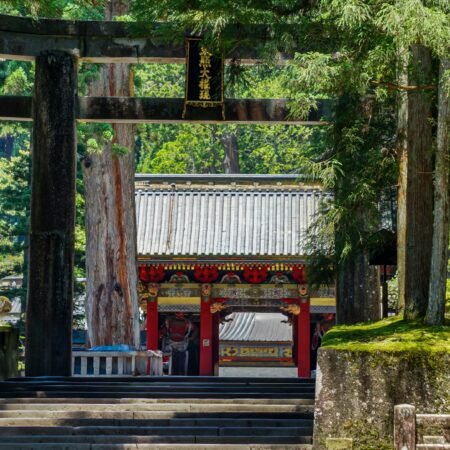
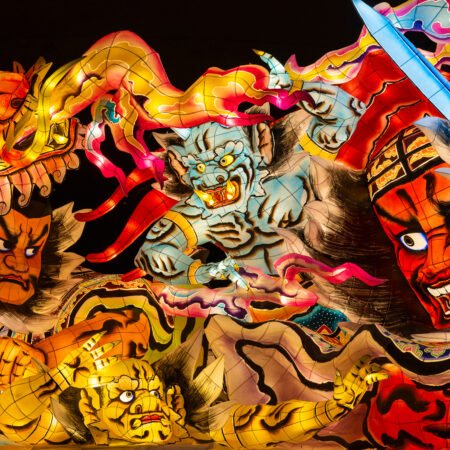
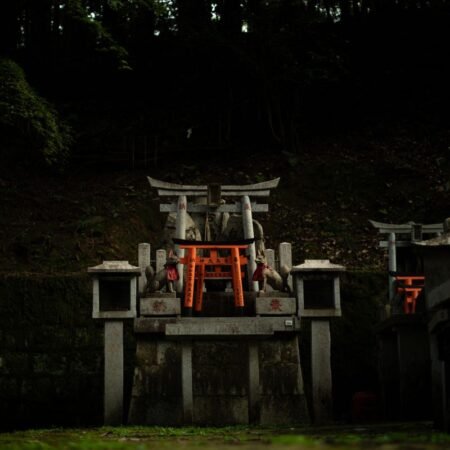
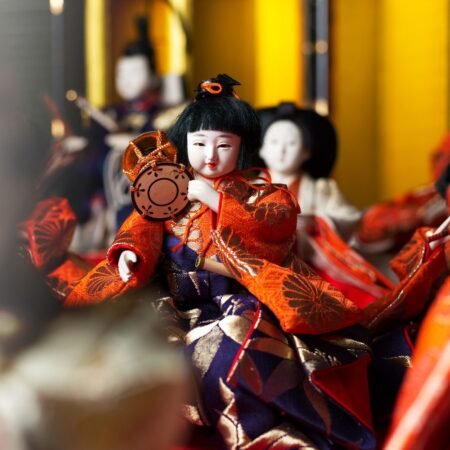
Note: images accompanying this article are illustrative stock photos and do not necessarily show the specific site discussed.
コメント