





I have been buried alive exactly once in my life, and I paid for the privilege. It happened on a grey, humid afternoon on the southern tip of Kyushu, in a town called Ibusuki, where a woman in a cotton happi coat handed me a wooden paddle, pointed at a rectangular pit in black sand, and told me to lie down. Within about ninety seconds I was shoulder to shoulder with a line of strangers, all of us flat on our backs under a few inches of sand so hot it made my scalp sweat before my feet even warmed up. I remember thinking, somewhere around minute three, that this was either the most relaxing thing I had ever done or a mild form of hazing that the entire town had agreed to keep secret from tourists.
It turned out to be the first one. Ibusuki’s sunamushi, or “sand steaming,” is one of those experiences that sounds like a gimmick until you’re actually in it, and then it quietly becomes one of your favorite days in Japan. Five years into living here, I still think about it more than I think about most temples I’ve visited, which says something.
A Spa Tradition Older Than the Postcards
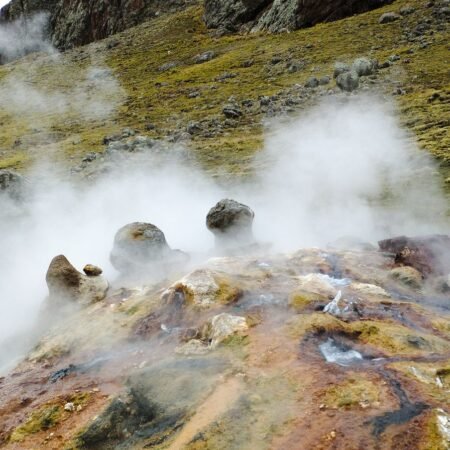
Ibusuki sits on the Satsuma Peninsula, and the reason you can be buried in hot sand here at all comes down to geology rather than invention. The beach runs along a stretch of coastline riddled with geothermal activity, and natural hot spring water seeps up through the sand itself, heating it from below. Locals have been using these naturally warmed stretches of beach for bathing since at least the Edo period, with records and local tradition placing the practice back more than three hundred years, long before anyone thought to build a changing room next to it.
What exists today is more organized than what those Edo-era bathers would have found. The main facility, Saraku, sits right on Ibusuki’s Surigahama beach and has been formalized specifically so visitors don’t have to dig their own hole in a random patch of sand, though you’re welcome to notice the irony that people once did exactly that for free.
Getting Buried, Step by Step
The process is simpler than it sounds and stranger than it looks. You change into a thin cotton yukata at the facility, walk down a short wooden boardwalk to the beach, and lie down in a shallow trench that the attendants, called chirin musume, have usually already prepped. Then they shovel hot sand over you, working quickly from your feet up to your shoulders, patting it down so it holds its shape like a very loose, very warm blanket. Only your head stays uncovered, and someone usually offers you a small towel to keep the sun off your face.
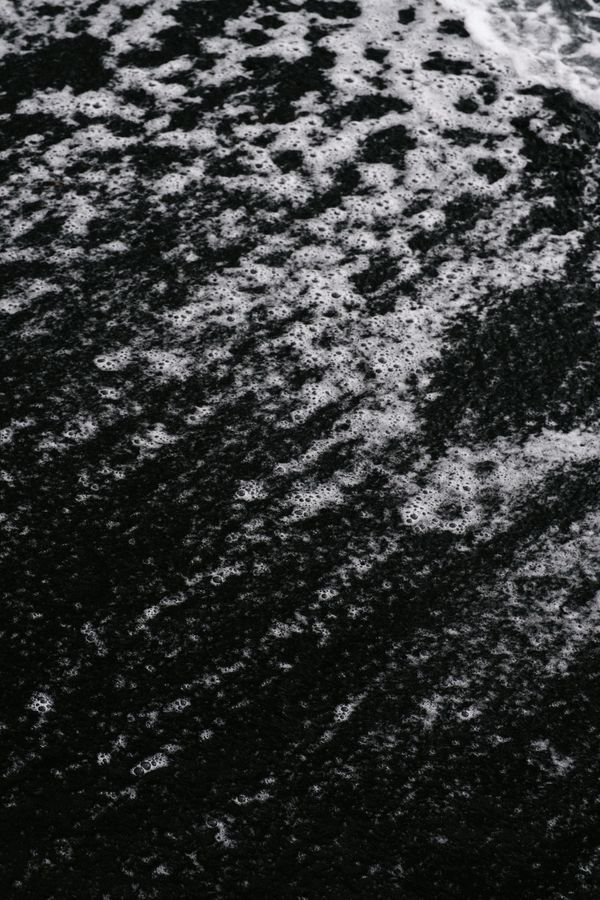
The sand is heavier than I expected, and the heat builds gradually rather than hitting you all at once. Most people stay buried for ten to fifteen minutes, which the staff will enforce gently if you start looking overheated. Local tradition holds that the combined weight and heat of the sand encourages better circulation than a regular bath, which is why sunamushi has long been treated as something between a spa treatment and a folk remedy around here, though I’d call it more of a deeply pleasant local custom than anything I’d lean on for medical advice. What I can say is that by the time I rinsed off afterward, every muscle in my back had gone soft in a way thirty minutes in a regular onsen has never quite managed for me.
Kaimon-dake, Watching Over Everything
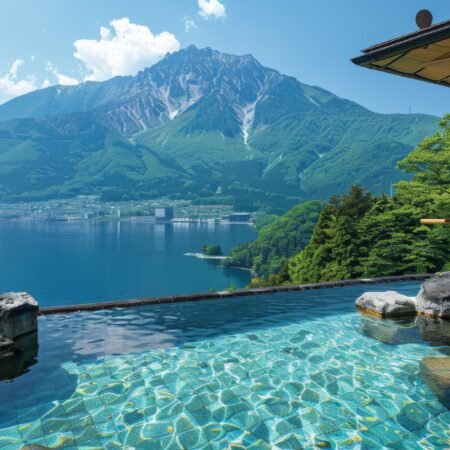
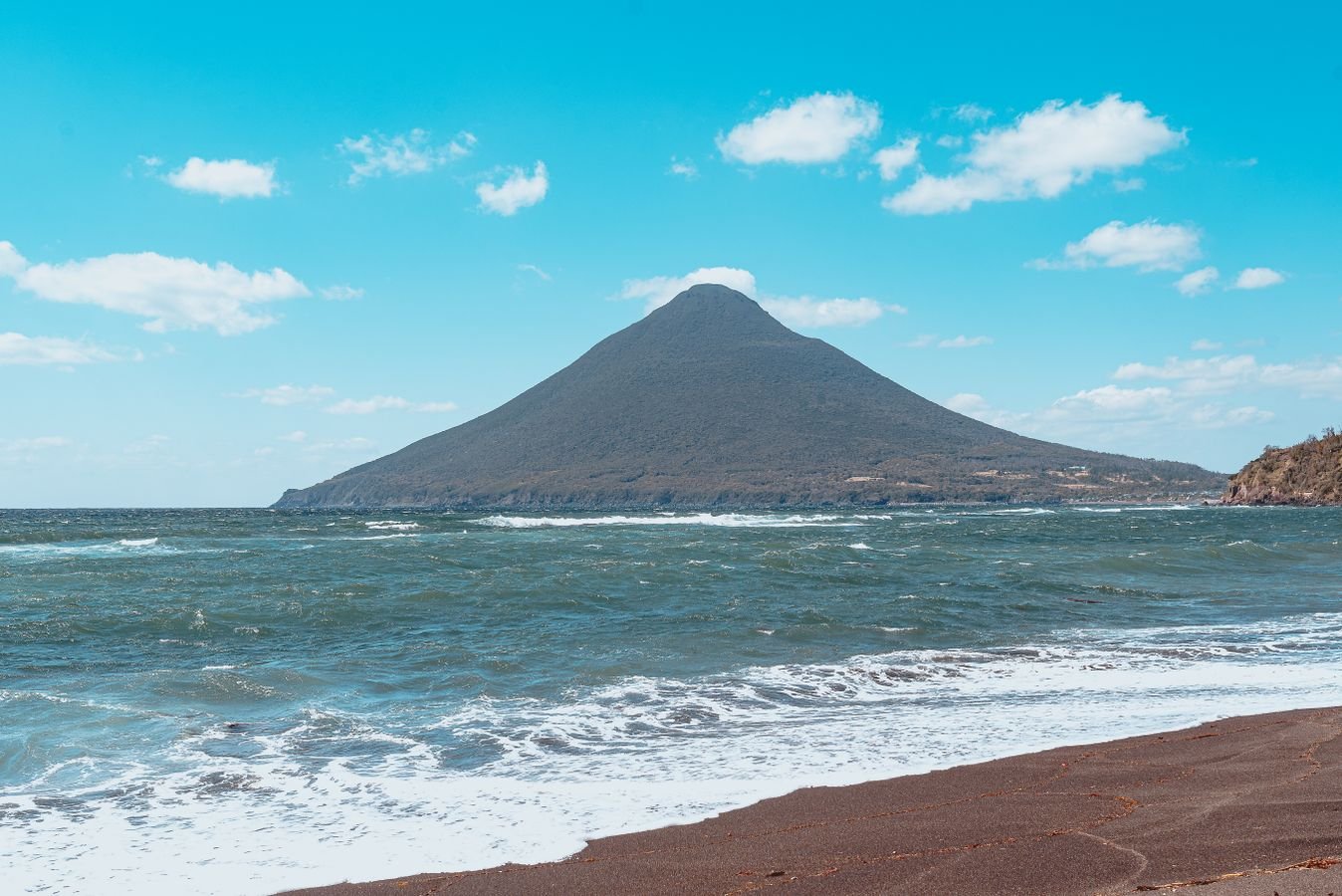
One of the best parts of lying there, oddly, is the view. From flat on your back in the sand, you can see Kaimon-dake rising in the distance, a near-perfectly symmetrical volcanic cone that locals nickname Satsuma Fuji for its resemblance to Mount Fuji, scaled down and transplanted to the subtropical coast. It last erupted around the ninth century and today is dormant, green, and strikingly photogenic, especially with the ocean in the foreground. I spent a good chunk of my sand burial just staring at it, half-cooked and entirely content, while gulls worked the shoreline a few dozen meters away.
Getting There, and What Else to See
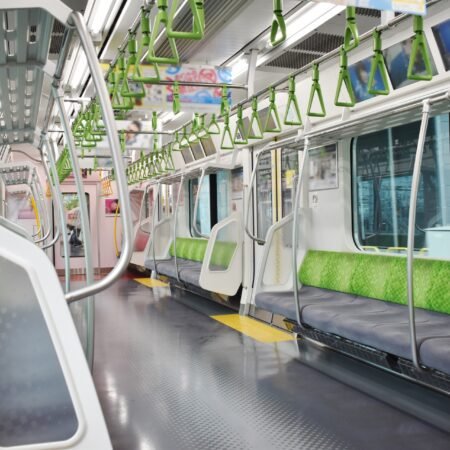
Ibusuki is reachable from Kagoshima-Chuo Station via the JR Ibusuki-Makurazaki Line, and the ride itself is part of the fun if you catch the Ibusuki no Tamatebako limited express, a quirky train named after the treasure box from the Urashima Taro folktale. Its doors release a theatrical puff of steam when they open at each stop, which feels like a strange but charming nod to the whole sand-steaming theme waiting at the end of the line. The trip takes under an hour and runs along the coast for much of the way, with Kaimon-dake visible on and off through the windows.
Beyond the sand baths, Ibusuki makes a good base for a slower day in Kagoshima Prefecture. The nearby Chiran district, about forty minutes away, has a beautifully preserved row of Edo-period samurai residences and gardens that are worth the detour if you have a car or don’t mind a short bus ride. Ibusuki itself also has a flower park and several more conventional onsen if, understandably, one burial is enough excitement for one trip.
Bring a swimsuit to wear under the rental yukata, and don’t bother bringing anything you mind getting a little sandy. Towels are provided, but the sand has a way of finding its way into bags and shoes regardless of how careful you are, and after a while I just stopped fighting it. It felt like a fair trade for the best nap-adjacent experience I’ve had in this country.
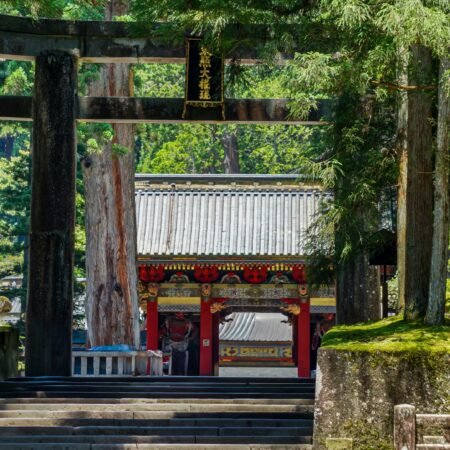
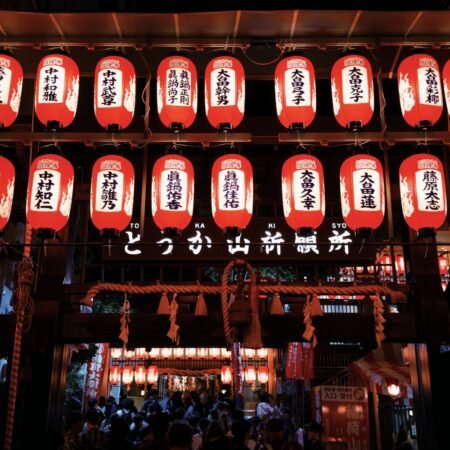
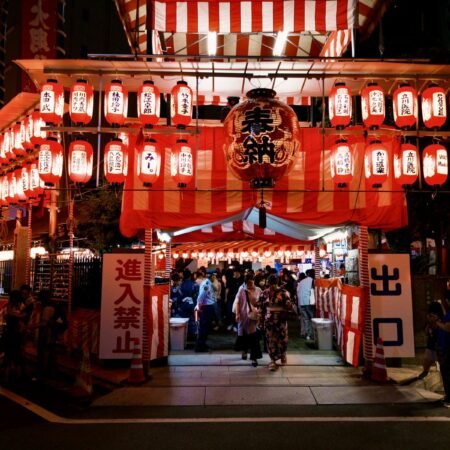
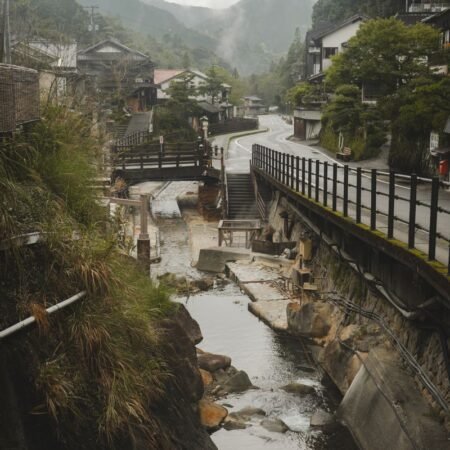
A quick note on photos: some of the images here are stock photos I’ve used to set the mood — they may not be the exact spot or moment I’m describing, just close in spirit.
コメント