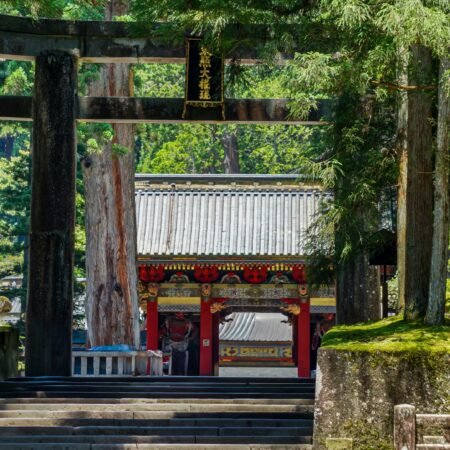






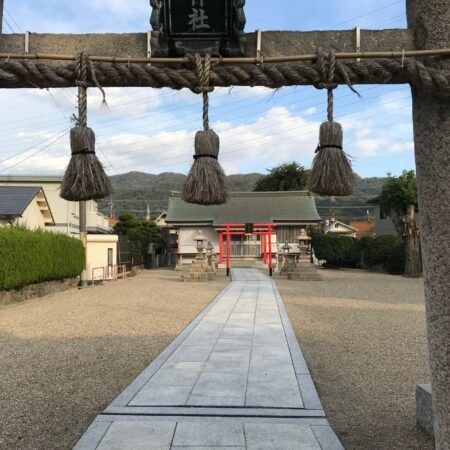
I thought I understood what it meant to arrive early for something in Japan. Then I stood outside Nagasaki’s Suwa Shrine at quarter to eight in the morning, coffee going cold in my hand, surrounded by grandmothers who had clearly staked out their folding chairs the night before. That’s when it hit me: Nagasaki Kunchi is not a festival you casually wander into. It’s one you plan around.
I’d lived in Japan for five years by that point. I’d danced in a Bon Odori circle in Tokyo and gotten pleasantly lost in Kurashiki’s old canal town, but nothing quite prepared me for the specific, layered strangeness of Nagasaki Kunchi — a festival where a Chinese dragon, a full-sized model of a Dutch trading ship, and a Shinto shrine procession all show up in the same afternoon like it’s the most ordinary thing in the world.
A Festival Built From Three Centuries of Foreign Trade
Nagasaki Kunchi has been held at Suwa Shrine every October since 1634, which already makes it older than most countries I can think of. What makes it different from every other shrine festival I’d seen, though, is where it happened. During the two centuries when Japan was almost completely closed to the outside world, Nagasaki was the one exception — the single port where Chinese merchants and Dutch traders from the man-made island of Dejima were allowed to do business. That history seeped straight into the festival, and you can still see it today in the performances themselves: dragon dances rooted in the city’s old Chinese quarter, a model Dutch ship hauled through the streets on wheels, whale-shaped floats that spout real water. It’s Shinto ritual filtered through a port town that spent centuries talking to the rest of the world when nowhere else in Japan could.
Kunchi is part of the “Yama, Hoko, Yatai, float festivals in Japan” group recognized by UNESCO as Intangible Cultural Heritage, the same designation that covers Kyoto’s Gion Matsuri and Hakata Gion Yamakasa in Fukuoka. Standing in the crowd, though, it doesn’t feel like a museum piece. It feels loud, physical, and a little bit chaotic in the best way.
Waiting Seven Years for Your Turn
Here’s the detail that took me the longest to wrap my head around. Nagasaki Kunchi isn’t performed by one troupe that does the same routine every year. The city is divided into dozens of neighborhood groups, called odori-cho, and they rotate through performance duty on a seven-year cycle. Each neighborhood spends years preparing a specific act tied to its own history and identity, then performs it once, and doesn’t perform again until the cycle comes back around. That means the Kunchi you see is genuinely specific to that year — ask someone who’s lived in Nagasaki their whole life, and they’ll still tell you which year’s lineup was their favorite.
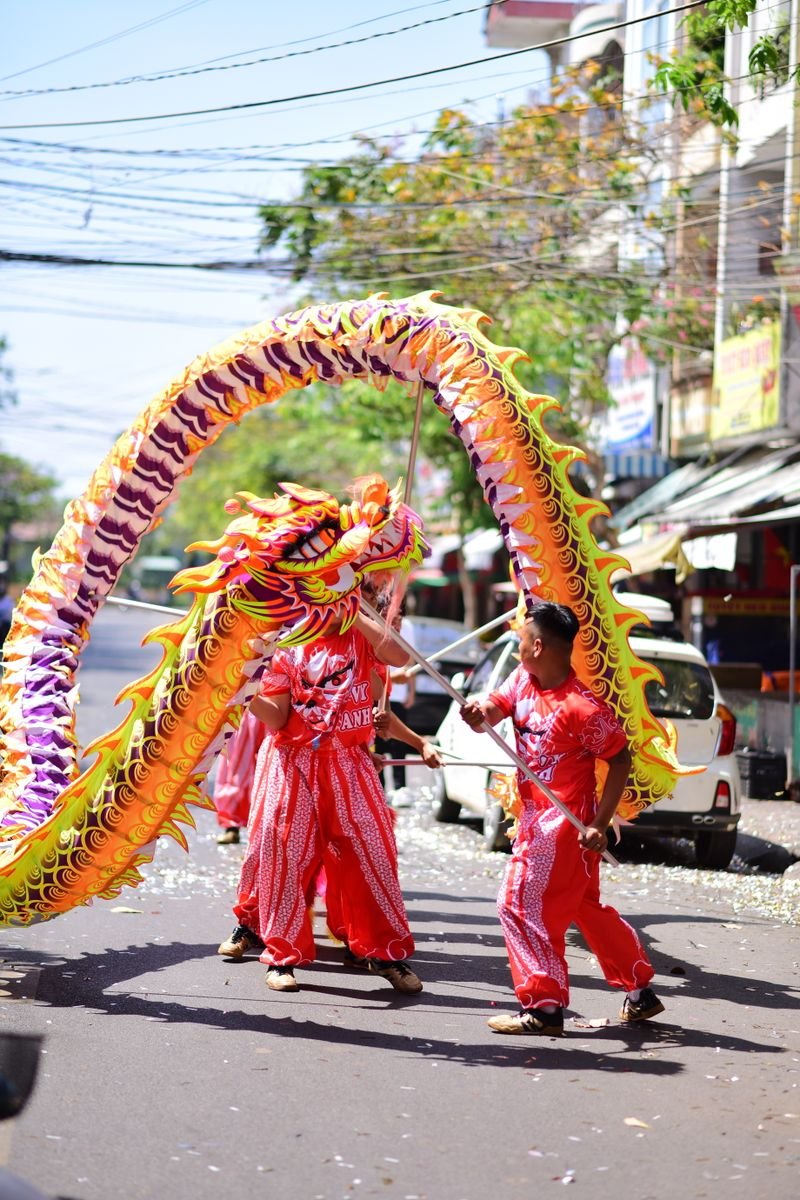
The performance I couldn’t stop thinking about was jaodori, the dragon dance, kept alive by descendants of Nagasaki’s historic Chinese community. A dragon costume that has to be twenty meters long snakes and coils through the crowd to drums and gongs, chasing a ball held by a lead dancer, and the whole thing moves with a speed and control that made the people around me gasp more than once. Later that same afternoon I watched kokkodesho, where young men from another neighborhood hoist an enormous, heavy portable shrine onto their shoulders and then, on cue, toss it into the air and catch it — repeatedly, on purpose, to roars from the crowd every time it doesn’t hit the ground. And then there was the Dutch ship, an actual scaled model of a trading vessel mounted on wheels, spun in place by a team of young men while the crowd shouts “Motto, motto!” — “more, more!” — until they spin it again for good luck.
Finding a Place to Stand
Nagasaki Kunchi runs every year from October 7th to 9th, with the main shrine performances at Suwa Shrine happening earliest in the morning — which is why I found myself there before eight. If you want a seat at Suwa Shrine or at the main public viewing area, reserved tickets go on sale in advance and tend to sell out, so it’s worth checking as soon as the schedule for that year is announced rather than assuming you can just show up. That said, I didn’t have a ticket for my first Kunchi, and I still saw plenty. The performances repeat at several locations across the three days — including an otabisho way station downtown and a public square near the city center — and standing room along the route is free. You just have to be willing to get there early and hold your ground, which, judging by the grandmothers and their folding chairs, is a very Nagasaki way to do things.
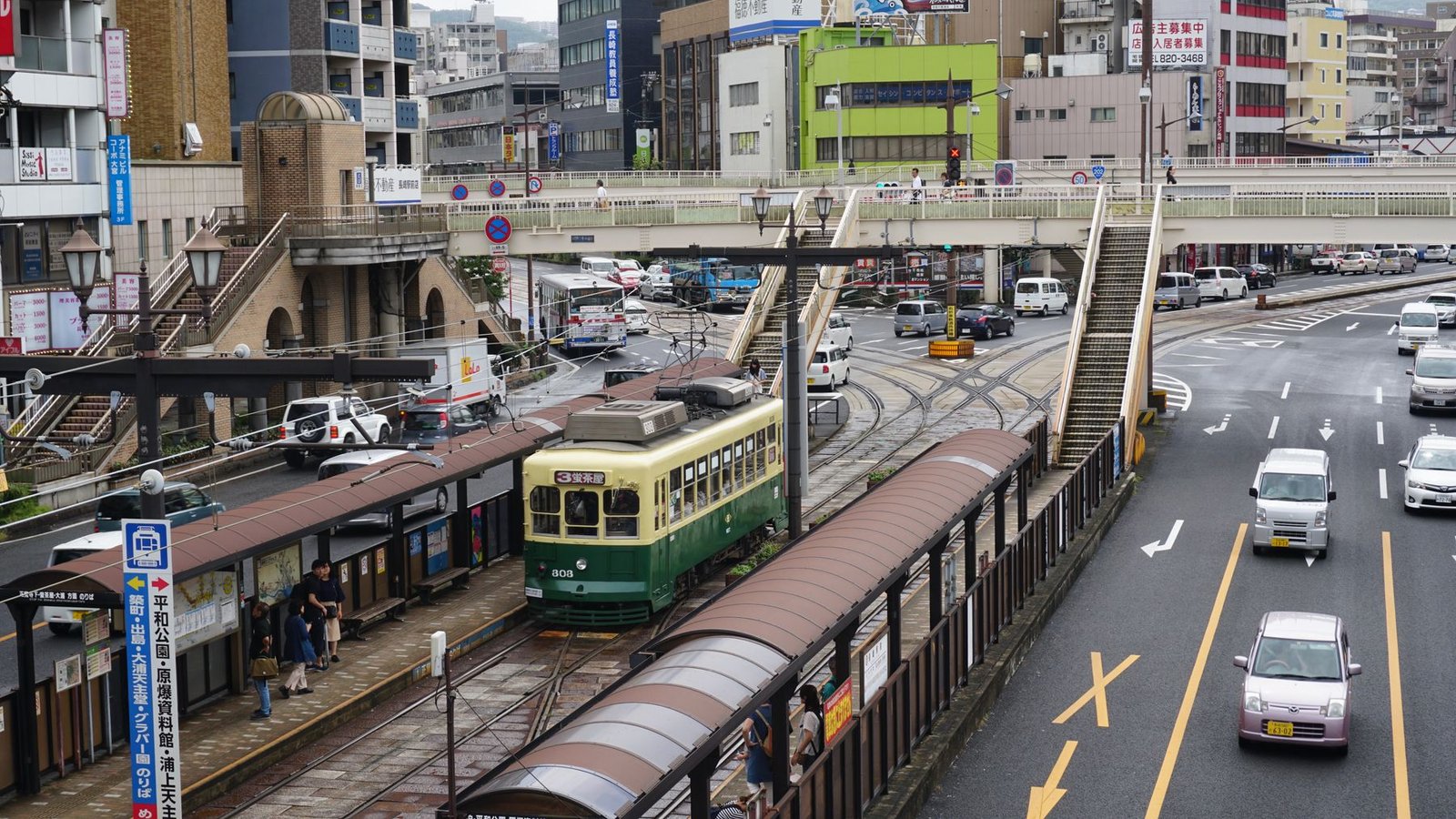
Getting to Nagasaki is easier than it used to be. Since the Nishi-Kyushu Shinkansen extension opened, you can connect from Hakata in a few hours with a transfer at Takeo-Onsen; there are also direct flights into Nagasaki Airport. Once you’re in the city, the old-fashioned tram network is the easiest way to get around, and it’s worth using it to explore beyond the festival crowds — Dejima’s reconstructed trading post, the sloped streets of Glover Garden, and the Chinese-influenced Shinchi Chinatown all sit within a short ride of Suwa Shrine and tie directly back into the history the festival is celebrating. If you get hungry between performances, look for stalls selling castella, the honey sponge cake the Portuguese brought to Nagasaki centuries ago and that the city has since made completely its own.
What I Took Away From It
What stayed with me after Nagasaki Kunchi wasn’t any single performance, even though the dragon dance is genuinely one of the most striking things I’ve watched in five years here. It was the realization that a festival could hold three or four cultures at once without any of them feeling like decoration. The Dutch ship isn’t a gimmick tacked onto a Japanese festival — it’s Nagasaki being honest about what it actually is: a city that grew up talking to the outside world while the rest of the country kept its doors shut. If you’re building a Japan itinerary that leans toward the usual shrine-and-shopping-street combination, Nagasaki in early October is worth rearranging your plans for.
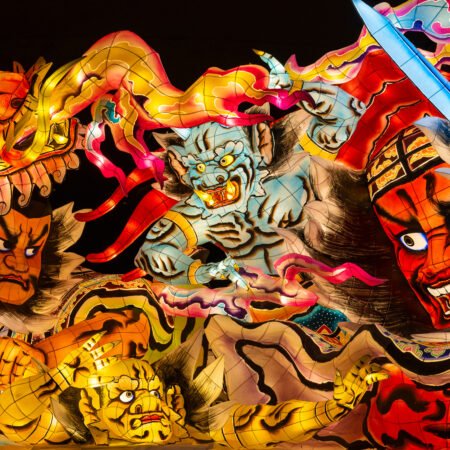
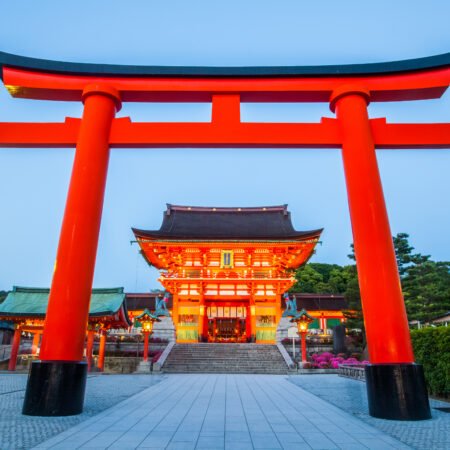
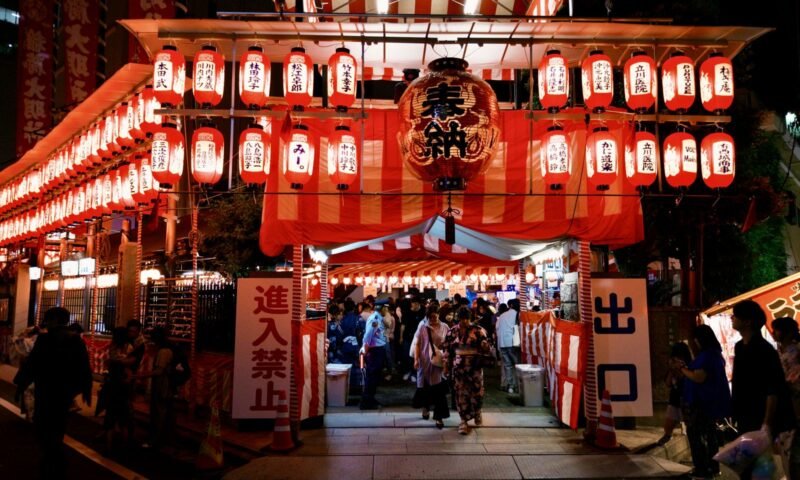
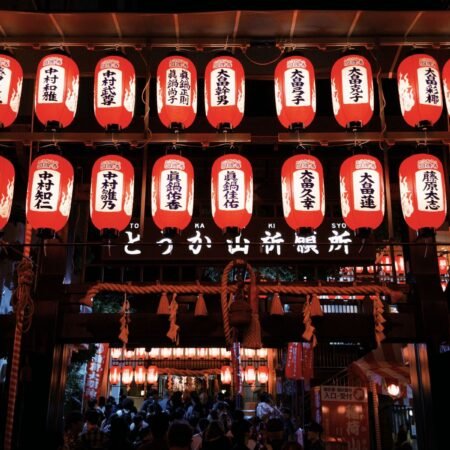
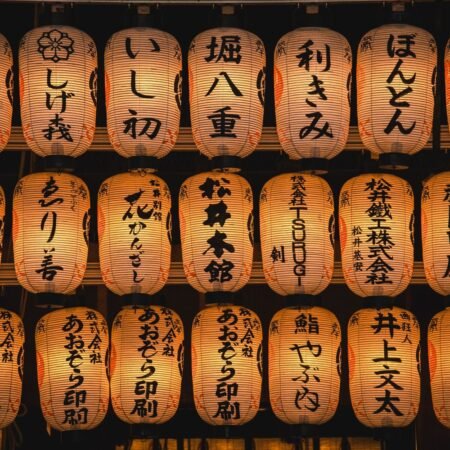
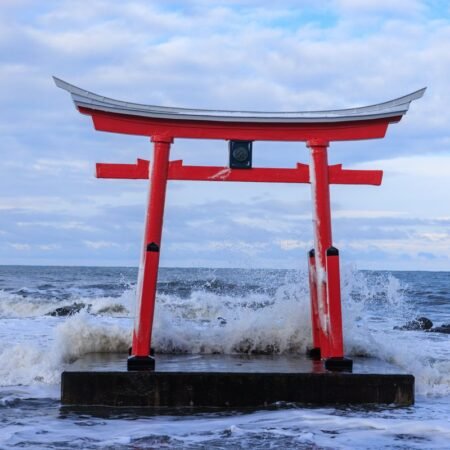
A quick note on photos: some of the images here are stock photos I’ve used to set the mood — they may not be the exact spot or moment I’m describing, just close in spirit.
コメント