






I almost didn’t get off the train.
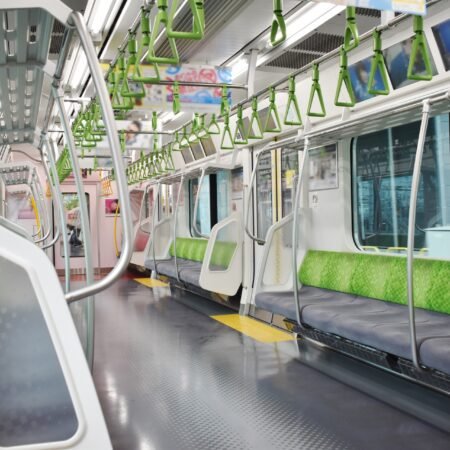
I’d boarded the JR Yufuin no Mori in Hakata on a whim — mostly because the train itself looked like something out of a storybook, deep forest green with oversized windows and seats angled outward so you don’t miss a single hill rolling by. A couple of hours later we pulled into a tiny station ringed by mountains, and a conductor in white gloves bowed us off the platform like we were VIPs instead of a half-empty car of day-trippers. That’s Yufuin’s whole personality in one scene, honestly: a little theatrical, a little sincere, and in absolutely no hurry.
I’d heard people describe Yufuin as “Beppu’s quieter cousin,” and after five years of chasing steam vents and boiling mud pools around Oita, I was ready for quiet. Beppu throws its hot springs at you — bubbling pits, a giant ferris wheel, neon signs. Yufuin tucks its onsen behind ryokan walls and lets the real main event be a small lake you can walk around in fifteen minutes, if you’re not stopping every ten feet to take a photo, which I absolutely was.
A lake with a sunset named after it
Lake Kinrin — “the lake of golden scales” — sits at the end of the main walking route from the station, with Mount Yufu rising behind it in two unmistakable humps. The story goes that back in 1884, a Confucian scholar named Kuso Mori was standing by what locals simply called Takemoto-no-ike at the time, watched the fish scales catch the setting sun and flash gold across the water, and renamed the lake on the spot. I don’t know exactly how dramatic that moment really was, but I like that a scholar looked at some carp in the evening light and decided the lake needed a better name. It got one.
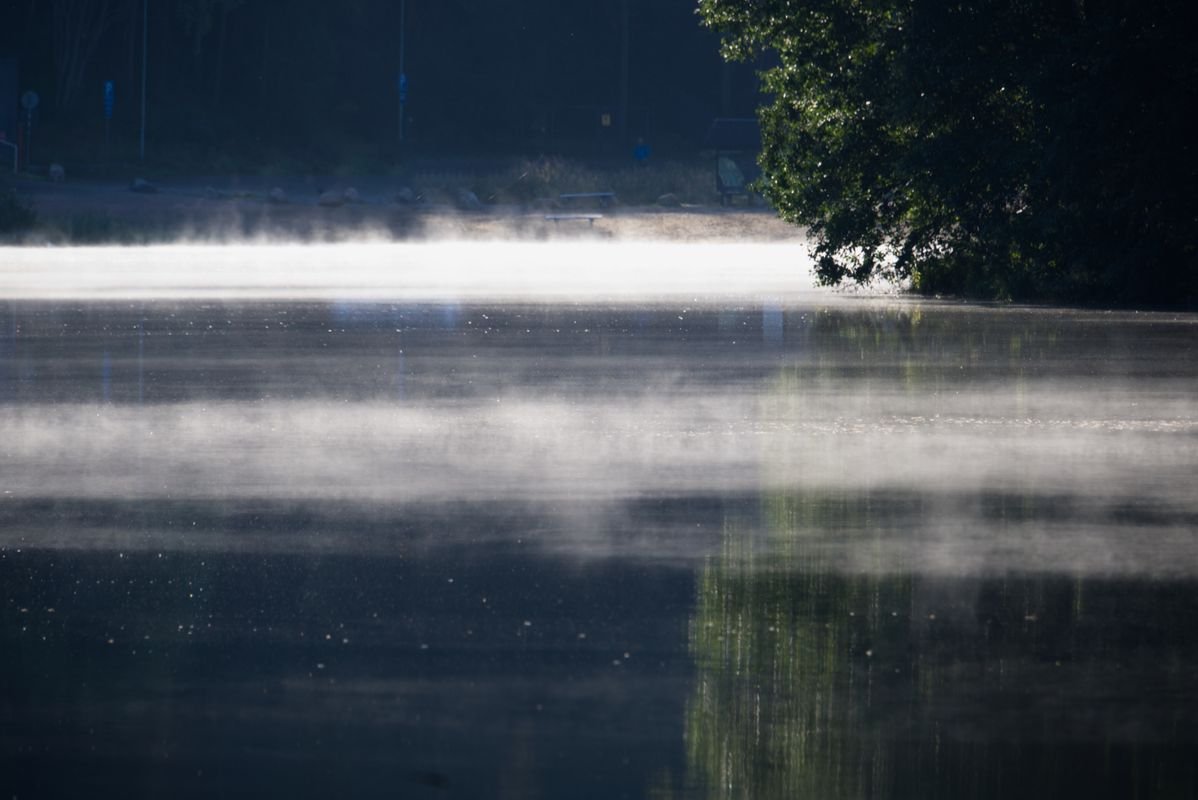
The real trick of Lake Kinrin, though, is that it never freezes, even on the coldest Oita mornings, because warm spring water seeps up through the lakebed at the same time cold groundwater slides in from the surrounding hills. The two temperatures collide right at the surface, and on a chilly morning the whole lake exhales a soft curtain of mist that drifts across the water until the sun finally burns it off. I got there just after 7am specifically to catch this, stood on the little wooden viewing platform with my coffee going cold in my hand, and watched the lake quite literally steam, like it was embarrassed to be looked at. Worth the early alarm, no question.
Baths with a mountain view and no pretense
Yufuin doesn’t really do flashy bathhouses. Right on the lake’s edge there’s Shitanyu, a tiny public bath barely bigger than a garden shed, mixed-gender, maybe 300 yen to soak in two small pools while people stroll past a few feet away on the lakeside path. It felt less like a tourist attraction and more like the town’s actual bathtub, which I suppose it is.
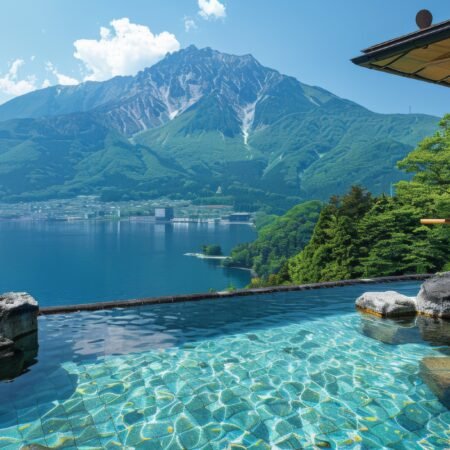
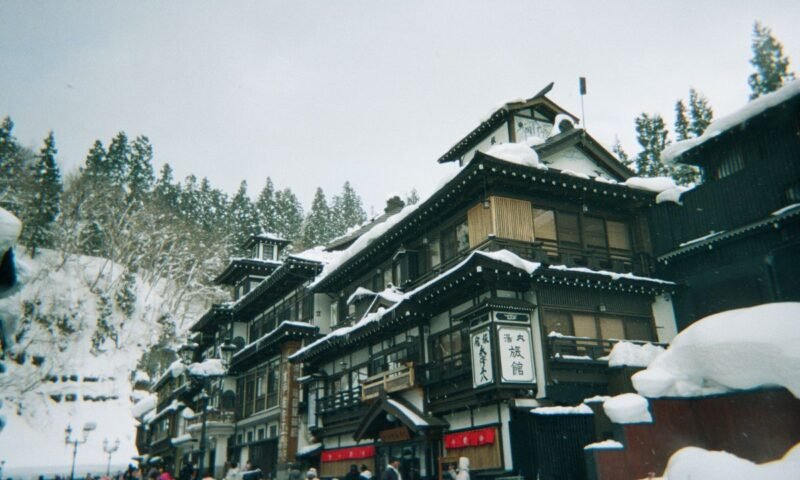
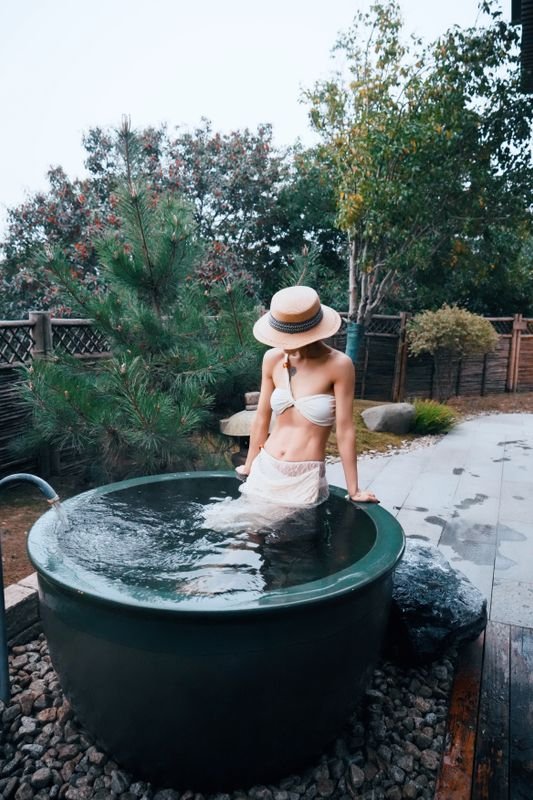
A short walk uphill, a handful of ryokan open their outdoor baths to day visitors for a few hours around midday. I ended up at one with a rotenburo angled just right so that Mount Yufu’s twin peaks sat framed above the steam rising off the water — the kind of view a five-star resort would charge triple for, except here the inn was just being generous with what nature handed them. No loud music, no spa menu board, just hot water and a mountain doing its best impression of a postcard.
Croquettes, cows, and a street built for wandering
The main drag, Yunotsubo Kaido, runs from near the station most of the way toward the lake, and it’s the kind of street where you plan to walk straight through and somehow lose ninety minutes. Little art galleries sit beside tiny museums, cafes spill chairs out onto the sidewalk, and a surprising number of storefronts seem to be selling something involving milk or cheese — Yufuin’s cows get a lot of local pride. I window-shopped my way through boutiques I had no business browsing and ducked into the Floral Village section partway down, a miniature European-style lane that felt almost deliberately whimsical, like the town wanted at least one corner that didn’t take itself seriously at all.
By the time I looped back toward the station, I’d done almost nothing you’d call a “sight” in the checklist sense — no shrine stamp, no thousand-year history plaque, no festival schedule to plan my whole day around. I’d just walked, soaked, watched a lake smoke in the morning cold, and let a mountain sit quietly in the background of every photo I took without really trying.
Getting there and making it easy on yourself
If you’re coming from Fukuoka, the Yufuin no Mori limited express runs directly from Hakata Station and takes a bit over two hours; it needs a seat reservation, so book ahead, especially on weekends. From Beppu, it’s an easy hop — about 50 minutes by bus for roughly 1,100 yen, or about 80 minutes by train with a transfer at Oita Station if you’re using a JR pass. Once you’re in town, you can rent a bicycle right at the station for around 250 yen an hour; the walk to the lake only takes 20 to 30 minutes, but a bike makes it easy to loop past the hillside baths too. Go on a weekday morning if you can — Yufuin fills up with day-trip buses by early afternoon, and that lake mist really is a dawn-and-dusk kind of magic.
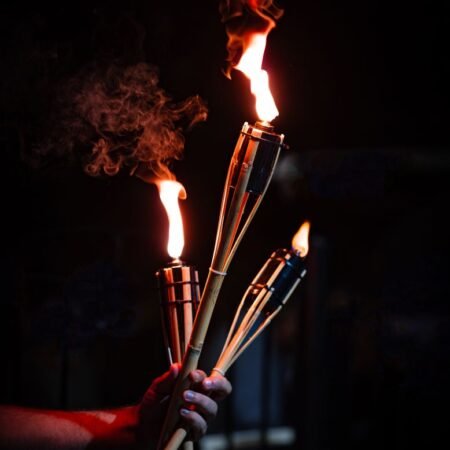
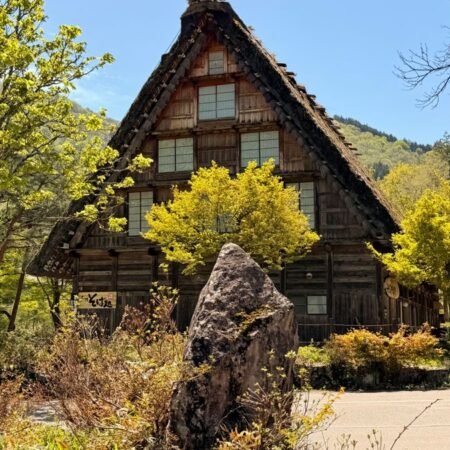
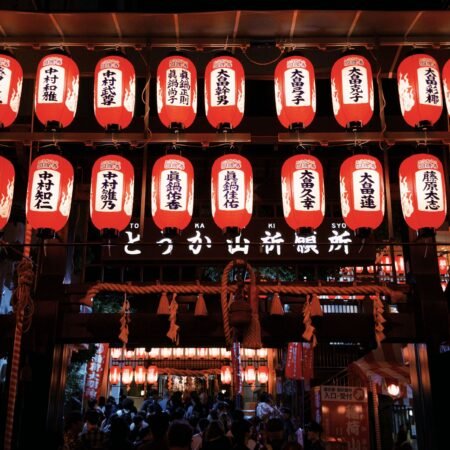
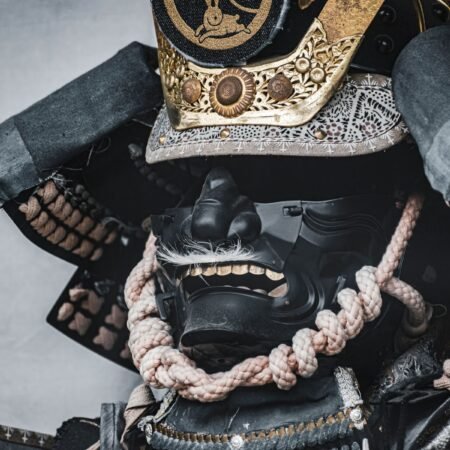
A quick note on photos: some of the images here are stock photos I’ve used to set the mood — they may not be the exact spot or moment I’m describing, just close in spirit.

コメント