





There is a traffic island in Minami-Ōi, Shinagawa, where three lanes of the old First Keihin Road bend around a strip of land barely wide enough to call a park. Scooters idle at the light. A convenience store glows across the junction. And behind a low fence, half-swallowed by the noise of the road, sit two worn stone platforms and a well that nobody uses for water.
I nearly walked past it the first time. That is, I think, the point of this piece: Suzugamori (鈴ヶ森) does not announce itself. It is not tucked into a mountain or hidden behind a torii gate at the end of a quiet lane. It sits at a crossroads, in full view of everyone, which is exactly where the Edo shogunate wanted it.
A Crossroads Built as a Warning
Suzugamori opened as an execution ground in 1651, on the Tōkaidō — the great road connecting Edo to Kyoto, and the route by which most travellers entered or left the capital from the south. That placement was not an accident. Public execution grounds in the Edo period were typically kept just outside a city’s boundary, both to keep the condemned’s death ritually separate from the living city and to put the consequences of crime directly in front of anyone arriving. You could not reach Edo from the Tōkaidō without passing it.
Suzugamori operated for roughly two centuries before closing in the early years of the Meiji era. How many people died here is impossible to state with precision — figures I’ve seen cited range from around 100,000 to 200,000 over that span — but even the lower estimate makes this one of the two or three largest execution sites in Edo, alongside Kozukappara in the north. Where Kozukappara dealt mostly with commoners from the city’s northern approach, Suzugamori handled the southern one, and its roster of the condemned includes some genuinely well-documented figures from Japanese history.
The Well That Still Has a Name
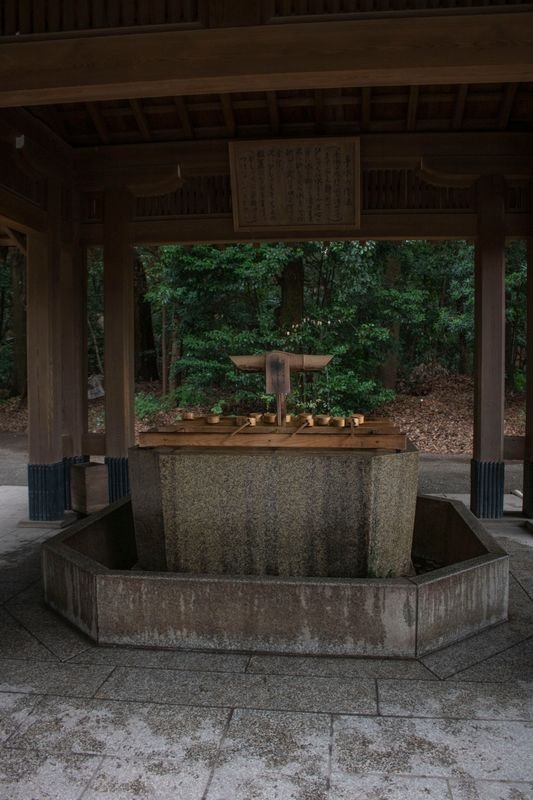
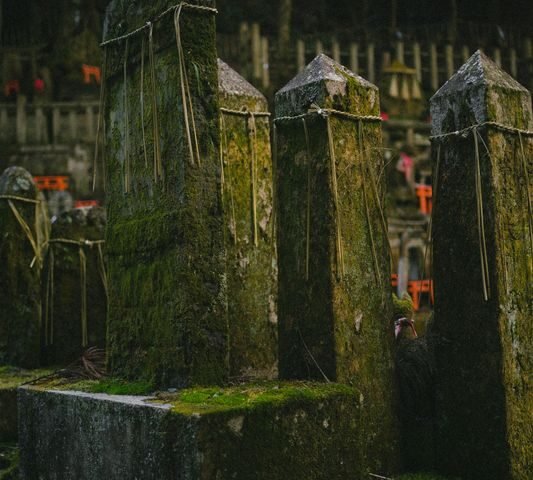
The physical remains at the site are modest but specific. There’s a stone well, long referred to locally as the kubi-arai-no-ido — the “head-washing well” — and two low stone platforms that once anchored the wooden posts used for crucifixion-style execution and, in some cases, burning at the stake. None of this is softened for visitors; it isn’t meant to be a pleasant stop. A small altar and several Buddhist statues, some originally placed by the nearby temple Daikyōji, mark the site today as a place of memorial rather than a historical curiosity, and fresh flowers are not an unusual sight.
Two names come up most often when people talk about who died here. Marubashi Chūya was a rōnin implicated in the Keian Uprising, a 1651 plot against the shogunate; tradition holds he was executed here not long after the site opened, possibly as one of its very first condemned. Yaoya Oshichi is the other name, a young woman whose story — she was convicted of arson after, as the tale is usually told, setting a fire in the hope of reuniting with someone she loved — was dramatised by the Edo-period writer Ihara Saikaku and later by kabuki and bunraku theatre. I want to be careful here: the dramatic versions of her story have been reshaped by nearly three and a half centuries of retelling, and it’s genuinely difficult to separate the documented historical record from the literary one. What isn’t in dispute is that Suzugamori’s place in Japanese cultural memory owes a great deal to names like hers.
What the Neighbourhood Says Now
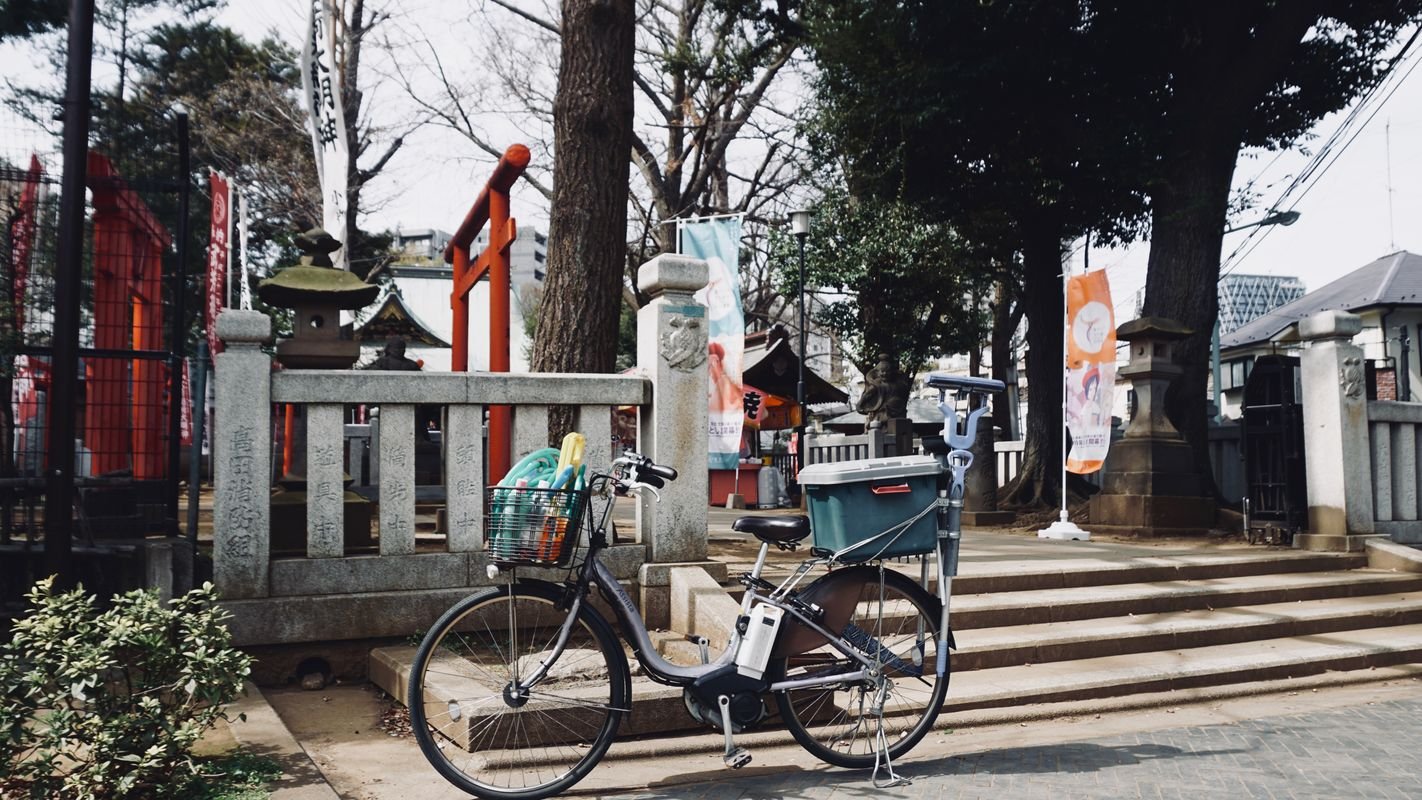
Ask around Ōmori-Kaigan, the nearest station, and you’ll hear Suzugamori described in two registers at once: as a protected historical site administered by the ward, and, separately, as a reputed kowai basho — a “scary place” — on the sort of Japanese websites that catalogue haunted spots around Tokyo. The rumour, as it’s usually told, is that the spirits of the executed are seen late at night near the old well, and that the intersection beside the site sees more than its share of traffic accidents, which some locals have half-jokingly attributed to drivers startled by something in the road. I’d treat all of this exactly as it’s presented in the sources I could find: as uwasa, neighbourhood rumour, not as anything verified. Busy, oddly shaped intersections cause traffic incidents without any supernatural help, and “haunted corner” is a label that sticks to old execution sites all over Japan regardless of what’s actually been reported.
What struck me more than any ghost story was how ordinary the surrounding street felt — bicycles, vending machines, the Keikyū line rattling past within sight of the fence. Suzugamori hasn’t been preserved behind glass. It has simply stayed exactly where it always was, and the city grew up around it.
Visiting With Some Care
The site is free to visit and sits a short walk from Ōmori-Kaigan Station on the Keikyū Main Line, right alongside a working road, so the usual urban caution applies: mind the traffic at the junction, especially if you’re there with a camera. This is an active memorial, not a backdrop — the stones, the well, and the statues are objects of ongoing reverence for some visitors, and I’d avoid touching or climbing on any of them. If incense or flowers have been left, leave them undisturbed. Suzugamori asks very little of a visitor beyond basic respect: a quiet few minutes, acknowledging that an enormous number of real people died on this exact patch of ground, long before anyone thought to wonder whether it was haunted.
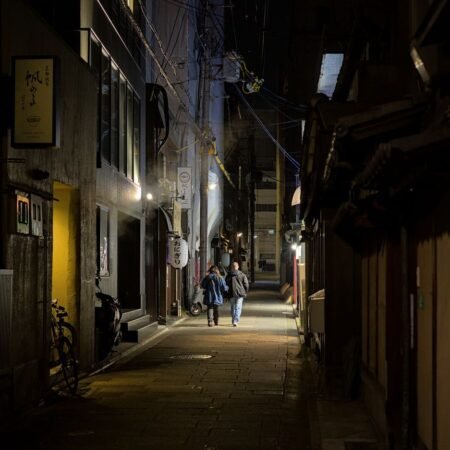
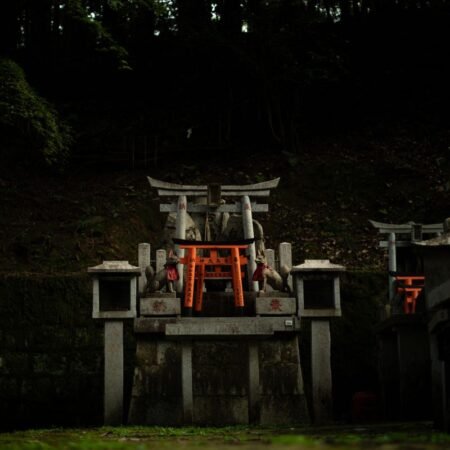
Note: images accompanying this article are illustrative stock photos and do not necessarily show the specific site discussed.
コメント