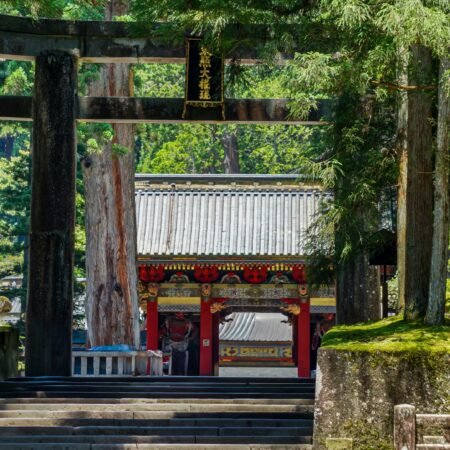





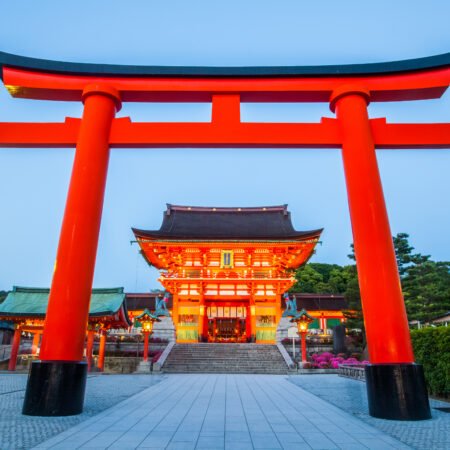

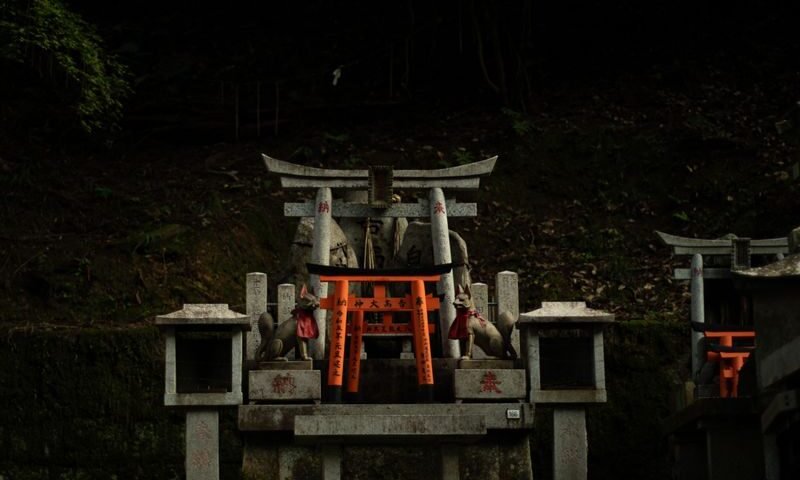
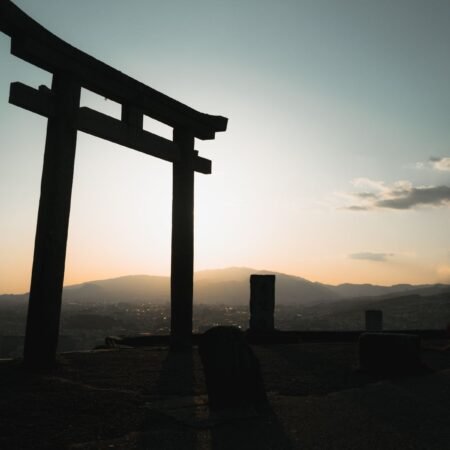
I nearly walked past Shiramine Jingu the first time I went looking for it. It sits on an ordinary residential street in Kamigyo-ku, a few blocks from the Imperial Palace Park, wedged between houses with the kind of unassuming torii gate you could miss if you weren’t paying attention. No tour buses, no queues for a goshuin stamp, no English signage pointing the way. Just a quiet neighbourhood shrine that happens to have been built, in the Meiji era, specifically to apologise to a dead emperor Kyoto had wronged seven hundred years earlier.
That’s the part of this story I find more interesting than any ghost. Most of the haunted places I’ve written about over the years have a vague, diffuse sense of dread attached to them — a feeling, a rumour, a figure glimpsed once by someone’s cousin. Shiramine is different. This is a shrine built for one specific purpose: to calm a man the Japanese court had come to believe was powerful enough, and furious enough, to curse the entire imperial line.
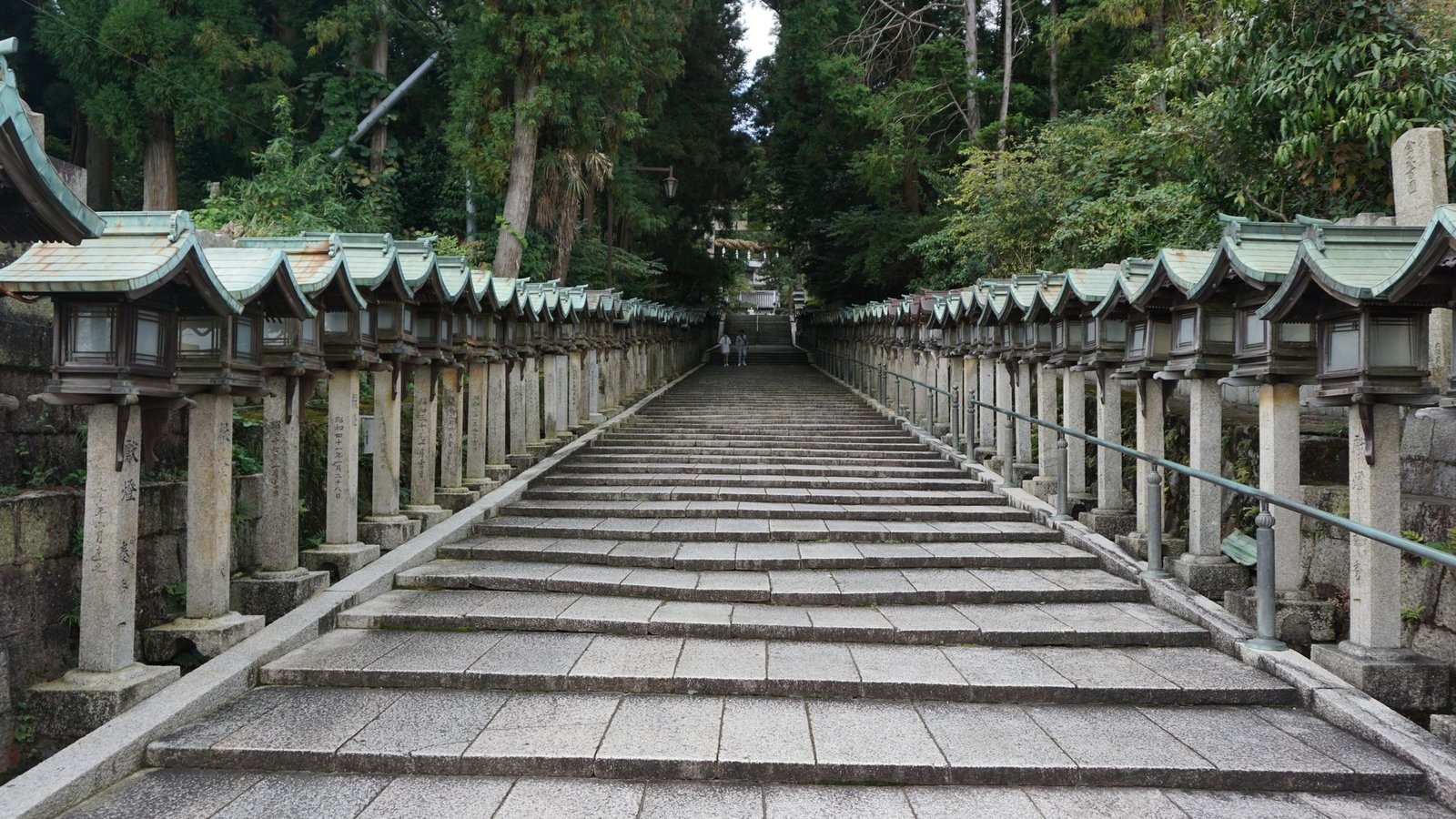
The emperor who lost everything
Sutoku was enthroned at the age of three in 1123, the 75th emperor of Japan, and by the time he was in his twenties he’d been pushed off the throne by his own father in favour of a younger brother. According to the chronicles, rumour at court held — probably falsely — that Sutoku wasn’t even his father’s son, which only deepened the humiliation. When the succession dispute finally boiled over into open warfare in 1156, the conflict now known as the Hōgen Rebellion, Sutoku backed the losing side.
What followed was unusually harsh by the standards of the Heian court, which had gone roughly four centuries without a single political execution. This time, the defeated nobles were killed. Sutoku himself was spared death but exiled to Sanuki Province, on the island of Shikoku, where he would spend the rest of his life. He died there in 1164. His brother, now the retired emperor Go-Shirakawa, didn’t even send a funeral delegation — the story goes that it was left to the local provincial governor to see that Sutoku was properly buried.
A curse written in blood
This is where the legend takes over from the history, and it’s worth being clear about the line between the two. The court chronicle Hōgen Monogatari, compiled decades after Sutoku’s death, is the source for what happens next, and it reads less like a factual record than a piece of theatre designed to make a point about the dangers of wronging the powerful.
According to that account, Sutoku spent part of his exile copying out Buddhist sutras by hand, intending to dedicate them to a temple as an act of religious devotion. When he sent them to the capital, however, his brother’s court suspected the gesture concealed some kind of hex and sent them back unopened. Enraged at the rejection, Sutoku is said to have bitten his own tongue, written a curse in the blood, and vowed to become a great demon of Japan — to bring the sovereign low and raise up the lowly in his place. He let his hair and nails grow long and lived out his remaining years, so the tale goes, as something closer to a vengeful spirit than a man.
Whether or not any of that actually happened, Kyoto certainly behaved afterwards as though it had. A string of disasters in the years following his death — sudden deaths among Go-Shirakawa’s allies, unrest among the warrior-monks, and a fire said to have burned through roughly a third of the city in 1177 — were widely attributed to Sutoku’s wrath. The court posthumously restored the title of a political rival Sutoku had wanted cleared, and eventually a small shrine was raised on the old Hōgen battlefield in an attempt to settle things, later folded into what’s now Hirano Shrine.
It evidently wasn’t enough. Centuries on, Sutoku is still grouped alongside Sugawara no Michizane and Taira no Masakado as one of Japan’s so-called Three Great Vengeful Spirits — though it’s worth noting, as several Japanese folklorists have pointed out, that this specific trio is largely an Edo-period literary invention, popularised through kabuki and fiction long after any of the three men were alive to curse anybody.
Why Meiji finally built him a shrine
The most striking fact I’ve come across in all of this is the date. In 1868 — the very year the Meiji Restoration was formally overturning seven hundred years of military rule and restoring direct imperial authority — the new Emperor Meiji sent an envoy down to Shikoku to retrieve Sutoku’s spirit and bring it back to Kyoto, where Shiramine Jingu was built to properly enshrine him, with the deposed emperor Junnin added a few years later. It’s hard not to read that timing as deliberate: a government in the business of restoring the throne’s authority had every reason to want Japan’s most famously wronged emperor formally and visibly pacified.
These days Shiramine has quietly become something else entirely: a shrine for ball sports. Its grounds once belonged to the Asukai family, aristocratic masters of kemari, the ancient courtly kickball game, and the shrine now counts a guardian deity of kemari among its enshrined spirits. Local football clubs and even members of Japan’s national team are said to have donated balls here over the years, and you’ll find charms for “fighting spirit” alongside ema boards shaped like kemari balls — a nine-hundred-year-old grudge quietly repurposed into good luck for Sunday league football.

If you go, there’s not much ceremony required — it’s a small, working neighbourhood shrine, not a museum. Bow at the torii, keep your voice down, and don’t go hunting for the actual tomb; Sutoku’s real grave is on Mount Shiramine in Kagawa, hundreds of kilometres away, and the Kyoto shrine makes no claim to be anything but a dedicated place of worship. Treat it the way you’d treat any shrine with a complicated history: with a bit of curiosity, and a bit of respect for a man who, deified or not, was first and foremost someone’s father, brother, and emperor before he was anyone’s demon.
Note: images accompanying this article are illustrative stock photos and do not necessarily show the specific site discussed.

コメント