





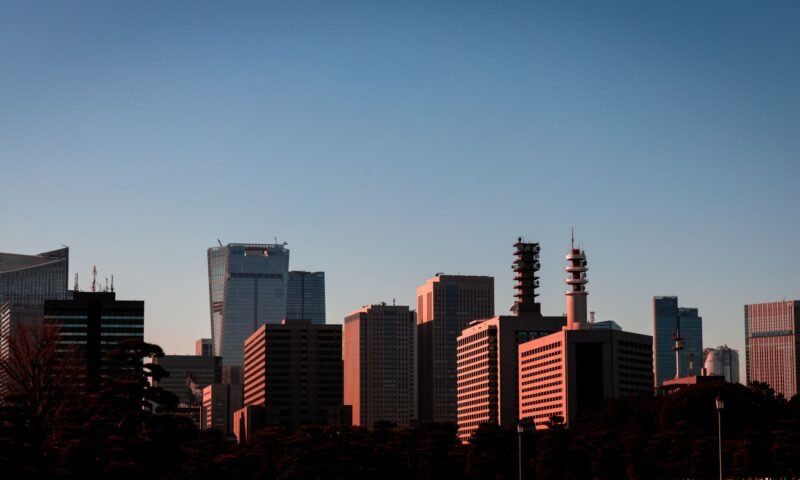
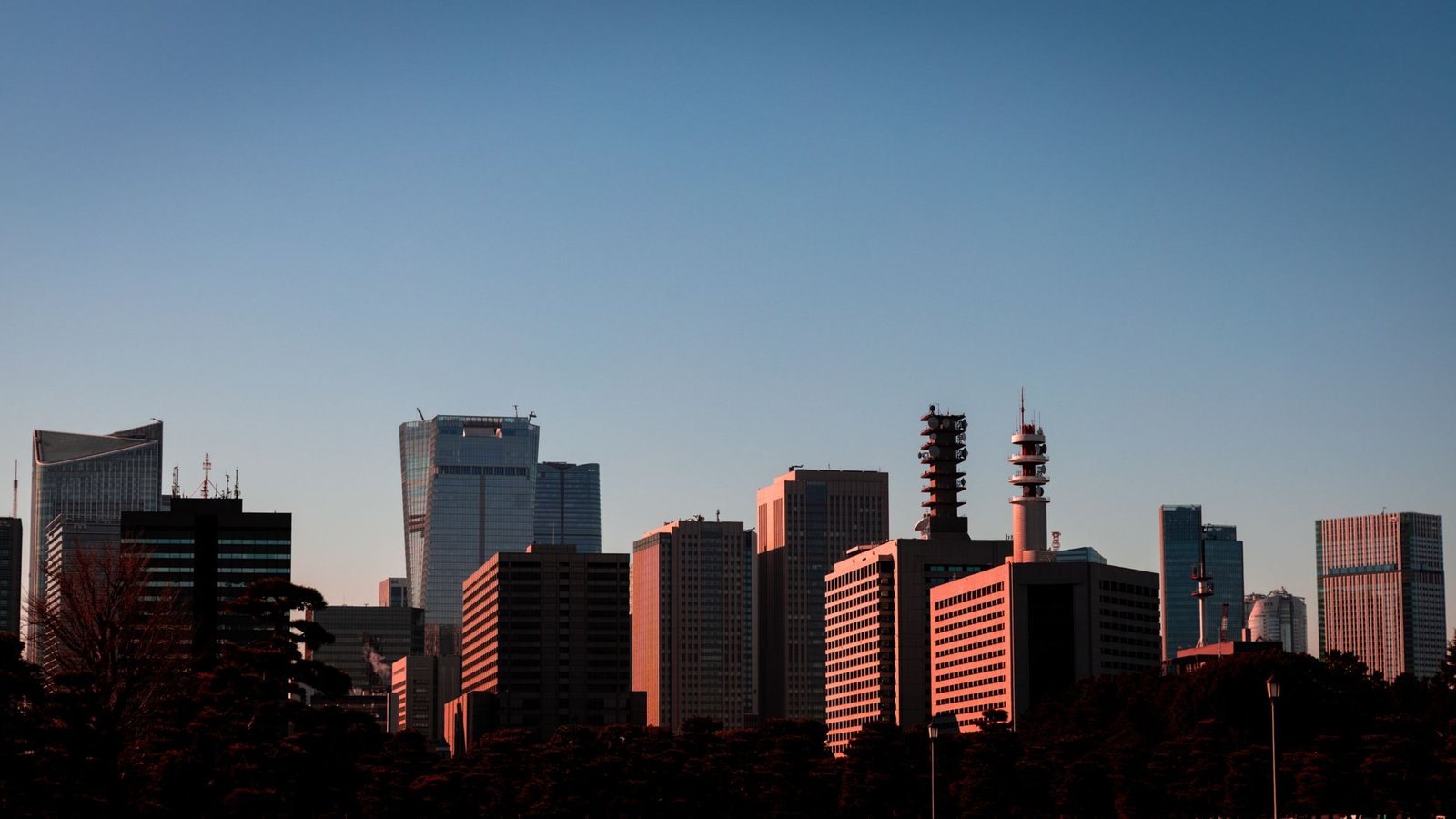
I have walked past a lot of strange things in seven years of chasing ghost stories around Japan, but nothing has quite matched the first time I stood in front of Masakado Zuka. It sits in Otemachi, wedged between the Imperial Palace moat and a wall of glass office towers, in what is probably the most expensive square footage in the country. Bank headquarters and trading firms surround it on every side. And yet, right there in the middle of Tokyo’s financial nerve centre, is a small, fenced stone mound with fresh flowers, frogs of every material stacked around its base, and a hand-lettered sign asking visitors to be respectful. I remember thinking: land like this doesn’t sit empty by accident. Someone, at some point, decided it was worth more to leave this alone than to build on it. That decision turned out to have a very long and very specific history behind it.
Who Masakado Was, and Why His Head Ended Up Here
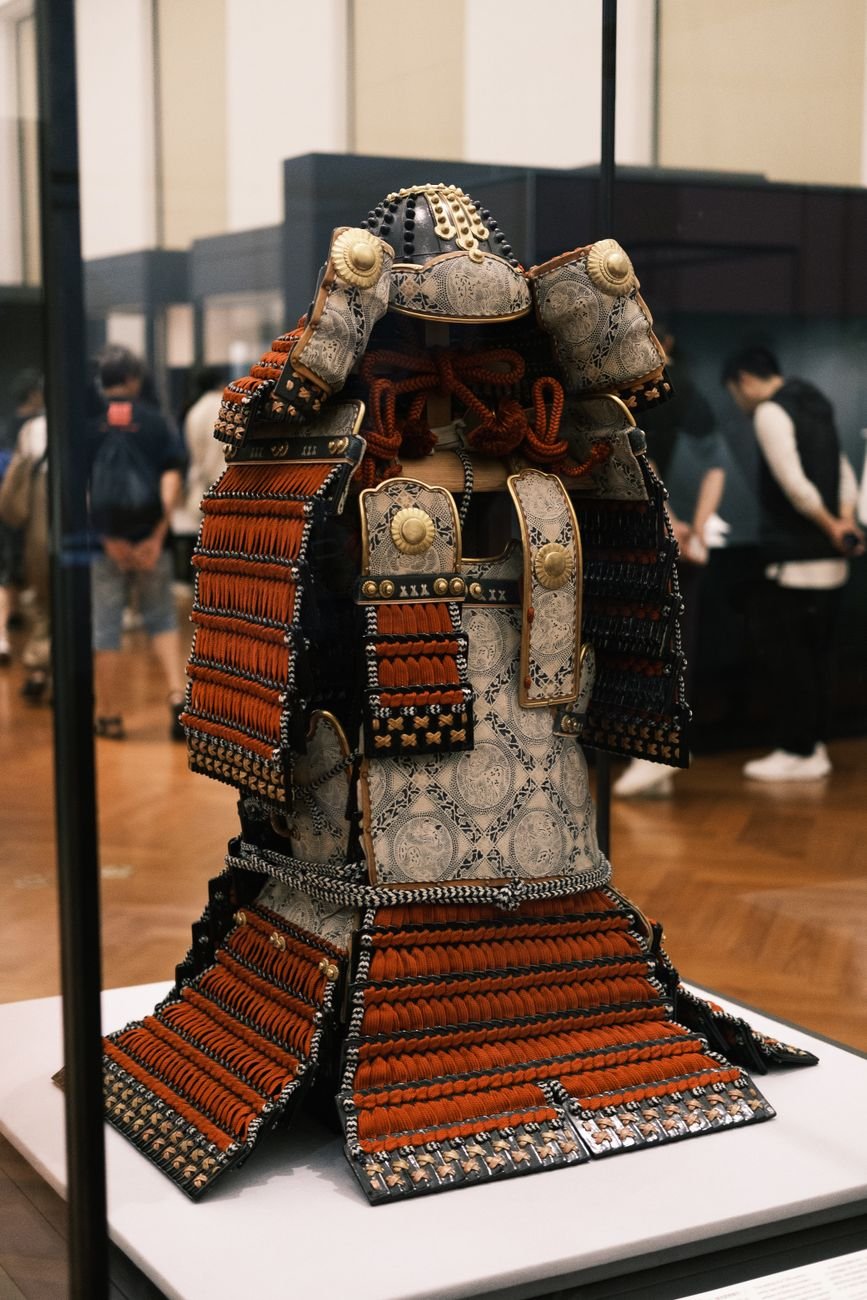
Taira no Masakado was a 10th-century warrior from the Kanto region who, in 939, did something almost nobody in Heian-era Japan dared to do: he rose up against the imperial court in Kyoto and declared himself “Shinno,” the new emperor, of an independent eastern state. It didn’t last. In 940 he was defeated and killed in battle, and according to the chronicles, his head was cut off, packed for transport, and sent all the way to the capital to be displayed as a warning to anyone else who might get similar ideas.
This is where the historical record gives way to legend, and where I have to be careful with the word “fact.” According to local tradition, Masakado’s severed head did not stay quiet. The story goes that after weeks on display in Kyoto, the head’s eyes were still open, its expression furious, and one night it simply flew off, still very much attached to its grudge, heading east in search of its body. It supposedly came down in what was then the fishing village of Shibasaki, in the area we now call Otemachi, and that is where it was buried. A shrine and mound were raised over the spot, and for the better part of the next thousand years, the neighbourhood grew up around it rather than over it.
I want to be clear that I’m recounting a legend here, not a historical event. What is verifiable is the mound itself, its continuous presence at this address for centuries, and the fact that generations of people who had every reason to be rational about real estate chose to keep it standing.
The Twentieth Century Tried to Move It, More Than Once
The story of Masakado Zuka in modern Tokyo is really a story about what happened whenever anyone tried to get rid of it. After the Great Kanto Earthquake of 1923 levelled much of the surrounding area, the Ministry of Finance, which then owned the land, considered flattening the damaged mound to make way for a new building. In the years that followed, several ministry officials connected with the project reportedly died or fell seriously ill. Local accounts of the time linked the deaths to the disturbed mound, and, whether out of genuine belief or simple prudence, the ministry backed off and had the site restored instead.
A second version of the story is often told about the postwar occupation period, when GHQ authorities were reshaping the area and a bulldozer allegedly overturned while attempting to clear the mound, injuring or killing its operator, after which the plan was quietly dropped. I treat this one with even more caution than the 1923 account, since details vary a lot between retellings and I couldn’t find a primary source that satisfied me, but it’s told often enough locally that it’s worth mentioning as part of the mound’s living folklore.
What isn’t folklore is the practical result: the site was never built over. When Otemachi was redeveloped into the dense financial district it is today, Masakado Zuka stayed exactly where it was, now dwarfed by the very banks and trading houses that could have absorbed it into a basement car park decades ago.
A Neighbourhood That Still Keeps the Mound
What struck me most, standing there, wasn’t the legend itself but the evidence of ongoing, present-day care. The mound is maintained by a volunteer association made up of workers and companies from the surrounding office blocks, who arrange for regular cleaning, flowers, and the incense that’s often burning at the small altar. It’s said that some of the neighbouring offices arrange their desks so employees don’t sit with their backs turned to the mound, and that new employees are sometimes given a quiet word about not treating it as a curiosity to mock. I can’t verify how widespread that practice actually is today, but everyone I asked nearby seemed to know the story, which tells you something about how deeply it’s embedded in the area’s culture regardless of whether anyone still fears the consequences.
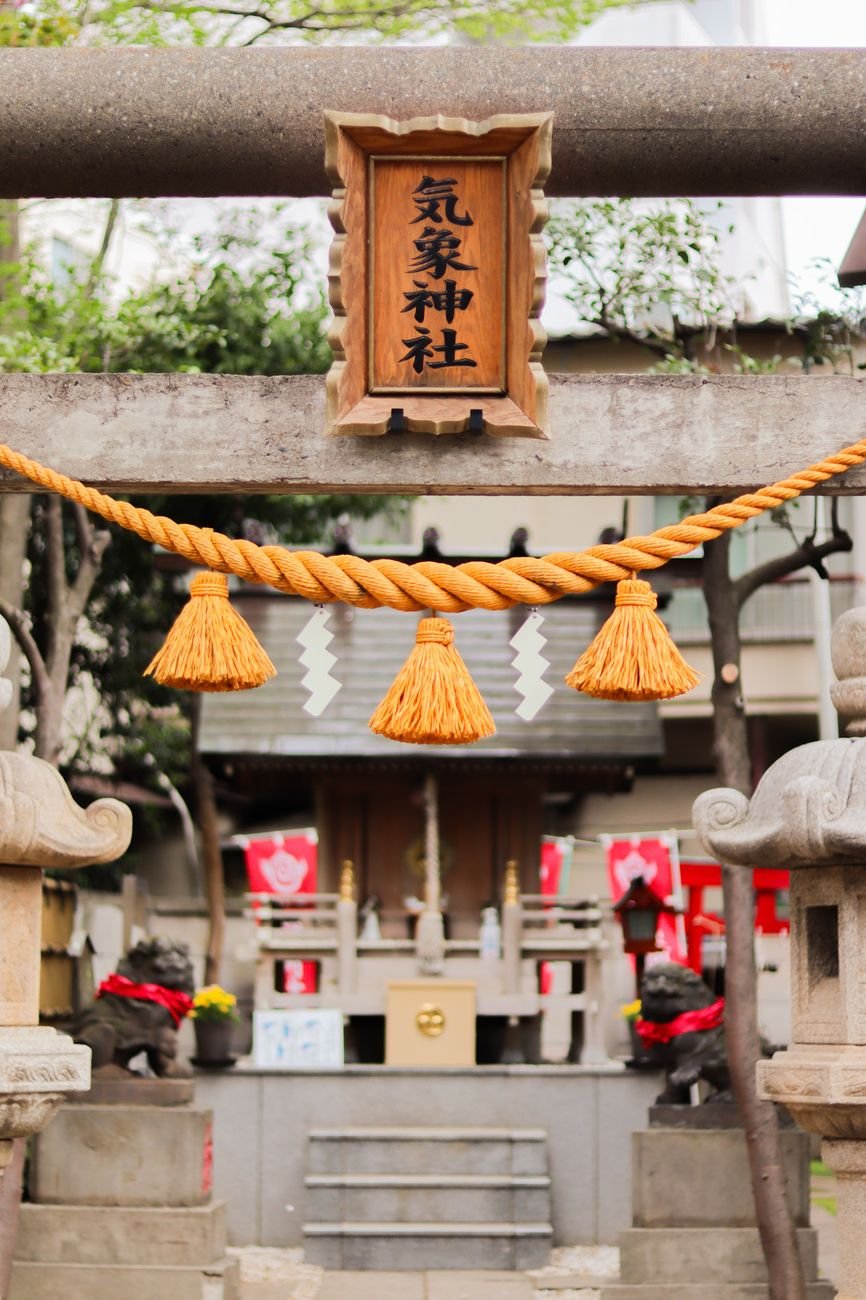
Masakado himself, incidentally, isn’t remembered locally as a villain. He’s also enshrined as one of the deities at Kanda Myojin, a short walk away, where he’s venerated as a guardian spirit of the city rather than a vengeful ghost. That’s a pattern I’ve noticed again and again while covering these stories in Japan: figures who die in defiance or tragedy are often folded into protective, almost sympathetic roles in local belief, rather than being cast simply as monsters to be feared.
Visiting Respectfully
Masakado Zuka is easy to find, a short walk from Otemachi Station, tucked beside the Mitsui Sumitomo Bank headquarters at street level, fully open to the public with no fee and no restricted access. There’s nothing here that requires trespassing or slipping past a barrier, which makes it one of the more straightforward stops if you’re curious about this side of Tokyo. That said, I’d ask you to treat it the way the neighbourhood itself clearly does: this isn’t a photo-op curiosity so much as a maintained memorial that people genuinely tend to, day in and day out, nearly a thousand years after the events it commemorates. Keep your voice down, don’t climb on the stones or the fencing, and if there are fresh offerings or flowers, leave them undisturbed. If you’re there during business hours, remember it sits in the middle of a working office district, so be mindful of the people passing through on their commute. And whatever you make of the ghost stories, it’s worth appreciating the site on its own terms: a thousand-year-old piece of local memory that an entire modern financial district quietly built itself around, rather than over.
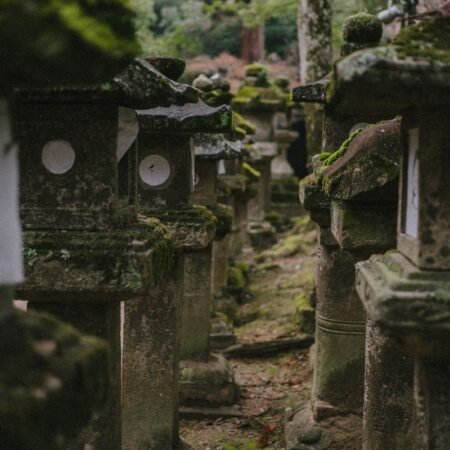
Note: images accompanying this article are illustrative stock photos and do not necessarily show the specific site discussed.



コメント