







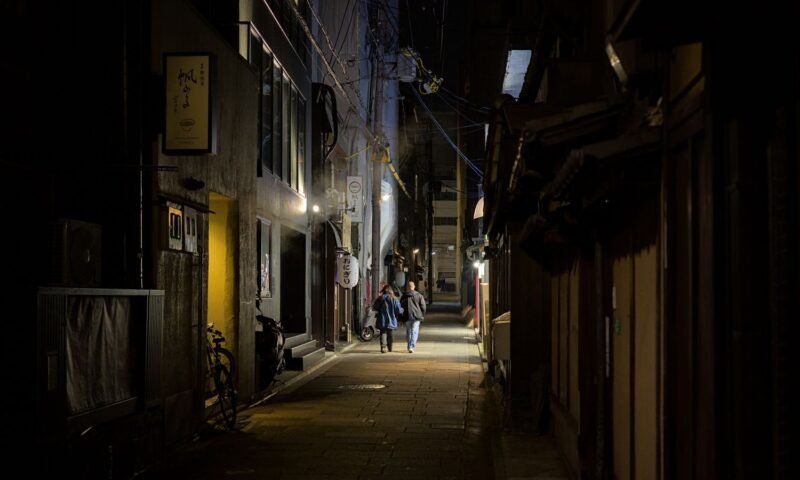
I first heard about her on a February evening in Gifu, of all places, from a colleague who insisted on walking me to the train station even though I knew the route perfectly well. “It’s not for you,” she said, half-laughing. “It’s habit. My mother used to walk me home the same way, because of her.” When I asked who “her” was, my colleague pulled her surgical mask down just far enough to mime a grin stretching from ear to ear. “Kuchisake-onna,” she said. “The slit-mouthed woman. Ask anyone over fifty around here and they’ll tell you exactly where they were in 1979.”
That offhand comment sent me down a rabbit hole that, unlike most of the places I write about in this column, doesn’t have a single gate, shrine, or ruin you can visit. Kuchisake-onna isn’t tied to one haunted building. She’s something stranger: a rumour that, for a few months in the winter of 1978 into 1979, turned entire school districts in Gifu Prefecture, and eventually the whole country, into places where children were afraid to walk home alone.
The Winter the Rumour Took Gifu
According to local reporting from the time, including a piece in the Gifu Nichi Nichi Shinbun in late January 1979, the story had already been circulating among schoolchildren in Gifu Prefecture for some months before it broke into the national press. The details varied slightly from telling to telling, but the shape stayed the same: a tall woman in a surgical mask stops a child on the street and asks a single question. “Am I pretty?” If the child says yes, she pulls down the mask to reveal a mouth slit from ear to ear, then asks again. Say no this time, and the story goes that she doesn’t let you leave.
Within weeks, national magazines including Shukan Asahi and Shukan Shincho had picked up the story, and it stopped being a Gifu problem. Parent-teacher associations in towns with no connection to the original rumour began organising groups of adults to walk children home from school. It’s the detail that struck me most when I first read about it: this wasn’t a story people told for a thrill around a campfire. For a stretch of a few months, it genuinely changed how ordinary families organised their afternoons.
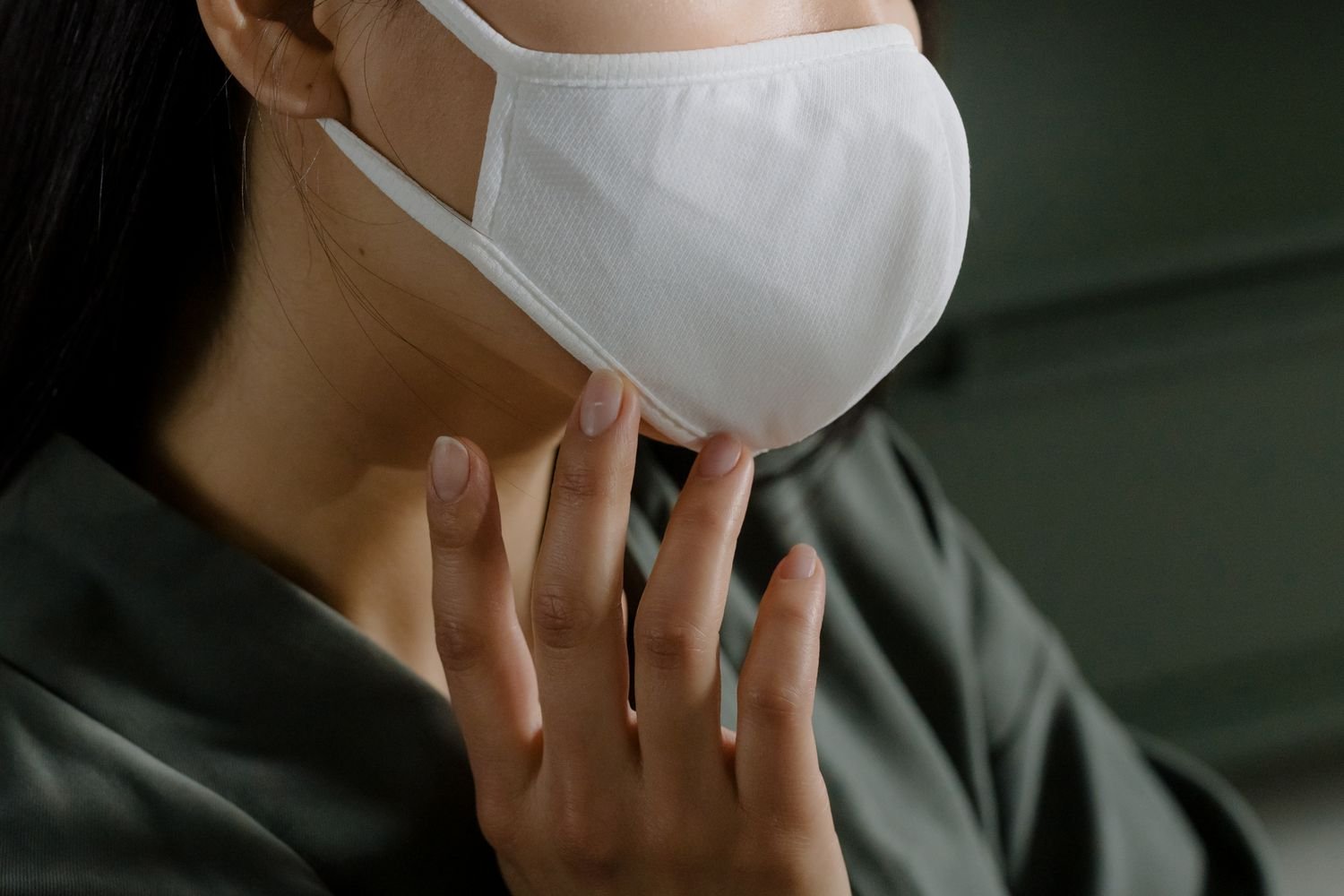
What I find genuinely interesting, rather than just spooky, is how mundane the disguise is. A surgical mask isn’t exotic or frightening on its own here; even now, decades on, it’s just what you wear on a bad pollen day, or when you’ve got a cold and don’t want to pass it on to your co-workers. The legend works precisely because it hides inside something completely unremarkable. You could be standing next to Kuchisake-onna on a train platform any given morning and have no way of knowing.
When Rumour Brought Out the Police
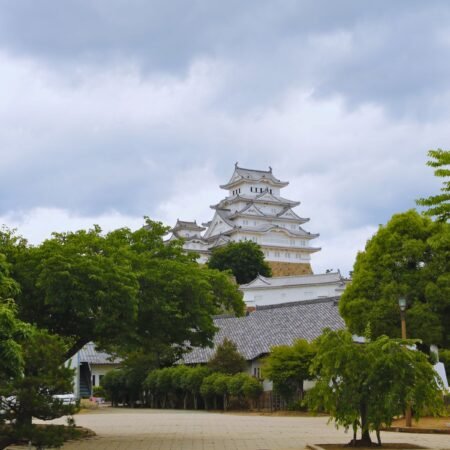
The story didn’t stay confined to nervous schoolchildren swapping tales at lunch. Reports from 1979 describe police units in towns as far apart as Koriyama in Fukushima Prefecture and Hiratsuka in Kanagawa Prefecture being sent out on patrol after children reported sightings, treating what began as folklore as, at minimum, a public-safety question worth taking seriously. That summer, in Himeji, Hyogo Prefecture, a man in his mid-twenties was reportedly arrested for carrying a knife and impersonating the character to frighten passers-by, an unpleasant reminder that a widely known scary story can give a genuinely dangerous person an off-the-shelf script to imitate. No lasting injuries from that incident are recorded in the accounts I could find, and the episode is generally treated by historians of the panic as an opportunistic hoax rather than evidence that the legend was somehow “real.”
Cram schools, or juku, seem to have played an outsized role in spreading the story so fast. Because they pulled children together from different neighbourhoods each evening, they worked as informal transmission hubs for a rumour that might otherwise have stayed local. Add national television and magazines happy to run a sellable scary story, and a Gifu schoolyard rumour had a clear road to becoming a nationwide phenomenon within a single season.
An Older Face Behind the Mask
Folklorists who have looked into Kuchisake-onna generally don’t treat 1978 as the moment she was invented from nothing. Some trace threads back to Edo-period (1603 to 1867) stories about shape-shifting foxes and mysterious women encountered on lonely roads at night, tales in which a beautiful stranger turns out to be something else once you look closely. Whether the 1979 version descends directly from those older stories, or simply echoes the same very human fear of a friendly face hiding a dangerous one, is something researchers still debate.
I don’t think it much matters, for the purposes of understanding why the story caught on, which explanation is correct. What both versions share is the same quiet unease: something ordinary, something you’d walk past without a second glance, might not be what it appears.
Why She Never Really Left
Kuchisake-onna has had smaller revivals since 1979, including a wave of playground rumours in the mid-2000s that briefly worried a new generation of parents, and she shows up regularly in horror films, manga, and video games. I’d put that staying power down to how well the story is built rather than any real disappearances behind it, which as far as I can establish never happened. It has a simple, repeatable script, an ordinary disguise, and a built-in escape clause: reply with something neutral like “average,” or say the word “pomade” three times, and you’re supposed to be able to get away. A good urban legend, like a good ghost story, usually gives its audience both the fear and the way out, and that combination is part of what makes it worth passing on.
Whenever a colleague here brings her up now, whether seriously or as a joke, I notice it’s usually followed by a story about their own childhood: the friend who swore they saw her, the parent who insisted on walking them a different way home for a month. That’s really what I find worth writing about. The specific facts of who started the rumour in Gifu in 1978 are, at this distance, unrecoverable. What survives, and what still says something true about a particular winter, is the shape the fear took and how an entire country responded to it together.
If you’re in Gifu and curious about where all this began, there’s no single site to visit, no gate to photograph. The most respectful way to engage with this one is simply to ask a local of the right age about it over a coffee, the way I did. Treat it as the shared memory it is rather than a game to play on strangers, and please don’t use it to frighten children in the way the original rumour genuinely did. If you’re walking home late anywhere in Japan, the sensible precautions are the same ones that apply anywhere else in the world: stick to well-lit streets, let someone know your route, and trust your own instincts over anyone else’s mask.
Note: images accompanying this article are illustrative stock photos and do not necessarily show the specific site discussed.


コメント