







I found Kinasa the way I find most of the places I end up writing about: by noticing that a name didn’t add up. I was looking at a map of the mountains west of Nagano city, hunting for a trailhead near Togakushi, when I spotted a valley labelled 鬼無里 — “Kinasa.” The characters are blunt about it. Oni is demon. Na is “without.” Sato is village. Put together, plainly: the village with no demons.
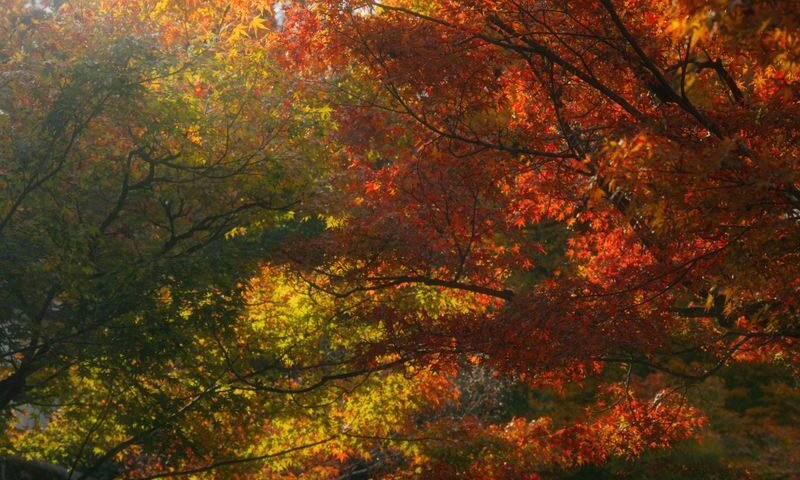
No one names a place “no demons” unless, at some point, somebody felt the need to say so out loud. A valley doesn’t advertise an absence unless the presence was once worth mentioning. So I went, on a Saturday in late October, when the maple leaves on the mountainsides around Nagano were doing their best impression of the thing this whole story turns out to be about.
A Demon Named After the Autumn Leaves
According to the account kept by Nagano City’s own local history museum in Kinasa, the story goes back more than a thousand years. A noblewoman — cultured, accomplished, and exiled from the capital — settled in these mountains and taught the locals the refined customs of Kyoto. Over time, so the legend holds, she grew bitter about her exile, gathered a following, and turned her attention back toward the capital she’d been cast out of. Kyoto, alarmed, branded her a kijo — a demon woman — and dispatched the imperial general Taira no Koremochi to put an end to her. After a fierce fight, he did. The valley, the museum’s account says, took its present name afterward: the place where there are no longer any demons.
Her name, in this version of events, was Momiji. It’s a detail I didn’t expect to like as much as I did, because momiji is also the ordinary Japanese word for the maple leaves turning red and gold on every slope around the valley that afternoon. Whether the name came first and the woman was built around it, or the other way round, nobody can really say — and that, more than anything else, is the actual mystery here.
The story has a long literary afterlife. A Noh play called Momijigari (“Maple Viewing”), attributed to the Muromachi-era playwright Kanze Nobumitsu, dramatized the tale centuries before anyone wrote down a detailed biography for its demon. That detailed version — her exile, her rage, her followers — appears to have been fixed into something like its current form only in 1886, in a Meiji-era account compiled long after the fact. Local folklore research on the oldest layers of the Togakushi mountain legends suggests the earliest tellings didn’t include a specific female demon at all. The closer you look, the more the “history” behind this haunting turns out to be closer in age to the Meiji Constitution than to the Heian court it claims to describe — a thousand years of silence, then suddenly, in one book, a fully formed villain.
The Valley’s Own Proof
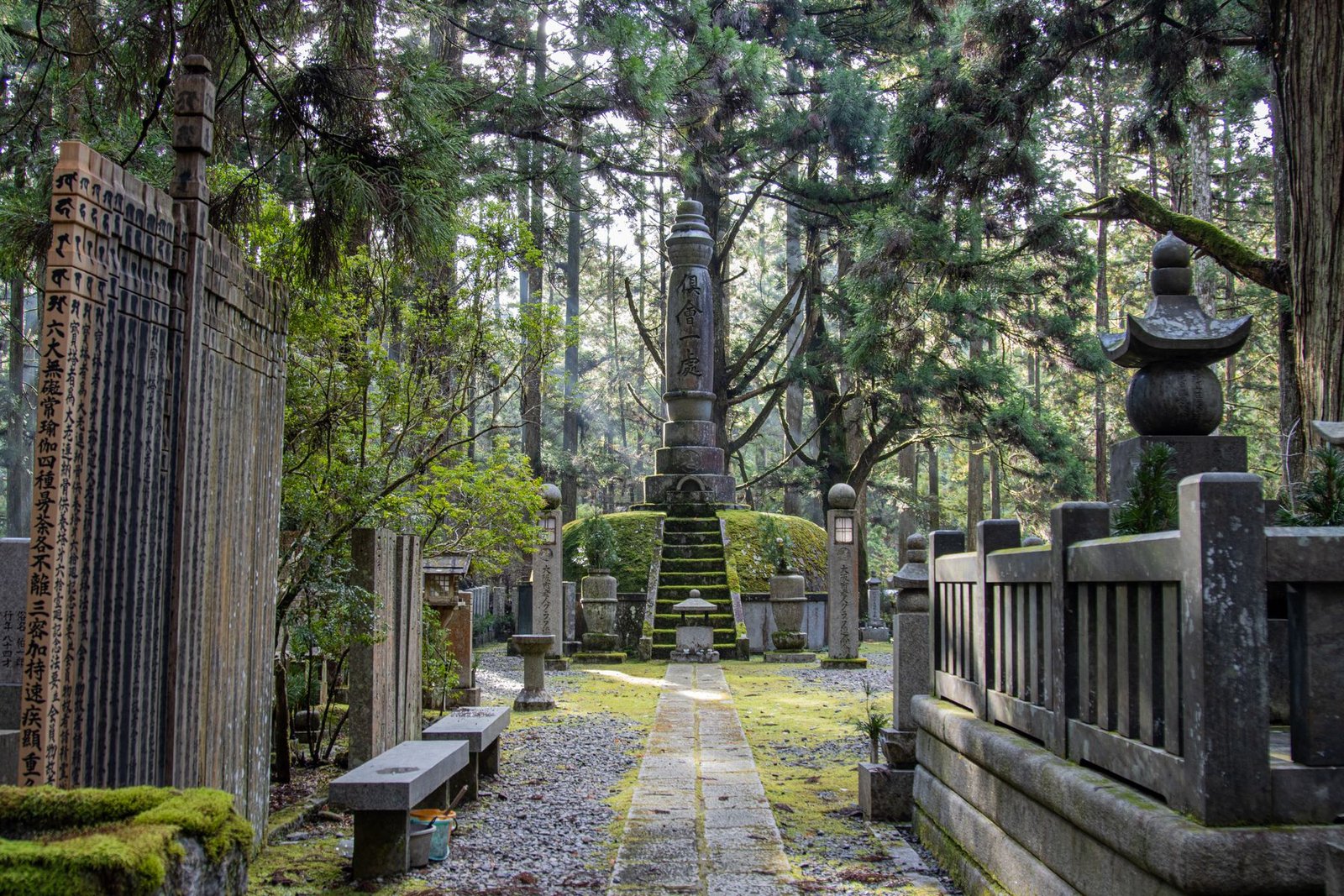
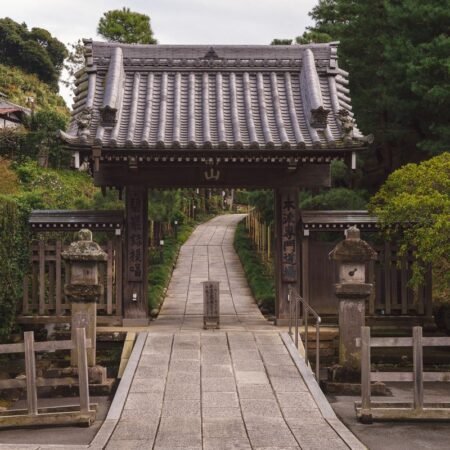
Kinasa doesn’t just tell the story; it keeps the evidence, or at least says it does. Shōganji, a working Buddhist temple in the village, is identified by the city’s own folklore museum as the place where Momiji is said to lie in her grave, and the temple holds a carved guardian image tied to her story. A short distance away, Shirahige Shrine marks the spot where General Koremochi is said to have prayed for victory before the battle that ended her. I want to be careful here, the way I try to be with all of these places: this is tradition, denshō, not a verified historical record. What’s certain is only that the village has, for a very long time, pointed to these two specific spots and said: this is where it happened.
A Second Valley, a Second Ending
What I didn’t expect, until I started asking around, is that Kinasa isn’t the only place claiming a piece of this story. Cross the ridge into the Togakushi area, and the same legend plays out across a different set of monuments. Yahon Shrine marks the spot where Koremochi is said to have loosed the decisive arrow, beside a stone locals call the “bracing stone,” where he’s said to have planted his feet to take the shot. A burial mound known as Oni-zuka, topped with an old stone memorial tower, is pointed to there as Momiji’s actual grave — a second grave for the same woman, an hour’s drive from the first. A stone marker at another local shrine records the Koremochi connection directly, and a memorial tablet at a nearby temple enshrines Momiji and the man who killed her side by side — the closest thing to an apology a legend can offer. Higher up, on Mount Arakura, a cave known locally as Momiji’s lair is reachable only on a guided trek arranged through the local tourism association, not somewhere to wander into alone.
Two valleys, each with a grave, a shrine, and a straight face. I don’t think either one is lying. This is what a very old, very good story does to a landscape over enough centuries: every community it passes through wants to keep a piece, and eventually the piece becomes a stone, a mound, a temple record. The demon may never have been a specific person at all. The mountains, clearly, decided she was real enough to bury twice.
What Was Actually Standing There
I spent longer at Shōganji than I’d planned to. It’s a small, working temple, not a tourist attraction — somebody was raking the courtyard when I arrived, and the maples overhead were dropping color across the old stones a little at a time. It didn’t feel haunted. It felt tended. That’s a strange thing to say about a demon’s grave, but whatever Momiji was or wasn’t, the people here have spent a thousand years treating the story as something worth keeping in good order, rather than something to fear.
If you go, go in autumn, if you can time it. The valley earns its name twice over then.
Visiting Manners and Safety
Shōganji and Shirahige Shrine are active places of worship in a small residential village, not stage sets. Keep your voice down, be restrained about photographing graves and altars up close, and remember that the families living in Kinasa and Togakushi share their everyday lives with this story rather than performing it for visitors. If you want to see the cave on Mount Arakura, book a proper guide through the local tourism association rather than hunting for the trail yourself — the mountain is steep, the path is unmarked in places, and mobile signal is unreliable once you’re off the main roads. Dress for genuine mountain conditions even on a day trip, check the season before you go since some routes close over winter, and let someone know your plan. And treat every version of this story, in whichever valley tells it, as exactly what it presents itself as: a very old legend, not a police report.
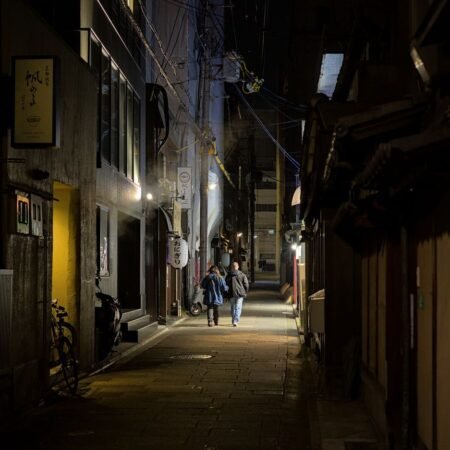
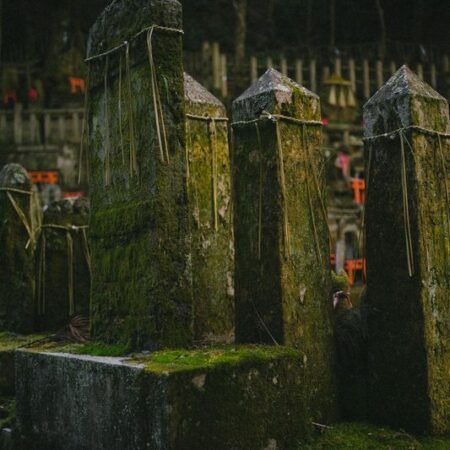
Note: images accompanying this article are illustrative stock photos and do not necessarily show the specific site discussed.
コメント