





I almost didn’t make it off the bus. I was sitting by the window somewhere outside Toyota City, half-asleep after an early train from Nagoya, when the hillside outside suddenly went red. Not autumn-y, not “pretty leaves” red — actually red, like someone had draped the whole valley in silk. I was so startled I missed my stop and had to walk back ten minutes along the river. That was my introduction to Korankei, and five years into living in Japan, it’s still the most dramatic color I’ve seen a season pull off.
Korankei is a gorge along the Tomoe River in Toyota City, Aichi Prefecture — yes, the same Toyota as the car company, though the gorge itself feels like it belongs to a completely different century. The story goes that back in 1634, a Buddhist priest named Sanshun planted the first maple saplings around Kojakuji Temple at the top of the valley, and people just kept adding more over the next four hundred years. Today there are something like 4,000 maple trees packed into this one narrow valley, which is either a wonderful bit of long-term community gardening or proof that one monk can start something he never gets to see finished.
Finding the Red Bridge
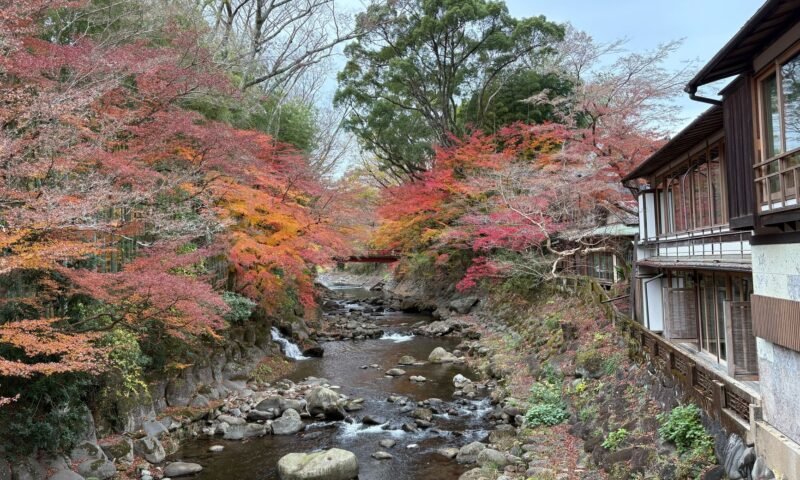
Everyone’s photo of Korankei looks the same, and for good reason: it’s almost always taken from or near Taigetsukyo, the wooden bridge that arches over the river right in the middle of the gorge. “Taigetsukyo” means something like “bridge for waiting on the moon,” which is a lovely name for a structure that, in mid-November, you will absolutely not have to yourself. I got there around 1pm on a Saturday and the bridge was shoulder to shoulder with people angling phones over the railing, all of us pointing at the same curve of river where the maples lean in from both banks and the water underneath turns the color of them.
Honestly, the crowd didn’t bother me as much as I expected. There’s something nice about everyone being stopped in their tracks by the same view. I ended up chatting with an older couple from Gifu who come every year “just for this bridge,” and a woman next to me who’d driven down from Nagano specifically because her coworker wouldn’t stop talking about it. Korankei has that effect on people — it’s the kind of place that gets talked about.
Walking Up to Kojakuji
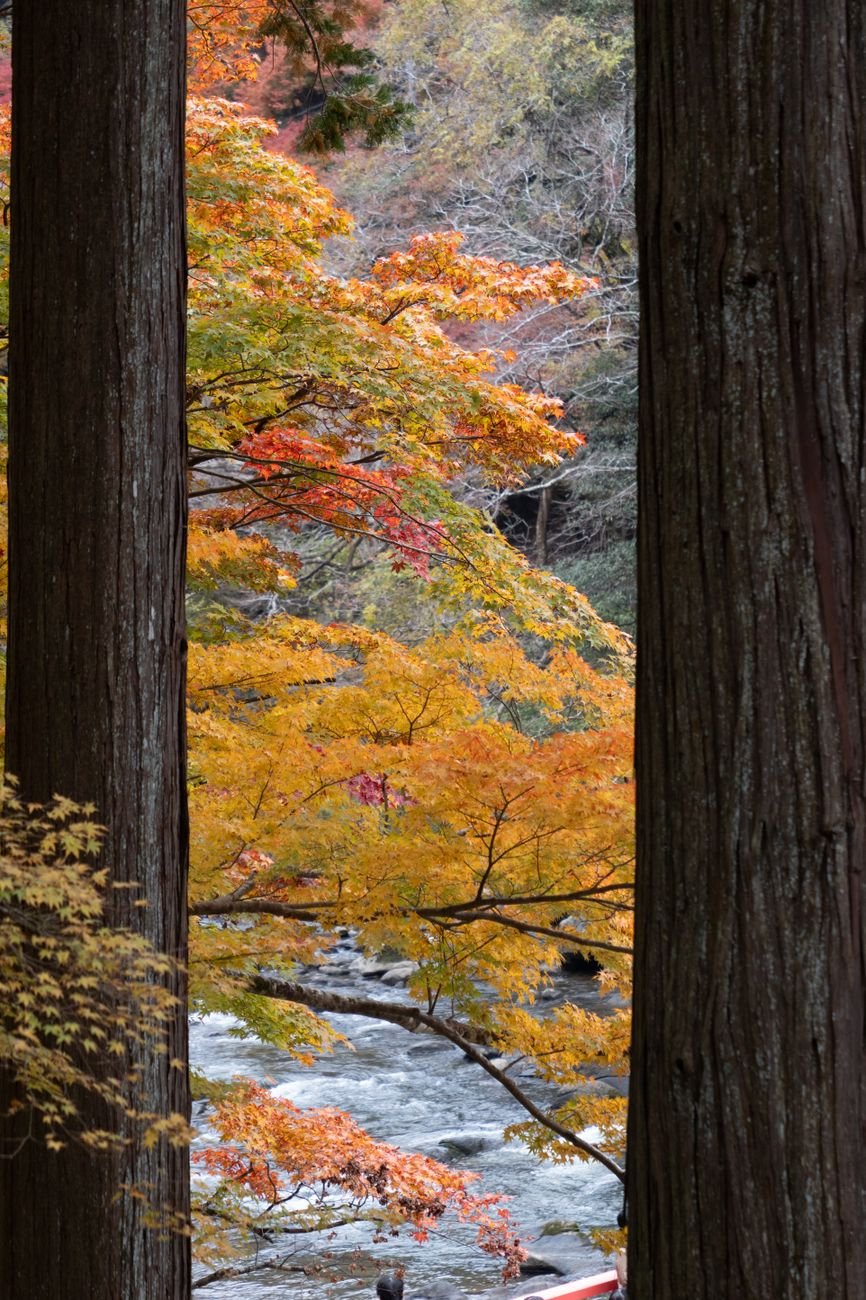
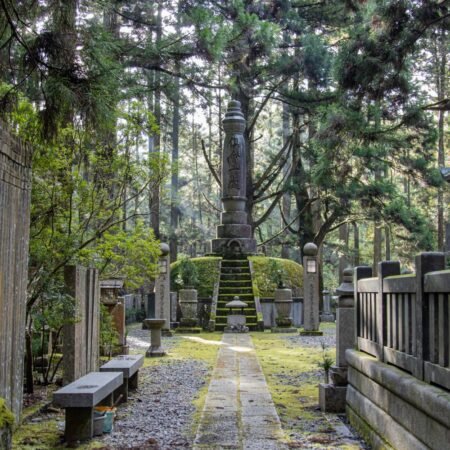
If you only do the bridge and turn around, you’re missing the better half of Korankei. The path climbs up through the valley toward Kojakuji Temple, the same temple whose priest started this whole four-century maple project, and the higher you go, the quieter and more golden-green-orange the light gets, filtered through so many overlapping leaves that the air itself looks tinted. It’s maybe a twenty-minute walk at an easy pace, past stone lanterns and smaller side paths that most of the bridge crowd never bothers with.
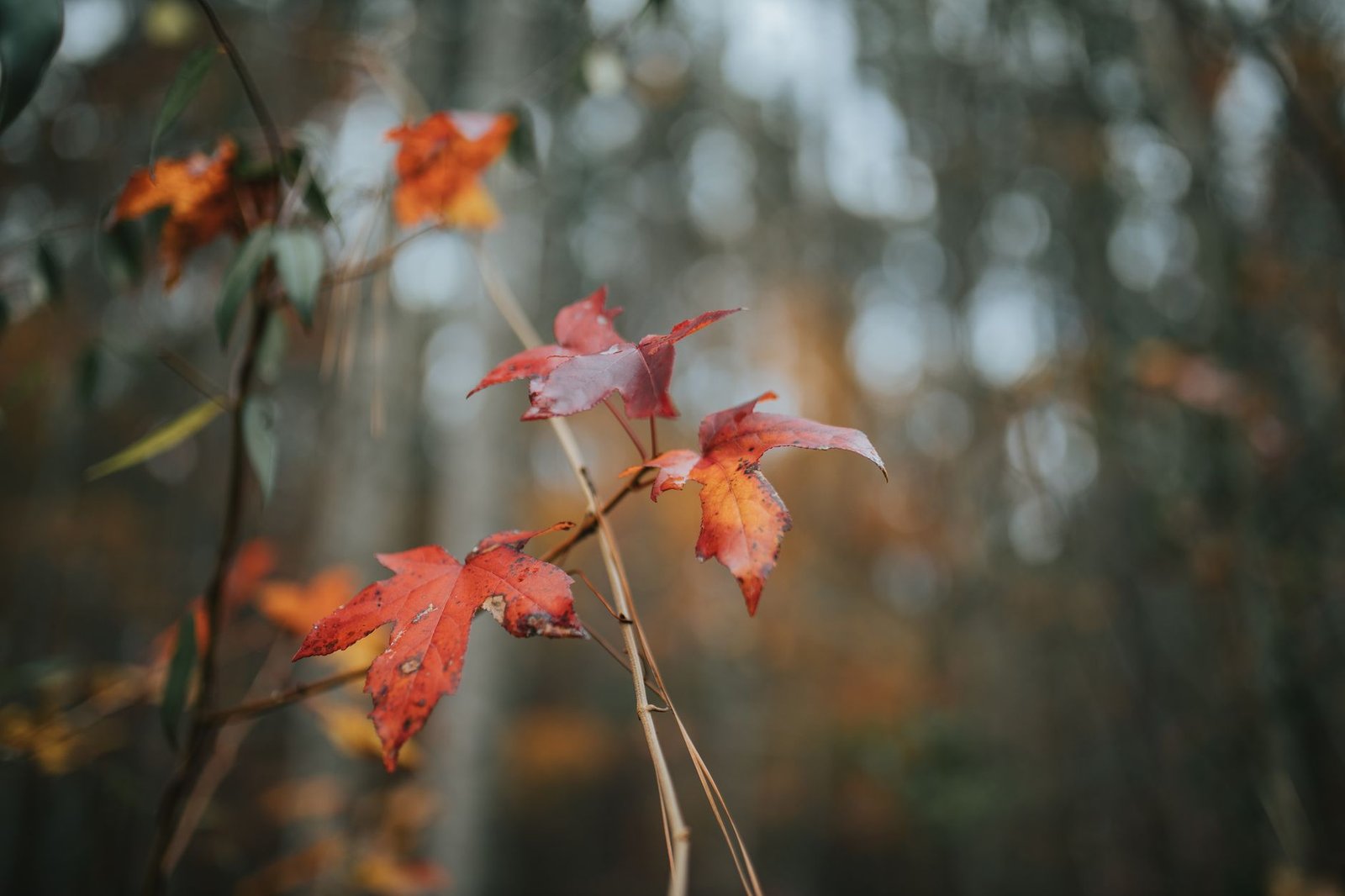
I’m not going to pretend I’m a maple expert, but even I could tell the color wasn’t uniform — some trees were still green, some were deep crimson, some were this in-between orange that looked almost lit from inside. Apparently that’s part of the appeal of Korankei specifically: because there are so many trees of different ages and varieties planted over hundreds of years, the color doesn’t peak all at once, so there’s a longer window where some part of the gorge is at its best.
Near the top, Kojakuji itself is small and unfussy compared to some of the famous temples I’ve visited elsewhere in Japan, and I liked that about it. It doesn’t try to compete with the trees. You sit on the steps, you look back down the valley at the colors you just walked through, and you understand why someone four hundred years ago thought this hillside was worth planting.
The Momiji Matsuri, Gohei Mochi, and Getting There
Korankei’s autumn leaves festival, the Momiji Matsuri, runs through most of November, and once the sun starts going down, the whole gorge switches personality completely. There are evening illuminations — Taigetsukyo and the trees around it lit up from below, the river reflecting everything twice — and the crowd somehow gets bigger instead of smaller. If you can manage it, I’d actually recommend doing both: see the colors honestly in daylight, then come back after dark for the show, even if that means a longer day.
Whatever time you go, budget time for gohei mochi. It’s a local specialty — a flattened skewer of rice pounded into a sort of dense, chewy cake, grilled over charcoal, then brushed with a sweet-savory miso or soy glaze that caramelizes slightly at the edges. There are stalls selling it all along the main path near the bridge, and after walking up and down the gorge, hot gohei mochi eaten standing by the river is close to perfect. The nearby town of Asuke, an old post town with wooden merchant buildings, is also worth a short detour if you have an extra hour and want a quieter contrast to the festival crowds.
Getting there from Nagoya is straightforward but takes a bit of patience: take the Meitetsu line to Toyota-shi Station, then transfer to a bus bound for Korankei, which takes another thirty to forty minutes depending on traffic — and during peak leaf season, there is traffic. If you’re driving, know that parking near the gorge fills up early on weekends, so arriving before mid-morning makes a real difference.
Worth the Detour
Korankei isn’t a place I’d necessarily have found on my own if a friend hadn’t insisted on it, and I think that’s true for a lot of visitors — it’s not Kyoto, it doesn’t have centuries of temples competing for your attention, it’s just one valley that one priest decided to fill with maple trees a very long time ago. But standing on that bridge with a few hundred strangers, all of us staring up at the same red hillside, I understood the fuss immediately. Some places earn their reputation one photo at a time. Korankei earns it one tree at a time, four thousand times over.
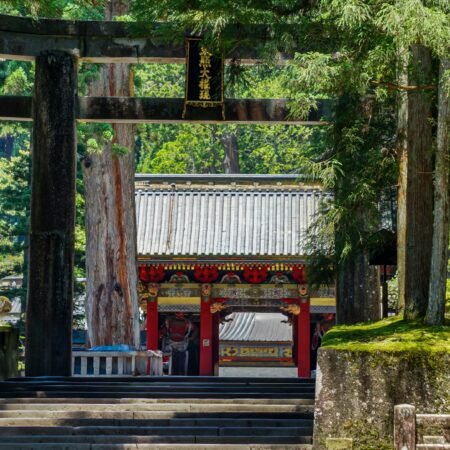
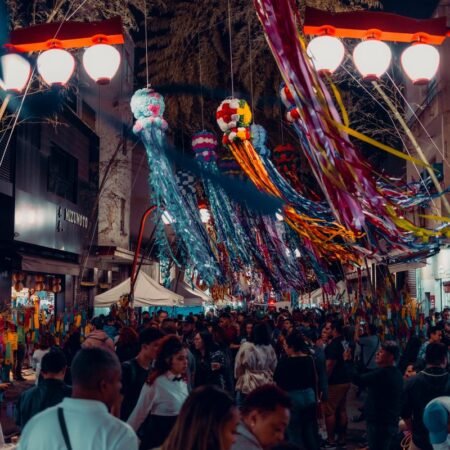
A quick note on photos: some of the images here are stock photos I’ve used to set the mood — they may not be the exact spot or moment I’m describing, just close in spirit.

コメント