





There is a stretch of Nagatacho, not far from the Diet building, where the streetlights seem to dim a little earlier than they should. I was walking back from a late dinner a few years ago, cutting through the government district the way you do when you’ve lived somewhere long enough to stop fearing shortcuts, when I found myself outside the high walls and security boxes of the Japanese Prime Minister’s official residence. The windows above the wall were dark. A police officer stood very still at the gate, breath fogging in the cold. I remember thinking it looked less like the home of the most powerful person in the country and more like a building everyone was trying to avoid going inside.
It turns out that impression wasn’t far off. For most of the last two decades, Japan’s Kantei — the official residence, not the office next door where the actual governing happens — has had a curious habit of sitting empty. Prime Minister after prime minister has found reasons to sleep elsewhere, and the reason whispered in Tokyo taxis and tabloids alike is always the same one: the place is supposed to be haunted.
A House Built on Two Coups
The residence itself isn’t old by Kyoto standards, but it has seen more political violence than almost any other building in Japan. The original stone-and-brick mansion was completed in 1929, reportedly inspired by Frank Lloyd Wright’s old Imperial Hotel across town, and it was barely three years old when history came knocking.
On May 15, 1932, a group of young naval officers forced their way in and shot Prime Minister Tsuyoshi Inukai inside his own residence, part of a wider attempt to install a military dictatorship. Inukai reportedly tried to reason with his attackers before he was killed; the men responsible received surprisingly light sentences, a detail that still unsettles historians more than the killing itself.
Four years later, on February 26, 1936, a faction of renegade army officers struck again, this time storming the residence in an attempted coup aimed at Prime Minister Keisuke Okada. Okada survived by hiding in a closet while the intruders searched the building. His brother-in-law was not so lucky. By most accounts, six people died in the residence that morning. A single bullet hole from that attack has reportedly been preserved near the main entrance ever since, a small, deliberate scar on an otherwise unremarkable wall.
I want to be careful here, because it is easy to let the drama of 1932 and 1936 slide into spectacle. These were real political killings, not campfire stories, and the people who died were doing a difficult and dangerous job almost a century ago. What follows — the ghosts, the ceremonies, the jokes on camera — sits on top of that history rather than replacing it.
The Ghosts the Tabloids Won’t Let Go
The haunting itself is, strictly speaking, hearsay — the kind that spreads because the source keeps being people you’d expect to know better. According to a 1996 memoir, the wife of then-Prime Minister Tsutomu Hata wrote that she felt an oppressive presence during their time in the residence and said she saw figures in old military uniforms standing in the garden at night. Former Prime Minister Yoshiro Mori is said to have told Shinzo Abe, somewhat less formally, that he’d seen strange apparitions in the building himself.
None of this is the sort of thing officials tend to put their name to on the record, and I’d treat the specifics the same way I treat any good local ghost story: as something sincerely felt by the person telling it, not as settled fact. But the rumor took on a life of its own regardless. During his first, short term as prime minister in 2013, Abe reportedly joked to reporters that he wouldn’t be moving back into the Nagatacho residence “because there are ghosts,” choosing his private home in Shibuya instead. An urban legend grew up around the pattern: prime ministers who stayed at the residence, the story goes, tended not to last long in office, with several administrations in a row ending within eighteen months of moving in. It’s the kind of superstition that’s easy to dismiss and oddly hard to shake once you’ve heard the list of names attached to it.
There are also persistent rumors, impossible to confirm, that Junichiro Koizumi quietly arranged a private Shinto purification ceremony before moving out of the residence during renovations in the early 2000s — the kind of precaution that is common enough in Japanese construction generally that it proves very little on its own, except perhaps that nobody wanted to take any chances.
Someone Finally Stays the Night
Whatever you make of the ghosts, the residence’s recent occupancy record tells its own story. The old building was left completely unoccupied from 2012 to 2021, through the terms of both Shinzo Abe’s second stint and Yoshihide Suga, neither of whom chose to live there. Fumio Kishida became the first prime minister in nearly a decade to actually move in, and later said he’d slept soundly with no sign of anything unusual. His successor, Shigeru Ishiba, said much the same — that he wasn’t troubled by talk of ghosts.
In late December 2025, Sanae Takaichi, Japan’s first female prime minister, became the latest to take up residence, transferring in more than two months after taking office. News coverage of the move leaned, inevitably, on the haunted reputation as much as on the policy agenda, though Takaichi herself doesn’t appear to have commented on the ghosts one way or the other — by most accounts, between earthquake response meetings and a self-described habit of sleeping only two to four hours a night, she has had rather more pressing things on her mind.
What strikes me most, walking past that same stretch of wall again recently, isn’t whether anything otherworldly actually lingers in the Kantei’s corridors. It’s that a government has, more or less by accident, let a building’s reputation shape where its most powerful official chooses to sleep for the better part of two decades. Grief and violence leave a mark on a place whether or not you believe in restless spirits, and sometimes a strange story is simply the easiest way a culture finds to keep talking about a history it hasn’t fully put down.
The Kantei isn’t a tourist attraction, and that’s worth being blunt about: it is an active, heavily guarded seat of government, not a historic site with a ticket booth. If you’re in Nagatacho and curious, the respectful thing to do is exactly what I did — glance at it from the public street, keep walking, and not linger at the gates, photograph the security posts up close, or try to get a better look over the walls. The police on duty there are doing a serious job, and treating the building’s past, and the people who died there, with basic respect matters a great deal more than getting a good photo.
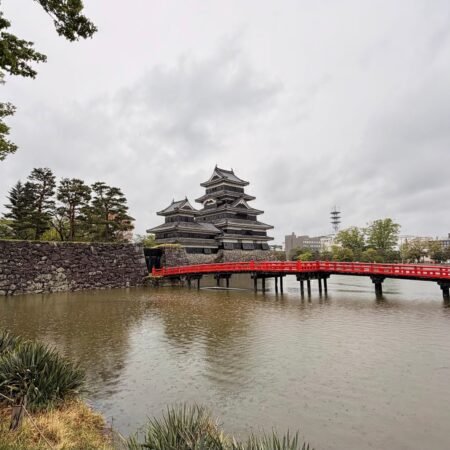
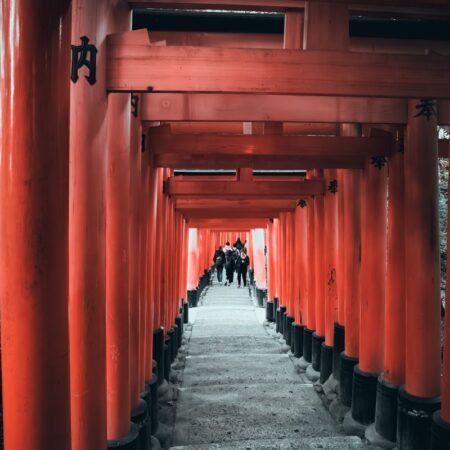
Note: images accompanying this article are illustrative stock photos and do not necessarily show the specific site discussed.

コメント