








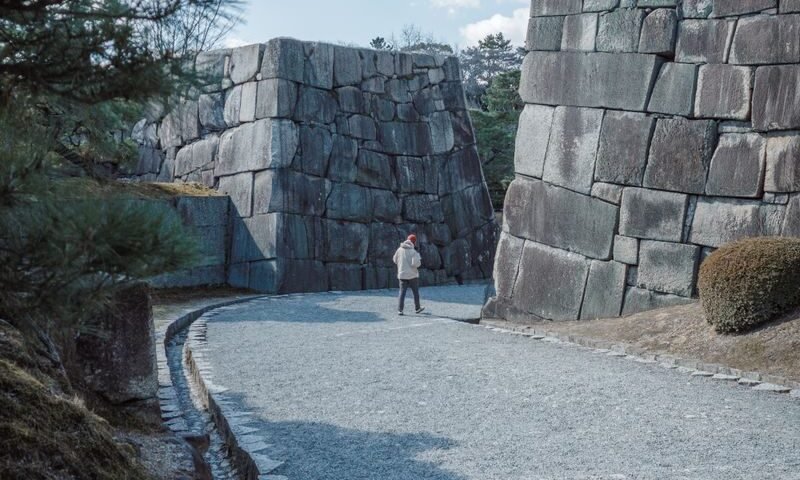
The bus only runs on weekends, which is how I ended up walking the last stretch to Hachiōji Castle on a weekday afternoon, boots crunching on a road with no other footsteps on it. Takao Station was twenty minutes behind me, the trailhead sign was ahead, and somewhere up the mountain was a stone gate that hadn’t opened for a living lord in over four hundred years. I’d read about this place for months before I finally went — not because I doubted the history, but because I wanted to understand why, of all the ruined castles in the Kanto region, this particular one keeps coming up in conversations about Tokyo’s most unsettling places.
By the time I reached the ruins themselves, the afternoon light was doing that thing it does in cedar forests, turning green and thin and slightly unreliable. I understood the reputation a little better after that.
A Mountain Fortress Built for War
Hachiōji Castle was the stronghold of Hōjō Ujiteru, a regional lord and one of the sons of the powerful Late Hōjō clan that controlled much of the Kanto plain in the sixteenth century. Construction began in the 1570s, prompted by an earlier raid from the rival Takeda clan that had exposed the weaknesses of Ujiteru’s previous base. What he built in response was a proper mountain fortress: a sprawling complex of baileys, stone retaining walls, and a residential palace tucked into the folds of what is now Mount Fukasawa, on the western edge of present-day Hachiōji City in Tokyo.
It was, by the standards of the time, a serious piece of military engineering. It was also, in the end, not nearly enough.
The Day the Castle Fell
In 1590, Toyotomi Hideyoshi launched the campaign that would finally unify Japan under his rule, and the Hōjō clan’s territory stood directly in his path. While Ujiteru himself was away, trying to help relieve the main Hōjō stronghold at Odawara, Hachiōji Castle was left in the hands of a garrison of roughly 1,300 people. On the 23rd of June, a force of some 15,000 troops under commanders Maeda Toshiie and Uesugi Kagekatsu attacked. The castle fell in a single day.
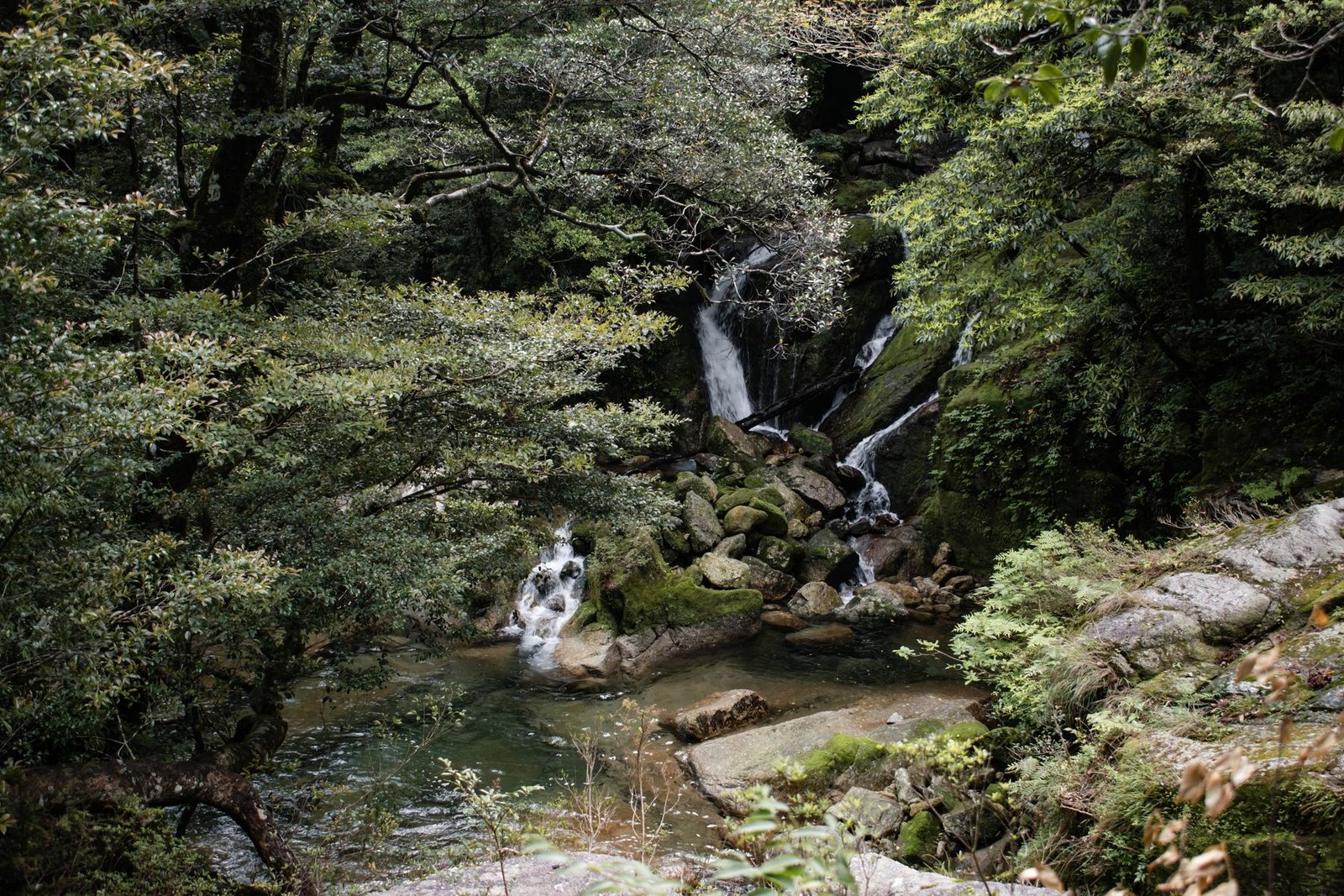
What makes Hachiōji different from a lot of the era’s sieges isn’t the scale — plenty of Sengoku-period battles were bloodier — it’s the intimacy of what’s said to have happened at the end. According to local tradition, as the outer defenses collapsed, a number of women connected to the castle’s residents chose to take their own lives near a waterfall within the castle grounds rather than be captured. That waterfall is known today as Goshuden-no-taki, the Falls of the Lord’s Residence, and it’s the emotional center of nearly every story told about this place. I want to be careful here: these are centuries-old accounts passed down through local history and temple records, not a modern tragedy with people who can be named or identified, and I think that distinction matters. What happened at Hachiōji deserves to be treated with the same gravity as any other mass loss of life in wartime, not repackaged as cheap thrill content.
The Stories That Have Grown Around the Falls
Whatever actually happened at Goshuden-no-taki in 1590, the site has carried a heavy reputation ever since, and the ghost stories that circulate about it today are numerous and, frankly, a little repetitive in the way folklore often is. Locals and paranormal enthusiasts describe hearing what sound like distant war cries or the clash of swords, particularly on misty evenings or during the Obon season, when tradition holds that spirits return to the world of the living. There are accounts, mostly dating back generations, of figures in old-style armor seen moving through the ruins at dusk, said to still be patrolling a castle that no longer exists. Some visitors report strange lights near the old main keep.
I want to be honest about how I read these stories: as folklore, not fact. The phrase locals reliably use is something closer to “denshō” — a handed-down tale — and I think that’s the right frame for a visitor to hold onto as well. What I find more interesting than whether the lights are real is why this particular story has stuck so persistently to this particular hillside for four centuries. Some historians of Japanese folklore have suggested that ghost stories at sites of mass wartime death function as a kind of informal memorial, a way for a community to keep processing an old grief without having to say the word “grief” directly. Whether or not you believe anything walks those trails after dark, that explanation has always felt truer to me than any single sighting.
Visiting the Ruins Today
Hachiōji Castle is a designated National Historic Site and a genuinely worthwhile stop if you’re already in the Takao area, which is far better known for its hiking than its hauntings. The ruins are reachable by a short bus ride from JR Takao Station (weekends and holidays only — a taxi covers the same ground in about ten to fifteen minutes on weekdays), or by a longer walk if, like me, you enjoy having time to think on the way in. The park itself is open around the clock and free to enter, though the small guidance facility and the seasonal teahouse near the entrance keep more conventional daytime hours.
Reconstructed sections near the entrance, including a stone bridge and part of the lord’s residential compound, give a good sense of the castle’s original scale, and the climb up to the main keep is a genuine mountain hike rather than a stroll — sturdy footwear and a bit of daylight planning are not optional extras.
A Final Word on Visiting Respectfully
If you do go, I’d ask you to think of Hachiōji less as a haunted attraction and more as what it actually is: a war grave that happens to also be a very beautiful forest. Stay on the marked trails, both for your own safety on what is genuine mountain terrain and out of basic respect for a site where a lot of people died. Don’t go looking for the ruins after dark by yourself; the paths are unlit, the drops near the falls are real, and getting an ankle injury alone on a mountainside is a far more likely outcome than anything supernatural. If you visit around Obon or leave anything at the small memorial markers on site, treat them the way you would any other place of mourning. The ghosts, if they’re there at all, have had four hundred years of people tramping through their home. The least we can do is be quiet about it.
Note: images accompanying this article are illustrative stock photos and do not necessarily show the specific site discussed.
コメント