





I moved to Kyoto during my second year in Japan, and by then I thought I had a decent handle on what a matsuri looked like — taiko drums, paper lanterns, a mikoshi bouncing down the street on the shoulders of guys in happi coats yelling “washoi.” Then a neighbor mentioned, almost in passing, that there was a shrine near her that built its portable shrine out of eggplants. I remember stopping mid-sentence and asking her to repeat that. She wasn’t joking. That’s how I first heard about the Zuiki Matsuri at Kitano Tenmangu, and it’s stayed near the top of my favorite Kyoto festivals ever since.
If you’ve never heard of it, you’re not alone — it doesn’t get nearly the tourist attention that Gion Matsuri or Jidai Matsuri do, even though it happens right in the same city, just a couple weeks after the leaves start turning. Every October 1st through 5th, Kitano Tenmangu Shrine in northwest Kyoto puts on a five-day harvest festival built around a mikoshi that is, quite literally, a work of edible art.
A Shrine Made of Dinner
The centerpiece is the Zuiki Mikoshi, and the name comes from zuiki — the stalks of taro root — which form the roof. That alone would be a neat trick, but the roof is just the beginning. The whole surface of the shrine is covered in dried vegetables and grains: strings of scarlet dried eggplant, dried persimmons, citrus peel, and red peppers hang from the corners like tassels. Wheat and dried greens cover the panels. Somewhere in there you’ll usually find tofu skin used almost like fabric. And the decorative panels on each side aren’t random — artisans arrange the vegetables and seeds into actual pictures, often depicting scenes from folklore or classic stories, entirely out of things you’d otherwise find in a produce aisle.
I went to see the mikoshi up close the first year I lived nearby, before it set off on its procession, and it’s one of those things that photographs never quite prepare you for. Up close you can smell it — a slightly sweet, earthy, dried-vegetable smell that’s completely unlike incense or anything else you associate with a shrine. It’s not trying to look expensive or gilded. It’s proud of being made from dirt-cheap harvest ingredients, and that’s exactly the point.
The tradition goes back roughly a thousand years, tracing to the mid-900s, not long after Kitano Tenmangu itself was founded to enshrine the scholar and statesman Sugawara no Michizane. The festival grew out of a much older custom: farmers and merchants in the area giving thanks for the year’s harvest by decorating a shrine with the very crops they were celebrating. Historically it was the merchants of the nearby Nishijin textile district — Kyoto’s old weaving neighborhood — who took charge of building the mikoshi each year, and in a lot of ways it still feels like a very local, very hands-on festival rather than a big civic spectacle.
Five Days, One Very Patient Shrine
The schedule runs longer than most matsuri I’ve been to, and that’s part of the charm — it’s not a one-afternoon event you rush to see, it’s a slow unfolding over almost a week.
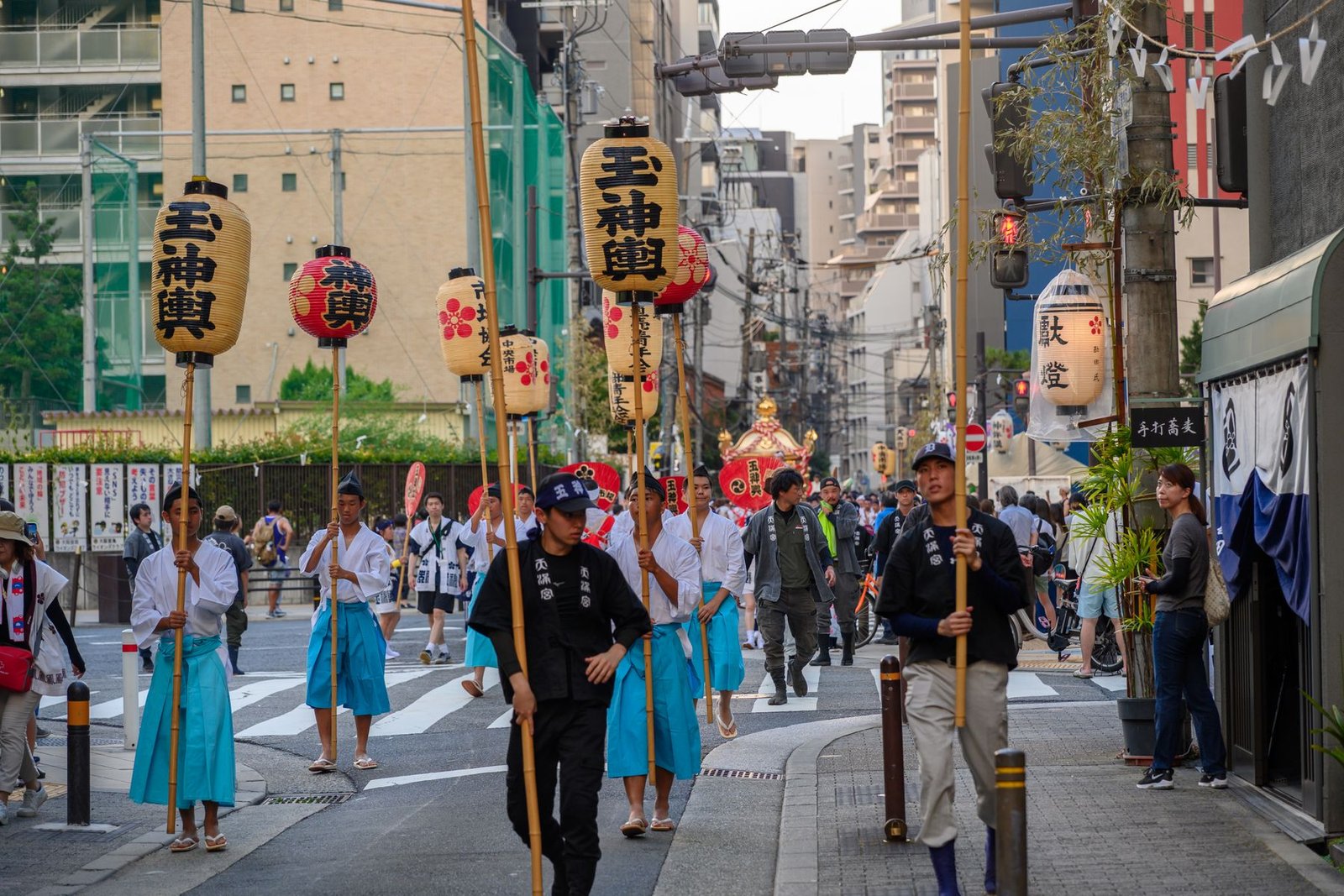
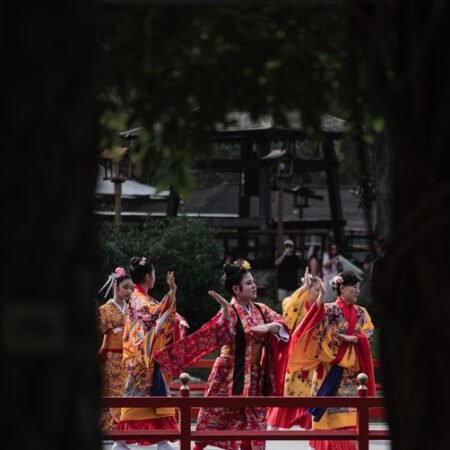
On the first day, there’s a departure ritual in the morning, and by early afternoon the mikoshi and an accompanying ox-drawn cart set off from Kitano Tenmangu on a procession through the neighborhood, eventually arriving at an otabisho — a temporary resting shrine — where they’ll stay for a few days. Later that evening there’s typically a Yaotome dance performance, done by shrine maidens, which is worth timing your visit around if you can.
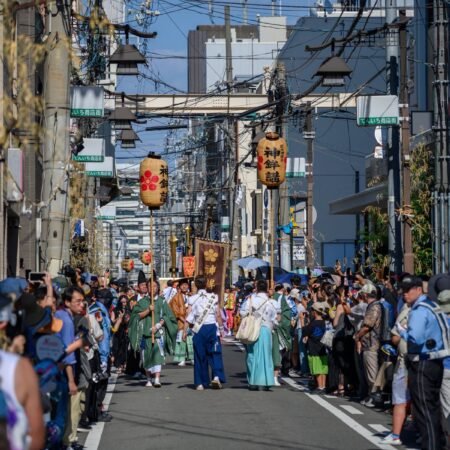
The middle days are quieter — a tea ceremony, ritual offerings — the kind of things that reward you if you happen to be in the neighborhood but that most visitors skip. Then on day four, the whole procession reverses: the mikoshi and ox-cart make their way back toward Kitano Tenmangu, this time passing through Kamishichiken, Kyoto’s oldest geisha district, which is a genuinely beautiful backdrop for a parade — old wooden facades, latticed windows, the occasional maiko peeking out. The return procession arrives back at the shrine by late afternoon, followed by a closing ceremony. The fifth and final day wraps things up with one more ritual and another dance offering.
If you only have time for one day, I’d pick either the outbound procession on day one or the return through Kamishichiken on day four. Both give you the mikoshi in motion, which is honestly the best way to appreciate it — the whole thing sways and rustles as it moves, and you get glimpses of the vegetable panels from different angles as it passes.
Practical Notes From Someone Who’s Gone a Few Times
Kitano Tenmangu is easily reached from central Kyoto — buses run from Kyoto Station and the shrine sits at the base of the hills in the northwest part of the city, not far from Kinkaku-ji if you want to combine the two in one day. Because this isn’t one of Kyoto’s headline-grabbing events, crowds are manageable even along the procession route, which was honestly a relief after wrestling with the crowds at Gion Matsuri in July.
October in Kyoto tends to be pleasant, but afternoons can still be warm and mornings can be surprisingly cool, so I’d layer. If you go for the procession, you’ll be standing and walking for a while, so comfortable shoes matter more than looking cute for photos (trust me, learned that one the hard way).
One thing I always tell friends visiting from the US: don’t treat this like a photo-op-and-leave kind of stop. Slow down enough to actually look at the mikoshi’s panels — the little scenes made from seeds and dried vegetables are the kind of detail you’ll miss entirely if you’re just snapping a photo and moving on. Ask a local nearby what a panel depicts, if you can — I’ve had some of my favorite half-English, half-Japanese conversations doing exactly that.
Kitano Tenmangu is also, of course, dedicated to Michizane, who’s become the patron deity of scholarship in Japan — so if you’re visiting anywhere near exam season, you’ll see students stopping by for good-luck charms alongside the festival crowds. It’s a nice reminder that this shrine has a whole other life outside of one October week.
The Zuiki Matsuri isn’t flashy. It’s not going to end up on a “top 10 festivals in Japan” listicle with a dramatic fire-lit photo. But if you want a glimpse of a festival that’s stayed genuinely local — built by neighborhood merchants, celebrating an ordinary harvest, in a shrine most tour groups skip right past — I think it might be one of the most quietly wonderful things Kyoto does all year.
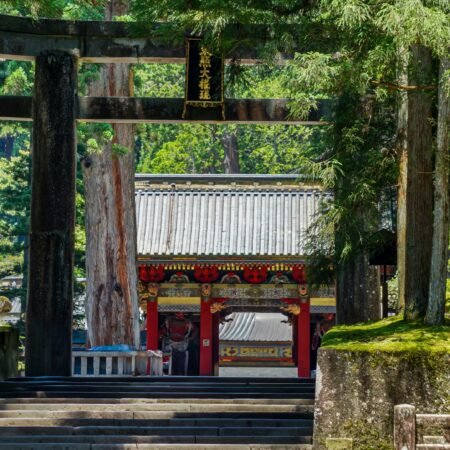
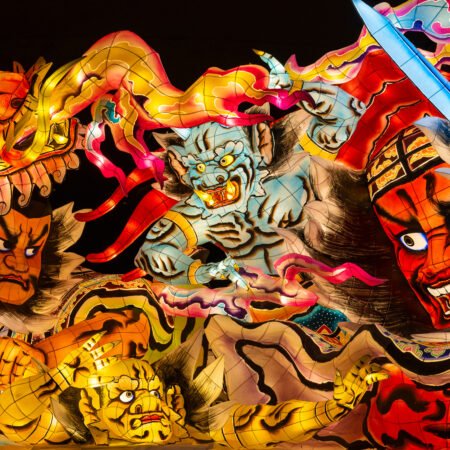
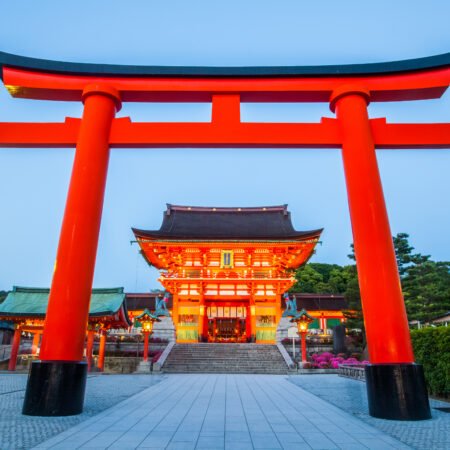
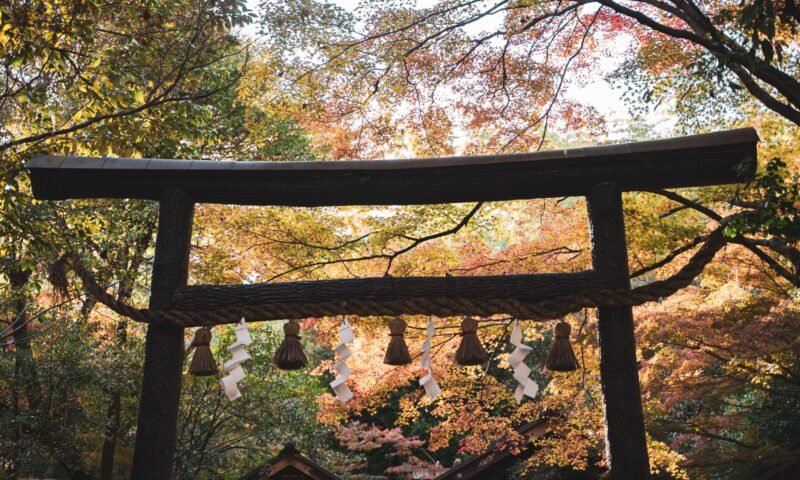
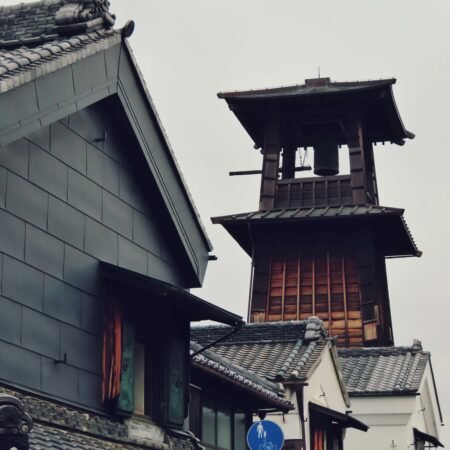
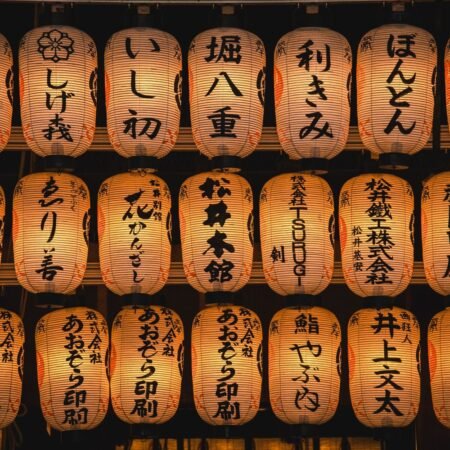
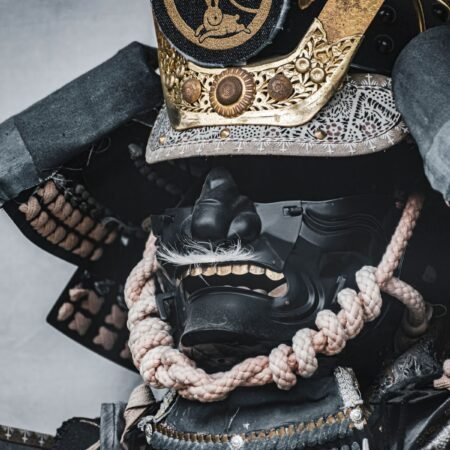
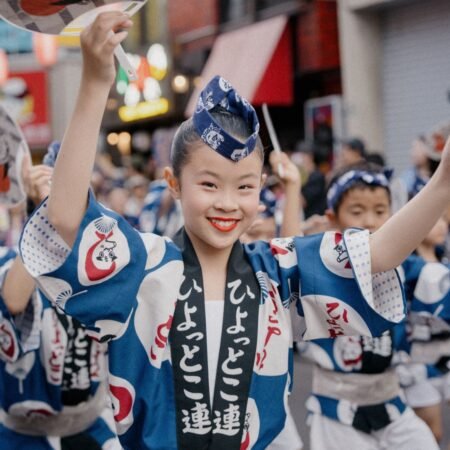
A quick note on photos: some of the images here are stock photos I’ve used to set the mood — they may not be the exact spot or moment I’m describing, just close in spirit.
コメント