





A friend of mine texted me last spring: “Want to go to hell this weekend?” I assumed she meant it figuratively, the way people do after a rough week at work. She did not. She meant Beppu, a hot spring city on the coast of Oita Prefecture in Kyushu, where you can spend a morning walking from one “hell” to the next before lunch, then soak in an actual onsen in the afternoon. Five years into living in Japan, I thought I’d more or less seen the country’s onsen culture. Beppu humbled me immediately.
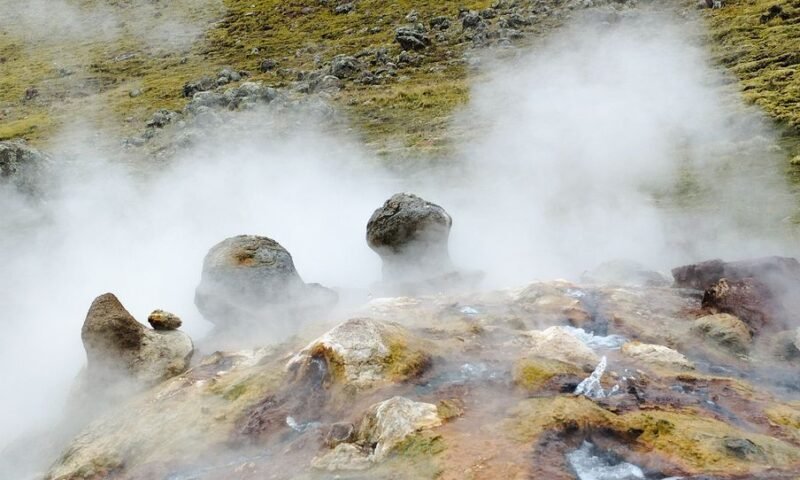
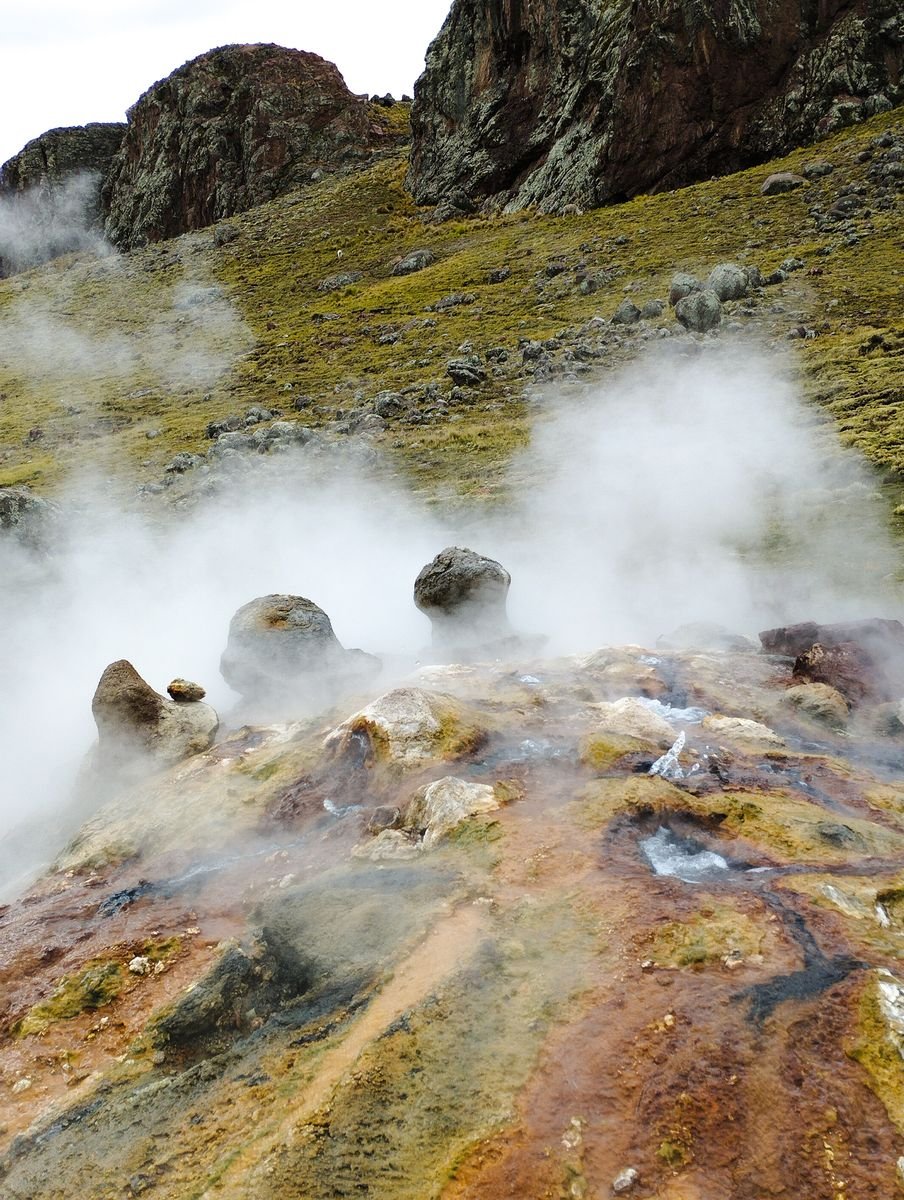
Beppu isn’t just another hot spring town. It produces more hot spring water than anywhere else in Japan, and locals will tell you, with a straight face, that only Yellowstone puts out more geothermal water in the world. Steam rises out of drainpipes, gutters, and random cracks in the sidewalk all over town, like the whole city is quietly simmering. So when I say the “hells” felt otherworldly, I mean that literally — this is a place where the ground itself seems a little bit alive.
So What Exactly Are the “Hells”?
The Jigoku Meguri, or “hell circuit,” is a tour of seven distinct hot spring sites scattered mostly around Beppu’s Kannawa district, with two more a short drive away in Shibaseki. The name “jigoku” comes from centuries ago, when people saw water and gas bursting violently out of the earth — bubbling, hissing, sometimes over 200 meters deep — and assumed something cursed was underneath. Nobody was bathing in these particular springs; some of them reach nearly 99 degrees Celsius, hot enough to cook an egg in minutes, which, as it turns out, is exactly what people do with them.
These aren’t bathing onsen. They’re viewing sites — ponds, mud pools, and geysers you walk around rather than soak in, each with its own strange personality. Four of them (Umi, Chinoike, Tatsumaki, and Shiraike Jigoku) are actually registered as National Places of Scenic Beauty, which felt funny to me at first — beautiful and hellish sitting in the same sentence — until I actually saw them.
Walking Through the Hells, One Strange Pond at a Time
My friend and I started at Umi Jigoku, the “sea hell,” and it’s the one that made me stop in my tracks. The water is a shockingly saturated cobalt blue, almost too blue to be real, steaming gently under a canopy of trees. It’s the largest of the hells and the most photogenic by a wide margin, though ironically, my photos never quite capture how vivid that blue actually is in person.
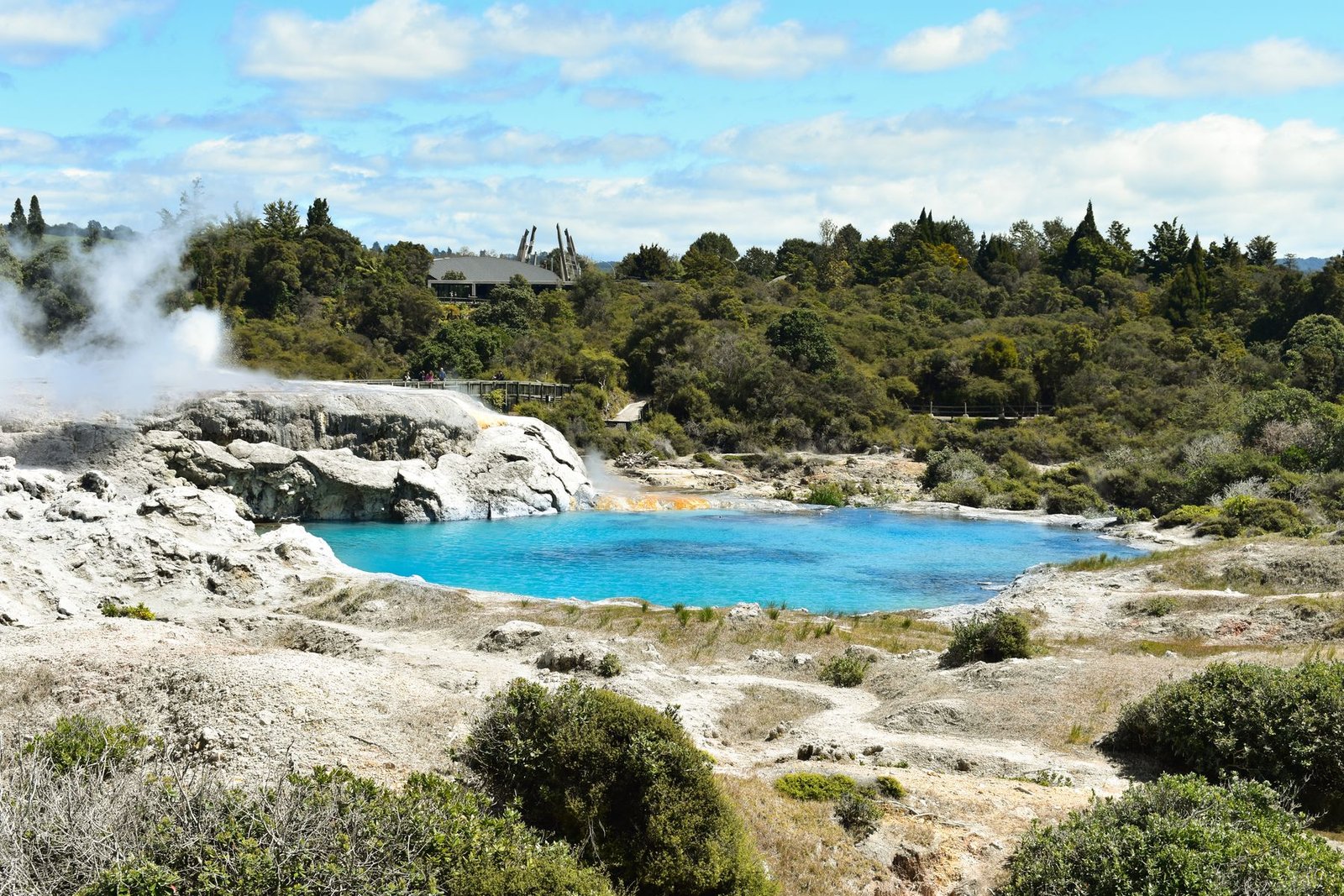
From there we wandered to Oniishibozu Jigoku, where grey mud bubbles up in rounded blobs that genuinely do look like the shaved heads of little monks poking out of the ground (there’s a foot bath here too, if you want a break). Then Kamado Jigoku — the “cooking pot hell,” complete with a demon statue out front and several boiling pools you can walk past while nibbling a hot-spring-steamed treat from the shop. Shiraike Jigoku was quieter, an almost milky white-blue pond set into a small Japanese garden, oddly serene for something with “hell” in the name.
The showstopper for most people, though, is Oniyama Jigoku, where the heated water is used to keep close to eighty crocodiles. I have no clean explanation for why there are crocodiles in a Japanese hot spring town, other than that someone, at some point, decided it made sense, and honestly, by that point in the tour, I’d stopped questioning the internal logic of Beppu’s hells.
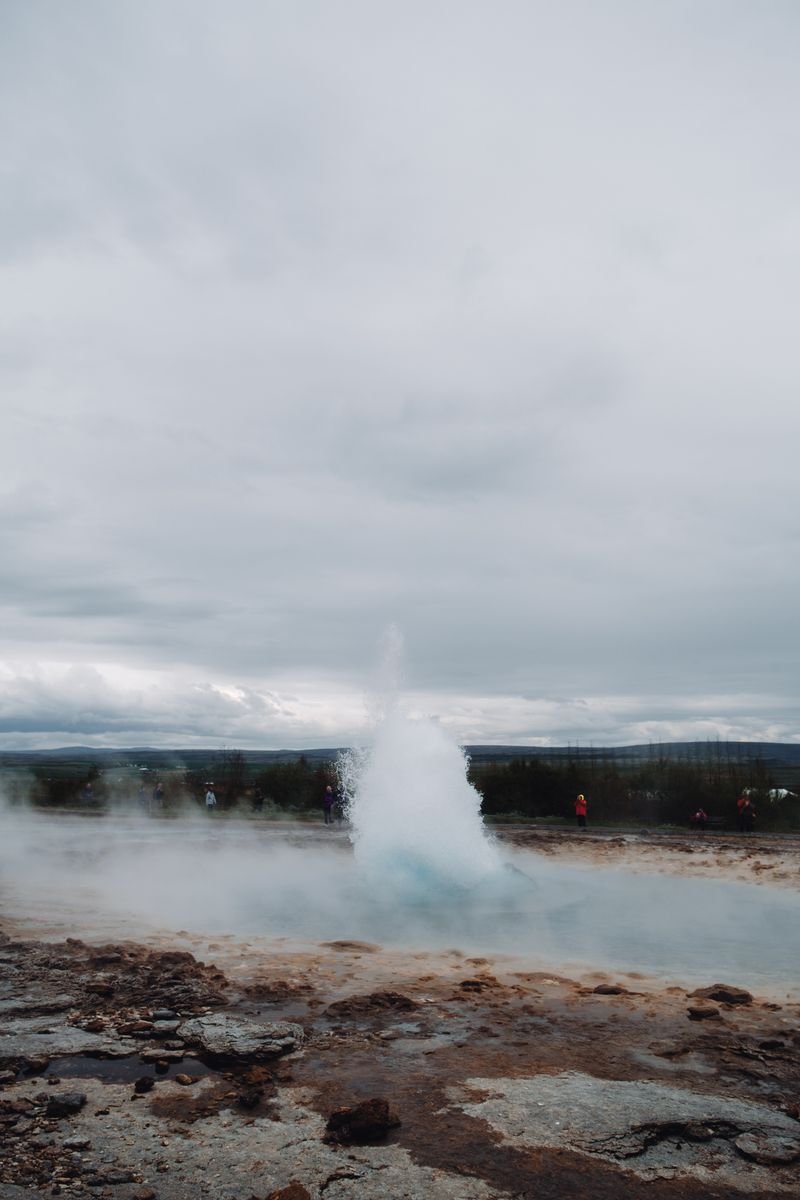
We caught a quick taxi over to the Shibaseki hells to see Chinoike Jigoku, the “blood pond hell,” where iron oxide turns the water a deep, rust red — it’s the single most photographed hell in Beppu for good reason. Right next door is Tatsumaki Jigoku, a real geyser that erupts every thirty to forty minutes, tall enough that they’ve built a low roof over the viewing area to keep visitors from getting scalded.
Practical Tips for Your Own Hell Tour
If you want to see all seven hells, buy the combined Jigoku Meguri pass rather than paying per site — it works out cheaper and covers the whole circuit (prices have shifted a bit over the years, so it’s worth double-checking the current rate before you go, but budget somewhere around 2,000–2,400 yen). Individual hells can also be visited on their own for a few hundred yen each if you’re short on time.
Getting there is easy: from JR Beppu Station, buses 5 and 7 run frequently to the Kannawa district in about fifteen minutes, where five of the seven hells are within easy walking distance of each other. The two Shibaseki hells are a short taxi or bus ride from there. The whole circuit realistically takes two to three hours if you’re not rushing, and the hells are open daily from 8 a.m. to 5 p.m.
Don’t skip the food stalls along the way — steamed eggs and onsen-baked pudding cooked using actual geothermal heat are sold right outside several of the hells, and they’re worth the small splurge. And bring cash; some of the smaller ticket counters and food stands still don’t take cards.
After the hells, do what everyone in Beppu does and reward yourself with an actual bath. Unlike the hells themselves, Beppu has no shortage of real onsen you can soak in afterward, from grand old bathhouses to small neighborhood sento, which felt like the right way to end a morning spent staring at boiling red and blue ponds.
Worth the Trip
Beppu isn’t a place I’d recommend for people looking for quiet, contemplative Japan — it’s a little kitschy, a little chaotic, and the crocodiles are objectively strange. But that’s also what made it fun. Five years in, I don’t get surprised by Japan very often anymore. Beppu managed it before I’d even had my morning coffee.
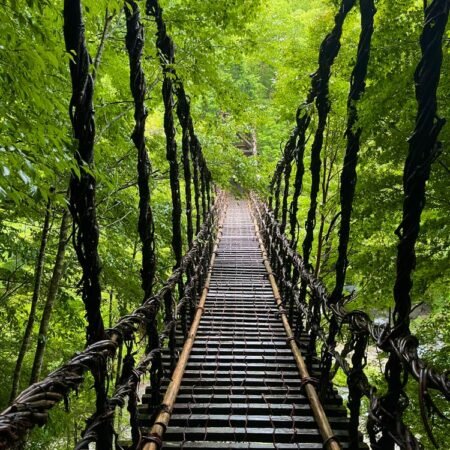
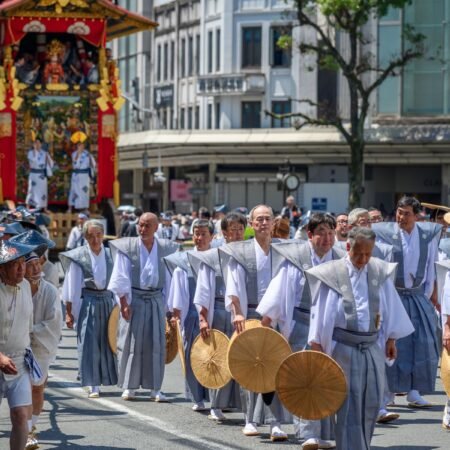
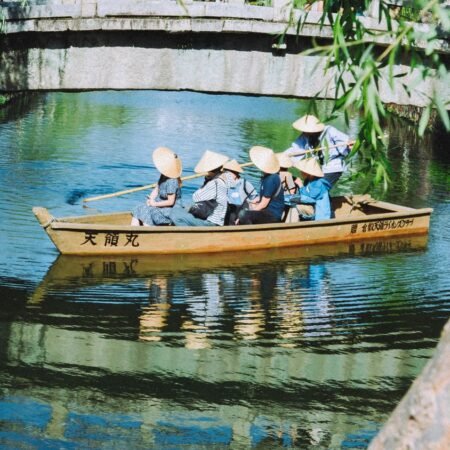
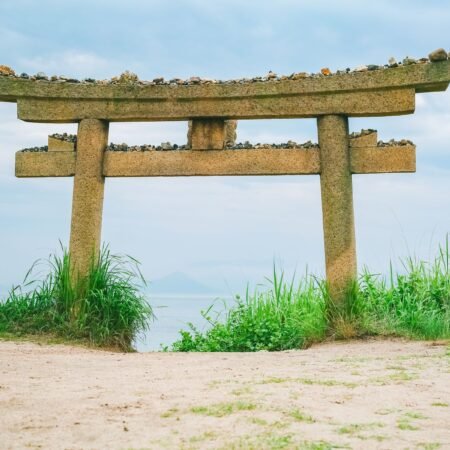
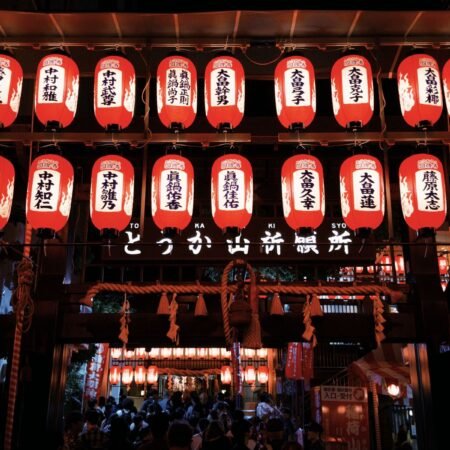
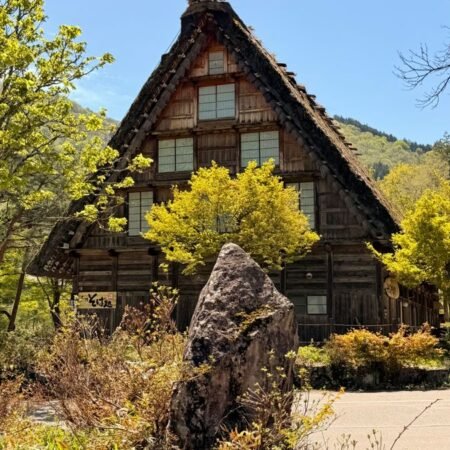
A quick note on photos: some of the images here are stock photos I’ve used to set the mood — they may not be the exact spot or moment I’m describing, just close in spirit.
コメント