







I went to Okunoshima the way most visitors do: with a bag of cabbage leaves and a phone full of battery life for rabbit photos. Within twenty minutes of stepping off the ferry at Tadanoumi Port, I had a dozen soft, warm bodies climbing over my shoes, utterly indifferent to the fact that I was, in that moment, the happiest person in the Seto Inland Sea. It took me another hour of walking the island’s quiet perimeter road, past a roofless concrete shell slowly being pulled apart by ivy, to understand why some people call this place something other than “Rabbit Island.” Locals and online forums have another name for it too: a shinrei supotto, a haunted spot. The two versions of Okunoshima, the cute one and the uneasy one, sit so close together that you can walk between them in a single afternoon, which is exactly what makes the island worth thinking about rather than just photographing.
An Island Erased From the Map
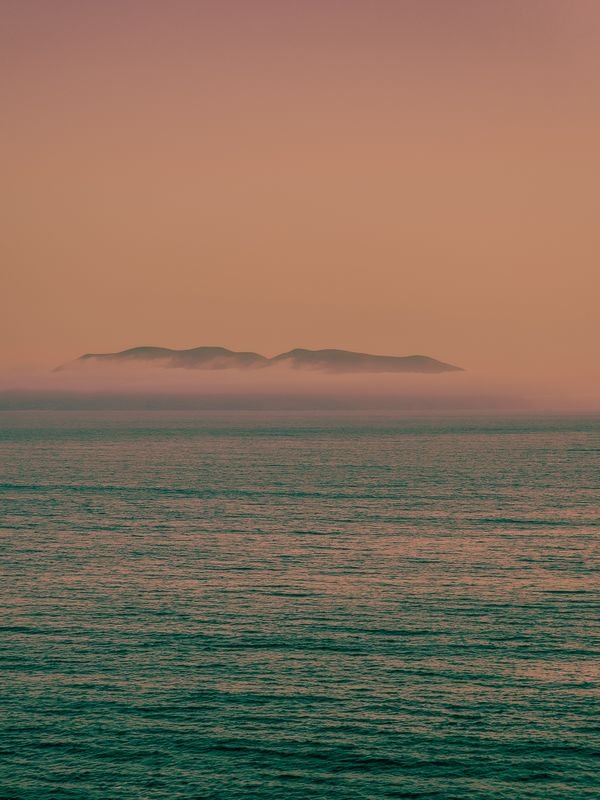
Okunoshima’s strangeness didn’t start with rabbits. In the Meiji era, the island already had a military role, fortified around the turn of the twentieth century as part of the coastal defences guarding the approach to the naval base at Kure. That history made it a convenient, already-isolated site for something far darker: in 1929, the Imperial Japanese Army’s technical research division began building a factory here to manufacture chemical weapons, including mustard gas and lewisite, in direct violation of international agreements Japan had signed after the First World War.
For the next decade and a half, Okunoshima effectively disappeared. It was removed from official maps and omitted from regional surveys; workers were reportedly told not to discuss what they did there, even with their own families. At its peak the facility employed several thousand people, many of them mobilized students and conscripted laborers, producing chemical agents that were later used during Japan’s military campaigns in China. The historical record on this period is well documented by Japanese and international historians, though the island itself gives you almost none of it directly, just the quiet, grassy footprint of where buildings used to stand.
When the war ended in 1945, Allied occupation forces oversaw the destruction of remaining stockpiles, reportedly burning and dumping what was left, and the factory was dismantled. The secrecy that had defined Okunoshima for sixteen years left a strange vacuum behind: an island with the physical scars of an atrocity and almost no public memory to go with them, at least until the Poison Gas Museum opened in 1988 to document what had happened, respectfully and without sensationalism, using testimony from former workers and official wartime records.
The Ruins and the Rumors
What remains today is scattered along the walking paths: the shell of the old power station, roofless and open to the sky, its concrete walls stained and crumbling; storage buildings reduced to low brick foundations; a reservoir that fed the plant. None of it is dressed up for visitors. There’s no lighting, no curated path through the “best” ruin, just signs asking you to view the structures from the outside, because the interiors are structurally unsound and officially off-limits.
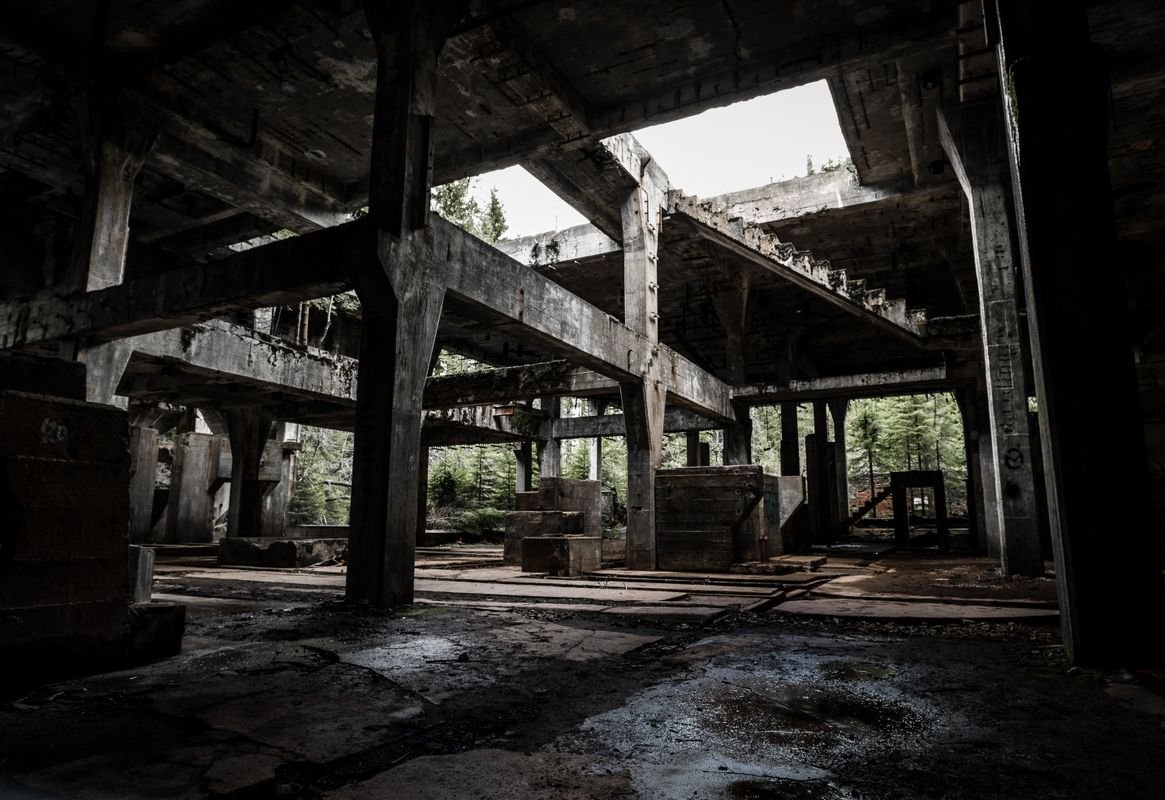
It’s exactly the kind of setting that online shinrei supotto communities in Japan have attached stories to for years. According to accounts shared on ghost-story forums and blogs, people walking near the power station ruins after dusk have reported the sense of being watched, cold patches of air with no obvious source, and indistinct human shapes in photographs taken near the empty window frames. Some tellings connect these sensations to the workers who passed through the factory, a number of whom are documented to have suffered long-term respiratory illness from gas exposure that lasted decades after the war ended. I want to be careful here: none of this rises above the level of local rumor and anecdote, there is no verified haunting on record, and the people most affected by Okunoshima’s history were real and deserve to be remembered through the museum’s documentation rather than through ghost stories built around their suffering. What I can say, standing in front of that roofless power station with the wind moving through it, is that it is one of the few places in Japan where the uneasy feeling in the air has an honest historical reason behind it, whether or not you believe anything lingers there.
From Secret Weapons to a Rabbit Paradise
The island’s second mystery is a much gentler one, and it involves the rabbits themselves. A persistent version of Okunoshima’s story claims that today’s rabbits are the descendants of test animals used in the gas experiments, somehow surviving and multiplying after the factory closed. It’s a good story, and I heard it from more than one fellow traveler on the ferry over, but it doesn’t hold up against the more mundane explanation most historians and local records point to: that laboratory animals from the wartime period were disposed of before the island reopened to the public, and the rabbits now overrunning Okunoshima trace back to a small group, commonly cited as around eight, released by a school group during a field trip in 1971. With no natural predators and a steady supply of visitor-fed vegetables, their numbers did the rest, climbing into the hundreds that greet every ferry today.
I find something quietly moving in that contradiction rather than spooky: an island built in secrecy for the purpose of mass harm is now best known for an animal that exists there almost by accident, bred not from weapons research but from a school trip and a lot of cabbage. The rabbits don’t erase the island’s history. If anything, hopping over the same grass that once hid a chemical weapons plant, they make the contrast harder to look away from.
Okunoshima rewards a slower visit than the one most day-trippers give it. If you go, take the time to walk past the rabbit feeding areas to the ruins and the Poison Gas Museum, and read the accounts there before you go looking for ghost stories online. Stay on the marked paths around the power station and other ruins; the structures are genuinely unstable, and the “keep out” signs aren’t there for atmosphere. Avoid feeding the rabbits human food, bread included, since it causes real digestive problems for them despite how eagerly they’ll eat it. And treat the ruins the way you’d treat any site connected to real wartime suffering: with curiosity, certainly, but also with the quiet and the respect you’d want shown at a memorial, because that, as much as anything else on the island, is what it is.
Note: images accompanying this article are illustrative stock photos and do not necessarily show the specific site discussed.
コメント