




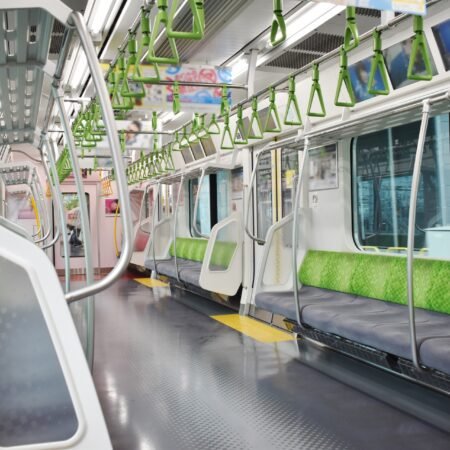

I change trains at Minami-Senju more often than I’d like to admit, and for years I never looked twice at the little temple grounds just north of the platform. Then a Japanese colleague mentioned, almost in passing, that the Joban Line I take every week runs directly over what used to be one of Edo’s main killing grounds. I got off at the next stop to have a proper look, and what I found was not a tourist attraction dressed up for Halloween. It was a small, quiet cemetery, a stone Jizo with a story, and a piece of Tokyo history that the city has mostly paved over rather than erased.
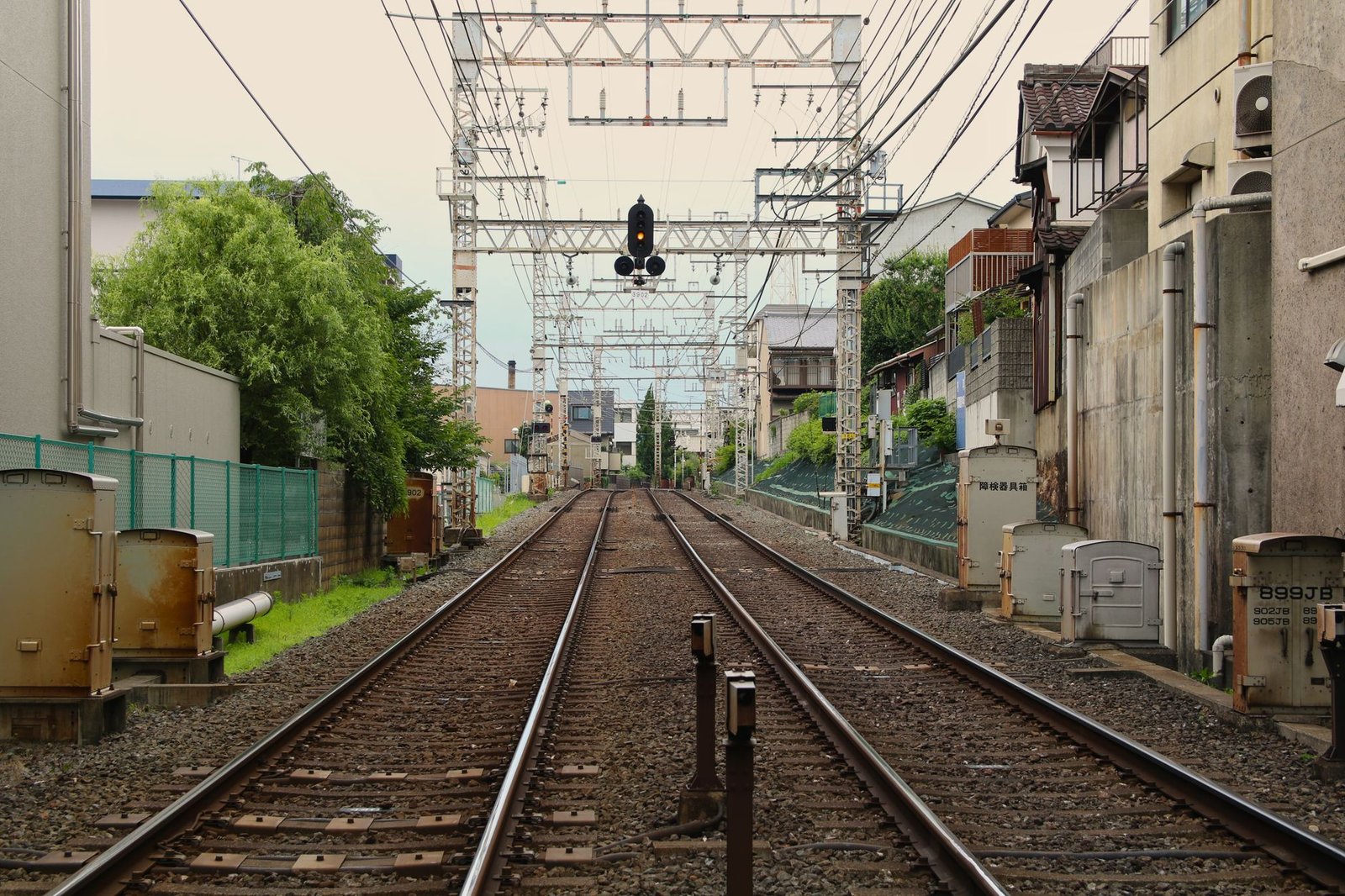
A street of bones
Kozukappara execution ground was established in 1651 in what is now Arakawa Ward, and it operated for well over two centuries until it was finally closed in 1873, early in the Meiji era, partly as Japan worked to present itself as “civilised” to Western powers it was renegotiating treaties with. During that span, estimates of how many people were put to death here run as high as 100,000 to 200,000 — figures that no single source can pin down exactly, but even the lower end works out to multiple executions a week for well over two hundred years.
Beheading was the standard method, but contemporary accounts also describe crucifixion and burning, along with public humiliation rituals before the sentence was carried out. Bodies were not cremated in the usual way. Some were reportedly used by medical students for anatomical study; others were left in shallow pits that stray dogs are said to have dug up again, scattering remains along a stretch of road that locals grimly nicknamed the “Street of Bones.” I mention this plainly rather than vividly, because the point isn’t to shock — it’s to explain why, centuries later, this patch of ground still carries such a heavy reputation. Among the condemned were historical figures whose names are still taught in Japanese schools, including the scholar Yoshida Shoin and the physician and reformer Hashimoto Sanai, both executed here in 1859 during the political purges of the late Edo period.
The birthplace of modern Japanese medicine
Kozukappara has a stranger legacy too, one that has nothing to do with ghosts. In the early 1770s, the physician Sugita Genpaku and colleagues including Nakagawa Jun’an conducted dissections at the execution ground to check what they were reading in a smuggled Dutch anatomy text against the reality of the human body. That work fed directly into the Kaitai Shinsho, published in 1774 — the book usually credited as the starting point of Western-style medicine in Japan. It’s a detail I find genuinely moving: a site built for state violence also happened to be where Japanese doctors first began mapping the body scientifically, out of simple curiosity about what lay beneath the skin.
The beheading Jizo and the bridge of tears
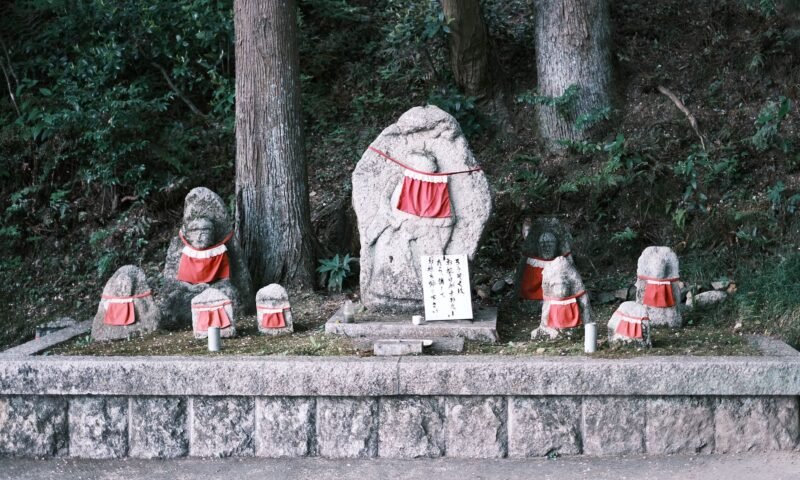
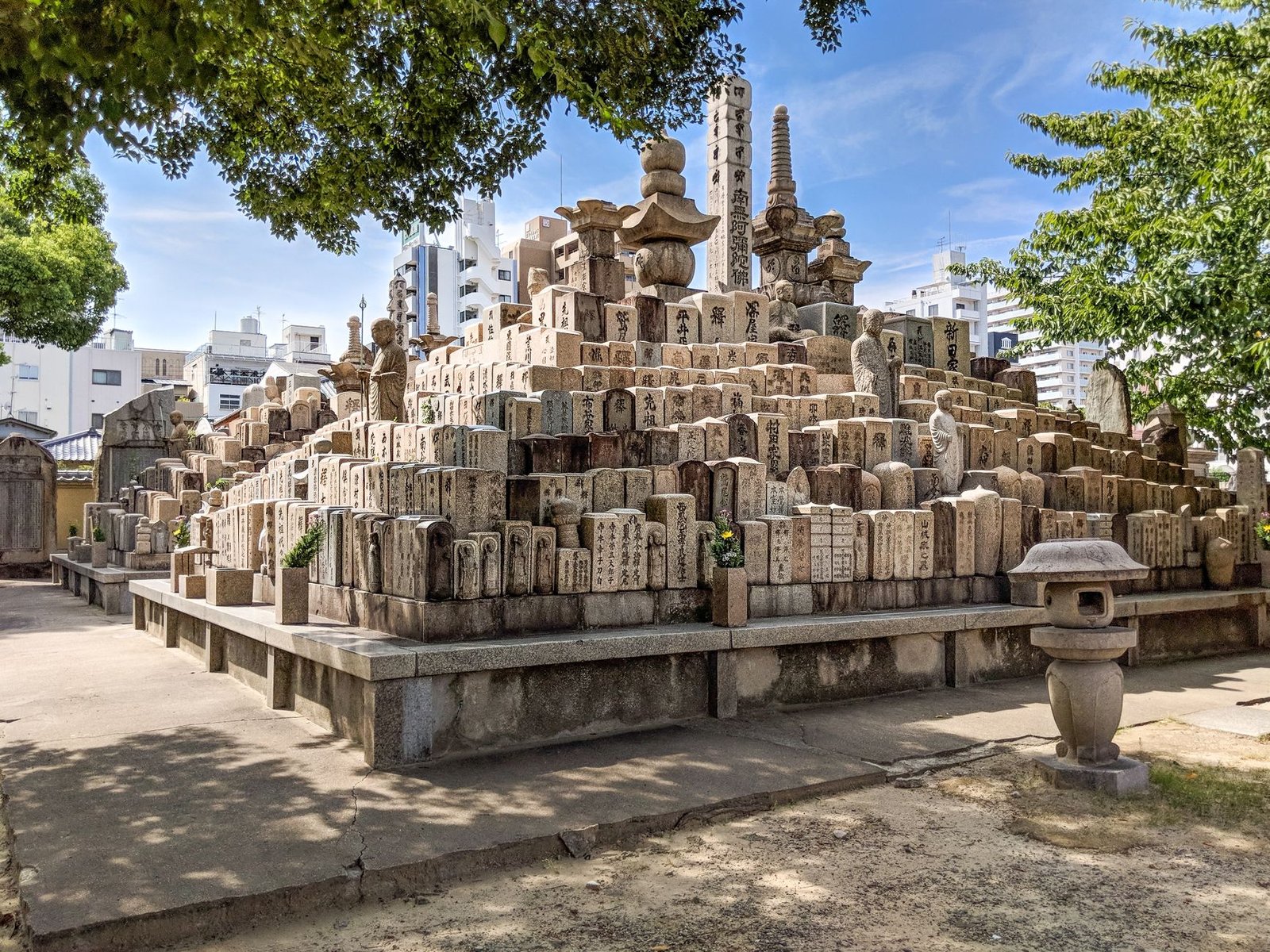
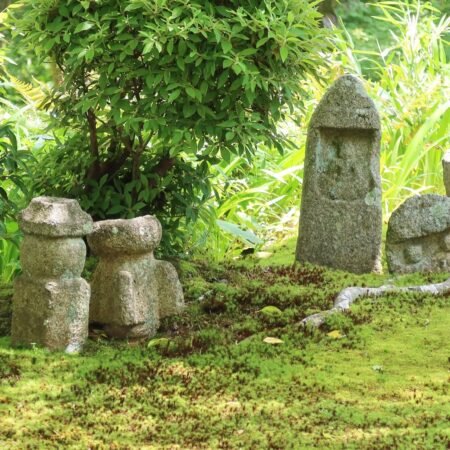
What remains on site today is modest. The grounds, once a single stretch of land, are now split by railway lines into two temple precincts — Ekoin to the north, Enmeiji to the south — each tending a small cemetery for the unclaimed dead. At Enmeiji sits a seated stone Jizo said to date from 1741, known locally as the Kubikiri Jizo, or “beheading Jizo,” moved slightly from its original spot when the railway was built through the area in the 1890s. Nearby, the name Namidabashi — “bridge of tears” — survives in a hotel sign and a bus stop, long after the actual bridge and the river it crossed disappeared underground. According to local tradition, the name refers to the sorrow of this being the last point from which the condemned were walked toward the execution ground, though I’ll say plainly that none of the historical sources I could find confirm that origin story in detail — it’s the kind of explanation that gets repeated because it feels right, not because it’s documented.
What lingers
This is also, by local reputation, one of the more “haunted” corners of Tokyo — the story goes that commuters on the Joban and Hibiya lines occasionally report an unexplainable chill or flickering lights as they pass through Minami-Senju, and that odd sounds and sightings have been described online by people living nearby. I want to be careful here: these are accounts people share, not verified phenomena, and I’m not in a position to tell you whether any of them are true. What I can say is that knowing what the ground beneath the tracks actually was gives those stories a weight that has nothing to do with special effects. Whether or not anything lingers in the metaphysical sense, something clearly lingers in the way this neighbourhood remembers its own history.
Visiting with care
If you want to see it for yourself, Enmeiji and the Kubikiri Jizo are a short walk from Minami-Senju Station and open to the public as an ordinary, functioning temple precinct — there’s no need to trespass anywhere or go looking for closed-off ruins, because there aren’t any left to find. I’d ask that you treat it as what it is: a graveyard for people who mostly died without dignity and without names attached to their resting place. Keep your voice down, be mindful of worshippers and temple staff going about their day, don’t climb on or touch the statue, and think twice before turning it into a backdrop for a dramatic photo. Mind the live railway lines running alongside the precinct too — this is still very much a working part of the city, not a museum piece. A quiet five minutes of reflection will tell you more about Kozukappara than any ghost-hunting app ever could.
Note: images accompanying this article are illustrative stock photos and do not necessarily show the specific site discussed.
コメント