






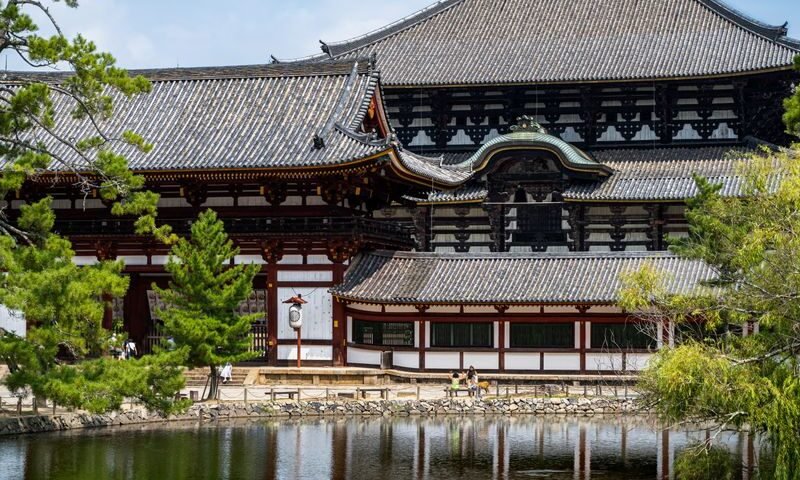
I almost missed it. I was cutting across Nara Park on my way to Kofuku-ji, half-watching the deer and half-watching my phone, when I noticed that the small vermilion shrine on the eastern bank of Sarusawa Pond was facing the wrong way. Every other building near water in Japan I’ve ever photographed – teahouses, viewing pavilions, the little shrines tucked into temple gardens – angles itself toward the view. This one had its back to it. Not at an angle. Directly, deliberately, its back to the water.
I asked a woman feeding the carp why, assuming it was a drainage quirk or a trick of the original plot of land. She didn’t look up from the fish. “She doesn’t want to see it,” she said, and went back to her bread.
That shrine is Uneme Jinja, a small subsidiary shrine of the great Kasuga Taisha, and the “she” is a court lady – an uneme, one of the women who served in the women’s quarters of the imperial palace during the Nara period (710–794). According to the Yamato Monogatari, a collection of poem-tales compiled in the mid-Heian period, the story goes that one of these women fell out of favor with the emperor she served. Grief-stricken, and with no path back into his notice, she is said to have slipped out one night, tied her sash to the branch of a willow at the water’s edge, and walked into Sarusawa Pond.
I want to be careful with this part, because it is the kind of detail that gets flattened into shock value the more times it’s retold online. The oldest tellings don’t dwell on the act itself. They dwell on what came after: a court, or possibly the emperor himself, moved to pity, had a small shrine built on the pond’s bank so that her spirit would be remembered and settled rather than left to wander. No individual emperor is named in the versions I could find, and the woman herself isn’t given a name beyond her title – she is simply “the uneme,” one of many, which is its own kind of quiet tragedy.
A Shrine That Turned Its Back Overnight
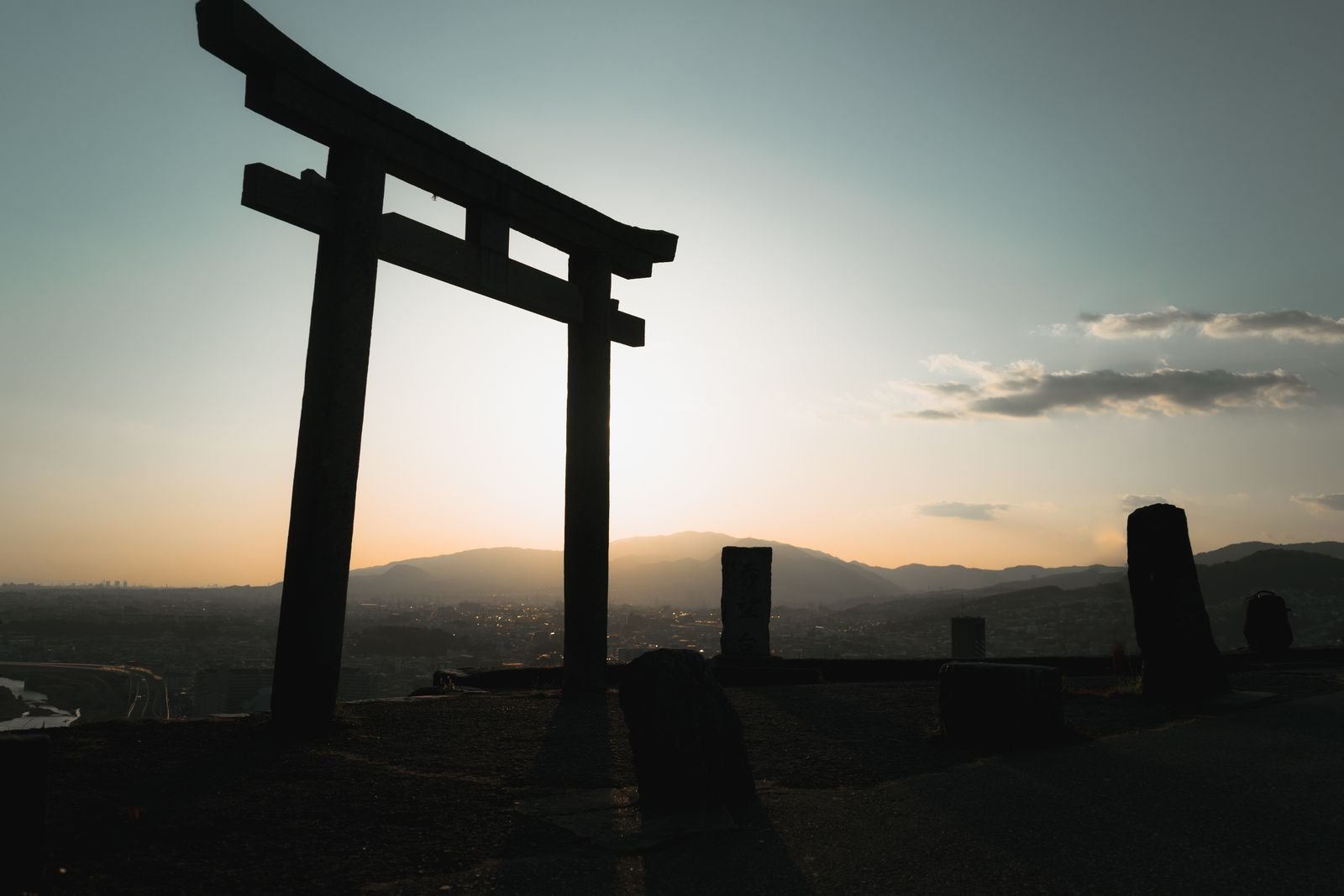
The detail that stops people on the path, the one that stopped me, is what happened to the building itself. Local tradition holds that Uneme Jinja was originally built facing the pond, the way you’d expect any shrine positioned beside a famous beauty spot to face it. And then, so the story goes, sometime after it was built, it turned. Overnight, with no one touching it, the shrine hall came to face away from the water – because, the tradition says, her spirit could no longer bear to look at the place where she died.
It’s worth sitting with how strange that is as a piece of folklore. Most ghost stories I’ve chased around this country end in warning: don’t go there at night, don’t count the statues twice, don’t answer if something calls your name on a mountain road. This one ends in architecture. The shrine’s unusual orientation isn’t treated as something to be frightened of – it’s treated as evidence, the physical proof that the story is true, sitting in plain sight in one of the most photographed public parks in Japan. Nara’s own tourism materials repeat the tale as local legend rather than historical record, and I think that’s the right way to hold it: not as something that definitely happened, but as something Nara has decided is worth remembering happened.
Today the shrine’s modest precinct, tucked behind its low fence in Tarui-cho, is normally kept closed, visible only through the gate except during festival days. It’s easy to walk the pond’s circumference and not register it at all, which is partly why I’d missed it the first time.
From a Drowned Grief to a Floating Festival
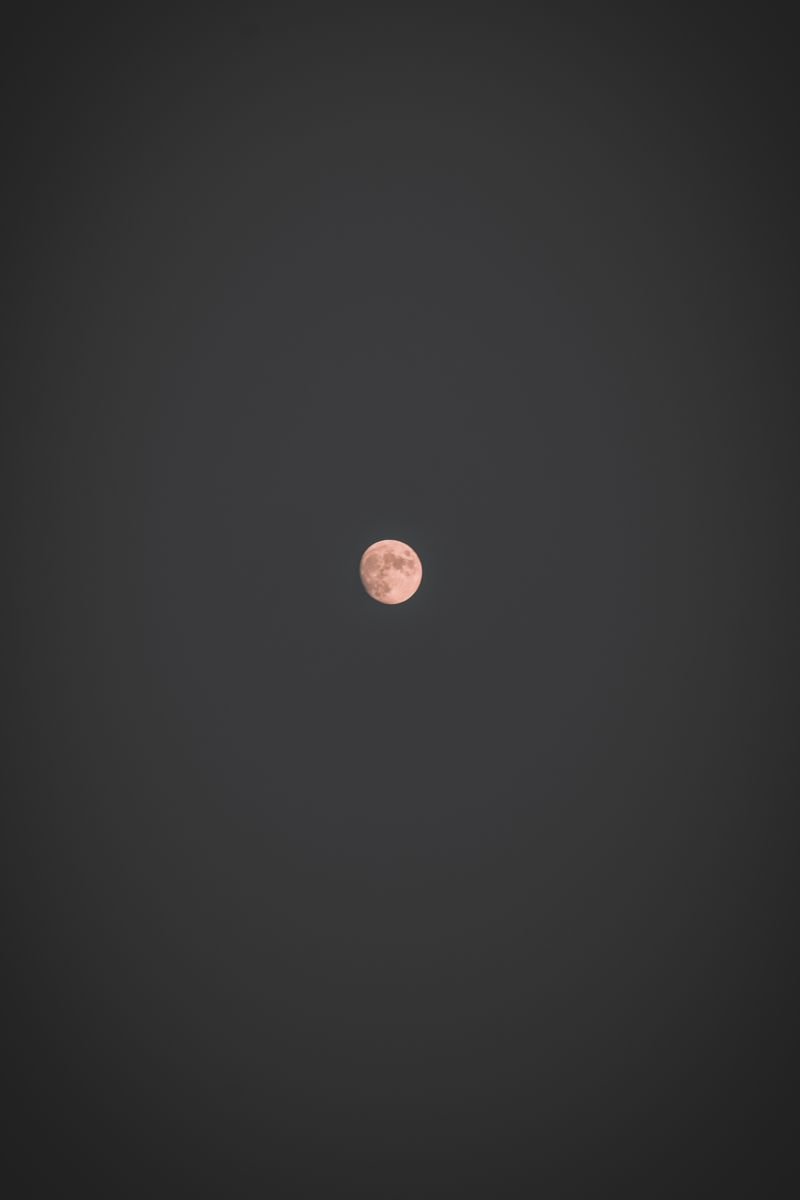
What struck me more than the ghost-story mechanics was what Nara does with this story every year. On the night of the mid-autumn harvest moon, the Uneme Matsuri transforms the same stretch of water into something closer to celebration than mourning. A procession carries a large, elaborately decorated fan down to the pond’s edge. Boats modeled after the dragon-headed and phoenix-headed vessels of the old imperial court are rowed out onto the water to the sound of gagaku, the ancient court music, while the fan is eventually offered to the pond itself.
It’s a pattern I keep running into in Japan, and it’s one of the reasons I find this country’s ghost stories more interesting than frightening: grief gets choreographed, not exorcised. The same instinct that built a shrine for a nameless court lady now fills the pond with lantern light and court music once a year, turning a story about being forgotten into a public ritual that guarantees, at minimum, that she isn’t. It’s the same logic behind Dazaifu’s deified scholar or Masakado’s guarded grave in Otemachi – the dead who are tended to, rather than feared, tend not to need fearing.
Sarusawa Pond itself is unglamorous in daylight – a flat, round pond with turtles sunning on the rocks and tourists resting their feet after Kofuku-ji’s five-story pagoda. It’s precisely that ordinariness that makes the shrine’s backward glance so effective. You don’t stumble on this story in a remote forest or a sealed-off ruin. It’s sitting in the middle of one of the most visited few hundred meters in Japan, hiding in plain sight because almost nobody thinks to ask why a building is facing the wrong way.
Visiting with Care
Uneme Jinja sits a five-minute walk from Kintetsu-Nara Station, on the eastern side of Sarusawa Pond, and there’s no admission charge to view it from outside the fence. Because the precinct itself is normally closed to entry except during festival events, the respectful way to visit is to view the shrine building and the pond from the public path, rather than attempting to get inside the gate. If you time a visit for the Uneme Matsuri in late September, remember that it’s a religious observance for local worshippers first and a spectacle for visitors second – keep a respectful distance from the procession and the boats, and ask before photographing people taking part rather than just the ritual itself. The deer that wander this entire park are tame but not pets; don’t feed them near the water’s edge, and give them room.
Note: images accompanying this article are illustrative stock photos and do not necessarily show the specific site discussed.
コメント