





Somewhere around my third year in Japan, a woman I had met twenty minutes earlier shoved a pair of bells into my hands, tied a paper flower to my head, and told me to shout “rassera” as loud as I could. That is how I became a haneto dancer at the Aomori Nebuta Matsuri, and it is still one of the strangest, most joyful nights I have had in five years of living here. I had taken the Tohoku Shinkansen up from Tokyo expecting to watch a parade. I did not expect to end up inside one.
If you have not heard of Nebuta Matsuri, it is one of the biggest summer festivals in the Tohoku region, held every year from August 2nd to 7th in Aomori City, way up at the northern tip of Honshu. It draws something like two or three million visitors over its run, and once you have stood on the street as the first float rounds the corner, glowing orange against the night sky, you understand why people plan entire summer trips around it.
What Exactly Is a Nebuta?
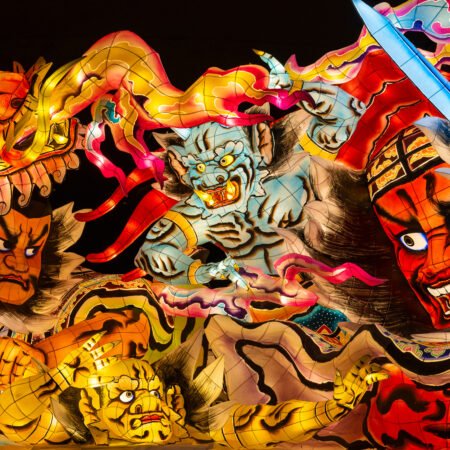
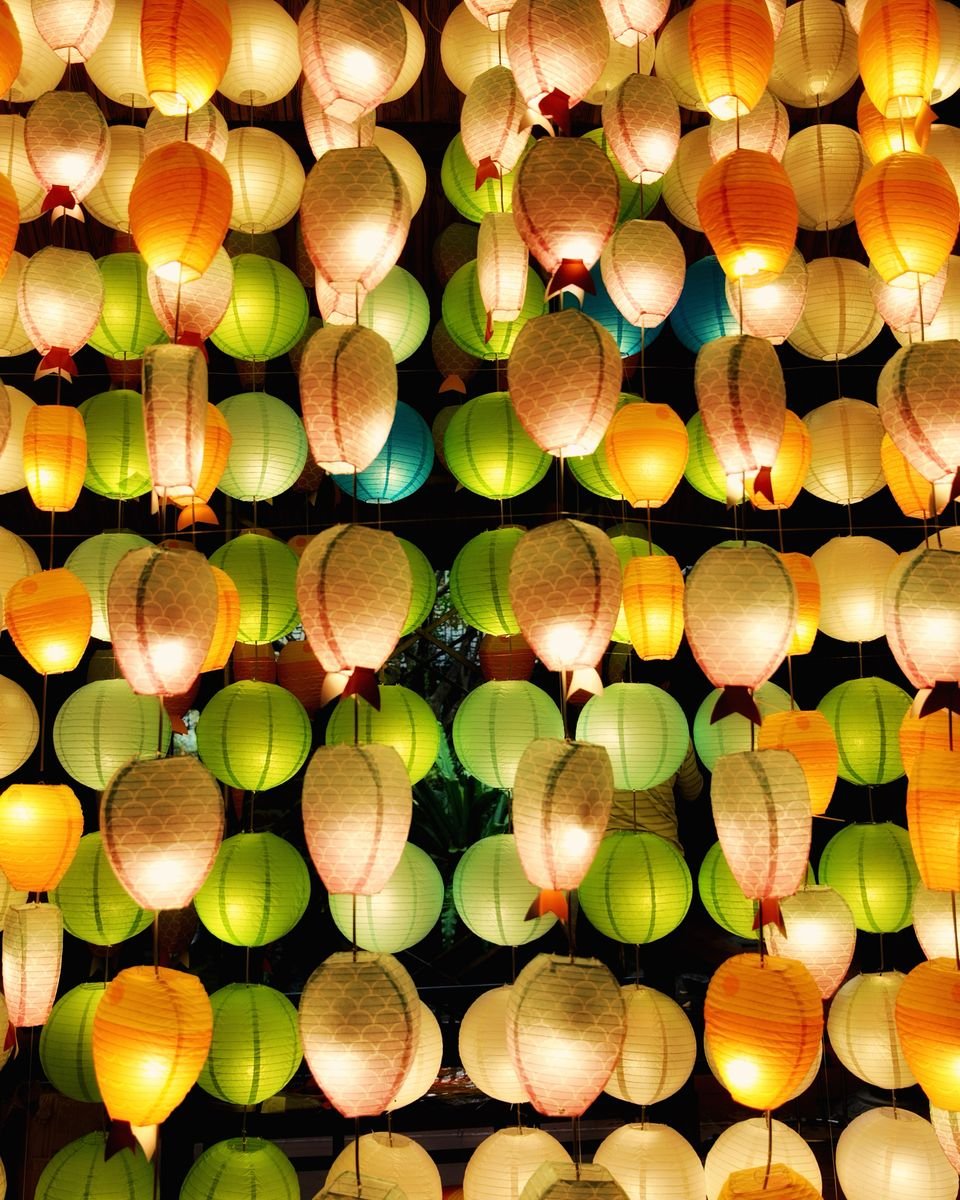
A nebuta is a massive illuminated float, built from a wire and wood frame and covered in hand-painted washi paper, then lit from the inside by hundreds of bulbs. The effect at night is somewhere between a stained glass window and a parade float designed by someone who really, really loves kabuki. The floats depict warriors mid-battle, gods, demons, and figures from kabuki plays and Japanese mythology, usually frozen in some dramatic, limb-flailing pose. Some of them are two stories tall and nine meters wide, which is a lot of float to fit down a city street.
Local teams called nebuta-shi spend the better part of a year designing and building each one, and the city treats its float makers like genuine artists, because that is exactly what they are. After the festival ends, the best floats do not just get dismantled and forgotten. Several are preserved and displayed year-round at the Nebuta Museum WA RASSE near Aomori Station, which is worth a visit even if you cannot make it during festival week.
Becoming a Haneto for a Night
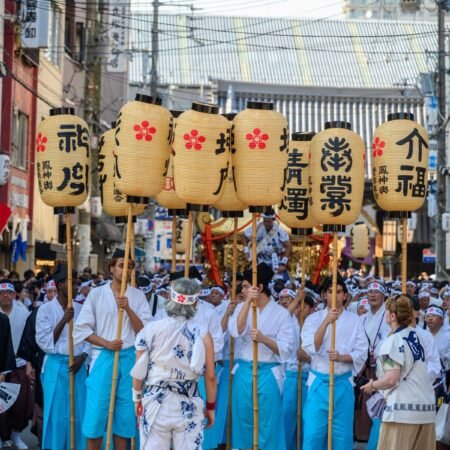
The floats are the headline act, but the haneto dancers are what make Nebuta Matsuri feel less like a spectator event and more like a citywide party you have accidentally joined. Haneto wear bright yukata-style costumes with bells tied around their waist, a flower-shaped straw hat or paper hana-gasa, and they hop and skip alongside the floats shouting “rassera, rassera” over and over, a chant that supposedly just means something close to “come on, come on.”
Here is the part that surprised me most: you do not need an invitation or a connection to a local team to dance. A handful of costume rental shops near the route let visitors rent a full haneto outfit for the evening and join designated “free haneto” groups, no audition or local contacts required. I rented mine on a whim about an hour before the parade started, assuming I would feel like an obvious outsider. Instead I spent the next two hours jumping up and down a closed-off street in Aomori next to grandmothers, teenagers, and a group of German backpackers who had clearly done this before, all of us shouting the same four syllables until my voice gave out.
The Final Night: Floats on the Water
If you can only make one day of the six, make it the last one, August 7th. The daytime parade on the final day has its own charm, letting you see the floats and their paintwork in full sunlight, which you miss entirely at night. But the real finale happens after dark, when a selection of the festival’s best floats, including whichever one won that year’s top award, are loaded onto barges and paraded slowly across Aomori Bay while fireworks go off overhead. Watching an enormous illuminated kabuki warrior drift across black water while the sky explodes in color is the kind of thing that makes you forget to take photos because you are too busy just standing there with your mouth open.

Practical Tips for Visiting
Aomori City is reachable from Tokyo in a little over three hours on the Tohoku Shinkansen to Shin-Aomori Station, then a short local train ride to Aomori Station itself, which sits right along the parade route. The nightly parades run roughly from 7pm to 9pm, and while you can watch for free standing along the sidewalks, the paid reserved seating (booked well in advance through the official festival site or a travel agent) gets you a guaranteed spot and some shade from the crush of the crowd. If you are visiting in early August, prepare for serious heat and humidity, and bring a hand towel, because you will need it whether you are dancing or just standing still. Hotels in Aomori book up fast for festival week, so if this is on your list for a future summer, reserve accommodation as early as you can, even six months out. And whatever you do, do not skip WA RASSE if you cannot make the festival itself. Seeing the floats up close in daylight, without the crowd and the noise, gives you a completely different appreciation for just how much work goes into something that only exists, in motion, for six nights a year.
I came to Aomori thinking I would watch a parade and left with a sore throat, bruised shins from all the hopping, and a genuine new favorite festival in a country that has no shortage of them. If you get the chance to go, rent the costume. Join the free haneto group. Shout until it stops feeling embarrassing. That is really the whole trick to it.
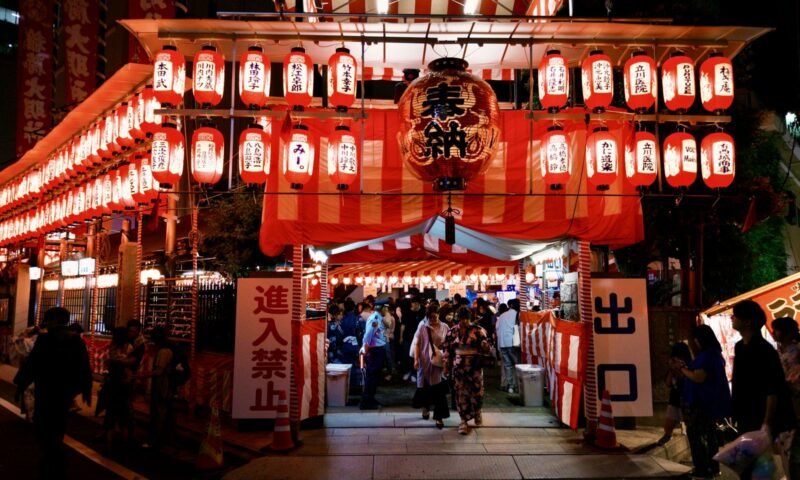
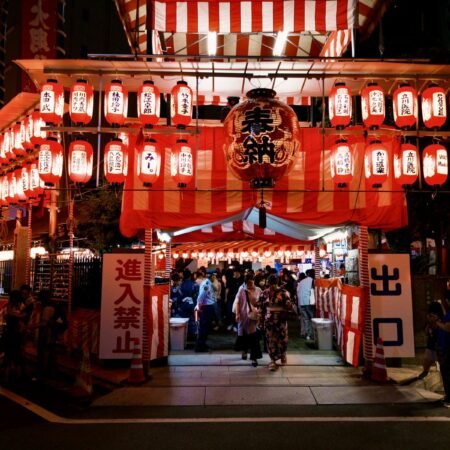
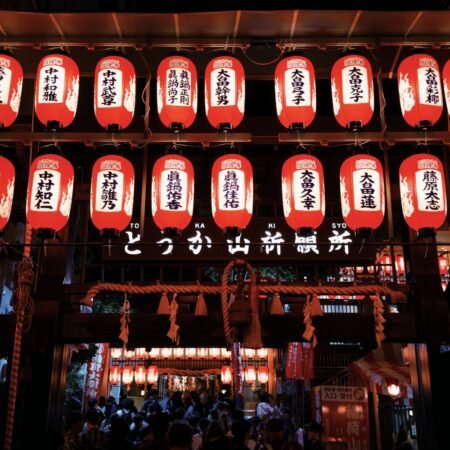
A quick note on photos: some of the images here are stock photos I’ve used to set the mood — they may not be the exact spot or moment I’m describing, just close in spirit.

コメント