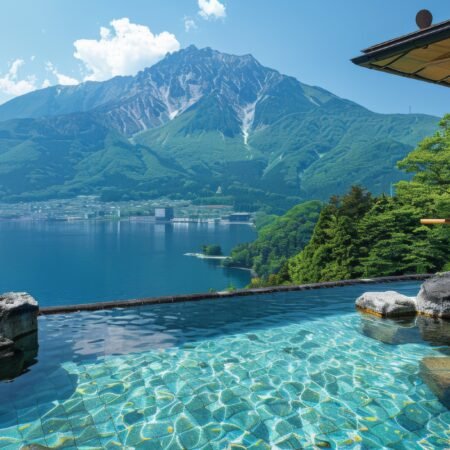









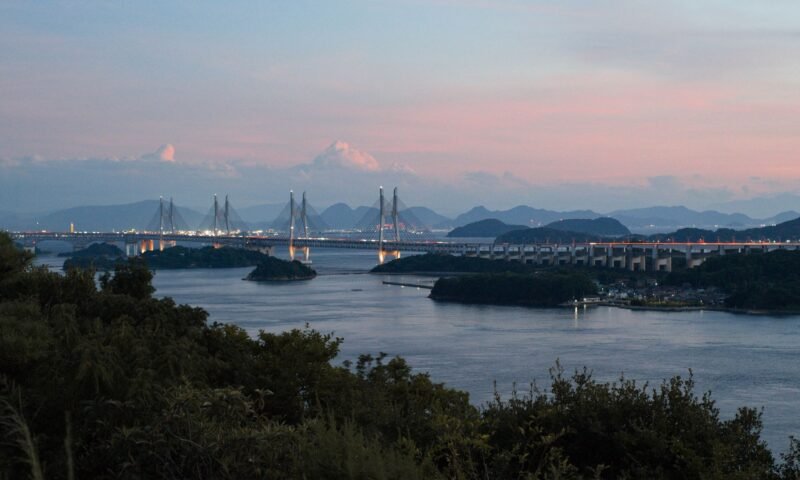
The first time I climbed the plateau at Yashima, I did it the lazy way — on the shuttle bus rather than the old pilgrim’s path — and I still arrived out of breath, less from the climb than from the view. From the northern edge of the plateau, above Takamatsu, the Seto Inland Sea opens out in a flat, silvered sheet, dotted with islands that look close enough to wade to. It takes a moment to remember that this quiet overlook was once a battlefield, and that the calm water below is where, in the spring of 1185, an emperor’s fleet burned, scattered, and sailed to its final defeat a month later at Dan-no-ura.
Yashima doesn’t get the same name recognition abroad as some of Japan’s more famous haunted sites. There’s no single scream-in-the-dark story attached to it, no cursed stone or weeping well. What it has instead is something I find more interesting: a real battlefield, a temple that has spent twelve centuries quietly absorbing the grief of that battle, and, watching over the whole hill, one of the three most famous tanuki in the country. It’s a strange combination — fallen samurai and a trickster raccoon dog sharing the same small mountain — and I think it says something true about how Japan tends to handle its ghosts: not by exorcising them, but by giving them company.
The Battle That Ended an Empire
By early 1185, the Taira clan was losing the Genpei War badly. Driven from the capital and defeated the previous year at Ichi-no-Tani, they regrouped on the Yashima plateau with the young Emperor Antoku and the three Imperial Regalia in tow, improvising a palace on the high ground and treating the sea around it as their moat. Minamoto no Yoshitsune didn’t see it that way. According to the chronicles, he crossed to Shikoku with a small, fast force, landed at Katsuura, and pushed toward Yashima far quicker than the Taira expected. One local account says his men set fire to nearby commoners’ houses; a better-known version says they lit extra bonfires on the shore. Either way, the effect was the same: the Taira, watching the hillside glow, convinced themselves a far larger army was bearing down on them, and broke for their ships rather than stand and fight.
It was, in its way, a bluff that ended an imperial court’s hold on Japan. Most of what remained of the Taira fleet limped to Dan-no-ura and was annihilated there a month later, taking the emperor and the regalia down with it. Yashima was the hinge — the moment the Taira stopped being the side that might still win.
What the Battlefield Left Behind
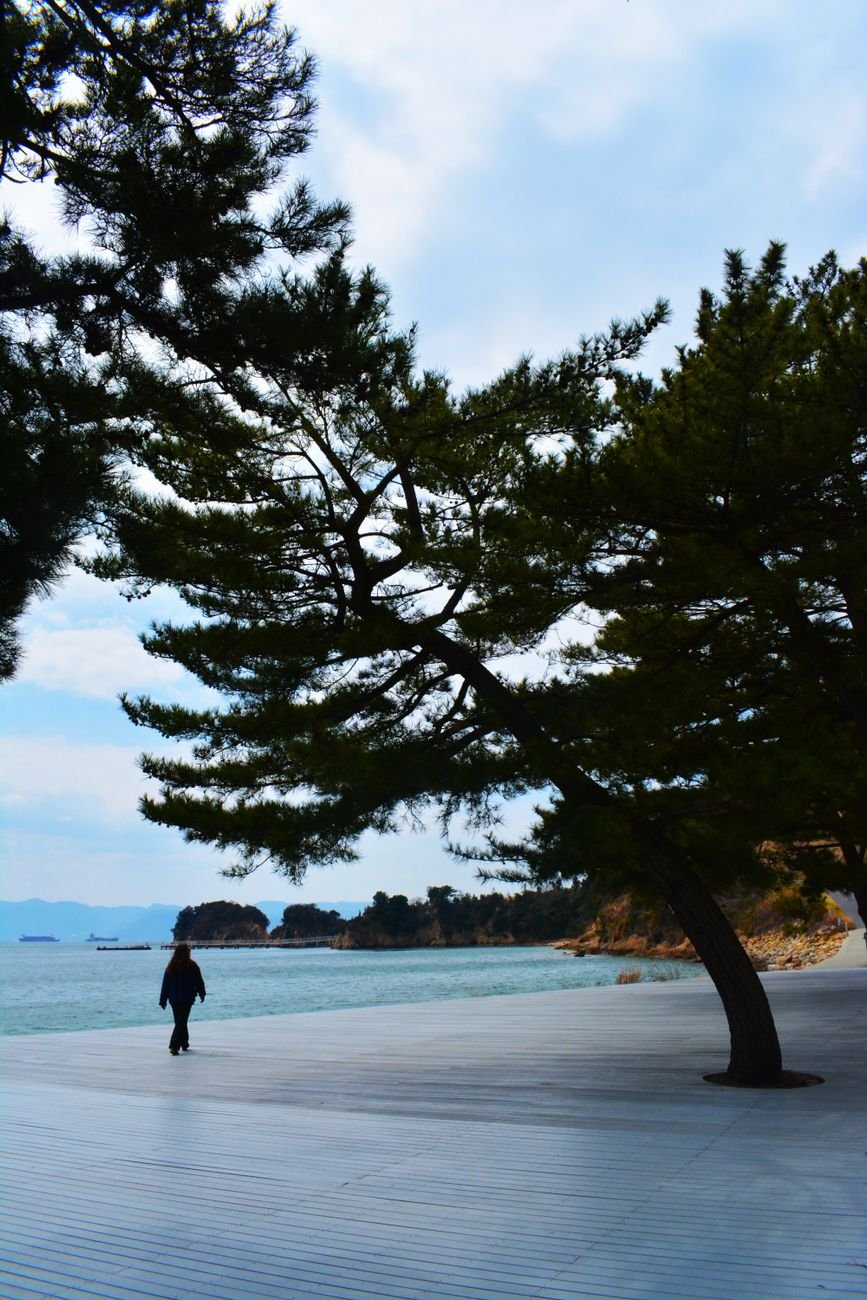
Walk the plateau today and the old battlefield survives less as a single dramatic ruin than as a scattering of small, specific places, each with its own fragment of story attached. There’s Kurakake-no-matsu, a pine where, local tradition holds, a saddle was once hung; there’s Iochibata, remembered as the ground where the fighting itself was thickest; there’s a weathered Inori-iwa, a “prayer rock,” and a grave and monument to Sato Tsugunobu, the retainer said to have died shielding Yoshitsune from an arrow. None of these come with the kind of forensic certainty a historian would want — they’re carried the way most centuries-old battlefield lore is carried, as “it is said” rather than “it is known” — but they give the hillside a texture that a plaque alone couldn’t.
The most famous episode, the one every guide to Yashima eventually tells, is the story of the fan. As the story goes, a Taira boat drew close to shore and raised a folding fan on a pole, daring a Minamoto archer to shoot it down — as much a show of nerve as an insult. A young retainer named Yoichi is said to have done exactly that, striking the fan clean off its pole from horseback at a near-impossible range, while both sides, briefly, forgot they were trying to kill each other and simply watched. It’s the kind of story that has survived precisely because it isn’t really about violence at all.
The Tanuki Who Outranks the Ghosts
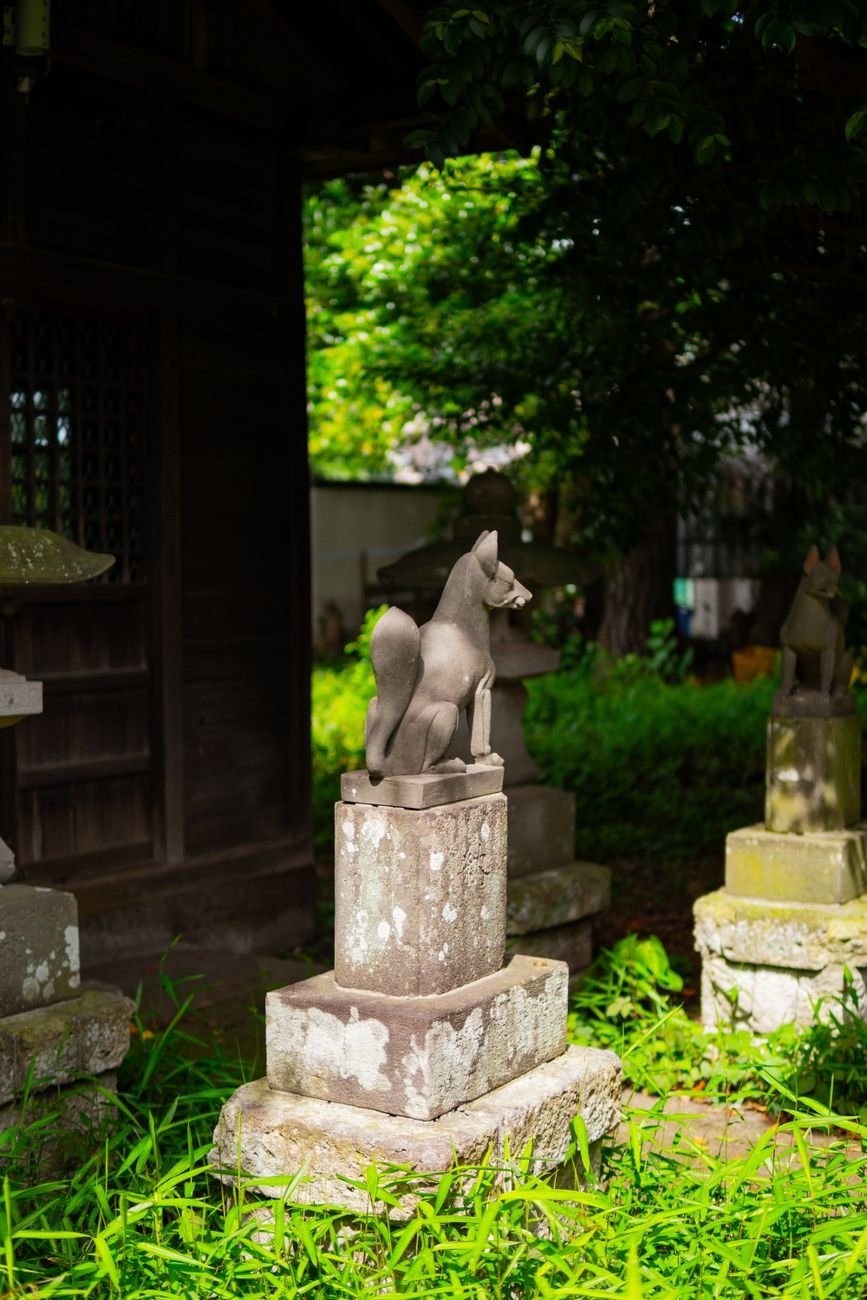
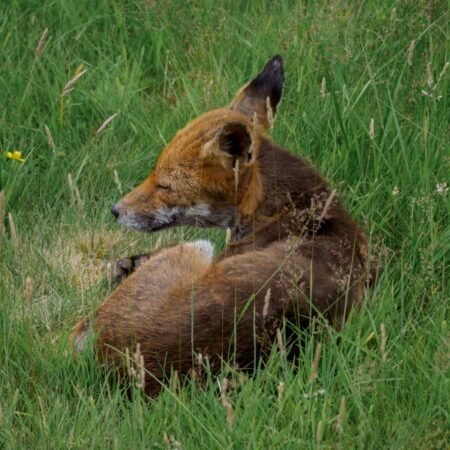
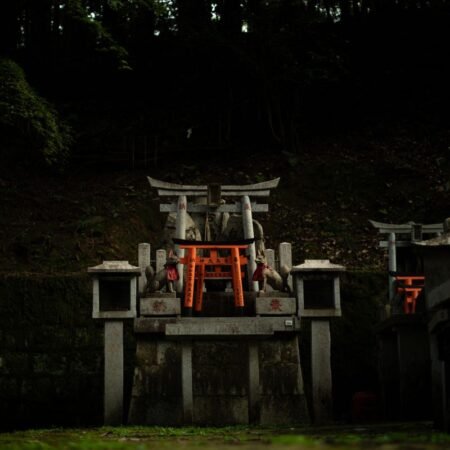
What I didn’t expect, on my first visit, was to find the hill’s real celebrity to be a raccoon dog. Yashima-ji, the Shingon temple at the top of the plateau and the 84th stop on the Shikoku pilgrimage, is also home to a shrine for Yashima no Hage-tanuki — locally Tasaburō-tanuki — counted, with the tanuki of Sado and Awaji, among Japan’s “three great tanuki.” Temple legend holds that he was a wounded animal taken in by the Taira nobleman Shigemori, which makes the next part feel almost mischievous: generations later, this same tanuki is said to have lent his shapeshifting powers to Yoshitsune’s side during the Yashima campaign — a yokai switching sides across a war without anyone accusing him of disloyalty, because tanuki were never expected to care who won.
Later legends describe him turning restless, before being formally enshrined as Minoyama Daimyōjin to settle him. Today he’s worshipped for gentler things: family happiness, successful marriages, good fortune for children, and — fittingly for a trickster — the entertainment and nightlife trade. He even has a modern claim to fame as one of the inspirations for Studio Ghibli’s tanuki ensemble in Pom Poko.
Visiting Yashima
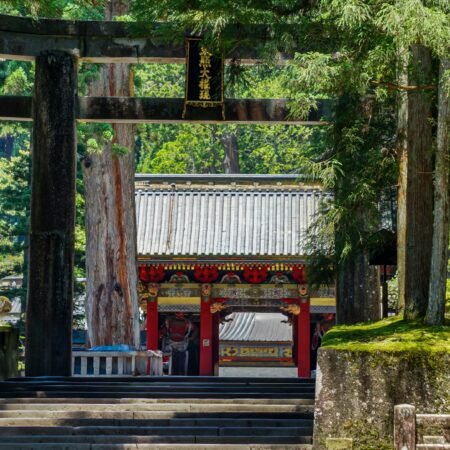
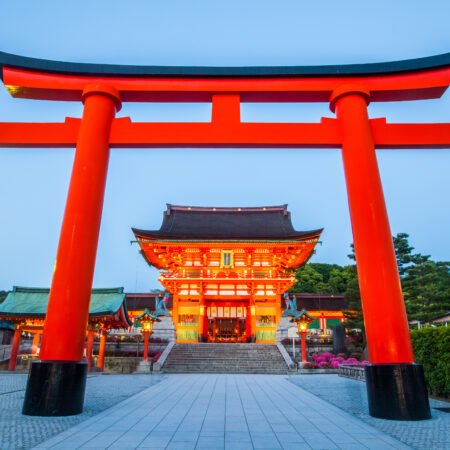
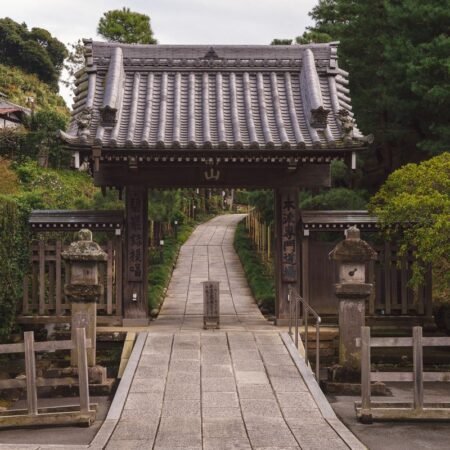
Yashima-ji itself is believed to have been founded in 754 by the Chinese monk Ganjin, and converted to the Shingon school by Kōbō Daishi around 815; its Kamakura-era main hall is an Important Cultural Property, and its Treasure House keeps relics connected to the battle alongside the temple’s own history, for a small admission fee. The temple and plateau are reachable by a Kotoden shuttle bus from either JR Yashima or Kotoden Yashima stations, and the walk up the old pilgrim’s trail is still there for anyone who wants to arrive the way centuries of pilgrims did. Opening times and bus schedules shift between sources I checked, so it’s worth confirming the current hours directly with the temple or a local tourist information desk before you go, rather than trusting any one website.
None of what’s here asks to be treated as a horror attraction, and I’d gently discourage anyone from treating it as one. This is an active pilgrimage temple, a war grave in everything but name, and a shrine that plenty of people visit in sincere hope rather than for a thrill. Keep to the marked paths and the lookout railings on the plateau’s edge — the drop to the sea is real even if the ghosts are only legend. Give the monuments to Sato Tsugunobu and the other battlefield dead the same quiet you’d give any grave, and don’t go treating the tanuki shrine as a photo prop; plenty of visitors are there to actually pray. Mount Yashima has spent eight hundred years turning a catastrophic defeat into something almost gentle — a view, a temple bell, a raccoon dog looking out for newlyweds. It seems worth the small effort of visiting it on those terms.
Note: images accompanying this article are illustrative stock photos and do not necessarily show the specific site discussed.
コメント