










I found the marker by accident. I was cutting through a back street in Oji, in Tokyo’s Kita ward, trying to avoid a sudden downpour, when I nearly walked into a small stone monument wedged between a coin laundry and a vending machine. It was carved with the words “Shōzoku Enoki” — the “Costume-Changing Hackberry” — and a short explanation about foxes. I read it twice under my umbrella, took a photograph I knew would come out blurry, and went home with the kind of itch I get whenever a completely ordinary street corner turns out to be sitting on top of a very old story.
That itch is basically my whole hobby at this point. Seven years in Japan, and the thing that still gets me every time is how a legend can survive the total physical disappearance of everything it was originally about — the tree is gone, the fields are gone, even the address has changed names — and yet the story is doing better than ever, printed on tourist pamphlets and reenacted every New Year’s Eve a short walk from where I stood getting rained on.
A Tree That Isn’t There Anymore
According to local tradition, the fields around Oji were once open farmland on the northern edge of Edo, and a large hackberry (enoki) tree stood among them. Every New Year’s Eve, so the story goes, foxes from across the Kantō region would gather beneath its branches to change into formal dress before processing together to Ōji Inari Shrine to pay their respects for the coming year. Villagers who glimpsed the strange lights moving across the dark fields called them kitsunebi — fox fires — and according to local legend, some farmers would count the fires as they passed, treating a larger procession as a sign of a good harvest to come. It’s a lovely piece of agricultural folk logic: read the omens, plant accordingly, and let the foxes do the forecasting.
The tree was famous enough by the mid-1800s that the ukiyo-e master Utagawa Hiroshige used it as the subject for one of the prints in his One Hundred Famous Views of Edo (1857), titled “New Year’s Eve Foxfires at the Changing Tree, Ōji.” It’s a genuinely strange, beautiful image — foxes with flickering blue-white flames rising from their mouths, gathered under bare winter branches against a night sky. It’s also, as far as I can tell, the reason this particular fox legend outlasted dozens of similar ones told all over the Kantō plain: somebody made great art out of it, and great art has a way of keeping stories alive long after the physical evidence is gone.
Losing the Tree, Keeping the Story
And the physical evidence really is gone. Sources differ slightly on the exact sequence, but the general shape of the story is that the original hackberry declined during the Meiji era and was ultimately felled in 1929 to make way for road widening. What happened next is where the story gets interesting for someone like me, who’s more curious about how legends function than about whether they’re literally true: after the tree was cut down, the area reportedly experienced a run of local misfortune, and residents began to worry they had disturbed something they shouldn’t have. Whether that’s cause and effect or simple pattern-matching after a run of bad luck, I won’t pretend to know — but the response is what matters here. Rather than letting the story die with the tree, the community planted a replacement and established a small shrine, Shōzoku Inari, on the site to formally honor the spot where the foxes were said to have dressed.
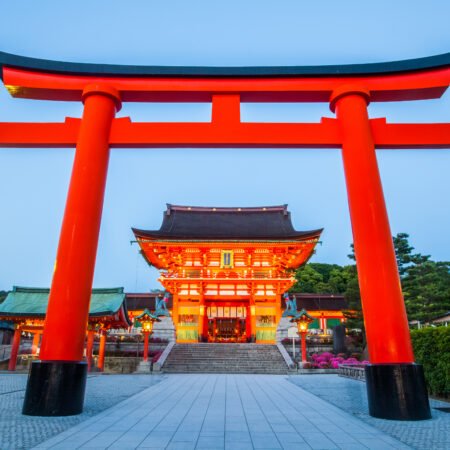
Ōji Inari Shrine itself, the destination of that old procession, has a documented history stretching back centuries, with an illustrated scroll from 1641 already depicting the fox gathering as part of the shrine’s lore, and records from 1791 showing the Edo shogunate taking the shrine’s official rank seriously enough to intervene in a dispute over it. This wasn’t ever some obscure roadside superstition — it was tied to one of the more prominent Inari shrines in the region, and Inari worship, with its foxes as the deity’s messengers rather than gods in their own right, was and is a serious part of local religious life, not just ghost-story material.
The Parade That Brings It Back Every Year
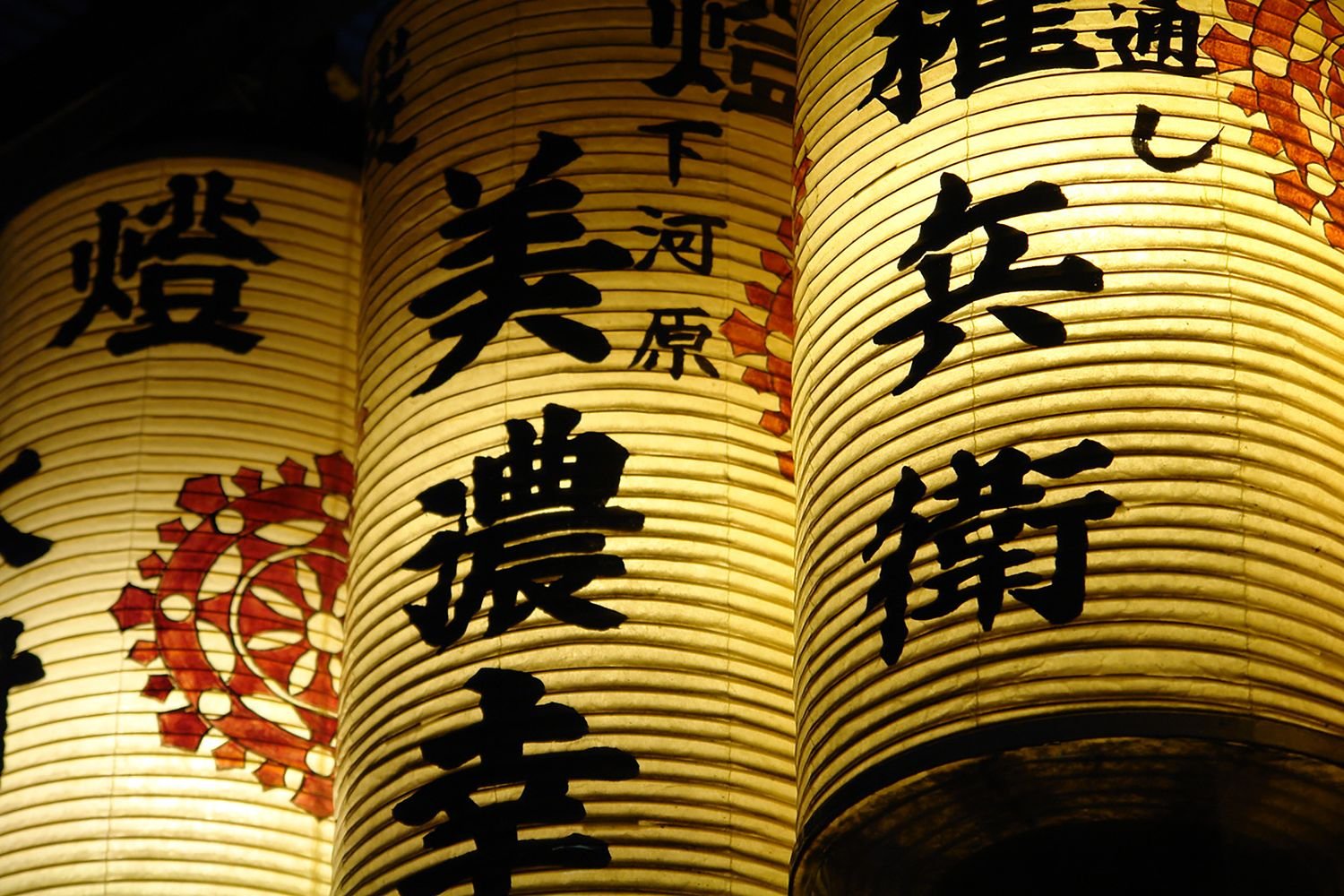
What I like most about this one is that the legend didn’t stay trapped in a woodblock print. Starting in 1993, the local community revived the story as a real annual event: the Ōji Kitsune no Gyoretsu, or Fox Parade. On New Year’s Eve, running into the small hours of New Year’s Day, participants in fox makeup and traditional dress walk the old route from Shōzoku Inari Shrine to Ōji Inari Shrine, carrying yellow paper lanterns meant to stand in for the foxfire their ancestors supposedly saw crossing the fields. Shōzoku Inari hands out special commemorative stamps for the occasion, nearby shops sell fox masks, and in recent years the event has drawn a genuinely international crowd — I’ve heard more English and Mandarin around that route on December 31st than Japanese.
Standing at the edge of that crowd the first time I went, watching a line of paper lanterns bob down a narrow Tokyo street toward a shrine gate, I had the odd feeling of watching a 19th-century woodblock print get up and start walking. That’s the part of this hobby I find genuinely moving rather than spooky: not a scare, but a community deciding, generation after generation, that a story about foxes changing clothes under a tree that no longer exists was worth keeping alive on purpose.
Visiting Respectfully
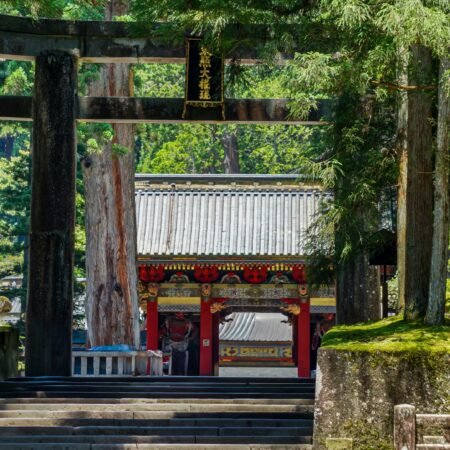
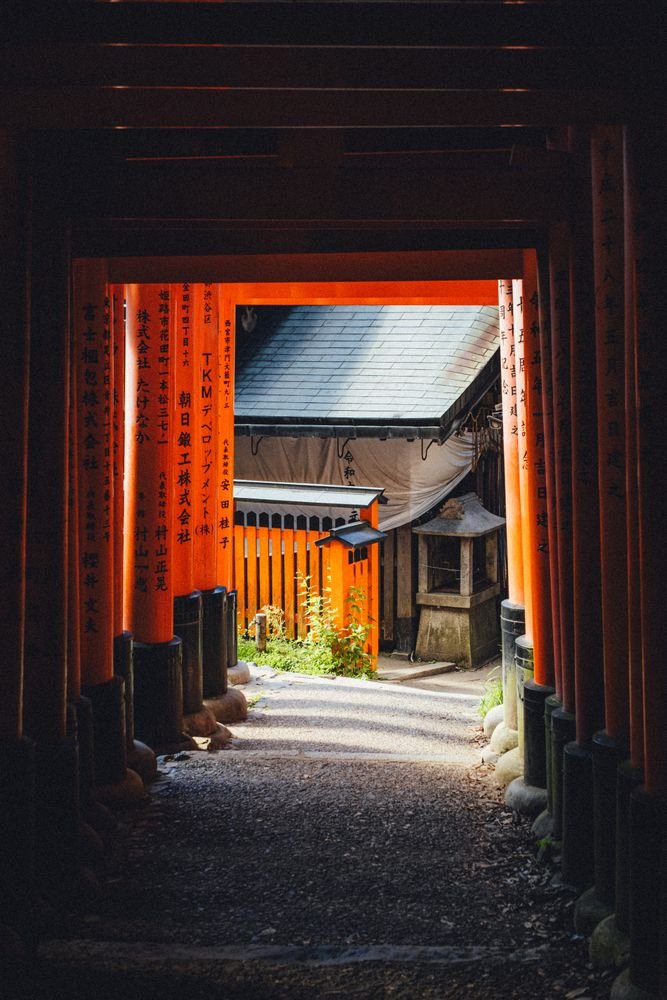
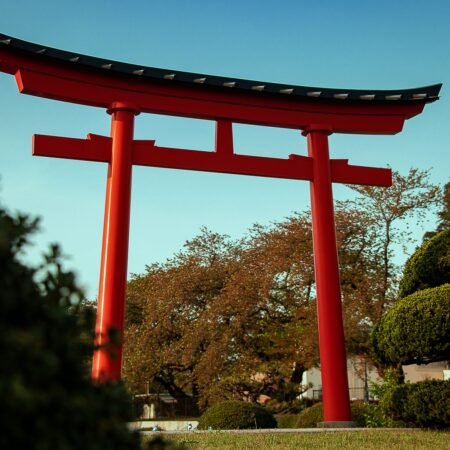
Both Ōji Inari Shrine and the smaller Shōzoku Inari Shrine are active, publicly accessible places of worship, easily reached from Ōji Station, and there’s no need to go looking for anything hidden or off-limits — the entire point of this story lives in plain sight, on ordinary streets. If you go for the Fox Parade itself, remember it’s a genuine local festival and religious observance before it’s a photo opportunity: keep to the pavement, don’t block the procession route or the shrine entrances, and be patient with the crowds, since it can get busy along the narrow stretch between the two shrines. It also runs late into a cold night, so dress for the weather and expect train services around New Year’s to run on a holiday schedule. If you visit at a quieter time of year instead, treat it as you would any working shrine — a small bow at the torii, a quiet moment at the offering hall, and the normal courtesy of not treating someone else’s place of worship as a backdrop first and a shrine second. Either way, it’s one of the gentler entries in this particular corner of my hobby: a story that costs nothing to visit and asks for nothing more than a bit of respect and, if you can manage it, a cold night in late December.
Note: images accompanying this article are illustrative stock photos and do not necessarily show the specific site discussed.




コメント