








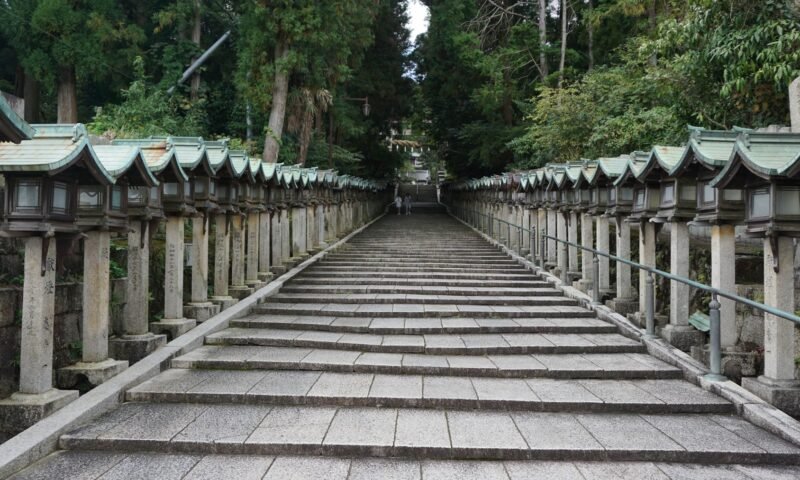
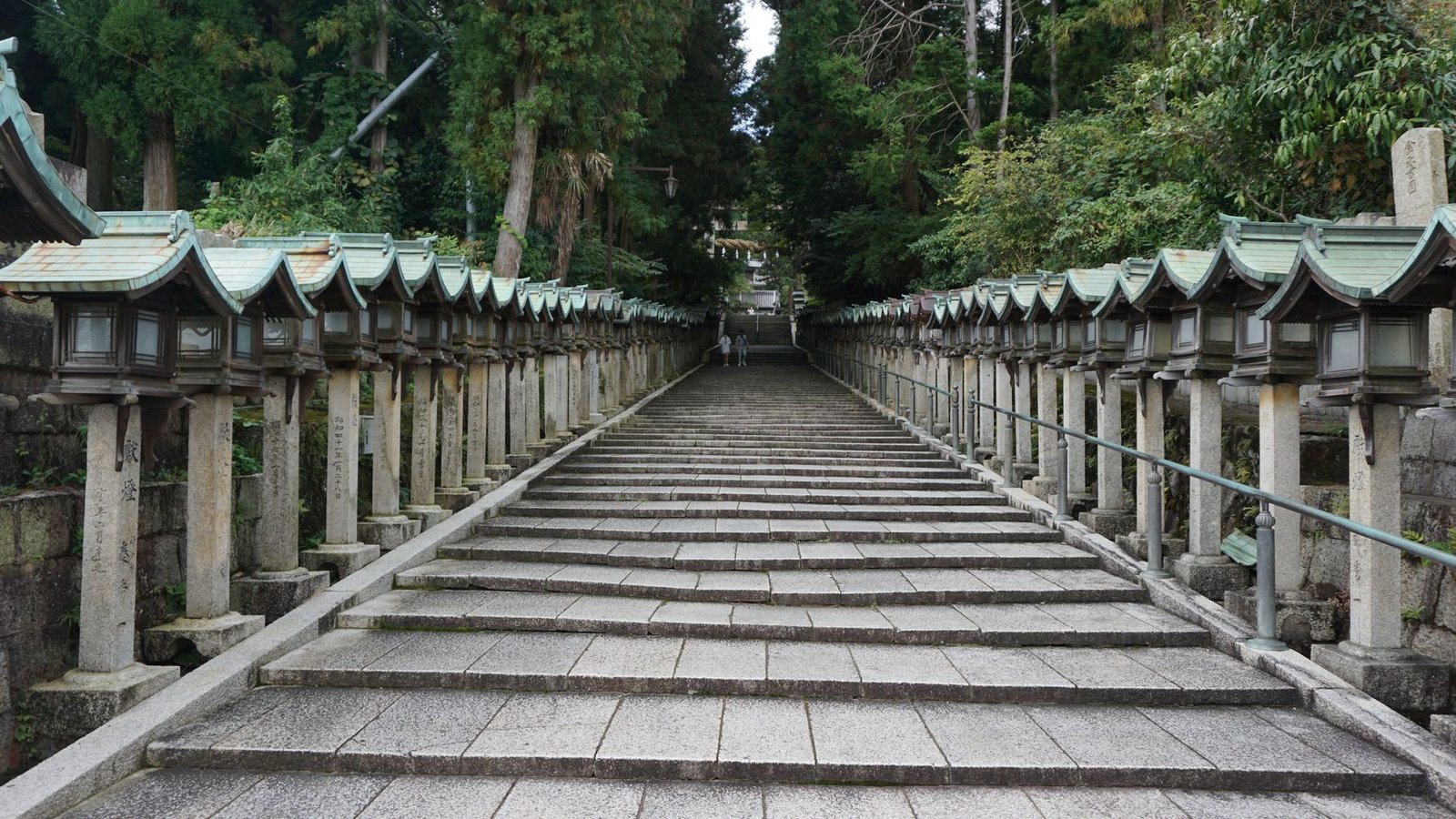
I got caught in the rain the first time I hiked up to Kifune Shrine, and I’ve come to think that’s the correct way to see it. The stone steps that climb past the main hall are lined with vermilion lanterns, and on a wet afternoon in early autumn they seem to float above the stairs rather than sit on them. Below, the Kibune River rushes loud enough to talk over. It’s a genuinely beautiful place — the kind of shrine that ends up on postcards and Instagram grids under hashtags about romance and good fortune. What most of the visitors filing past me with their phones out didn’t seem to know, and what I only learned afterward from a used bookshop find in Kyoto, is that this same shrine is where, according to one of Japan’s oldest and strangest legends, a heartbroken woman is said to have learned how to become a demon.
A Shrine of Two Faces
Kifune Shrine sits in the hills of Sakyo-ku, north of central Kyoto, close enough to Kurama that many visitors combine the two in a single day trip over the ridge. It’s dedicated to Kuraokami-no-kami, a deity of water and rain, which makes sense of the shrine’s long relationship with the imperial court: historical records describe the court sending offerings here during droughts and floods alike, and by 965 Kifune was already important enough that Emperor Murakami included it among the sixteen shrines that received imperial messengers to report significant events to Japan’s guardian kami. From 1871 until the end of the Second World War it held official rank as a state-supported shrine. None of that history is especially eerie on its own — it’s the record of a respected water shrine that mattered to the country for well over a thousand years.
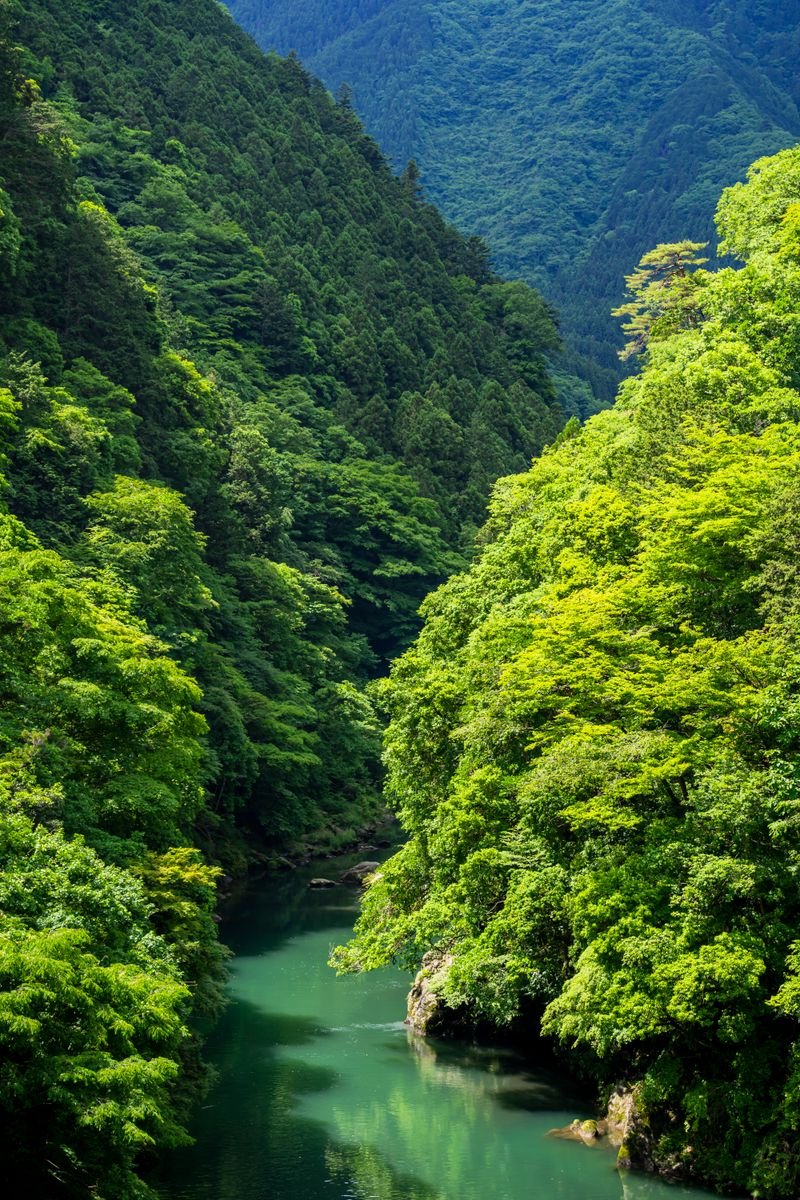
The complex is really three shrines strung along the valley: the Hongu (main shrine) near the entrance, the Yuinomiya partway up, and the Okunomiya, the older inner shrine, further along the river. It’s a lovely, unhurried walk between them, especially in the momiji season when the maples over the Okunomiya turn the whole valley red.
The Woman Who Prayed to Become a Demon
The darker story attached to Kifune comes from an extended episode of the Genpei Josuiki and the Taiheiki, medieval texts that expand on The Tale of the Heike, in a section usually called the “Tsurugi no Maki” — the Chapter of the Sword. The story is set, according to the telling, during the reign of Emperor Saga in the early ninth century. A noblewoman, consumed by jealousy over a rival in love, travels to Kifune and prays for seven days and nights, asking to be transformed into a living demon so she can take her revenge.
The tale says the deity answered her — with instructions rather than refusal. She was to dye her body red, part her hair into five horns, and immerse herself in the Uji River, some distance south of Kifune, for three weeks. Local tellings differ on exactly how long the ritual took, with some later versions stretching it to thirty-seven days. When it was done, she is said to have emerged as Hashihime — the “Bridge Princess” — a demon so named for her association with Uji Bridge, one of Japan’s oldest bridges, where she is said to have gone on to kill her rival and, in the more elaborate retellings, quite a few other unlucky people besides. The Noh playwright Zeami later dramatized the story as the play Kanawa, “The Iron Crown,” which is still performed today.
It’s worth being clear about what this actually is: a medieval legend, several times removed from any historical event, telling us far more about Heian-era anxieties over jealousy, gender, and ritual power than about anything that happened at this particular shrine. Nobody I’ve read treats it as history. But it’s also, as it happens, the origin story for a ritual that outlived the legend by many centuries.
Ushi no Toki Mairi
According to the story, Hashihime’s method — dressing in white, setting an inverted iron tripod topped with lit candles on her head, visiting a shrine at the hour of the ox (roughly 1 to 3 a.m.), and driving a nail into a sacred tree — became the template for what’s known as ushi no toki mairi, the “hour of the ox visit.” The practice, most associated in folklore with Kifune Shrine itself, developed its familiar form during the Edo period: a straw effigy of the target nailed to a tree, repeated on seven consecutive nights, said to curse whoever the doll represented.
I want to be careful here, because it’s easy for an article like this to make a shrine sound sinister when it plainly isn’t. Ushi no toki mairi is folk practice and folklore, not something the shrine teaches or endorses, and Japanese legal scholarship has actually used attempted curses of this kind as a textbook example of a crime that’s impossible to actually commit — intent without means. What’s real is the story’s grip on the culture: centuries later, it’s still the reference point whenever a Japanese ghost story or drama wants to depict a curse.
What’s also real, and rather wonderful, is that the same shrine is now one of Kyoto’s most visited spots for the opposite of a curse. Kifune is famous today for its mizuura mikuji, water fortune slips that reveal blank until you float them on the surface of a sacred spring, and for its reputation as an enmusubi, or matchmaking, power spot — visitors come specifically hoping for good luck in love, praying at the very place their medieval predecessor once prayed for the opposite.
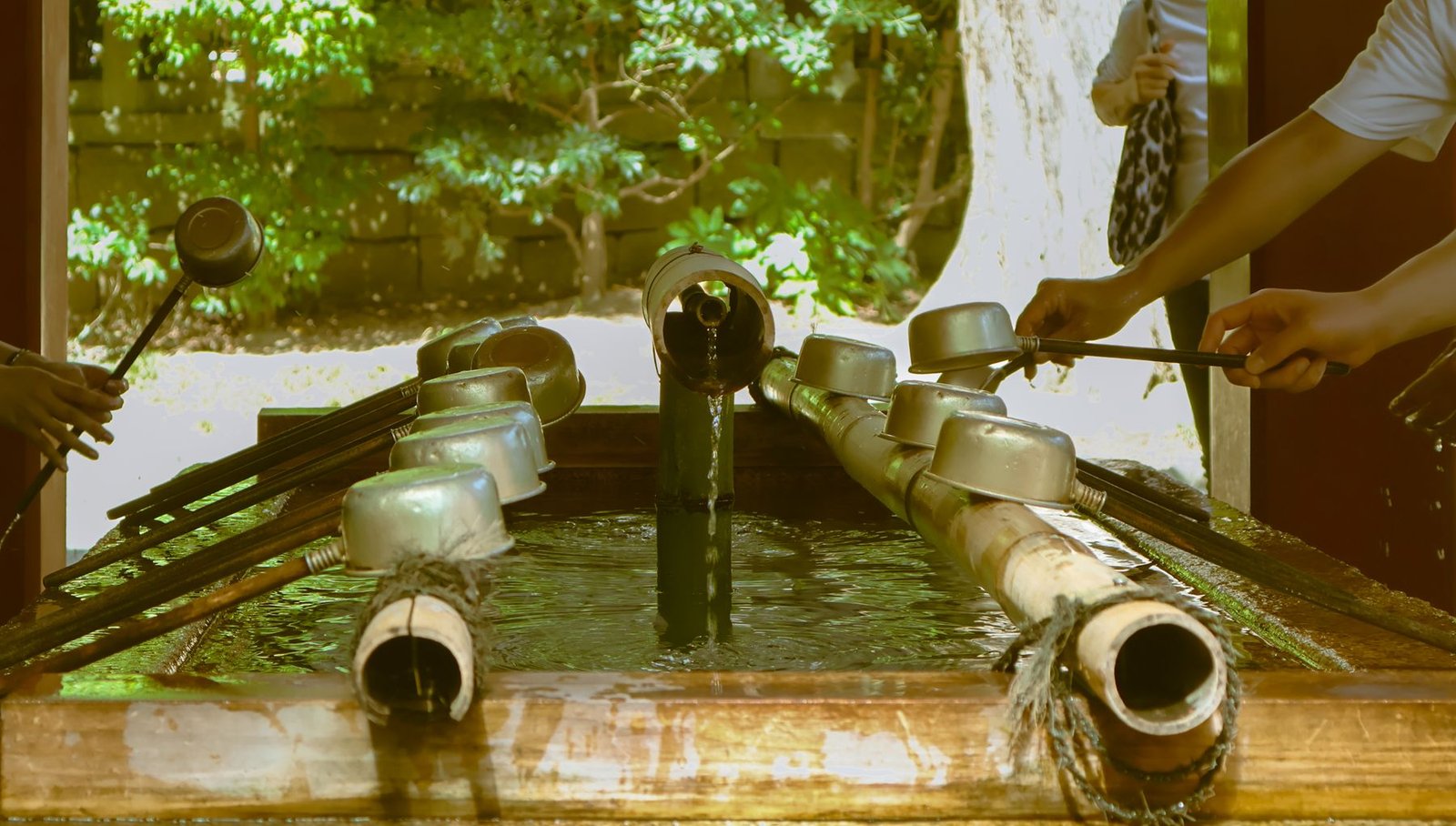
I stood at that spring for a while, watching a young couple laugh as their fortune slip slowly revealed itself in the water, a few dozen meters from the tree where, in another century’s telling, someone else knelt at 2 a.m. with an entirely different kind of prayer. Both things are true about this shrine, and I don’t think either cancels the other out.
If you visit, keep to the marked paths and worship areas — the hillside trail between the three shrines and up toward Kurama can be steep and uneven, especially after rain, so proper footwear matters more than it looks like it will. Treat the ema boards, offerings, and any ritual objects you come across with the same respect you’d want shown to something meaningful to you, and remember that whatever the legends say, this is first and foremost a functioning place of worship, not a stage set. Go in the early morning or late afternoon if you want to avoid the tour groups, and, if it happens to be raining when you arrive, don’t let that put you off. It rather suits the place.
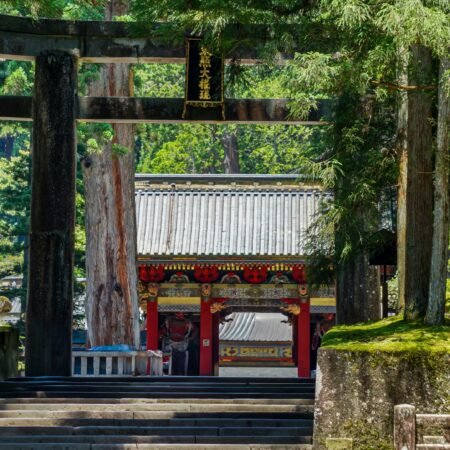
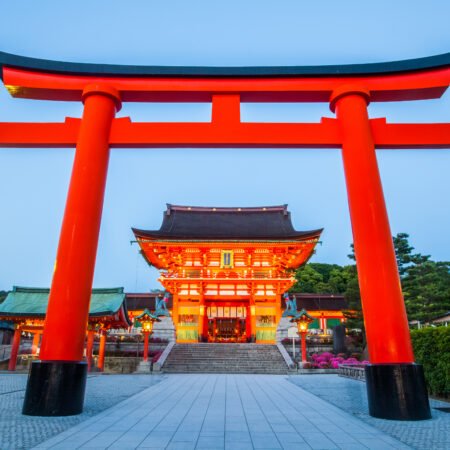
Note: images accompanying this article are illustrative stock photos and do not necessarily show the specific site discussed.

コメント