





The first time someone mentioned the Jidai Matsuri to me, I genuinely thought they were talking about a samurai movie shoot. I was walking near the Kyoto Imperial Palace on an October afternoon a couple of years ago, and the sidewalks were suddenly full of people in full Heian-period court robes, Edo-era armor, and Meiji military uniforms, just milling around a staging area like it was the most normal thing in the world. Someone was adjusting a horse’s saddle. Someone else was fixing another guy’s wig. I stood there with my coffee, completely confused, until a woman next to me explained that this happens every single year, and no, it is not a movie.
That was my introduction to what locals call one of Kyoto’s “big three” festivals, and once I understood what I was actually looking at, I couldn’t believe I’d never heard of it before.
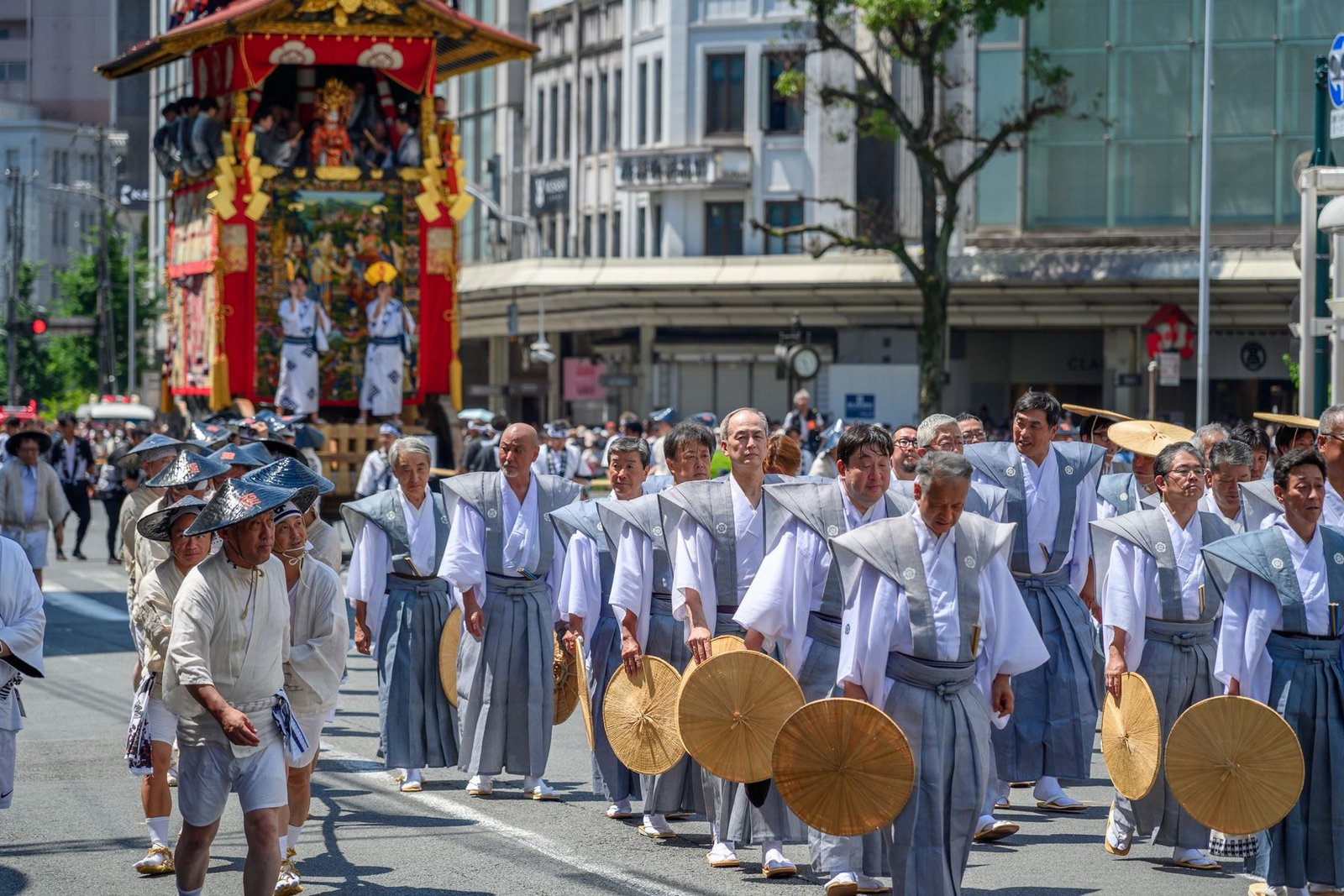
So What Exactly Is the Jidai Matsuri?
The name translates roughly to “Festival of the Ages,” and that’s a pretty literal description of what happens. Once a year, on October 22nd, around 2,000 people dress up as figures from every major era of Kyoto’s history and walk about five kilometers through the city, from the Imperial Palace down Oike and Sanjo streets to Heian Shrine. It’s basically a slow-moving, extremely detailed history lesson, except nobody’s taking notes because everyone’s too busy trying to spot Oda Nobunaga in the crowd.
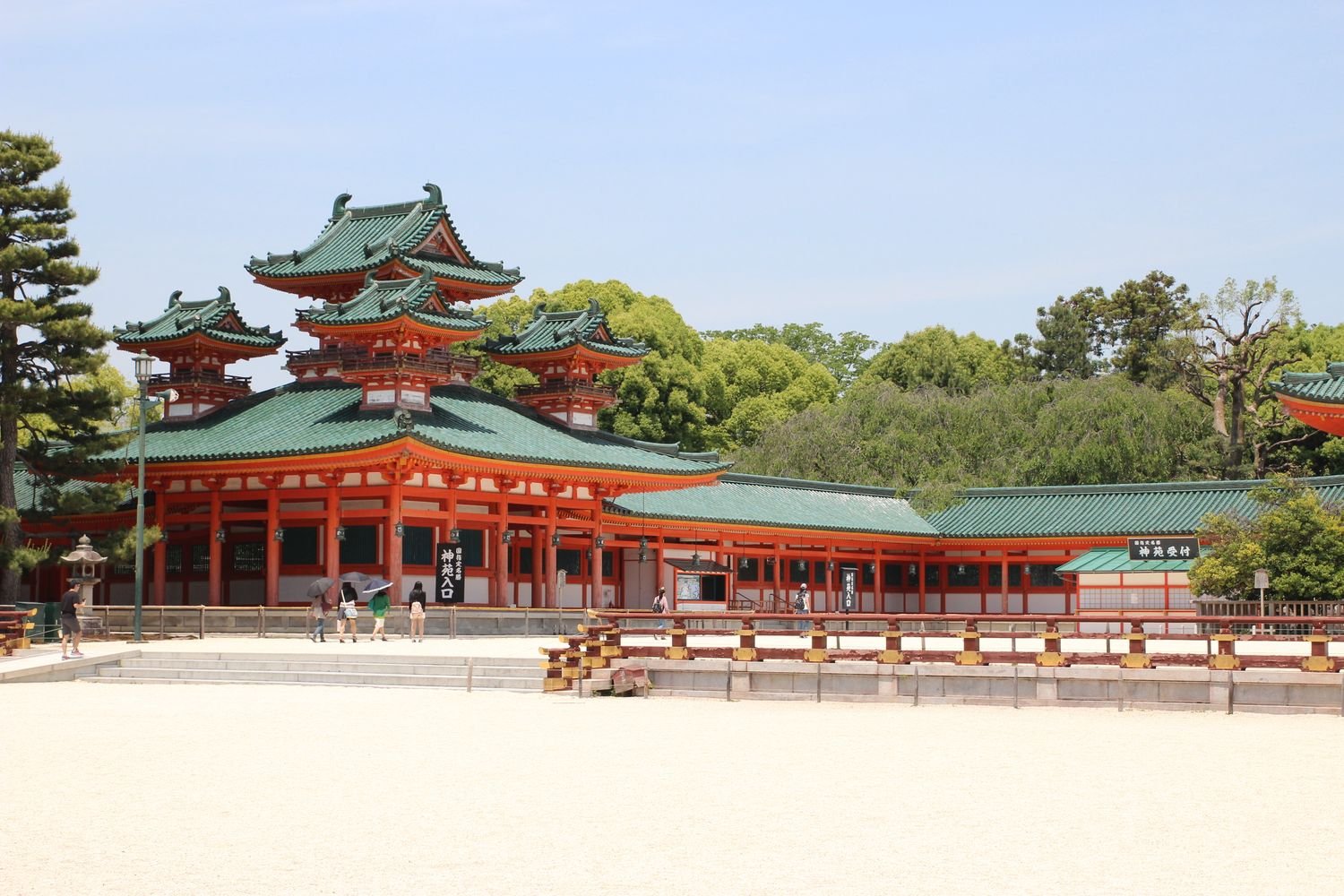
The festival itself isn’t ancient, which surprised me. It was actually started in 1895 by Heian Shrine, built that same year to mark the 1,100th anniversary of Kyoto becoming the capital back in 794. When the capital moved to Tokyo in 1868, Kyoto lost a huge part of its identity almost overnight, and this festival was basically the city’s way of saying, “we still matter, and here’s eleven centuries of proof.” It’s held alongside Aoi Matsuri and Gion Matsuri as one of Kyoto’s three signature annual festivals, though it’s the youngest of the three by a long shot.
Walking Through a Living Timeline
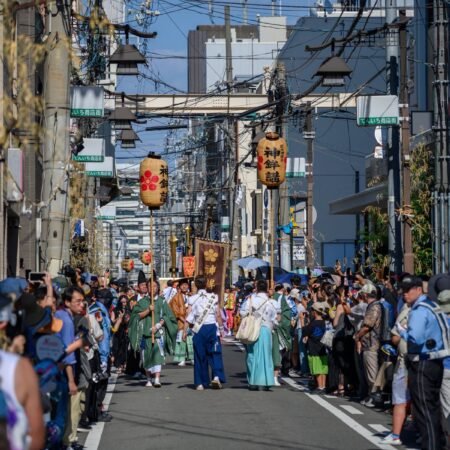
What struck me most, once I found a spot along Oike-dori to actually watch the thing, was how the procession is organized in reverse chronological order. It starts with the Meiji era, the most recent, and works backward through the Edo period, the Muromachi period, all the way to the Heian period at the very end. So as the parade moves past you, you’re technically watching Kyoto’s history rewind in real time.
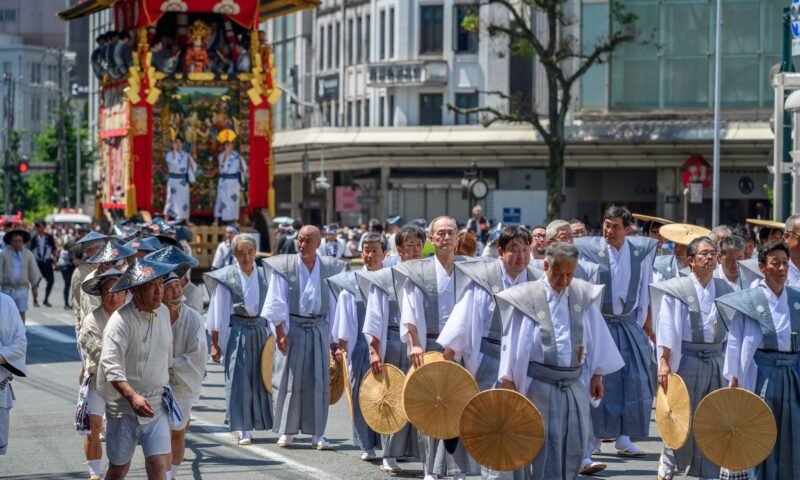
There are roughly twenty distinct groups, each representing a different era or social class, and the level of detail in the costumes is honestly kind of absurd in the best way. I saw Meiji-era imperial soldiers in stiff formal uniforms, Edo-period officials in an elaborate shogun’s procession complete with attendants on horseback, and a whole group dressed as Oda Nobunaga’s warriors in armor that looked like it belonged in a museum case rather than on a street. Sakamoto Ryoma showed up at one point, to a noticeable ripple of recognition from the crowd around me, since he’s something of a folk hero here. Further back came noblewomen in Heian-period silk robes with those dramatically long trains, moving at a pace that seemed designed to make you appreciate just how impractical (and gorgeous) that fashion was.
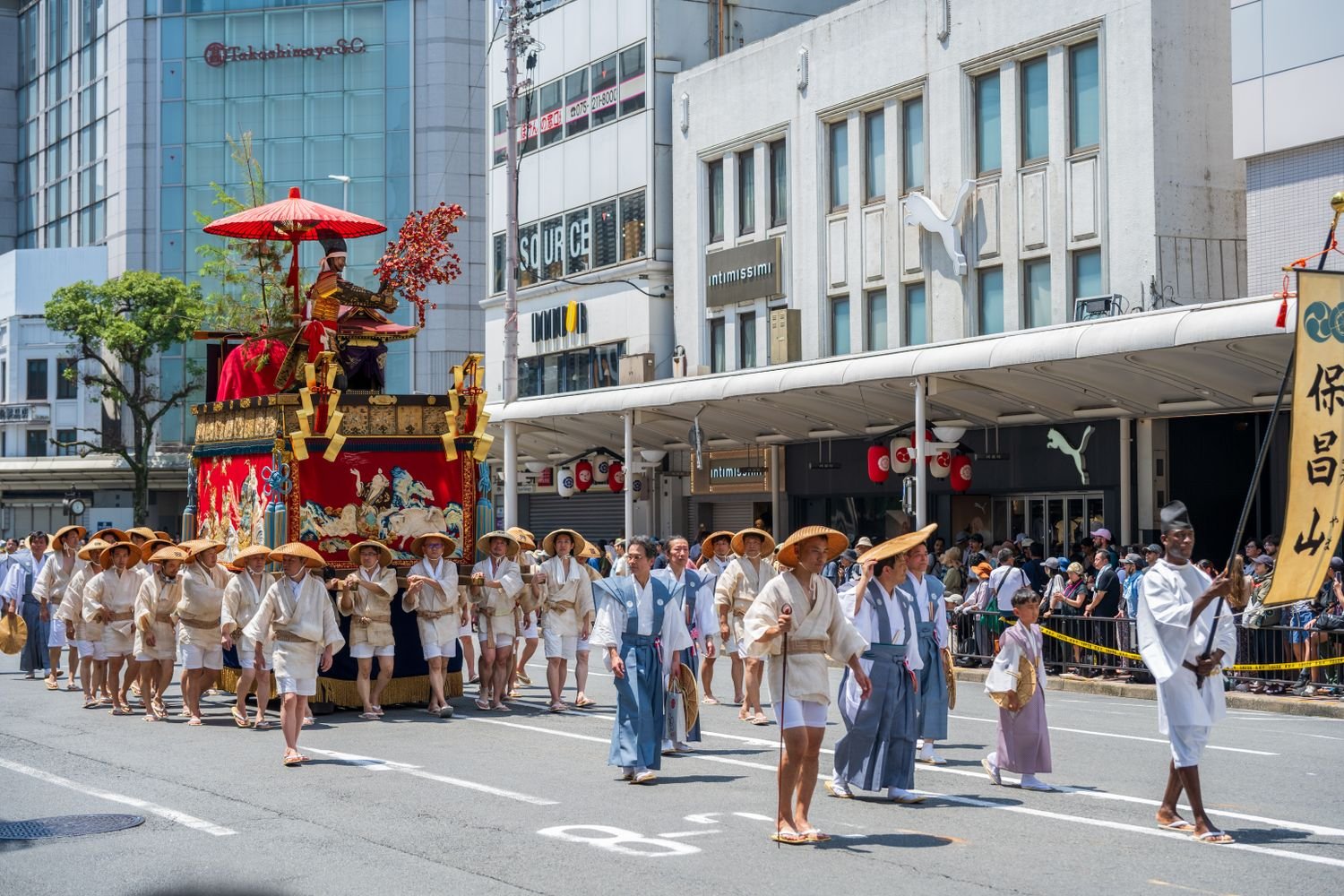
Two mikoshi, or portable shrines, also travel in the procession, carrying the spirits of Emperor Kammu, who founded Heian-kyo, and Emperor Komei, who was added to the festival later. Because the whole procession takes around two hours to fully pass any single viewing spot, you get a real sense of scale that photos never quite capture. It’s less like watching a parade and more like watching an entire city’s memory walk by, one century at a time.
Practical Tips for Watching in 2026
If you want to see it yourself this year, here’s what I’d tell my past, coffee-holding, confused self.
The procession departs from the Imperial Palace grounds in the late morning and finishes at Heian Shrine in the afternoon, so you don’t need to camp out at dawn, but you do want to pick your spot with some intention. The stretch along Oike-dori tends to be a bit less packed than the areas right around the Palace or right at Heian Shrine, so that’s where I’d suggest planting yourself, especially if you want breathing room to actually take photos rather than shooting over someone’s shoulder. If you’d rather not stand for two hours, paid reserved seating is available at a few points along the route, usually in the ¥5,000 to ¥7,500 range, and it can be booked online in advance, which is worth it if you’re visiting Kyoto specifically for this.
One thing I didn’t realize my first year: October 22nd is also the date of the Kurama Hi Matsuri, the fire festival I wrote about happening up in the hills north of the city. Some visitors try to combine both in a single, very long day, catching the Jidai Matsuri procession in the afternoon before heading up to Kurama for the evening. It’s doable, but it makes for a genuinely exhausting day of sightseeing, so pace yourself and eat something substantial in between.
Weather-wise, late October in Kyoto is usually mild and pleasant, but bring a light jacket for the evening if you’re staying out late for Kurama afterward. And do wear comfortable shoes. You’ll likely be walking and standing for hours, and Kyoto’s sidewalks do not care about your footwear choices.
Watching the Jidai Matsuri made me think about Kyoto differently. It’s easy to treat this city as a museum piece, all temples and gardens frozen in time, but this festival is really a reminder that people here have been actively choosing, for over a century now, to keep that history walking, literally, through the streets every single year. It’s not preserved behind glass. It’s out there in the sun, in wool and silk and armor, moving forward one step at a time.
If you’re planning an October trip to Kyoto, I’d genuinely put this on the list, even if you’ve already seen your fill of temples. There’s something about watching history move that hits differently than reading about it ever could.
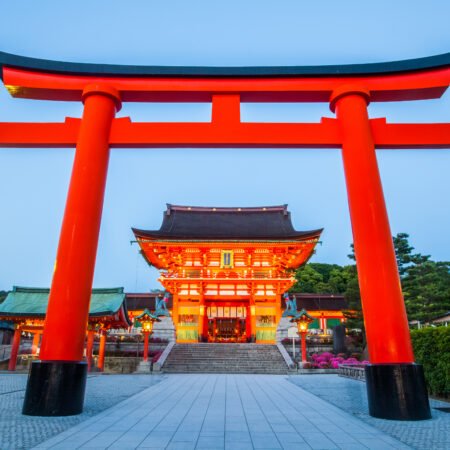
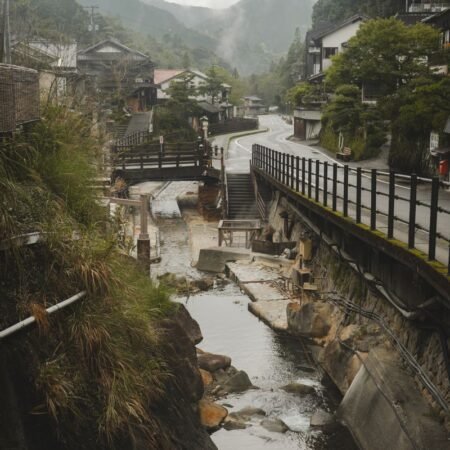
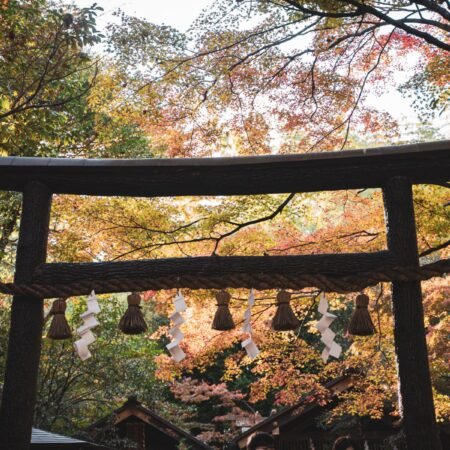
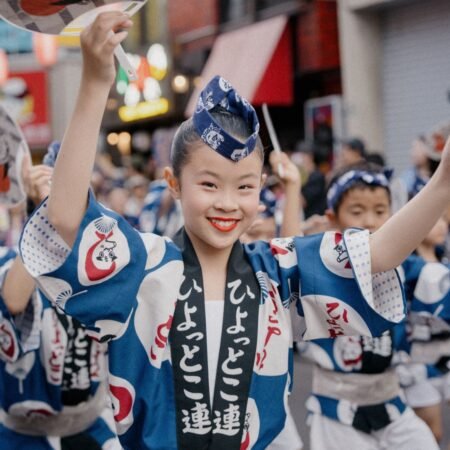
A quick note on photos: some of the images here are stock photos I’ve used to set the mood — they may not be the exact spot or moment I’m describing, just close in spirit.

コメント