





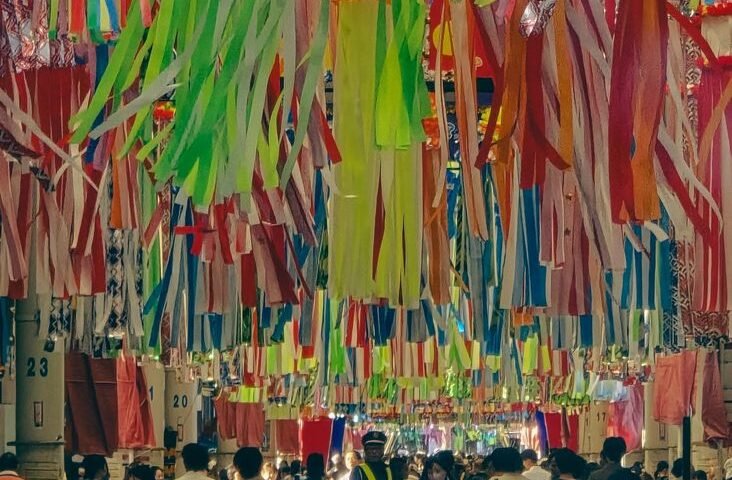
I showed up in Sendai last August with a backpack, a rough plan, and no real idea what I was walking into. One minute I stepped off the Tohoku Shinkansen into a perfectly ordinary station plaza, and the next I was swallowed by a tunnel of color — thousands of paper streamers, some of them taller than I am, swaying over the Ichibancho arcade like the entire street had been dressed up for a parade nobody told me about. I just stood there for a solid minute with my head tilted back, letting people flow around me on both sides. Welcome to the Sendai Tanabata Matsuri, I guess.
Five years into living in Japan, I thought I’d gotten pretty used to matsuri season. I was wrong. Sendai does Tanabata — the “Star Festival” that most of the country marks in early July with a few bamboo branches and some paper wishes tied to them — on a completely different scale, and a full month later than everywhere else. Turns out there’s a reason for both.
Why Sendai Does Its Own Thing
Tanabata itself comes from an old Chinese legend about two star-crossed lovers, Orihime and Hikoboshi, who were separated by the Milky Way and are allowed to meet just once a year. Most of Japan celebrates on July 7th by the modern calendar. Sendai, though, sticks to the old lunar-calendar timing, which pushes the date about a month out — hence the city’s festival landing in early August instead.
People in Sendai will tell you the tradition goes back to Date Masamune, the one-eyed daimyo who founded the city in the early 1600s and is still something of a local hero centuries later. What I didn’t realize until I started asking around is that the dazzling street-decoration version of the festival — the one that packs hundreds of thousands of people into the city center — isn’t actually a straight, unbroken line back to the Edo period. The elaborate paper displays as we know them took shape in the late 1920s, when local merchants revived and reinvented the custom to lift spirits during a rough economic stretch. The tradition nearly died out again during the war, then came back once more afterward as a very deliberate symbol that the city was recovering. Knowing that made walking under all those streamers hit a little differently — this isn’t just decoration, it’s a city repeatedly choosing to do something beautiful on purpose.

Seven Kinds of Paper, Each With a Job
Here’s the thing I appreciated most once a very patient shopkeeper explained it to me: the decorations aren’t random. There’s a whole system. Traditional Sendai Tanabata displays are built around seven types of ornaments, called the nanatsu kazari, and each one is a wish for something specific. The long fukinagashi streamers — the ones that stopped me in my tracks — represent the threads Orihime wove as the weaver star. Paper cranes (orizuru) are for family safety and long life. A little paper garment (kamigoromo) wards off illness and disaster. A woven net shape (toami) wishes for a good catch or harvest. A drawstring purse (kinchaku) is for business prosperity, a little paper basket (kuzukago) stands for cleanliness and not being wasteful, and strips of paper with wishes written on them (tanzaku) — the part of Tanabata everyone else in Japan also does — are for things like good handwriting and school success.
Each full streamer set usually bundles five fukinagashi together under one big decorative ball, and the bamboo poles holding them up are often over ten meters tall. Shop owners and shopping associations spend serious money — sometimes well into the hundreds of thousands of yen per display — and there’s real pride on the line, because every year a panel awards gold, silver, and bronze plaques for the best ones, which get posted right at the base of the winning poles. I started a game with myself of spotting the plaques, which is a great way to kill an hour without noticing the heat.
The Eve Festival: Fireworks First
If you can swing it, get into town the evening before the main event. Sendai kicks things off with a “Tanabata Eve Festival” the night before the decorations go up, centered on a big fireworks show near Nishi Park. I’d read that it draws something like half a million people and thought that was an exaggeration until I tried to find a spot to sit down. I gave up on getting close and watched from a side street instead, with a can of grape Fanta and reflections off the office windows doubling half the show.

The next morning, almost like magic, the decorations go up along Chuo-dori and the Ichibancho arcade — a stretch that starts about five minutes’ walk from Sendai Station and just keeps going. Because the arcades are covered, the whole thing works rain or shine, and shopkeepers told me they’ll simply cover the paper displays in plastic if a storm rolls through. I went on a weekday morning on the advice of a very kind hostel owner, and I’m glad I listened — by the Saturday, the same streets were shoulder to shoulder in a way that made it hard to actually look up at anything.
Gyutan, Zunda, and Getting There
You cannot visit Sendai without eating gyutan — thinly sliced, char-grilled beef tongue that the city is famous for, usually served with barley rice, oxtail soup, and pickles. It sounds like an odd thing to order on vacation and then becomes the thing you think about for weeks afterward. The other local obsession is zunda, a bright green paste made from mashed sweet edamame, which shows up on mochi, in shakes, and stuffed into all kinds of snacks around the festival stalls. I am not a sweet-edamame-paste person in theory. I became one within about two bites.
Getting to Sendai from Tokyo is refreshingly easy — the Tohoku Shinkansen gets you there in around ninety minutes, which makes this a very realistic long weekend even if you’re based further south. If you’re planning around the festival dates, book your hotel early; rooms in the city center sell out well in advance once people realize what a big deal this is.
Worth the Detour
I went into the Sendai Tanabata Matsuri expecting a slightly bigger version of the Tanabata displays I’d seen in Tokyo train stations, and left having completely recalibrated what a “street decoration” can be. There’s something about walking for a kilometer under that much color, knowing each streamer is tied to a specific hope someone had for their family or their shop, that stuck with me longer than I expected. If you’re building a late-summer Japan itinerary and want something that isn’t Tokyo or Kyoto, I’d put this near the top of the list.
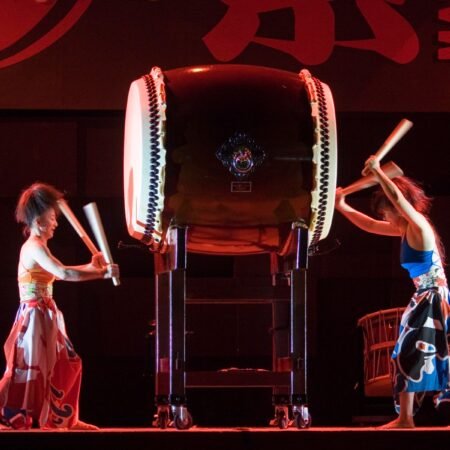
A quick note on photos: some of the images here are stock photos I’ve used to set the mood — they may not be the exact spot or moment I’m describing, just close in spirit.

コメント