





I still remember the exact moment my ears started ringing. I was standing somewhere along Chuo-dori in Morioka, Iwate Prefecture, sandwiched between a grandmother waving a paper fan and a toddler on his father’s shoulders, when the first wave of taiko drums rolled toward us like weather. Not music, exactly — more like the street itself had a heartbeat, and it was beating directly into my chest. That was my introduction to the Morioka Sansa Odori, and five years into living in Japan, it’s still one of the loudest, most joyfully overwhelming nights I’ve had here.
If you haven’t heard of it, Sansa Odori doesn’t get quite the international name recognition of Awa Odori or the Nebuta floats up in Aomori, and honestly, I think that’s part of its charm. This is a festival that belongs to Morioka first and visitors second, and you can feel that in the way local families, company teams, and school groups all show up to dance and drum together, year after year.
The Demon’s Handprint and the Dance That Followed
Every good Japanese festival has an origin story, and Morioka’s is one of my favorites. Centuries ago, so the legend goes, a demon named Rasetsu terrorized the area around what’s now Mitsuishi Shrine, until the local deity caught him and forced him to swear he’d never return. As proof of his promise, the demon pressed his hand into a massive boulder, leaving a handprint behind. The townspeople were so relieved that they danced around the rock in celebration — and that burst of spontaneous joy is said to be the root of both the Sansa Odori dance and, more surprisingly, the name “Iwate” itself, which can be read as “rock hand.”
I love this story because it explains so much about the festival’s personality. There’s no somber ritual procession here, no centuries-old grudge being reenacted. It’s a party that exists because, a very long time ago, some relieved villagers decided to dance, and the city just never really stopped.
You can still visit the handprint rock at Mitsuishi Shrine, a quiet hillside spot that’s a world away from the roar of the festival itself. I went the morning after my first Sansa Odori, half-deaf and slightly hoarse, and it was oddly moving to stand in front of the boulder that supposedly started all that noise.
Ten Thousand Drums and a World Record
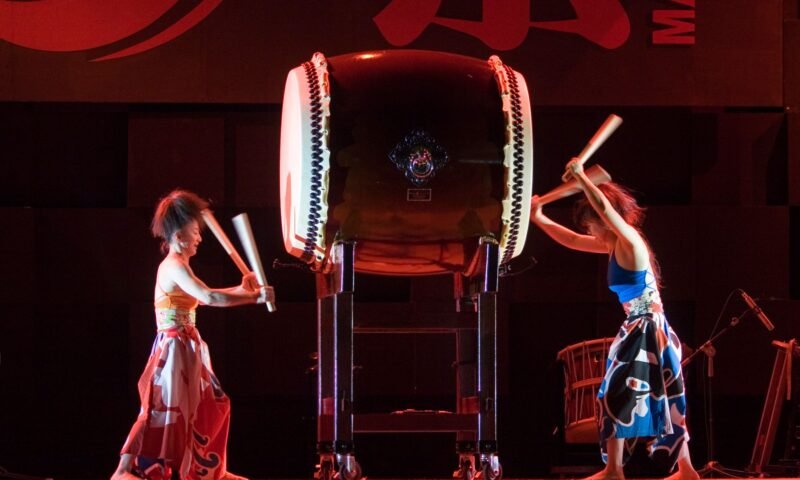
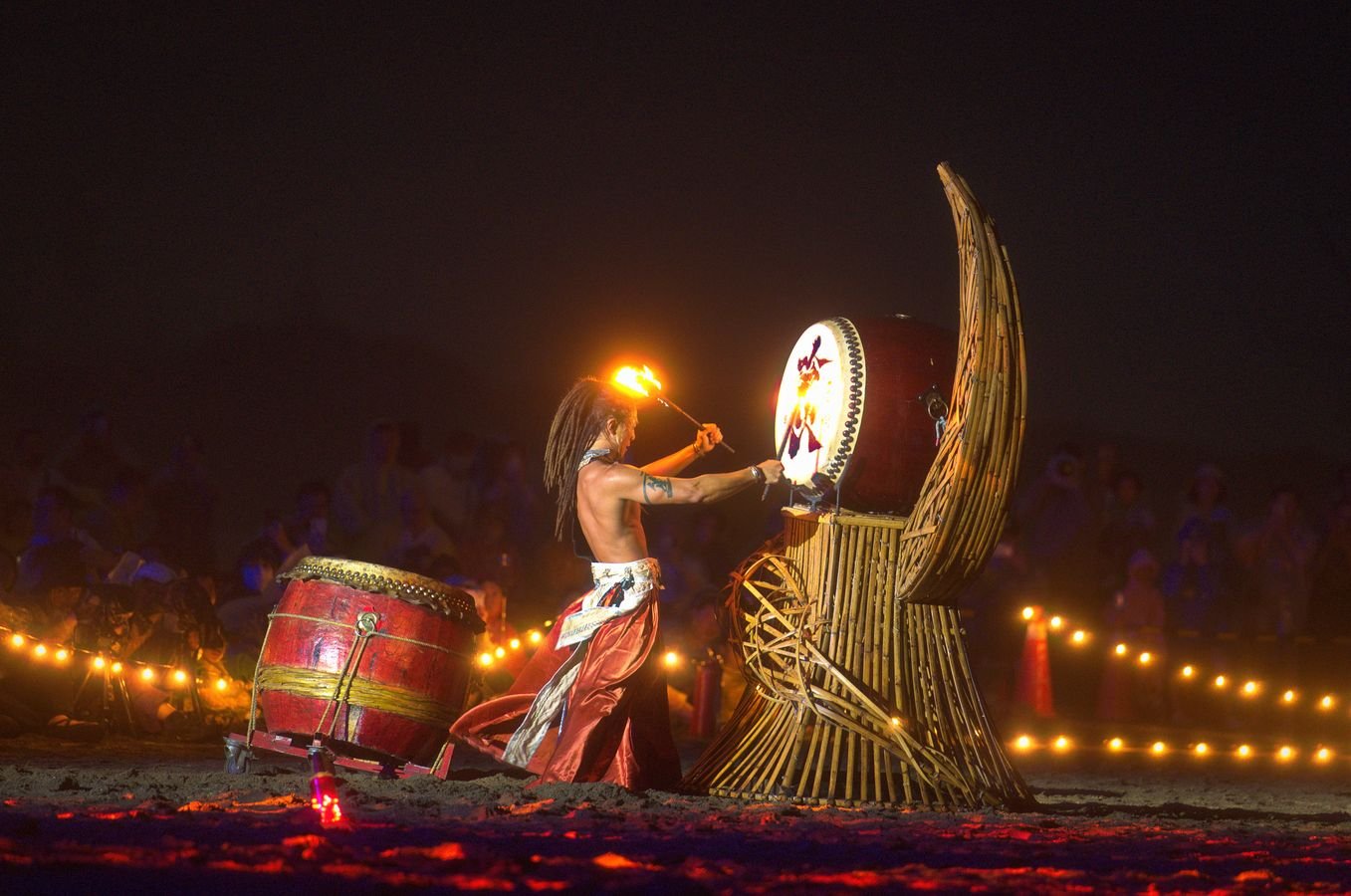
Here’s the number that still doesn’t quite fit in my head: during the festival’s peak years, Morioka gathered over 10,000 taiko drummers to perform together, earning a Guinness World Record for the largest taiko drum ensemble. Even in a typical year, the scale is staggering — dozens of teams, each with their own drums, flutes, and dancers in matching happi coats, moving down Chuo-dori in a procession that can take hours to fully pass.
What struck me most wasn’t just the volume, though that alone was enough to vibrate my ribcage. It was the rhythm itself: a driving, insistent pattern that locals and visitors alike can’t help but move to, paired with the dancers’ call of “Sakkora Choiwa Yasse,” which the crowd around me picked up almost immediately, like we’d all been rehearsing it our whole lives.
Unlike some festivals where spectators stay firmly on the sidelines, Sansa Odori actively invites you in. There are open dance sections during the festival where anyone — tourists very much included — can grab a set of hand drums or just join the line of dancers and learn the steps on the spot. I fumbled through it with a drum on loan from a very patient festival volunteer, and even though I was clearly a beat behind everyone else, nobody seemed to mind in the slightest.
Wanko Soba and the Chaos of Chuo-dori After Dark
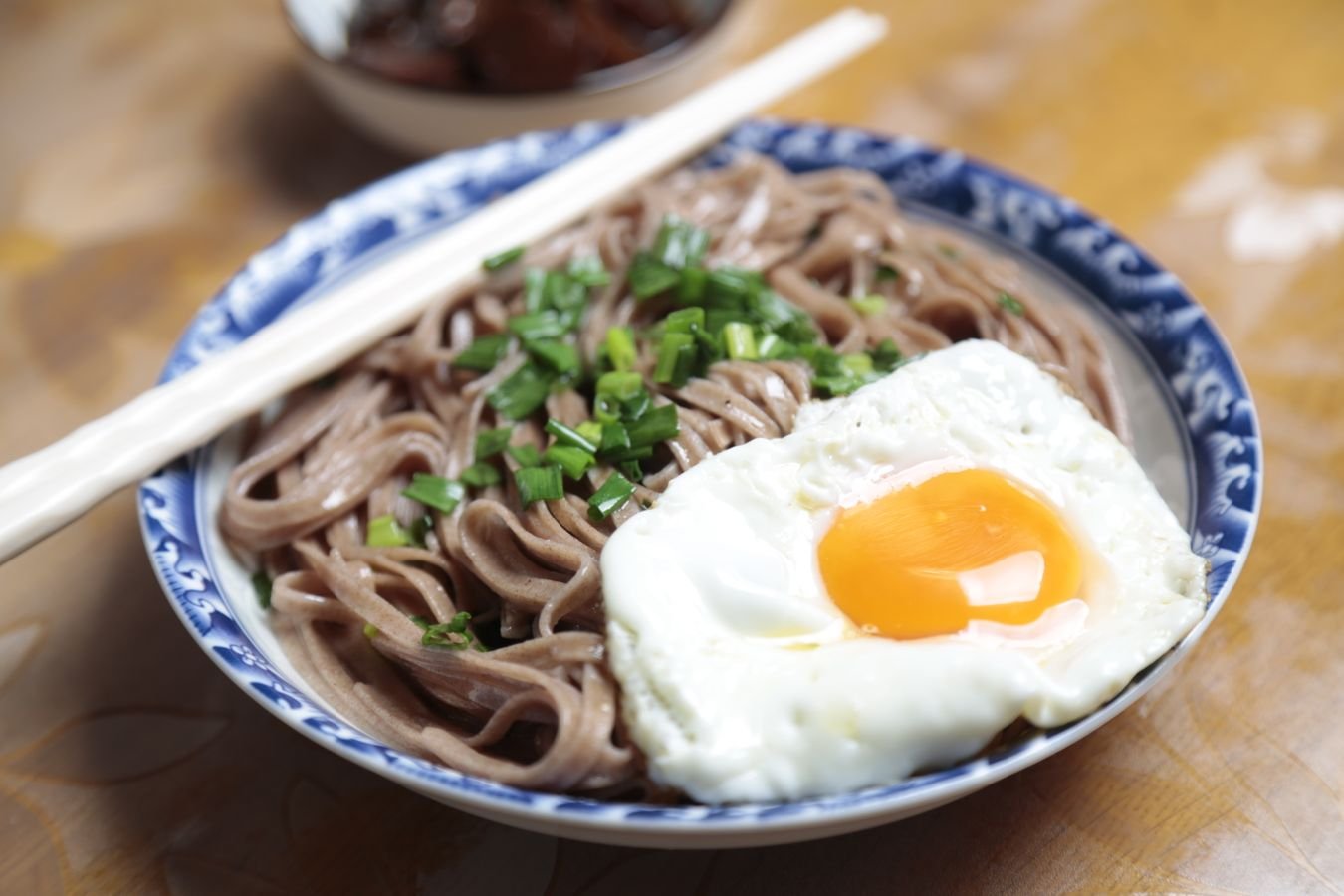
Morioka is just as proud of its food as it is of its drums, and Sansa Odori is the perfect excuse to try the city’s most famous dish: wanko soba. It’s served in small, single-bite bowls that a server keeps refilling the second you finish one, and the “competition” is simply to see how many bowls you can rack up before you finally cross your arms to signal you’re done. I made it to around thirty bowls before surrendering, which I was later told is a very respectable, if unremarkable, showing.
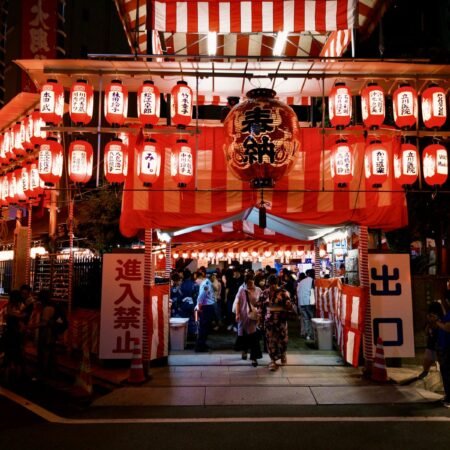
Along the parade route, yatai food stalls sell everything from grilled squid to Morioka’s other local specialty, jajamen noodles, and the whole street takes on a slightly chaotic, carnival energy once the sun goes down. Families spread out picnic blankets on side streets, kids chase each other with glow sticks bought from vendors, and the drumming never really stops — it just gets louder and closer as each new team rotates through.
Planning Your Own Sansa Odori Night
The festival runs for four nights every year, typically from August 1st to August 4th, with the main parade happening each evening along Chuo-dori in central Morioka. Getting there is easy if you’re coming from Tokyo — the Tohoku Shinkansen gets you to Morioka Station in around two and a half hours, and from there it’s a short walk or taxi ride to the festival area.
A few practical notes from my own trial and error: book your hotel well in advance, since Morioka isn’t a huge city and rooms fill up fast during festival week. Arrive at the parade route early if you want a good spot to watch from, since the sidewalks fill in quickly once the drumming starts. And if you want to join one of the open dance segments, keep an eye out for staff with signs directing visitors — they’re usually happy to hand a newcomer a drum and point them in the right direction.
If you’re the kind of traveler who likes festivals with some breathing room compared to the mega-crowds of Tokyo or Kyoto events, Sansa Odori hits a sweet spot: big enough to feel genuinely spectacular, small enough that you’re not fighting through an ocean of people just to see anything. By the time the last team finished their final pass down Chuo-dori that first night, my hands were sore from clapping along and I was already wondering when I could come back.
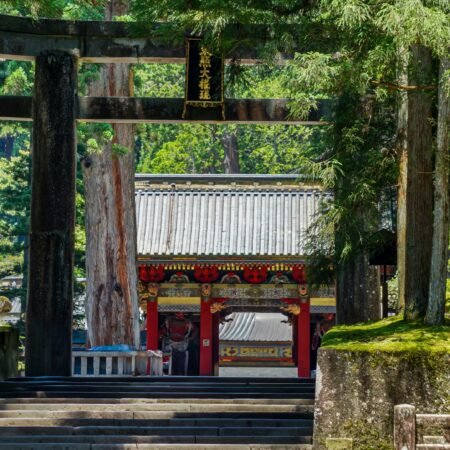
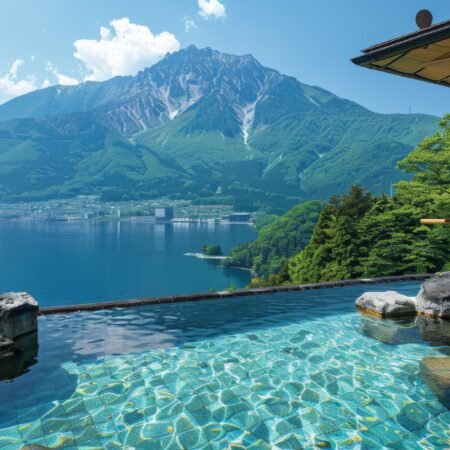
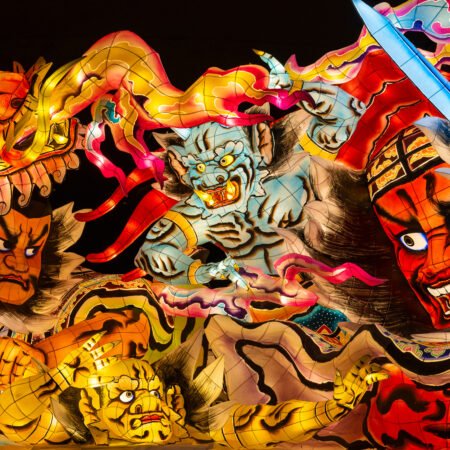
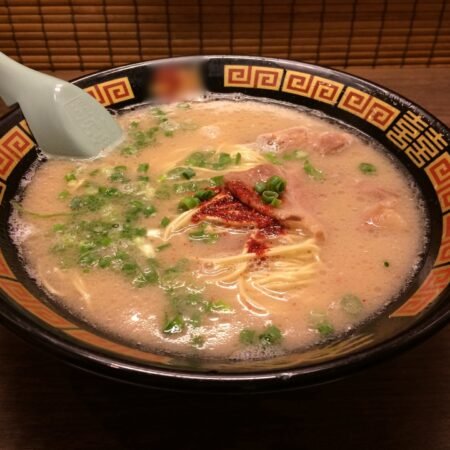
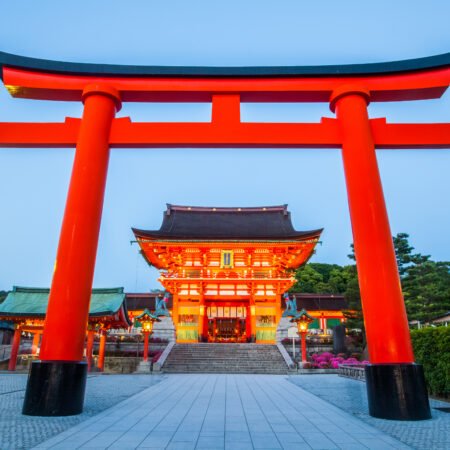
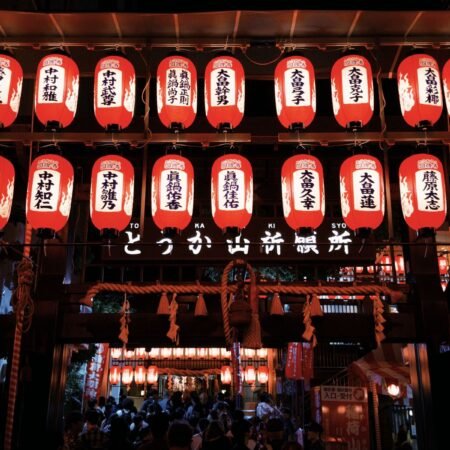
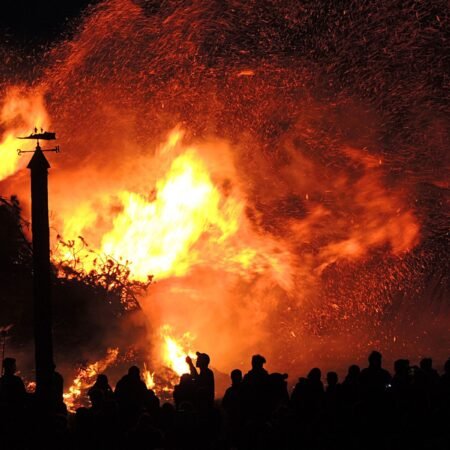
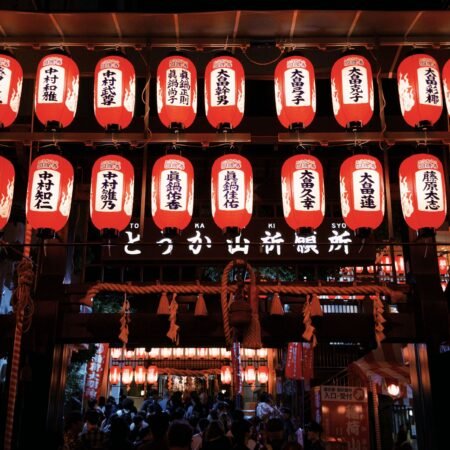
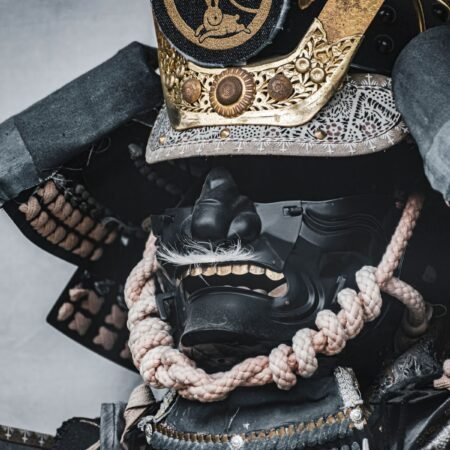
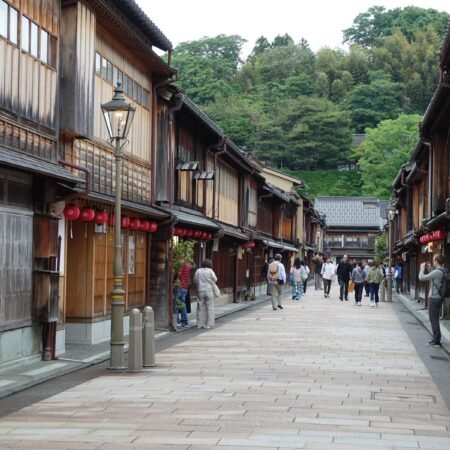
A quick note on photos: some of the images here are stock photos I’ve used to set the mood — they may not be the exact spot or moment I’m describing, just close in spirit.
コメント