







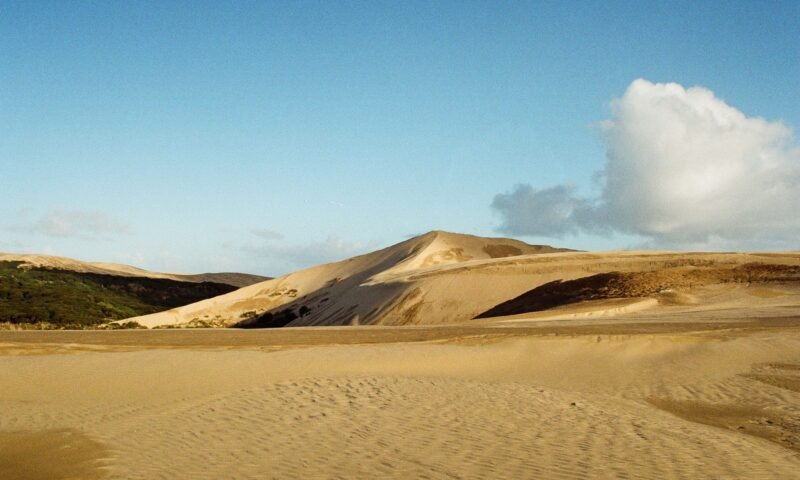
When I told a friend in Tokyo I was going to see “Japan’s desert,” she laughed at me. “There’s no desert in Japan, Julia.” I get it — I thought the same thing until I actually stood at the top of a sand dune in Tottori Prefecture, wind whipping sand into my shoes, with nothing but rolling beige hills and the Sea of Japan in front of me. For a solid ten seconds, my brain genuinely could not process that I was still in Japan.
That’s the thing about the Tottori Sand Dunes (鳥取砂丘, Tottori Sakyu) — nobody believes they’re real until they’re standing on them. I’d taken the train out to Tottori City mostly on a whim, expecting a nice coastal detour on my way back from a work trip in the Chugoku region. I left completely obsessed, and a little sunburned.
A Landscape That Took 100,000 Years to Build
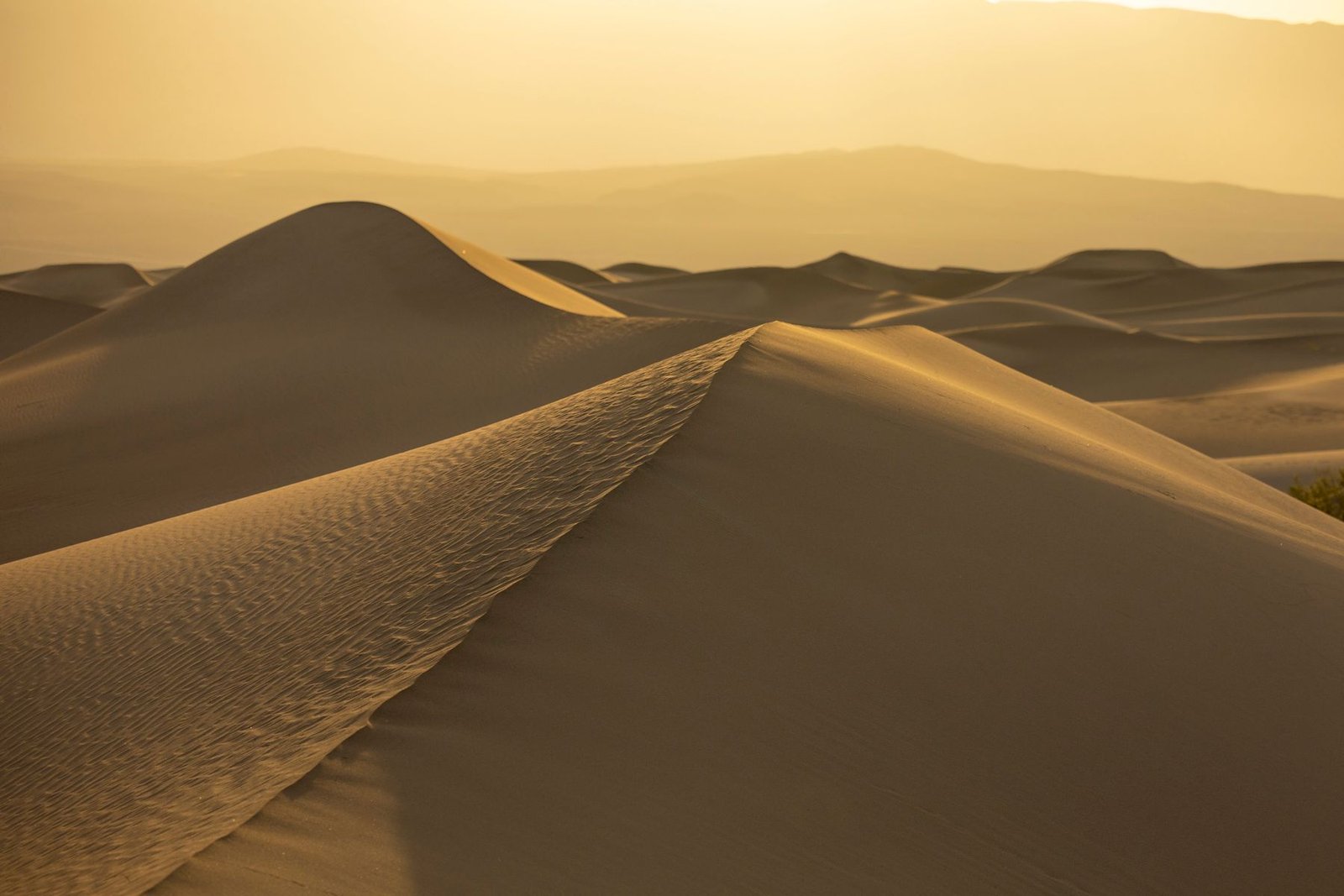
The dunes stretch for about 16 kilometers along the coastline and reach up to 2.4 kilometers inland, which sounds abstract until you’re actually trying to walk across them in the wind. They were formed over roughly 100,000 years by sediment carried down from the nearby Sendai River and then shaped by ocean currents and relentless coastal winds — the same winds that, on the day I visited, kept redrawing the ripple patterns in the sand right in front of me. Locals call these ripples fuumon, or “wind patterns,” and guides say no two days look quite the same.
The dunes are part of the San’in Kaigan Geopark, which earned UNESCO Global Geopark status in 2010 for its geology along this stretch of the Sea of Japan coast. I’m not usually someone who reads geology placards at tourist sites, but even I got sucked into the signage here — it turns out this is officially the largest sand dune system in Japan, and one of very few places in the country where you get genuine desert-style terrain instead of a beach.
Camels, Sandboards, and a Climb Called “The Horse’s Back”
Here’s where Tottori gets a little surreal: there are camels. Two dromedaries hang out near the main dune entrance, and for a few thousand yen you can hop on for a short ride across the sand — a genuinely odd thing to do in Japan, and exactly the kind of detail that makes a trip memorable. I skipped the camel (the line was long and I’m cheap), but I watched a group of middle schoolers on a field trip absolutely lose it with excitement, which was worth the price of admission on its own.
What I didn’t skip was the climb up Uma no Se, or “the horse’s back” — the tallest ridge in the dune system, at around 47 meters. It’s a steeper scramble than it looks, especially with sand sliding out from under every step, but the view from the top is the whole reason to come here: dunes rolling down to a strip of white-capped sea on one side, and the Chugoku mountains fading into haze on the other. You can also rent a sandboard near the entrance if you want to come back down the fun way, and in summer there’s paragliding that launches right off the dune slopes. I stuck to walking, but I regretted not trying the sandboard almost immediately.

The World’s Only Sand-Themed Art Museum
Right across the road from the dune entrance is a museum I genuinely did not expect to love as much as I did: the Sand Museum (砂の美術館), which bills itself as the only museum in the world made entirely of sand sculptures. Every year the museum tears down its entire exhibition and rebuilds it from scratch around a new country or region theme, with international sand sculptors flown in to carve towering, almost absurdly detailed scenes — castles, mythological figures, entire cityscapes — out of compacted sand and water, no additives. It sounds like it shouldn’t work as “real” art, and then you’re standing in front of a three-story sand carving of a palace facade wondering how it hasn’t collapsed.
Because the exhibit changes annually, it’s one of the rare attractions in Japan where locals genuinely come back year after year, and I can see why — it never feels like the same museum twice.
Getting There and Making the Most of It
Tottori Sand Dunes are reachable from JR Tottori Station by the Kirinjishi loop bus (about 20 minutes) or by a short taxi ride, and the whole area is very manageable as a half-day trip. If you’re coming from Osaka or Okayama, there are direct highway buses, which is how I did it. A few things I wish someone had told me beforehand: wear shoes you don’t mind filling with sand (flip-flops are a mistake), bring more water than you think you need, and go either early morning or late afternoon — midday sun on all that pale sand is brutal, and the light is much nicer for photos at the edges of the day anyway. If you have extra time, the Uradome Coast just east of the dunes has dramatic cliffs and sea caves you can tour by boat, and Tottori is famously the source of some of Japan’s best pears (nijisseiki, specifically), which are sold everywhere locally in late summer and autumn.
Tottori is also, somewhat charmingly, the least populated prefecture in Japan, which means it rarely makes it onto first-time visitor itineraries. That’s exactly why I’d push you to go. Standing on top of a dune with wind-carved sand in every direction and the sea on the horizon, it genuinely doesn’t feel like anywhere else I’ve been in this country — and after five years here, that’s not a small thing to say.
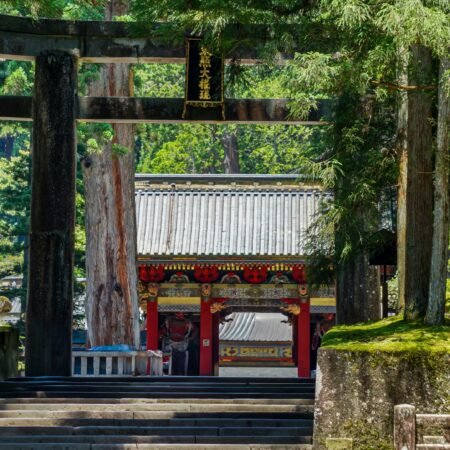
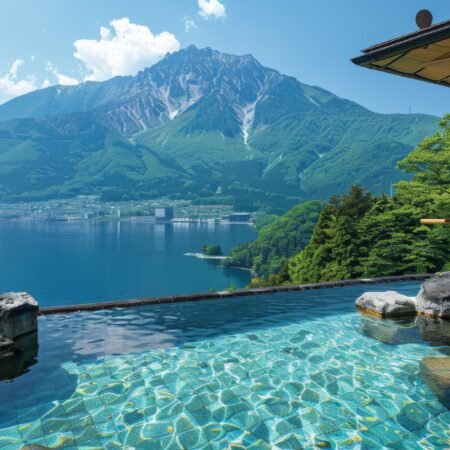
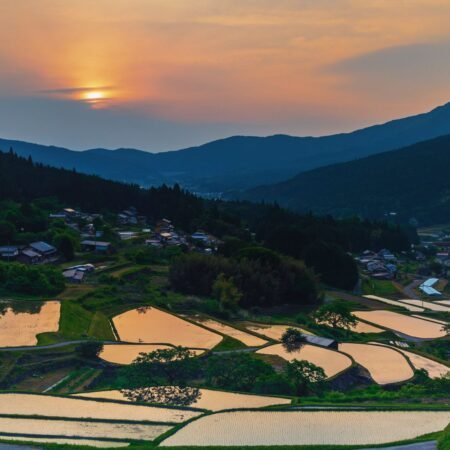
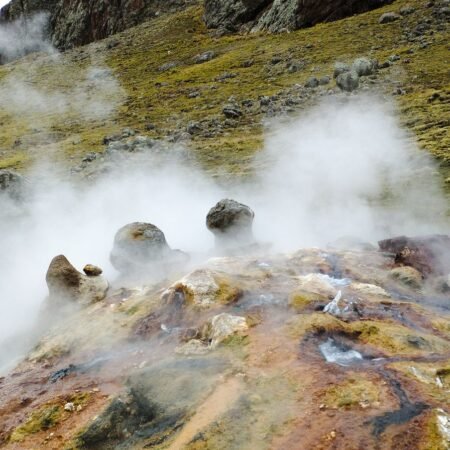
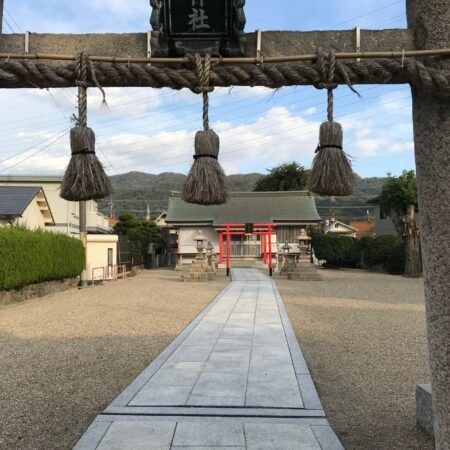
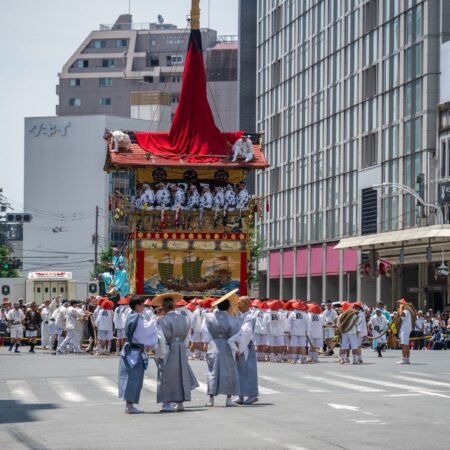
A quick note on photos: some of the images here are stock photos I’ve used to set the mood — they may not be the exact spot or moment I’m describing, just close in spirit.


コメント