





I almost didn’t take my phone out of my pocket. That’s the first thing anyone tells you about Naiku, the inner shrine at Ise Jingu — you can photograph the approach, the bridge, the trees, but not the shrine buildings themselves, not beyond a certain fence. I’d read that a dozen times before I went, and I still wasn’t prepared for how naturally I stopped reaching for my camera the closer I got. There’s something about walking under those cedars, hearing gravel crunch under a few hundred other pairs of feet and almost no other sound, that makes the whole idea of a photo feel a little beside the point.
I’d lived in Japan for years before I finally made it to Ise. I kept putting it off, the way you do with the thing that’s supposedly the most important, because it felt like it needed a special occasion. It doesn’t. You just get on a train to Mie Prefecture, and a couple of hours later you’re standing at the edge of what’s arguably the spiritual center of Shinto in Japan, wondering why you waited so long.
Crossing Uji Bridge Into Naiku
Ise Jingu isn’t one shrine — it’s a sprawling complex of over a hundred shrines across the city, but almost everyone means two places when they say “Ise Jingu”: Geku, the Outer Shrine, and Naiku, the Inner Shrine, about a fifteen-minute bus ride apart. Naiku is the big one, enshrining Amaterasu Omikami, the sun goddess and, according to Shinto tradition and the imperial family’s own mythology, the ancestor of Japan’s emperors. If Japan has a holiest site, most people would point here.
You cross into it over Uji Bridge, a plain wooden bridge over the Isuzu River that somehow does more to set a mood than any gate I’ve walked through in this country. On one side is the ordinary world — souvenir shops, a bus stop, tourists checking their phones. On the other side, you’re supposed to leave a little of that behind. I watched people bow slightly before stepping onto the bridge, which I hadn’t expected, and found myself doing the same without really deciding to.
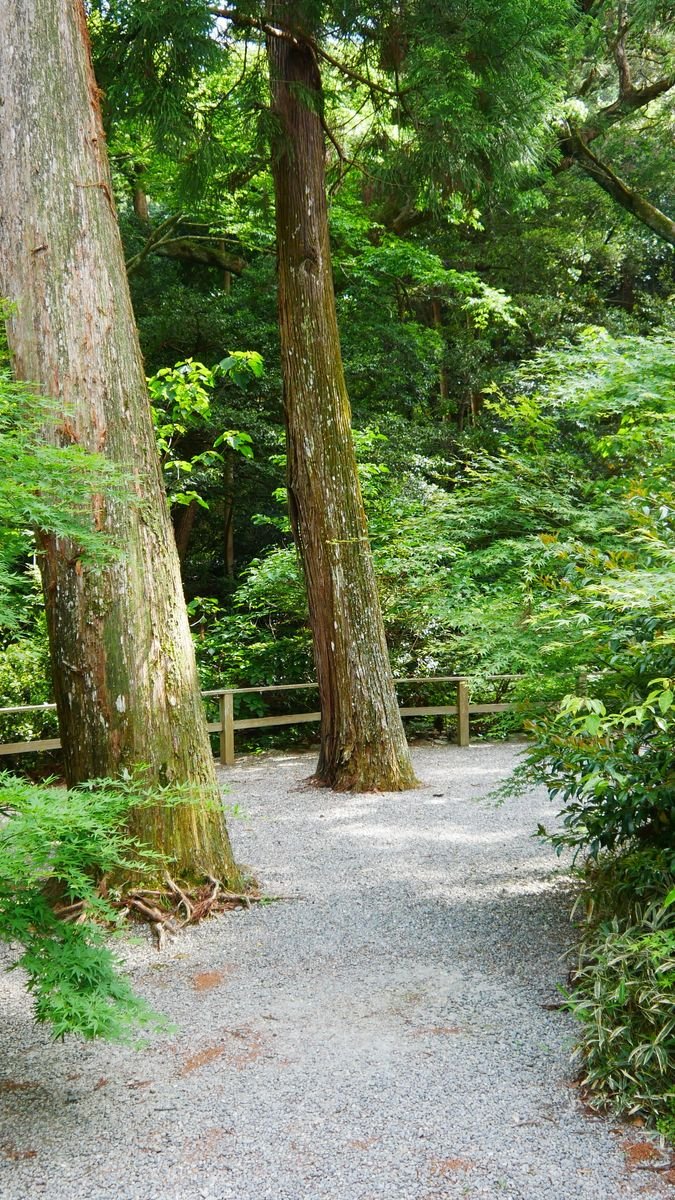
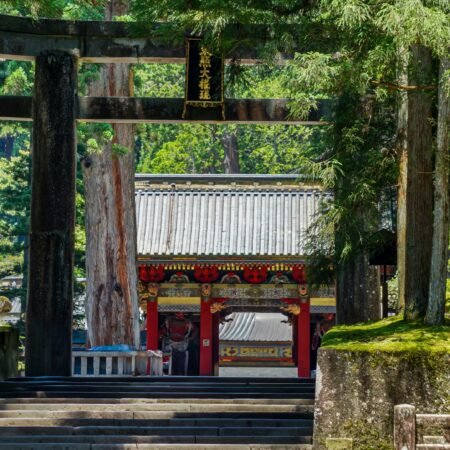
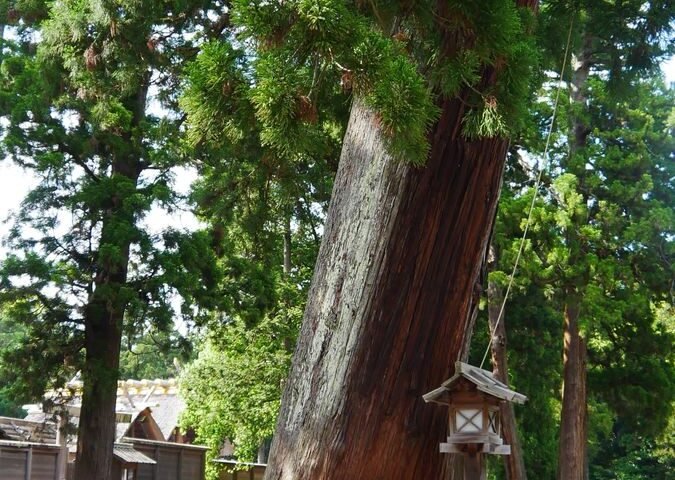
Past the bridge, the path runs along the Isuzu River, where you can step down to the water’s edge and rinse your hands the old way, before the temizuya purification fountain even comes into view. Then it’s a walk through a forest that honestly earns every cliché written about it: enormous cedars, some centuries old, filtering the light down in patches, and a quiet that a few hundred visitors somehow don’t manage to break. By the time I reached the stone steps up to the main hall, I’d stopped thinking about my train schedule entirely, which for me is saying something.
The hall itself is deliberately plain — a thatched roof, unpainted cypress wood, no gold leaf, no elaborate carving. You view it from behind a fence and a white curtain, at a respectful distance, and you’re not allowed to photograph past that point. It’s the opposite of showy, and that’s precisely the point: it’s supposed to look almost exactly like it did over a thousand years ago.
The Shrine That Rebuilds Itself Every Twenty Years
Here’s the detail that made my brain do a double-take when I first learned it: that plain wooden hall I was looking at isn’t old at all. Ise Jingu has been torn down and rebuilt on an adjacent plot, in exact replica, every twenty years for well over a millennium, in a Shinto ritual called Shikinen Sengu. The most recent rebuilding was completed in 2013, meaning the buildings I saw were barely over a decade old, even though the design hasn’t meaningfully changed since roughly the seventh century.
The idea took me a while to sit with, because it runs against every instinct I have about what makes a place “historic.” In the West, we tend to prize the original object — the actual stone, the actual beam, the patina of age. Shikinen Sengu runs on a different premise entirely: that renewal is what preserves sanctity, not the physical material. Each rebuilding uses traditional joinery with no nails, passed down from carpenter to apprentice, which also means the skills themselves never get the chance to die out. You’re looking at an unbroken chain of craftsmanship that’s been renewing itself, generation after generation, since long before anyone thought to write the tradition down.
The next Shikinen Sengu is scheduled for 2033, and next to Naiku you can actually see the empty rectangular plot of gravel waiting for it — a strange, quiet sight, like looking at a shrine’s future site and its absence all at once.
Geku, Okage Yokocho, and Ise Udon
Most visitors do Naiku and stop there, but Geku, the Outer Shrine, is worth the short bus ride even if it gets a fraction of the crowds. Geku enshrines Toyouke Omikami, the deity of food, clothing, and shelter — traditionally understood as providing sacred meals to Amaterasu — and its forest walk has the same hush as Naiku’s, just with more breathing room. I actually preferred it for that reason.
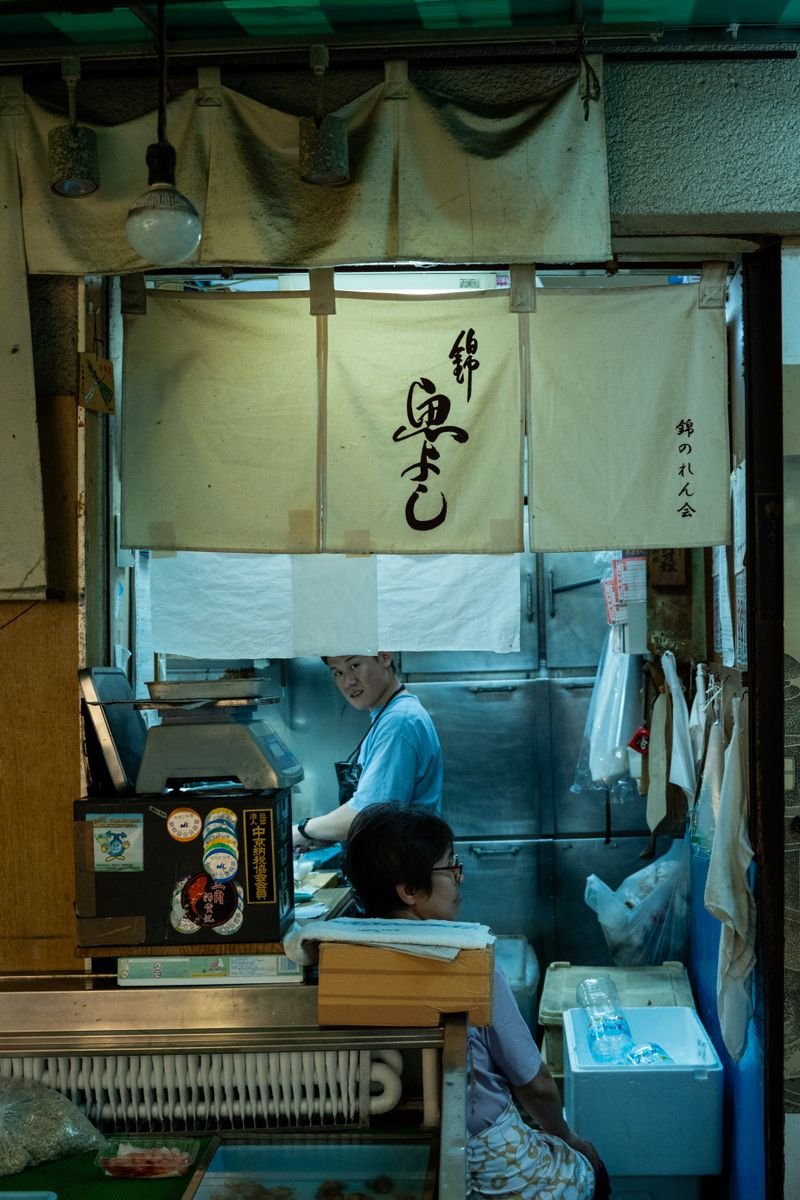
Where the crowds do make sense is Okage Yokocho, the recreated Edo-period shopping street right at the entrance to Naiku. I’d been warned it might feel like a tourist trap, and sure, parts of it lean that way, but I still had a genuinely good time wandering it. The street is lined with wooden storefronts selling local crafts, pearls (Mie Prefecture is a major hub for cultured pearl farming, thanks to Kokichi Mikimoto), and more food stalls than I could try in one afternoon.
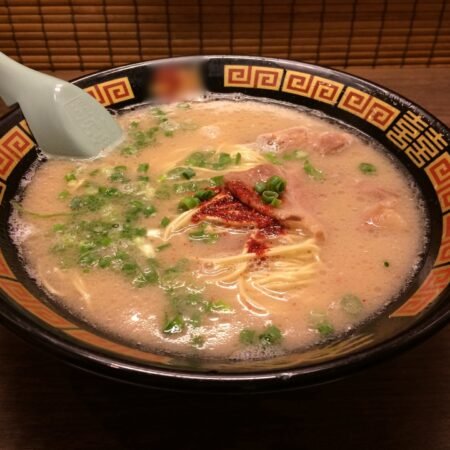
I made a point of trying two things everyone told me not to skip. First, Ise udon — which looks nothing like the udon I’d gotten used to elsewhere in Japan. The noodles are thick and impossibly soft, served in a small pool of dark, almost syrupy tare sauce made from tamari and dashi, with no broth to speak of. It’s polarizing, but I loved it. Second, akafuku mochi — soft rice cakes topped with sweet red bean paste, sold by a shop that’s reportedly been making them the same way since the 1700s, right along the Okage Yokocho stretch. It’s the kind of simple, slightly too-sweet snack that tastes better because of exactly where you’re eating it.
Getting There and a Few Practical Notes
Ise is most easily reached from Nagoya, about ninety minutes away on the Kintetsu Limited Express train, or from Osaka in a little over two hours. Ise-shi Station and Uji-Yamada Station both sit a short walk or bus ride from Geku, with a regular bus connecting to Naiku. If you’re coming from Kyoto or Osaka, the Kintetsu Rail Pass is worth pricing out, especially if you’re planning to add on nearby Toba, home to Mikimoto Pearl Island.
A few things I wish I’d known going in: dress reasonably modestly, since this is an active site of worship, not a museum. Photography is fine right up until the inner fences at both Naiku and Geku, where signs make the boundary obvious. Give yourself at least half a day if you want to do both shrines properly, and go in the morning if you can; by early afternoon, Naiku’s approach gets considerably more crowded. And don’t rush the forest walk — for me, it turned out to be the whole point of coming.
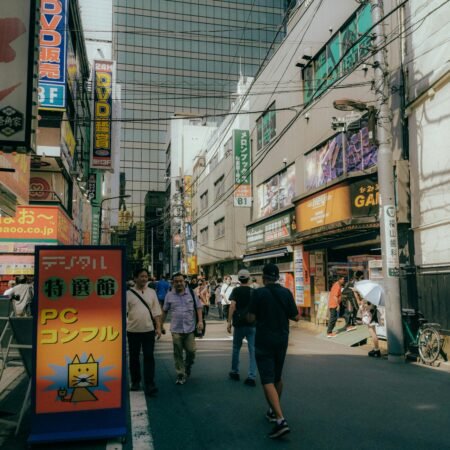
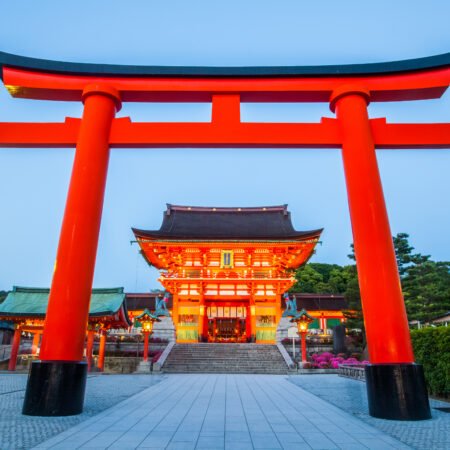
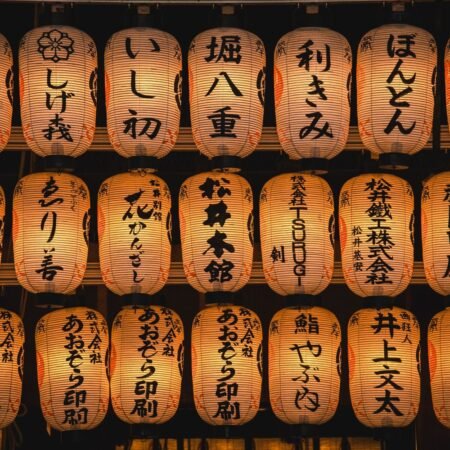
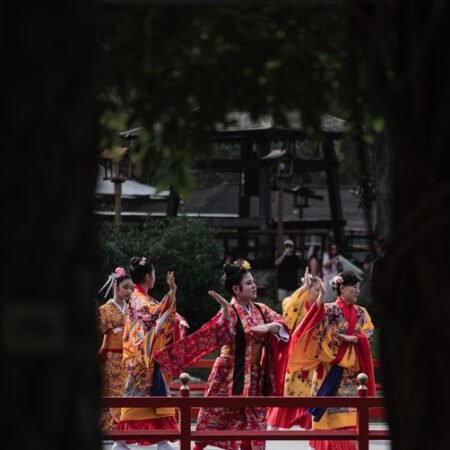
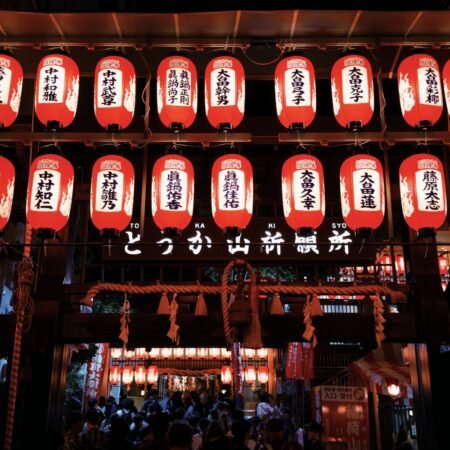
A quick note on photos: some of the images here are stock photos I’ve used to set the mood — they may not be the exact spot or moment I’m describing, just close in spirit.
コメント