





When my friend Aya texted me “come to the bullfight this weekend,” I pictured a matador, a cape, and a very bad ending for the bull. I almost said no. Then she sent a follow-up: “no no, it’s bull vs. bull, nobody dies, it’s basically sumo.” That sentence alone got me on a two-hour train ride down to Uwajima, a quiet port city tucked into the southwestern coast of Ehime Prefecture on Shikoku. I’d lived in Japan for a while by that point and thought I’d seen most of the strange, wonderful stuff this country has to offer. I had not seen two one-ton bulls lock horns in a covered arena while a few hundred people cheered like it was the Super Bowl.
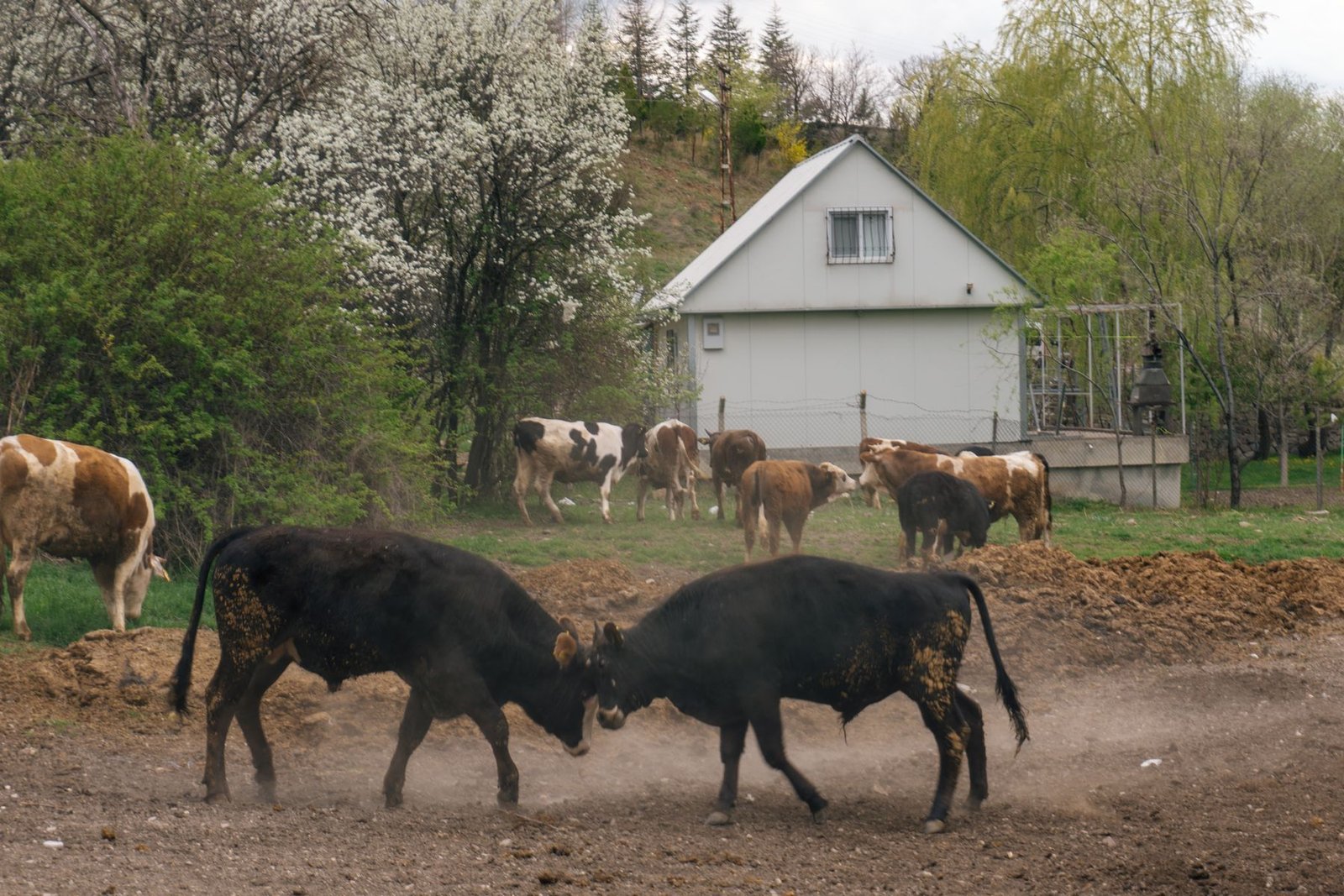
Togyu, as it’s called here, isn’t the bloodsport most people picture when they hear “bullfighting.” There’s no human in the ring, no sword, no red cape. It’s bull against bull, and the loser just… leaves. Nobody gets hurt, or at least nobody’s supposed to. I went in skeptical and came out completely charmed.
What Actually Happens in the Ring
The arena sits on a hill just east of Uwajima Station, a roofed, dome-shaped ring that locals sometimes just call “the bullring.” We climbed up from the free shuttle bus stop, paid our entry fee at a little window, and found seats on the concrete steps along with families, grandparents, and a surprising number of little kids who seemed to have very strong opinions about which bull was going to win.
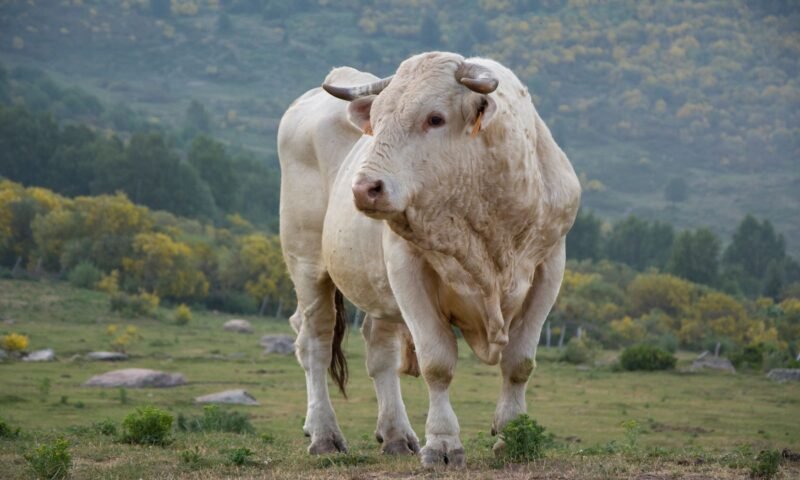
The bulls are ranked almost exactly like sumo wrestlers, sorted into weight classes with the top tier earning a “champion” title instead of yokozuna. Each animal has an owner-trainer, and a tournament runs around ten matches over roughly three hours, starting early afternoon. Two bulls are led in, handlers coaxing and steadying them, and then the horns lock. That’s it — no clock, no rounds. The match just keeps going, sometimes for a couple of minutes, sometimes for well over half an hour, until one bull decides it’s had enough, turns, and bolts for the exit. The one left standing is the winner, and its trainer gets a flag and a trophy while the crowd goes absolutely feral with excitement.
What got me wasn’t the power of it, though that’s obvious the second two bulls that size collide. It was how much personality came through. Some bulls shoved forward immediately, all business. Others circled, feinted, tested their opponent before committing. One clear crowd favorite entered to its own little fanfare, and the cheering nearly drowned it out. By the third match I’d picked a favorite of my own and was shouting along with everyone else, which is not something I expected to be doing on a Saturday afternoon in Ehime.
A Tradition the Occupation Couldn’t Kill
Nobody in Uwajima agrees on exactly how this started, which I find oddly reassuring — it means it’s old enough that the origin story has had time to splinter into versions. The one I heard most often involves fishermen from the nearby Fukuura coast rescuing a Dutch ship that had drifted into Uwa Sea sometime in the 1600s, and the grateful sailors gifting the village a pair of cows as thanks. As the story goes, the two cows started sparring on their own, and the crowd that gathered to watch liked what they saw enough to make a tradition of it. There’s a competing, less romantic theory too: that it simply grew out of Kamakura-era farmers comparing whose draft cattle was toughest, which is the kind of thing bored farmers in any century might do.
What’s better documented is that by the Edo period, bullfighting here was popular enough to cause actual economic headaches — an 1856 complaint from a local magistrate grumbled that all the matches were driving up the price of cattle and feed. Meiji and Taisho-era officials tried to restrict it more than once and mostly failed. It peaked in the early Showa era under the old name “tsukiai,” and then, in 1948, the Allied occupation banned it outright on animal welfare grounds. Local petitions got the ban lifted about two years later, and in 1959 a committee in Uwajima formally revived the tradition. The current all-weather, roofed ring went up in 1975, which explains why a sport this old somehow has a very 1970s concrete dome for a home.
Knowing all that while sitting in the stands changed how I watched it. This wasn’t a novelty act for tourists — it survived a US military ban and came back anyway, which is a kind of stubbornness I have a lot of respect for.
Getting There and Watching Like a Local
Uwajima is reachable by limited express train from Matsuyama or Kochi, and the municipal bullring is only about a kilometer and a half from Uwajima Station, close enough to walk if you don’t mind a hill. On tournament days, though, just take the free shuttle bus — it runs from the station starting at 10 a.m. and keeps going until the matches wrap up, and there’s no reason to make your legs do the work when the city’s already offering you a ride.
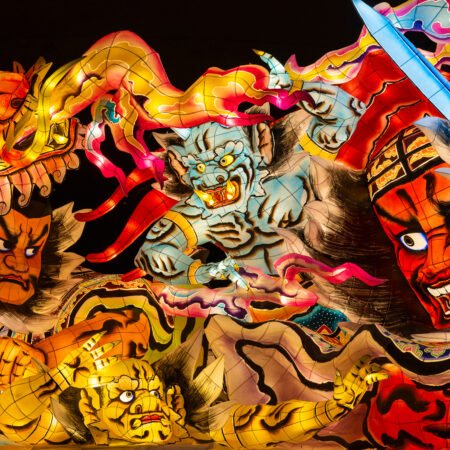
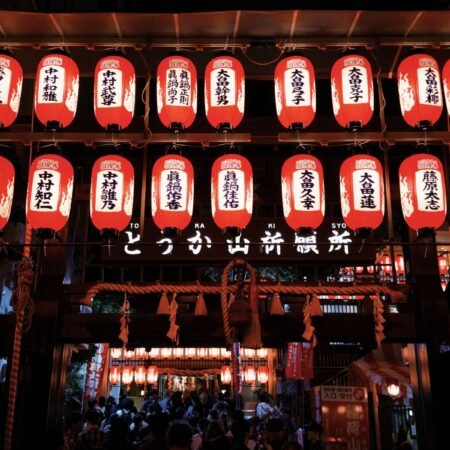
Tournaments happen four times a year: a New Year’s session, one in May, one timed to the Warei Shrine’s big summer festival in July (worth combining with a trip if you’re already headed that way for the ushioni parade floats), and an autumn session, which is the one I went to. Tickets run about 3,000 yen if you buy on the day, or 2,500 yen if you grab them in advance, and every seat is unreserved, so showing up a little early gets you a better spot on the concrete steps. Bring a cushion if your hips are older than twenty-five — I did not, and I regretted it by match seven.
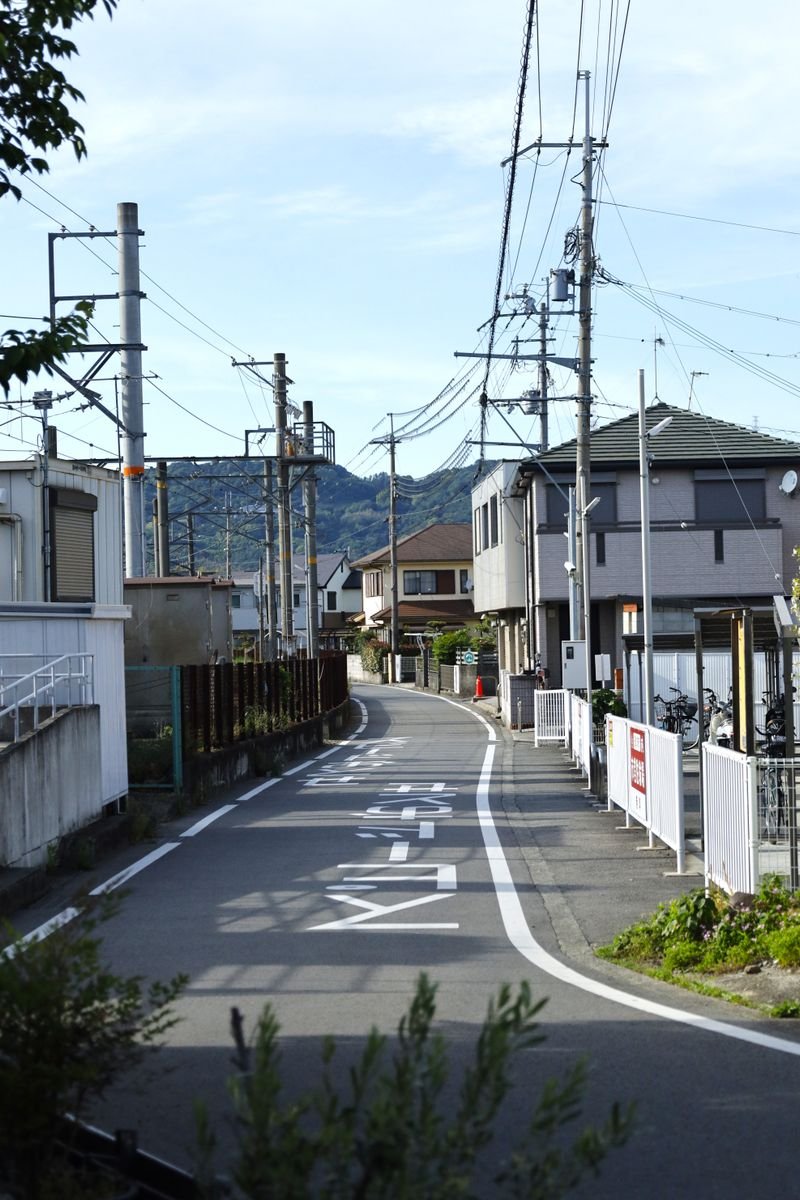
If you’re building out a longer Shikoku itinerary, Uwajima pairs nicely with a stop in Uchiko’s old townscape or a ferry hop toward Kyushu, but honestly, the bullring alone is worth the detour. It’s loud, a little chaotic, oddly emotional, and nothing at all like what the word “bullfighting” had led me to expect. I went down skeptical about watching animals get pitted against each other for sport, and left thinking about how much care clearly goes into these bulls — they’re treated more like prized sumo wrestlers than gladiators, and it shows in how healthy and well-muscled every single one of them looked.
I’m already planning to go back for the New Year’s session, if only to see whether my match-seven favorite from the autumn tournament is still undefeated.
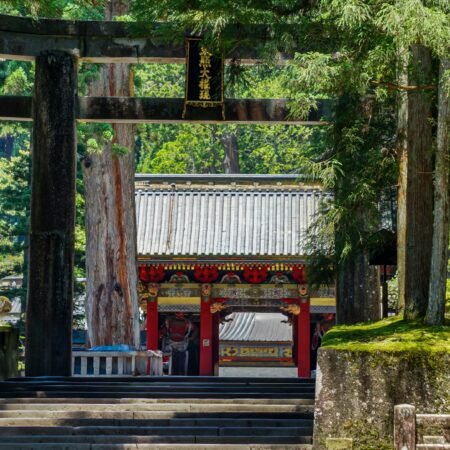
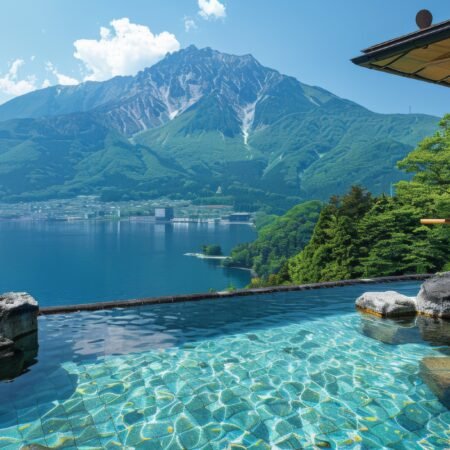
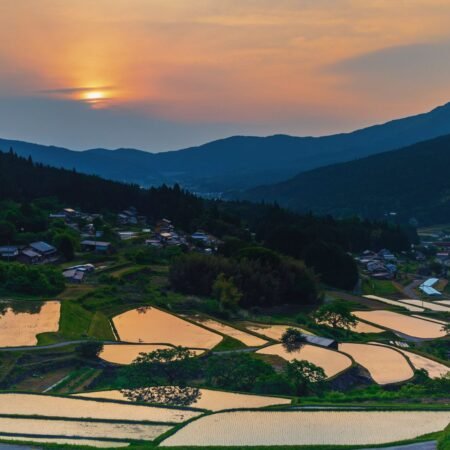
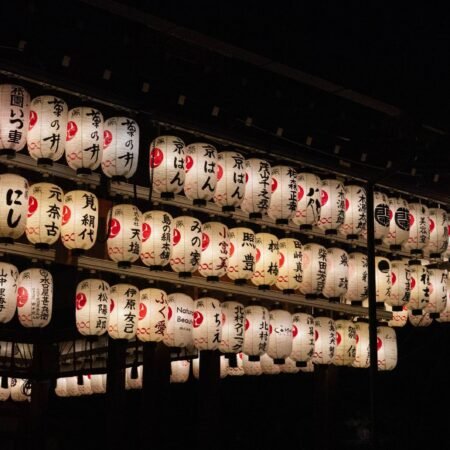
A quick note on photos: some of the images here are stock photos I’ve used to set the mood — they may not be the exact spot or moment I’m describing, just close in spirit.
コメント