





The first time someone in Tono told me, completely straight-faced, that a kappa had tried to pull their horse into the river, I did the thing I always do when I’m not sure if I’m being teased: I laughed a beat too late and then asked way too many follow-up questions. Five years into living in Japan, I thought I’d gotten pretty good at telling local color from local legend. Tono is the one place that’s made me genuinely unsure where the line is, and honestly, that’s exactly why I loved it.
Tono is a small farming valley in Iwate Prefecture, tucked into the hills of the Tohoku region, and it’s often called the “furusato” — the spiritual hometown — of Japanese folklore. That reputation comes almost entirely from one book: Yanagita Kunio’s 1910 “Tono Monogatari” (The Legends of Tono), a collection of local folktales told to him by a Tono-born writer named Sasaki Kizen. Mountain gods, ancestor spirits, and above all, kappa — the mischievous, cucumber-loving water imps of Japanese folklore — all live in those pages, and Tono has spent the century since quietly, proudly leaning into being their hometown.
Fishing for Kappa at Kappa Buchi
You can’t visit Tono without going to Kappa Buchi, a shallow, tree-shaded pool on a side canal near Jokenji Temple, where the kappa of local legend are said to live. There’s a small shrine-like kappa statue watching over the water, and a sign warning visitors (with a wink) to be careful. For a few hundred yen, you can even buy a little bamboo “kappa fishing license” and dangle a cucumber on a string into the pool, which is somehow one of the most purely delightful things I’ve done in this country. I didn’t catch anything, obviously, but the elderly man running the stall told me that was for the best — apparently kappa don’t love being caught by surprised American women.
What I liked most about Kappa Buchi wasn’t the kappa-hunting bit, charming as it is. It was how unbothered the spot is about being a tourist attraction. It’s still just a quiet bend in a canal behind a working temple, with dragonflies skimming the water and farmers’ fields rustling nearby. Nothing about it feels staged.
The Magariya Houses, Where Horses Lived Indoors
The thing that actually stopped me in my tracks in Tono wasn’t folklore at all — it was architecture. This valley has long been horse country, and for generations, families here lived in L-shaped farmhouses called magariya, where the horse stable made up the short wing of the L, connected directly to the main house. Families and their horses shared a roof, sometimes even sharing warmth from the same irori hearth in winter. I went to see the preserved Chiba House, a designated Important Cultural Property and one of the largest magariya still standing, and just stood in the dim, smoky-smelling entryway trying to picture generations of a family stepping past their horse’s stall every single morning on the way out the door.
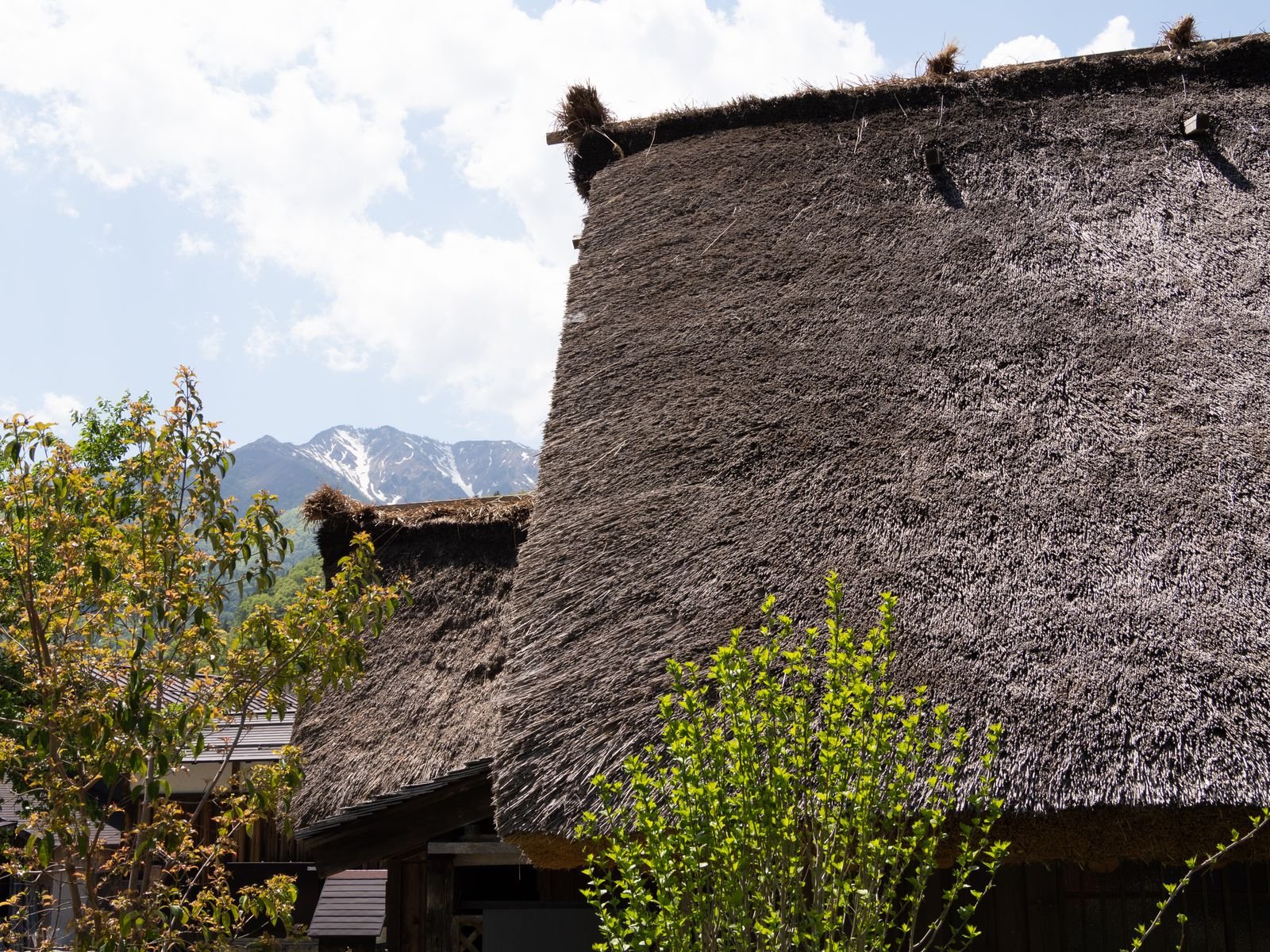
If you want more of this without feeling like you’re intruding on someone’s historic home, Tono Furusato Village and the nearby Denshoen folklore park are both built around clusters of magariya and other traditional buildings, with water wheels turning, straw crafts being demonstrated, and docents happy to explain how a household here actually functioned. Denshoen also houses the Oshira-do hall, filled with rows of Oshira-sama — paired wooden dolls tied to one of the saddest and strangest legends I’ve heard in Japan, about a girl, her beloved horse, and the origin of silk-making. I won’t spoil the whole story, but ask someone there to tell it to you properly.
A Valley That Still Feels Lived-In
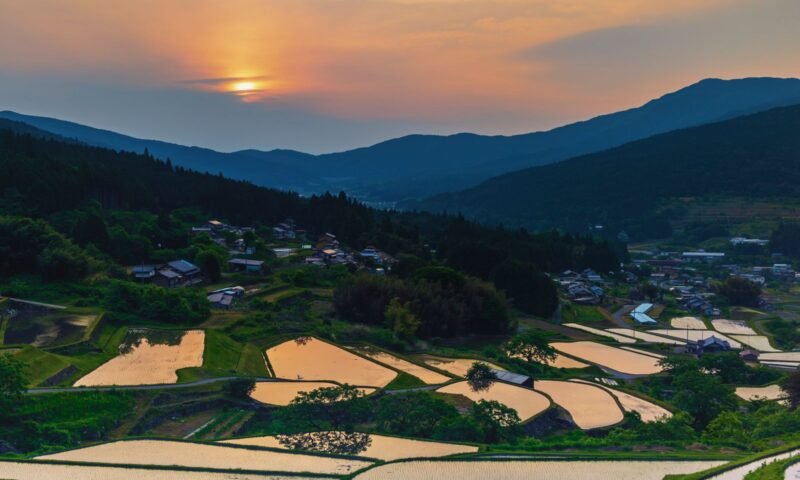
What sets Tono apart from a lot of the “preserved heritage” spots I’ve visited in Japan is that it doesn’t feel like a museum piece. Rice paddies ring the valley right up to the edges of the folklore parks, Mount Hayachine rises in the distance as the area’s sacred peak, and the Hayachine Kagura performed on its slopes is itself recognized by UNESCO as Intangible Cultural Heritage. People actually farm here, actually live in these hamlets, and the kappa jokes come from people who grew up hearing these stories from their grandparents, not from a tourism board brainstorm.
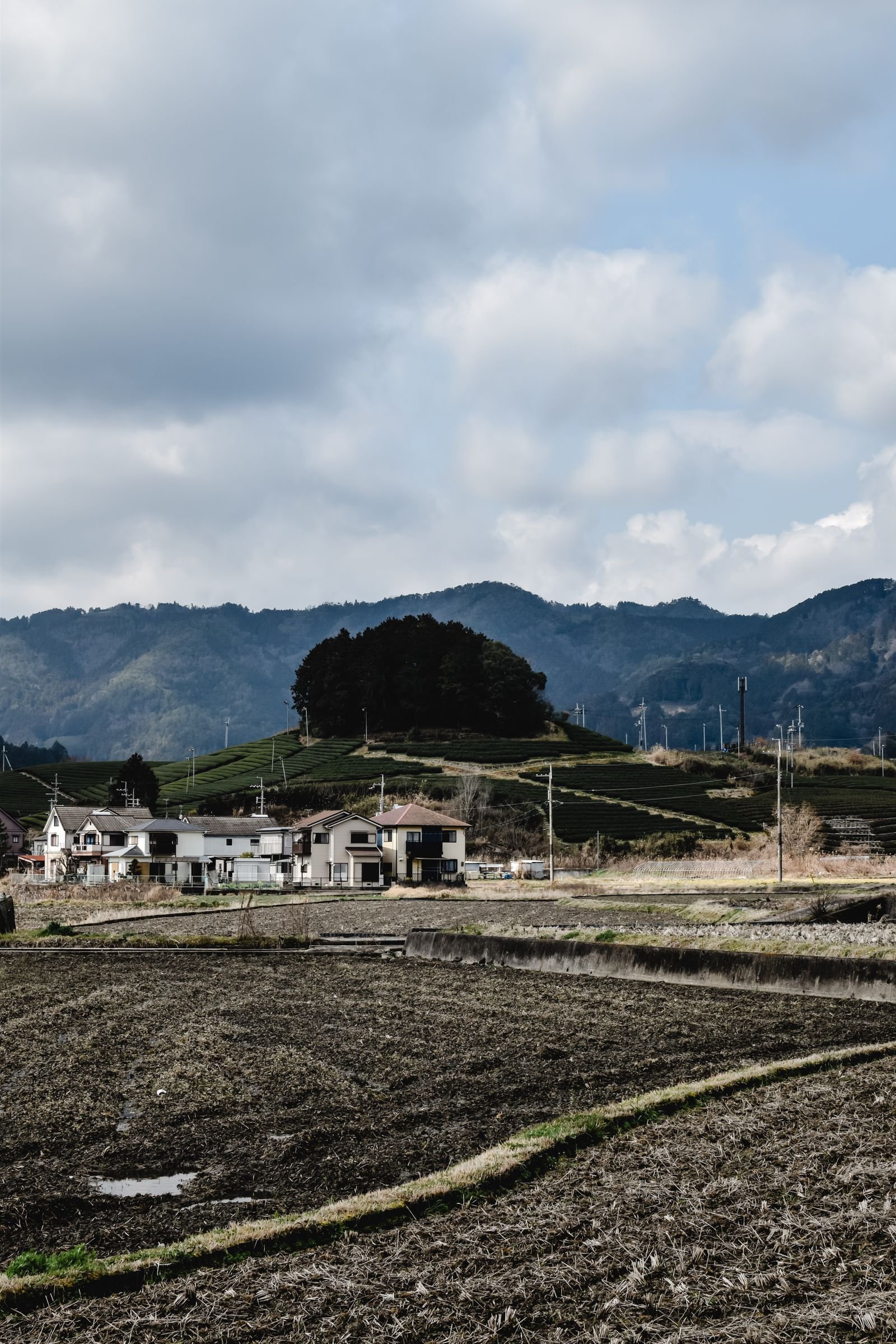
I ended up at a tiny restaurant for a bowl of hittsumi — hand-torn dumplings simmered in a hearty miso-and-vegetable broth, Tono’s answer to a cold Tohoku evening — and the owner spent ten minutes telling me about a kappa sighting her uncle swears happened in the 1970s. I still don’t know if she believed it. I’m not sure it matters.
Getting There and Visiting Well
Tono is reachable from Tokyo by taking the Tohoku Shinkansen to Shin-Hanamaki Station, then switching to the local JR Kamaishi Line for the scenic ride into Tono Station — plan on roughly four to five hours door to door. Once you’re there, a rental car genuinely helps, since the folklore sites, magariya, and Kappa Buchi are spread across the valley rather than clustered downtown, though a local loop bus does connect the main spots for visitors without one. Early autumn is a lovely time to go, with the rice fields turning gold before harvest and a crispness in the Tohoku air, but I’d happily go back in any season. Give yourself a full day, maybe two if you want to actually slow down enough to hear the stories properly instead of rushing between stops.
Tono isn’t flashy. There’s no single jaw-dropping monument here, no UNESCO World Heritage headline site to check off a list. What it has instead is a whole valley that’s held onto its stories, its strange and tender folklore, and its horse-sharing farmhouses, and is perfectly happy to let you wander through at your own pace and decide for yourself what you believe. I came for the kappa jokes. I left thinking about Oshira-sama and a family’s horse stable attached to their kitchen, which is not at all what I expected, and exactly why I keep doing this.
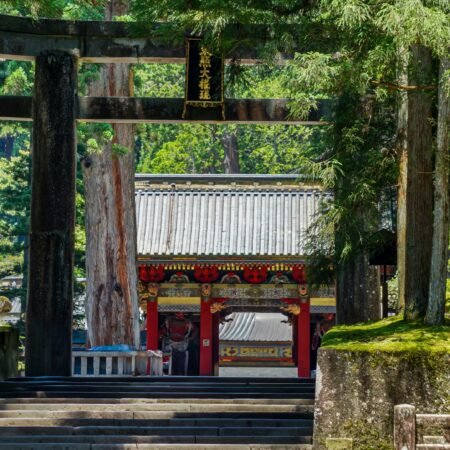
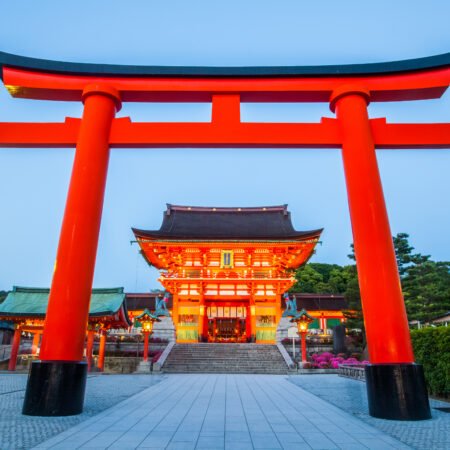
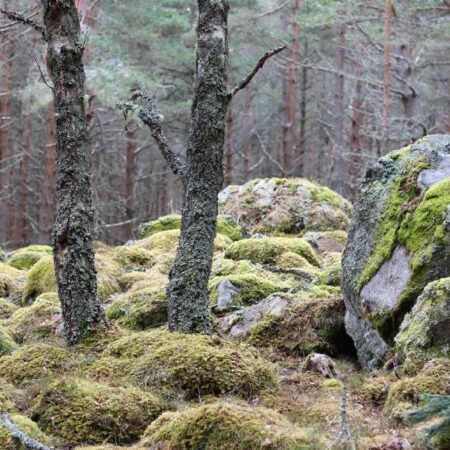
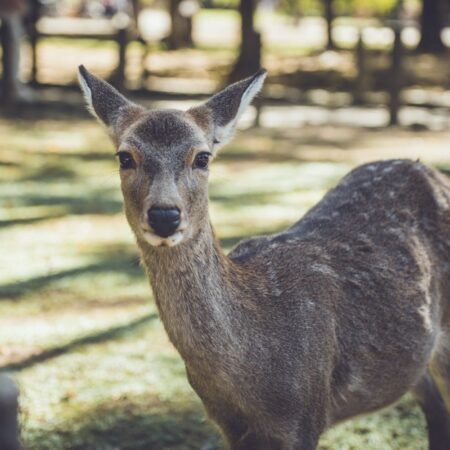
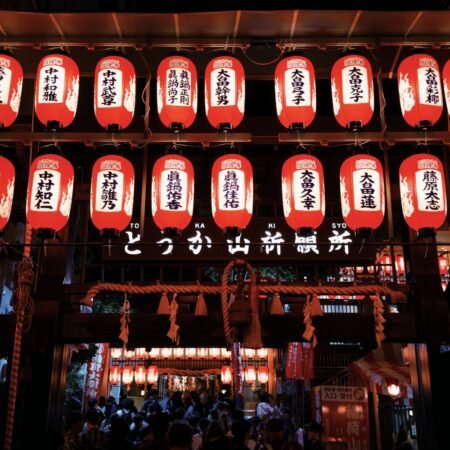
A quick note on photos: some of the images here are stock photos I’ve used to set the mood — they may not be the exact spot or moment I’m describing, just close in spirit.
コメント