





I almost missed it entirely. A friend in Niigata texted me in late July — “you’re free August 2nd and 3rd, right? You have to come to Nagaoka” — and I nearly wrote back something noncommittal about already having plans in Tokyo. I’m so glad I didn’t. Three days later I was sitting cross-legged on a blue plastic tarp on the bank of the Shinano River, sweating through a cotton t-shirt in the kind of humid August heat that only northern Japan in summer can produce, waiting for the sky to catch fire. I had no idea, at the time, that I was about to watch one of the three biggest fireworks festivals in the entire country — and that the fireworks themselves would turn out to be about a lot more than just a pretty show.
If you’ve never heard of the Nagaoka Matsuri, you’re in good company. Outside of Japan it’s nowhere near as famous as Tokyo’s Sumida River fireworks, even though in scale it blows most of what I’d seen before completely out of the water. I live for finding these events — the ones that are enormous deals locally and barely register on the foreign-tourist radar — and this one might be my favorite discovery yet.
A Festival Born From Ash
Here’s the part that caught me off guard. The Nagaoka fireworks aren’t just a summer spectacle — they’re a memorial. On the night of August 1, 1945, in the final days of the Second World War, Nagaoka was hit by a devastating air raid that killed well over a thousand people and burned most of the city to the ground. When the festival was revived in the years that followed, it wasn’t framed as a celebration so much as an act of mourning and rebuilding — a way for the city to light up the same sky that had once rained fire down on it, on its own terms, as a prayer for recovery. It’s officially held every single year on August 2nd and 3rd, timed deliberately around that anniversary.
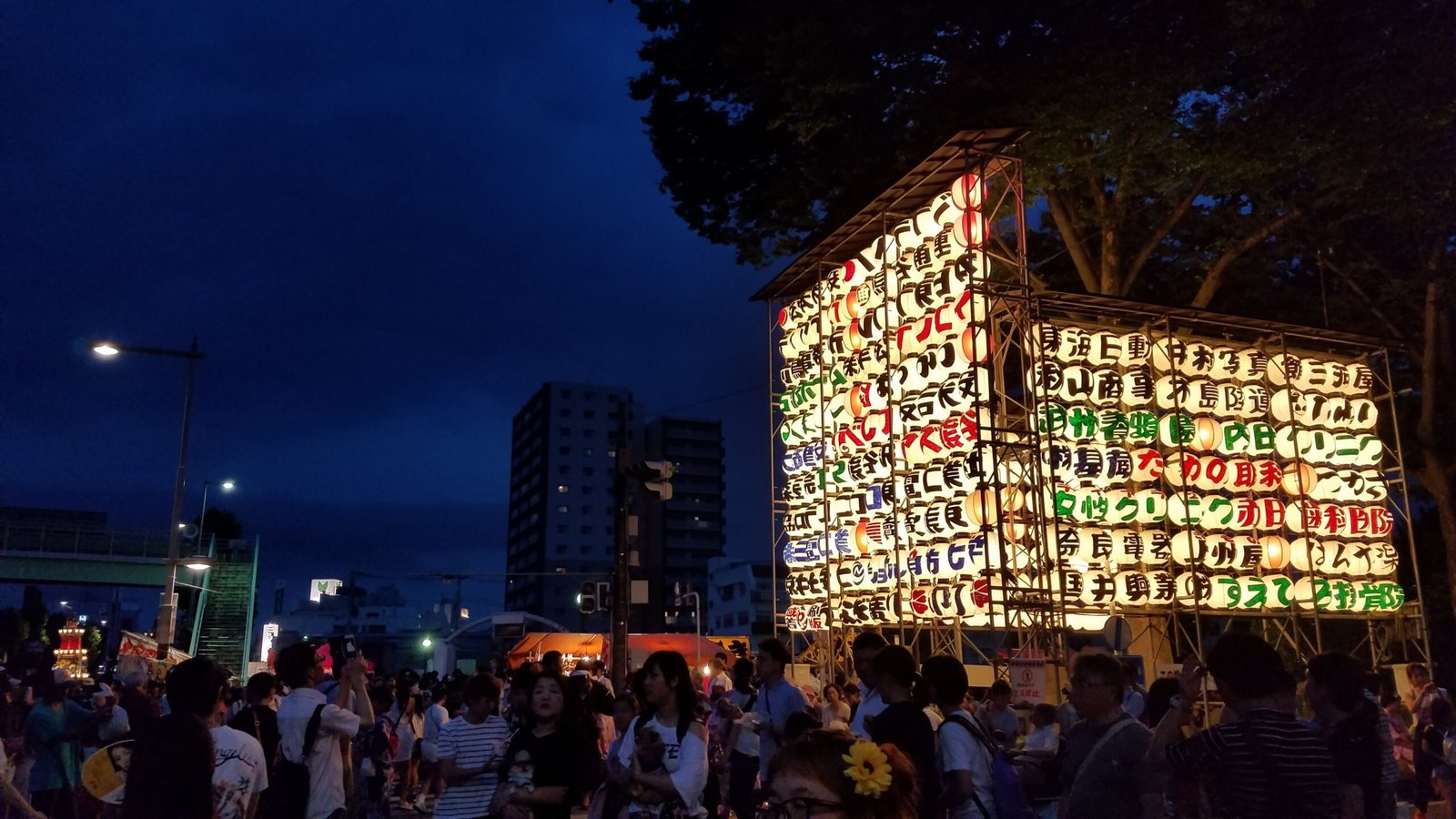
That history is what separates Nagaoka from the other two festivals it’s usually grouped with — Omagari in Akita and Tsuchiura in Ibaraki — which together make up what’s often called Japan’s “three great fireworks festivals.” Omagari and Tsuchiura are both fireworks competitions, with pyrotechnicians from around the country judged on technical skill. Nagaoka isn’t a competition at all. It’s closer to a civic ritual, which you can feel in the atmosphere the second the first shell goes up — there’s a hush in the crowd that I didn’t expect at what is, on paper, just a fireworks show.
When the Phoenix Rises
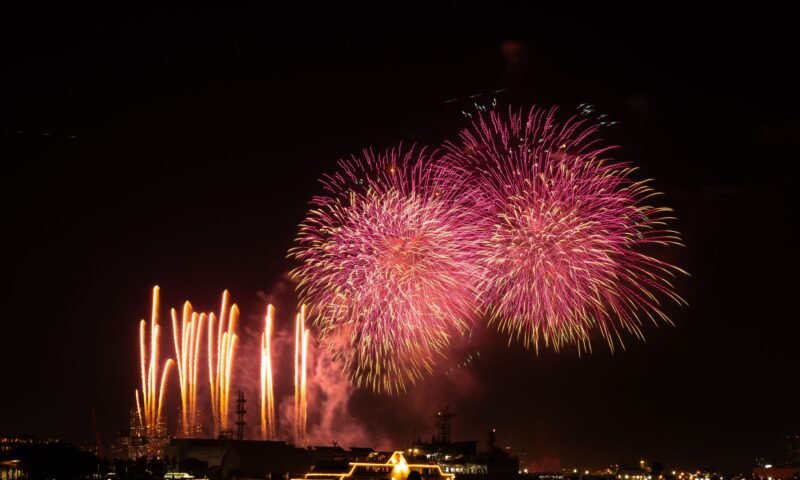
The emotional center of the whole night, for me, was the “Phoenix” fireworks — Fenix, as it’s written locally. The display was added in the mid-2000s, in the years following the devastating 2004 Niigata Chuetsu earthquake, which hit the region hard and forced a long, difficult recovery for communities around Nagaoka. The Phoenix fireworks were launched as a direct response: a symbol of a city, and a region, choosing to rise again rather than stay down. Knowing that going in changed how I watched it completely.
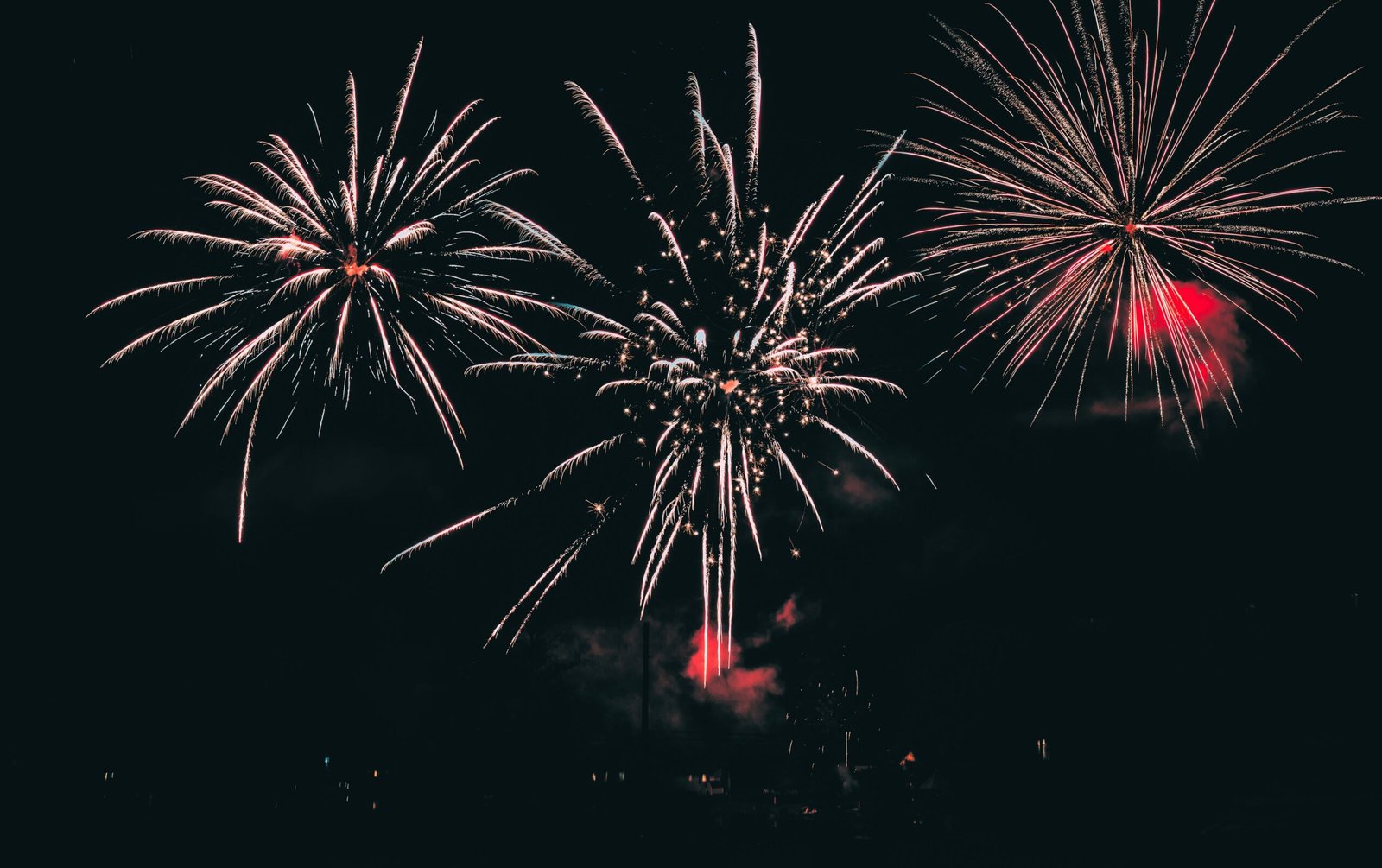
The Phoenix stretches across roughly two kilometers of riverbank, so wide that you genuinely cannot take it all in with a single glance — you end up swiveling your head from side to side trying not to miss anything, which I’m told is exactly the point. It unfurls over several unbroken minutes, building and building, and by the time it finally faded out, the entire crowd — tens of thousands of people who’d been dead silent moments before — just erupted. I had goosebumps despite the heat. Over the full two nights of the festival, the city fires off what I was told were tens of thousands of shells in total, including the enormous “sho-sanjakudama” shells that bloom wide enough to blanket a huge stretch of sky in a single burst.
Finding Your Spot on the Shinano River
A practical warning: this is not a casual, wander-in-at-7pm kind of event. The best riverside viewing areas are almost entirely reserved paid seating these days, and tickets for the good spots sell out fast — if you want a guaranteed seat, book well in advance through the official Nagaoka Matsuri ticket center rather than hoping to sort it out once you arrive. That said, I managed to find room in a more casual, unticketed area a bit further from the main bleachers, and honestly, the view was still spectacular. If you go this route, get there stupidly early, bring a tarp (everyone does — the whole riverbank turns into a quilt of blue plastic sheets by late afternoon), and pack more water than you think you’ll need.
The atmosphere leading up to the show is half the fun. Yukata-clad families and groups of friends stream down from Nagaoka Station, food stalls line the approach selling everything from yakisoba to shaved ice, and there’s a genuine small-town warmth to the whole evening despite the fact that over a million people pass through across the festival’s two nights. At one point the announcer had everyone on one bank of the river light up their phone screens and wave at the crowd on the opposite bank, and the whole river seemed to glitter back and forth. It’s a small moment, but it’s stuck with me.
Getting There
Nagaoka is easy to reach from Tokyo — hop on the Joetsu Shinkansen and you’ll be there in under two hours, which makes this a very doable day trip or overnight if you’re based in the capital. From Nagaoka Station, it’s about a thirty-minute walk down to the riverbank viewing areas (or a very crowded shuttle bus, if you’d rather not walk in the heat). Hotels in Nagaoka itself book out almost a year in advance for festival dates, so if you want to stay over, either plan far ahead or look at towns slightly further out and commute in for the evening, the way I ended up doing.
I came to Nagaoka expecting fireworks and left thinking about something closer to resilience. There’s something about watching a city that was once reduced to rubble choose, year after year, to fill that same sky with light and color and noise and joy, that I haven’t quite been able to shake. If you’re anywhere in Japan in early August, I’d genuinely rearrange your plans for this one.
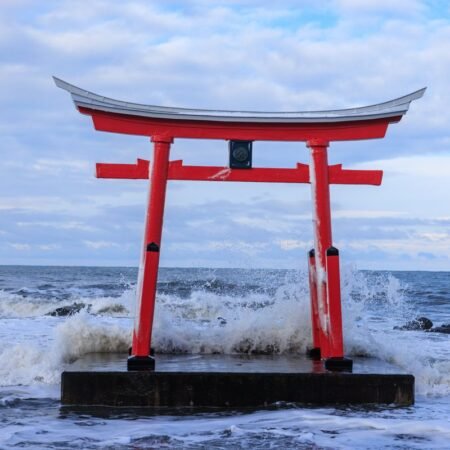
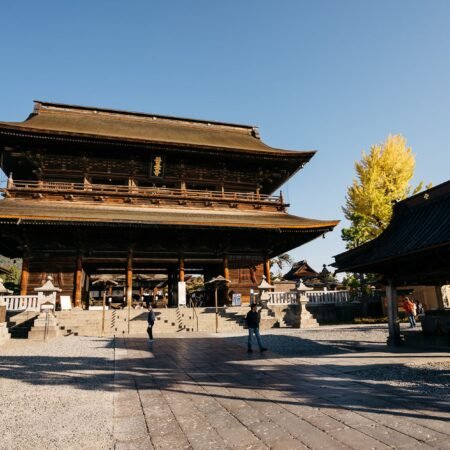
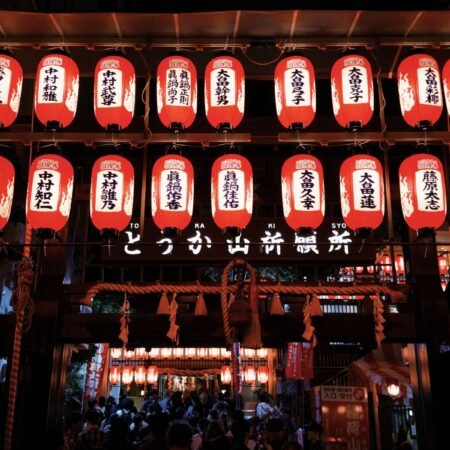
A quick note on photos: some of the images here are stock photos I’ve used to set the mood — they may not be the exact spot or moment I’m describing, just close in spirit.

コメント