





I ended up in Kindaichi Onsen almost by accident. I was changing trains in Ninohe, up in the northern reaches of Iwate Prefecture, when a faded tourist map in the station caught my eye. One of its little icons wasn’t a temple bell or a hot spring symbol — it was a cartoon of a small boy in a kimono, with the words “Zashiki Warashi Shrine” printed next to it in English. Seven years of chasing these stories around Japan, and I’d never once seen a yōkai get its own tourist pictogram. I missed my connecting bus on purpose.
What I found, a short taxi ride from the station, was a hot spring town built around one of the most famous ghost stories in the country — and, as it turned out, a story that had very nearly ended in 2009, not with a haunting, but with a fire.
A House Spirit With a Name
The zashiki warashi is one of Japan’s gentler yōkai, at least on paper. The name translates roughly to “parlour child,” and according to the folklore collected in Iwate Prefecture, it’s a child-shaped spirit that attaches itself to a single household, usually living in a back room or storehouse. Guests who glimpse it describe a small boy, five or six years old, with a bowl-cut hairstyle and an old-fashioned kimono. The being is mostly heard rather than seen: footsteps in an empty corridor, the scrape of something being dragged across tatami, a child’s laugh from a room nobody is in.
Most of what the wider world knows about zashiki warashi comes from Kunio Yanagita’s 1910 folklore collection Tōno Monogatari (The Legends of Tōno), compiled from stories told to him by a Tōno native named Kizen Sasaki. In one of the book’s best-known tales, a household that loses its resident zashiki warashi loses its fortune along with it — the story is careful not to claim the spirit caused the family’s later misfortune, only that the two happened close together. The lesson local people drew from it was simple enough: as the story goes, a house lucky enough to host a zashiki warashi should be glad of the company, and in no hurry to see it go.
Kindaichi Onsen, where I’d gotten off the bus, is a separate pocket of this tradition, roughly forty minutes north of the Tōno valley where Yanagita did his fieldwork. The spring itself has a straightforward, well-documented history: it was developed from 1626, in the early Edo period, as a bathing spot for samurai serving the Nanbu clan of Morioka Domain, and the Ministry of the Environment recognised it as a National Public Health Spa in 1994. The ghost story layered on top of it, though, has a name, a face, and—depending on who in town you ask—a shrine of his own.
Kamemaro’s Promise
According to the version of the story told around Kindaichi Onsen, a noble family fled north from Kyoto roughly 650 years ago, during the upheavals of the Nanboku-chō period, when the Northern and Southern Courts were at war and the shōgun Ashikaga Takauji was hunting down his rivals. Local accounts differ on exactly which branch of the aristocracy the family belonged to — some sources tie them to the Fujiwara line, others to the Madenokōji — but everyone agrees on the father’s given name, Fujifusa, and on what happened to his eldest son.
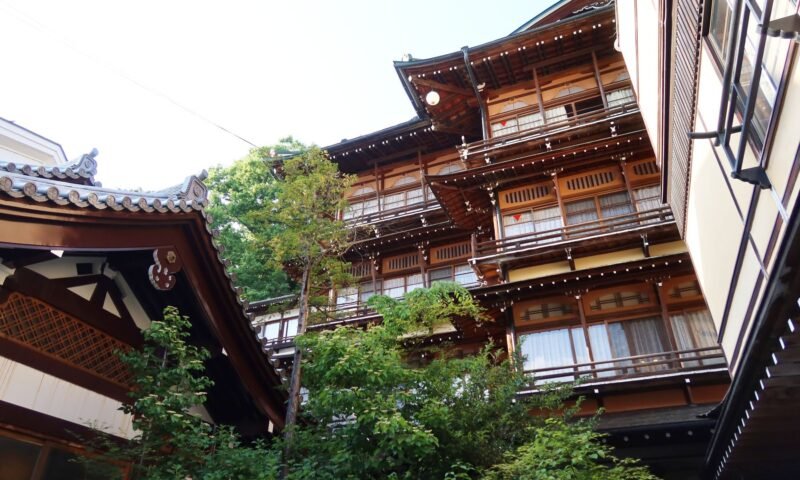
The boy, Kamemaro, fell ill and died at the age of six. On his deathbed, the story goes, he promised his family he would go on protecting their household line forever. He’s said to have kept that promise ever since, as the resident zashiki warashi of the house his family eventually built on that spot — a house that, in 1955, became a hot spring inn called Ryokufuso.
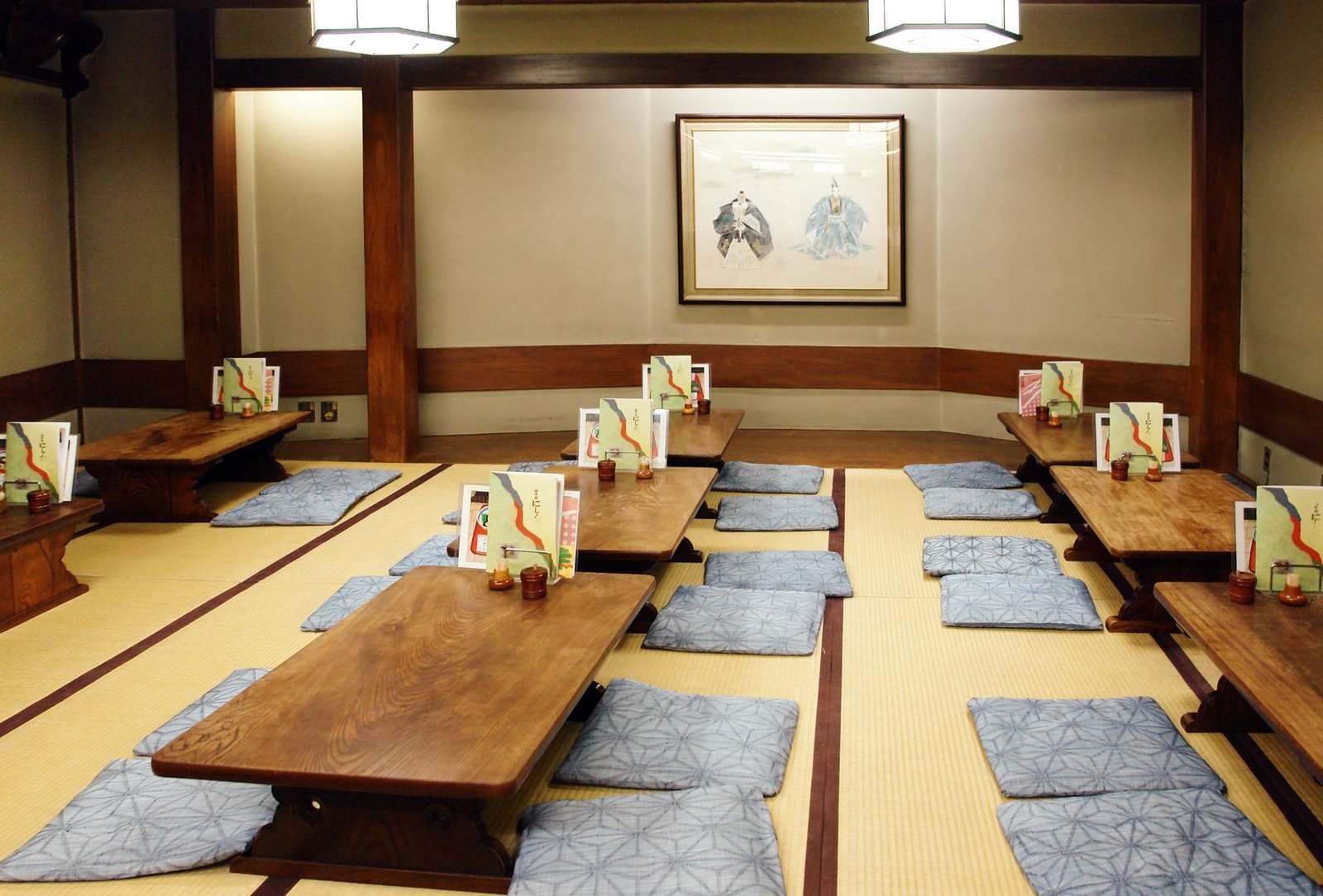
The inn’s inner guest room, the Enju no Ma, became the place where Kamemaro was most often reported, and the booking for it was famously difficult to get; by some accounts it was reserved years in advance by guests hoping that an encounter with the boy spirit, or simply a night under his roof, would bring them good fortune. Those who believed they’d been visited left toys and dolls behind as thanks, and over the decades the room filled with them.
The Fire of 2009
On 4 October 2009, Ryokufuso burned to the ground. By every account I could find, the fire was devastating and total — and also, remarkably, nobody was hurt. All twenty-one guests staying that night and all nine members of staff got out safely. The inn’s owner at the time, Hiroshi Itsukaichi, later told a Japanese news outlet that if even one guest had been injured, he would have considered closing the inn for good. Instead, he said, the flood of letters and support that followed — more than a thousand messages of encouragement from people who’d stayed there, or simply wanted to — convinced him there was no option but to rebuild.
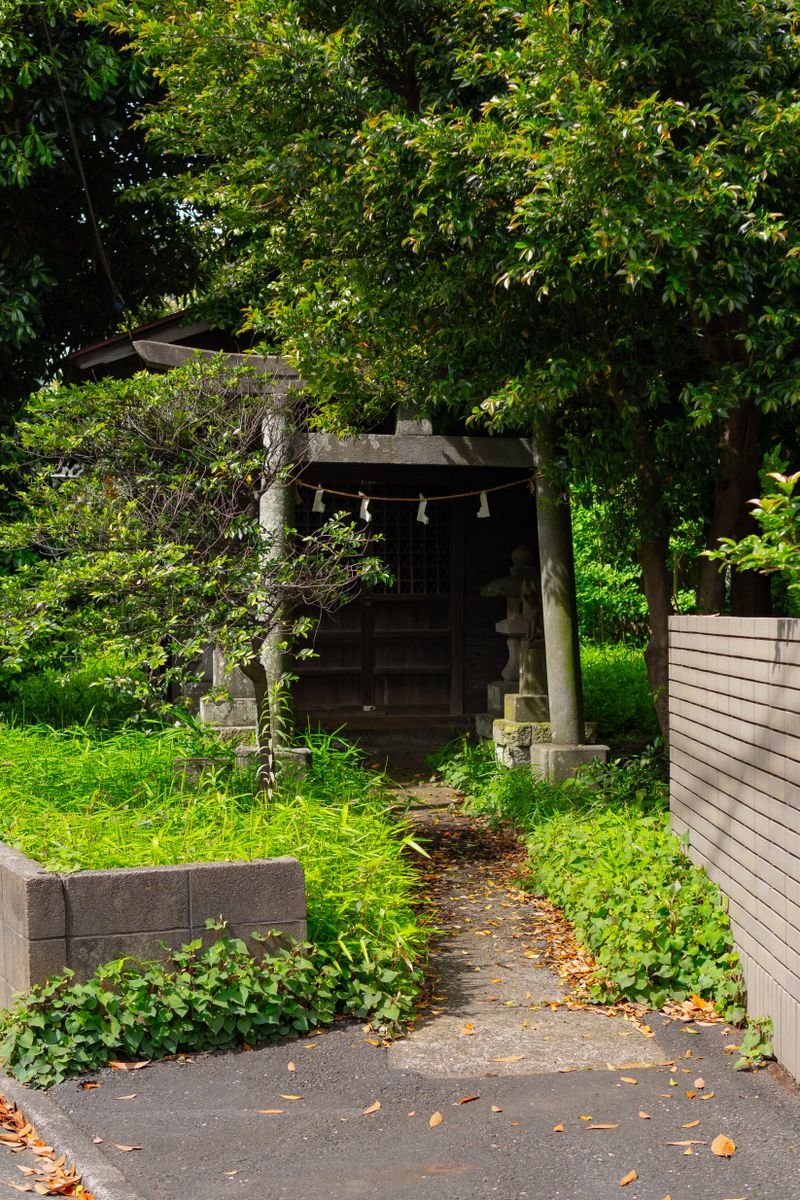
A fan group calling itself the Kamemaro-kai organised fundraising for the reconstruction, and within a few months more than 330 people had contributed. One detail from that period has stuck with me since I read it: the small shrine on the inn’s grounds, built separately from the main building and dedicated to Kamemaro himself, survived the fire completely untouched. Locals said the boy had simply fled there while his house burned. Ryokufuso eventually reopened years later, well past the owner’s original two-to-three-year estimate, which tells you something honest about how hard it is to rebuild from nothing, ghost story or not.
Visiting Kamemaro Shrine
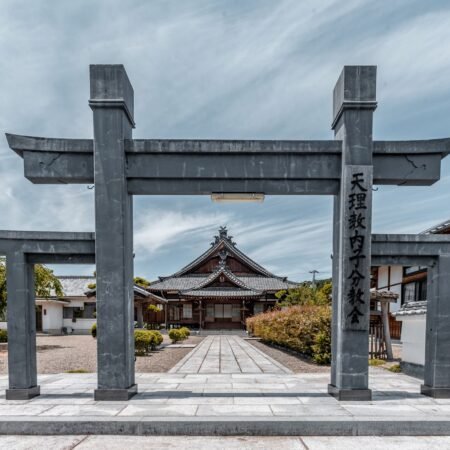
The Kamemaro Shrine itself sits on public ground near the inn in the Kindaichi district of Ninohe and can be visited on an ordinary afternoon; the local ryokan association, which looks after it, suggests setting aside about thirty minutes, and there’s free parking nearby. It’s a modest, quiet little building, nothing like the roadside spectacle its backstory might suggest, and that’s rather the point — whatever you make of the legend, it’s clearly meant as a place of respect rather than a photo-op.
If you’re hoping to stay in the rebuilt inn itself and try your luck in a latter-day version of the Enju no Ma, I’d suggest checking directly with Ryokufuso or the Kindaichi Onsen Ryokan Association before planning a trip, since room availability and booking conditions change and I don’t want to send anyone chasing a reservation on information that’s gone stale.
Whatever you believe about a six-hundred-year-old promise kept by a six-year-old boy, Kindaichi Onsen is a working hot spring town with real guests and a real business that survived a real fire, and it’s worth treating it that way. Keep noise down around the shrine, don’t treat the grounds as a stage for ghost-hunting theatrics, and if you do stay at the inn, remember that any good fortune you’re hoping for is also, quite literally, someone’s home and livelihood.
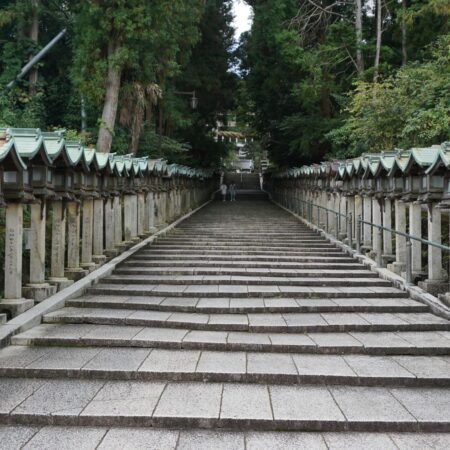
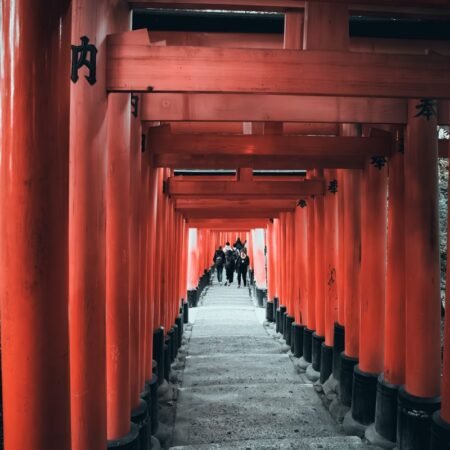
Note: images accompanying this article are illustrative stock photos and do not necessarily show the specific site discussed.


コメント