





I got off the train in Kotohira with a hangover-level amount of iced coffee in me and no idea what I was in for. I’d read “famous shrine, nice stairs” in a guidebook and figured it’d be a pleasant little stroll before lunch. Then I turned onto the approach street, looked past the rows of udon shops and amulet stalls, and saw the stairs disappearing into the trees like they just… kept going. A shopkeeper sweeping her doorway caught my face and laughed. “Ganbatte,” she said. Good luck. I was going to need it.
That’s Kotohira-gu, better known to basically everyone in Japan as Konpira-san, and it is, without exaggeration, one of the most purely physical shrine visits I’ve done in five years of living here. It’s also got one of my favorite bits of Edo-period logic I’ve come across: if you couldn’t make the climb yourself, you could send a dog to do it for you.
The Shrine You Could Send a Dog To Visit
Konpira-san sits on the slopes of Mount Zozu in Kagawa Prefecture, out on Shikoku, and it’s long been a place people come to pray for safety at sea. The shrine enshrines Omononushi, a deity tied to seafaring and protection on the water, and over the centuries that role blurred together with a Buddhist guardian deity called Konpira, imported originally from India by way of Buddhist cosmology. Locals just started calling the whole mountain “Konpira,” and the name stuck even after the shrine’s official identity got sorted out in the Meiji era. By the Edo period, this place was pulling in pilgrims from all over the country, second only to Ise Jingu in popularity — saying something for a shrine that requires this much cardio to reach.
Here’s the part that got me, though. Not everyone back then could afford the time or money to travel all the way to Shikoku, so a tradition sprang up: people would send a dog instead. A “konpira inu,” decked out with a little bag around its neck containing a donation, a prayer slip, and sometimes food for the journey, would be passed from traveler to traveler along the pilgrimage route until it reached the shrine on its owner’s behalf, then handed back and sent home again. There’s a small bronze statue of one partway up the stairs, sitting there with its bag, looking extremely pleased with itself. Honestly, fair. That dog had the right idea.
Climbing the Famous 785 Steps
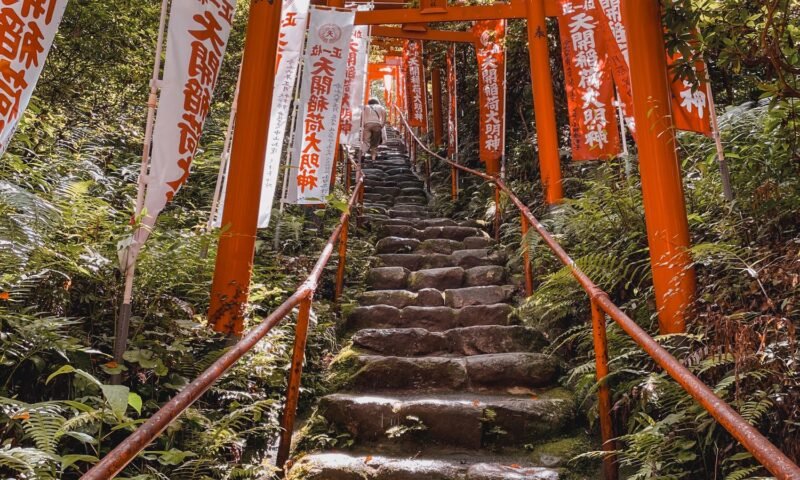
The number everyone throws around is 785 — that’s the step count from the base of the mountain up to the main shrine hall, the Hongu. The first 365 steps get you to the Omon gate, which is where the official shrine grounds begin, and that stretch is lined with little shops selling amulets, rice crackers, and walking sticks you can rent for about a hundred yen if your knees are smarter than mine were that day. I did not rent a walking stick. I regretted not renting a walking stick.
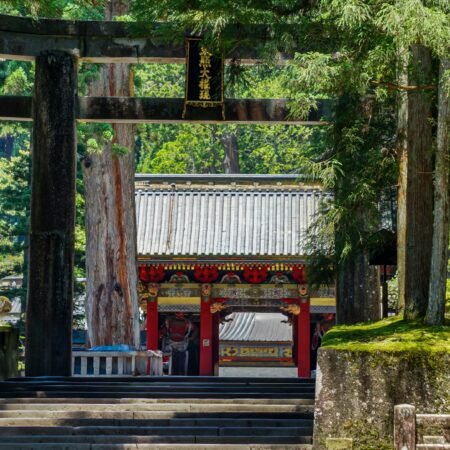
Past the gate, the climb settles into a rhythm of stone steps, cedar trees, and stone lanterns, the crowd thinning out the higher you go. Around the 628th step, you pass the Asahi-sha, a shrine pavilion that took about forty years to finish building in the 1800s and is covered edge to edge in detailed carvings — I stood there longer than I meant to, just looking at the woodwork. A bit further up is the Omote Shoin, a building with painted sliding doors old enough to be a nationally designated cultural property, plus a treasure hall with a striking eleven-headed Kannon statue, if you want to pay the small admission and take a breather indoors.
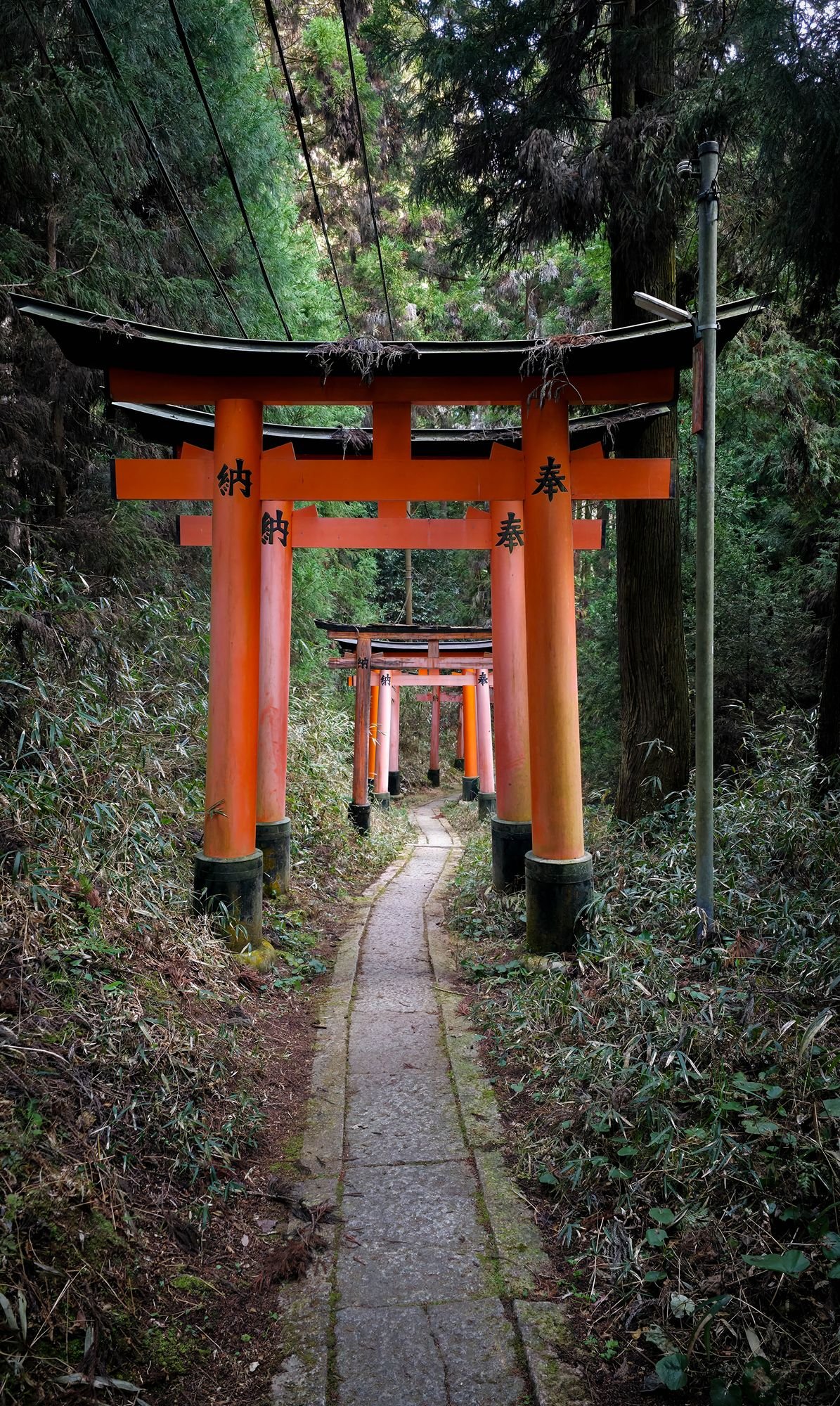
When you finally hit step 785 and the Hongu comes into view, the payoff is real: a wide platform looking out over the Sanuki plain toward the Seto Inland Sea, with Marugame visible on a clear day. People were just sitting on the benches up there, not talking much, catching their breath and the view at the same time. I bought a yellow omamori shaped like a little charm for safe travel, because apparently once you’ve made it this far you might as well cover your bases for the trip home too.
Going the Extra (Steep) Mile to the Inner Shrine
If 785 steps sounds like plenty, I’ll be honest: most people stop at the Hongu, and that’s a completely respectable life choice. But there’s a second shrine, the Okusha, another 583 steps and roughly thirty to forty minutes beyond the main hall, for a grand total of 1,368 steps and about 421 meters of elevation. The crowds disappear almost entirely on this stretch, which is steeper, quieter, and feels more like a mountain hike than a shrine visit.
My legs were shaking by the final stretch, and I passed exactly three other people the whole way up. But the Okusha itself, tucked into the rock face at the top, has this sense of having actually earned the quiet. There’s a carving of a tengu and a crow-faced guardian figure near the shrine that locals point to for legends I never fully got straight, something about messengers of the mountain. I didn’t ask too many follow-up questions. I was too busy sitting on a rock.
Coming Back Down Starving (In the Best Way)
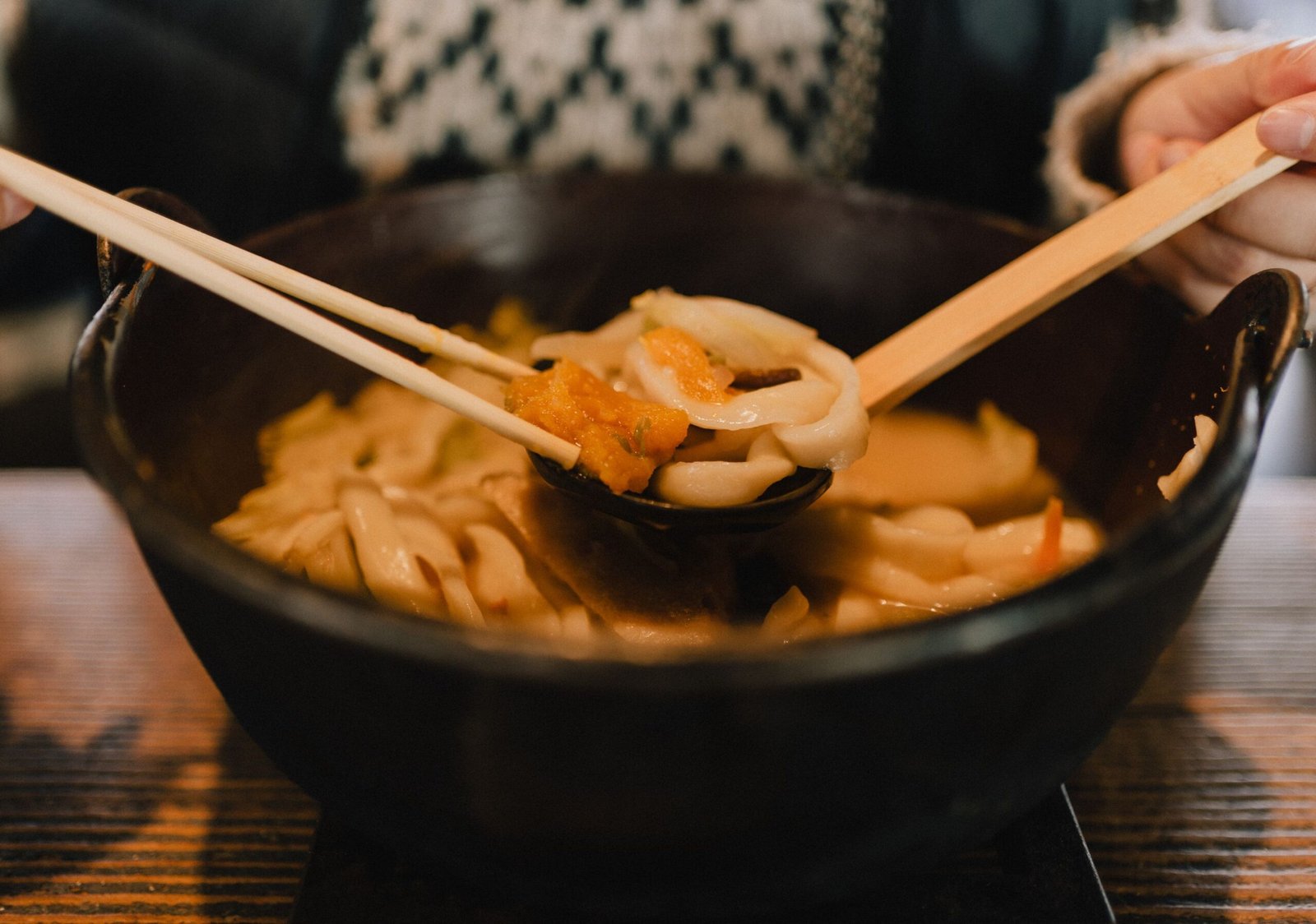
Kagawa is nicknamed “Udon Prefecture” for a reason, and by the time I wobbled back down past the Omon gate, I was ready to lean all the way into the stereotype. The approach street and surrounding town are packed with sanuki udon shops, plus an udon-making school if you want to turn your post-climb reward into an activity. I ate a bowl of chewy, springy udon in cold dashi with a slick of soy and green onion on top, and it might be the single most deserved meal I’ve had in this country. There’s also a little theater nearby, the Kanamaru-za, said to be the oldest still-functioning kabuki playhouse in Japan — worth a look if you’ve got any energy left in your legs, which by that point I did not.
Getting There and Making It Count
Kotohira is an easy day trip from Takamatsu, the main gateway city on this side of Shikoku. The JR line gets you there in under an hour, with a private Kotoden line option too if you want a slower ride. From either station, it’s a fifteen-to-twenty-minute walk through the shopping street before you even reach the first step, so budget your energy accordingly. Shrine grounds are generally open from early morning to early evening, and the small museums along the way keep daytime hours with modest admission fees.
Go in the morning if you can, both for the heat and the crowds — this is a popular spot, and 785 steps feel a lot longer in direct midday sun with a hundred other people pausing at the same narrow landings you are. Bring water, wear real shoes, and don’t be like me: just rent the walking stick.
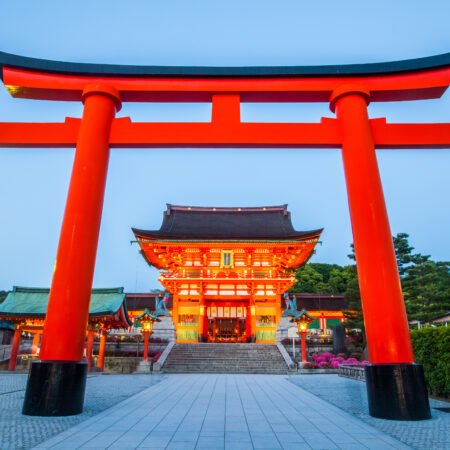
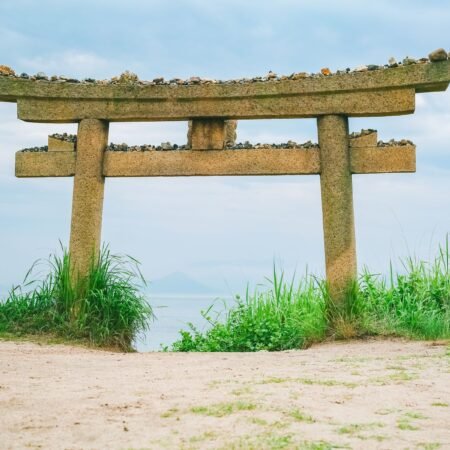
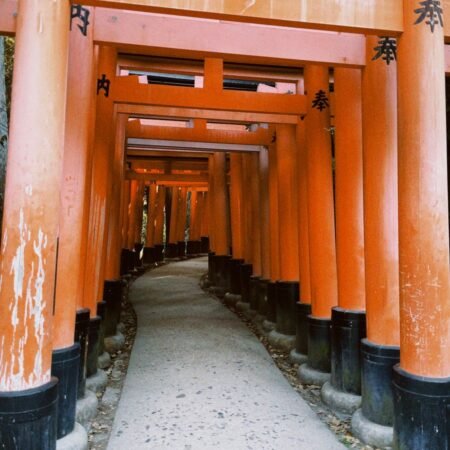
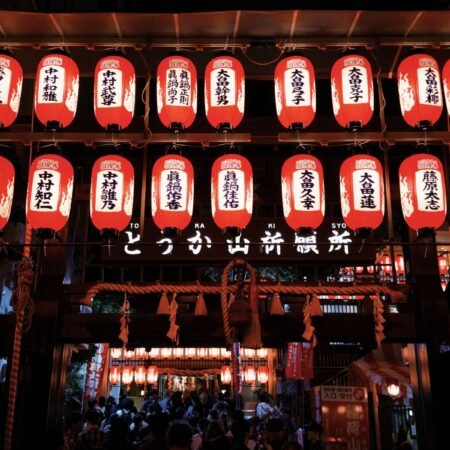
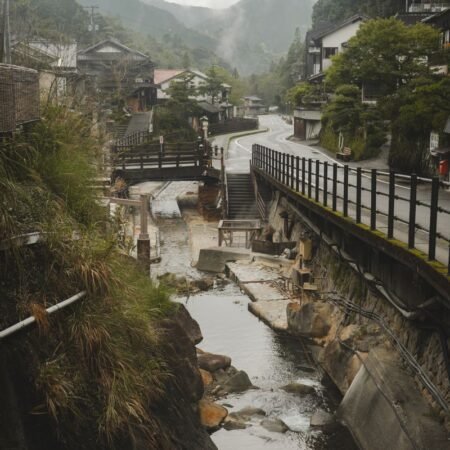
A quick note on photos: some of the images here are stock photos I’ve used to set the mood — they may not be the exact spot or moment I’m describing, just close in spirit.
コメント