








The train from Kyoto that climbs to Mount Kurama is a toy compared to the bullet trains most visitors ride into the city. Two carriages, orange and cream, rattling out of the Sakyo-ku suburbs and into cedar forest thick enough to blot out the afternoon light. By the time I stepped off at Kurama Station, the first thing to greet me wasn’t a vending machine or a tourist map. It was a tengu.
Not a real one, obviously — a large red-faced statue with a nose like a ship’s prow, planted outside the station entrance as if daring passengers to laugh. Nobody did. Seven years of weekend trips to Japan’s stranger corners have taught me that when a town puts a monster at its front door, the monster usually matters more than the postcard shrines further up the hill.
Mount Kurama matters, and not only because of the tengu. It’s a working Buddhist temple complex, the headquarters of its own religious movement, and — according to a story told in Noh theatre and woodblock prints for centuries — the place where a grieving child was secretly trained by the king of the tengu himself into one of the most celebrated military commanders in Japanese history.
A Child Sent Up the Mountain
History doesn’t disagree about the first part. During the Heiji Rebellion of 1159–60, fighting between rival court factions tore through the Minamoto clan. Its head, Minamoto no Yoshitomo, was killed, and his infant son survived largely because he was still too young to be seen as a political threat. That son grew up to become Minamoto no Yoshitsune, one of the most celebrated generals in Japanese history. As a boy, under the childhood name Ushiwakamaru, he was sent to Kurama-dera to be raised as a monk — tucked safely away from the Taira clan that now ruled in his family’s place.
What happened next belongs to legend rather than record. According to the story, preserved for generations in the Noh play Kurama Tengu and in ukiyo-e prints, young Ushiwakamaru never took well to monastic life. The telling goes that he slipped into the forest behind the temple at night to practice swordsmanship alone, until he drew the attention of something that was not alone at all: Sōjōbō, said in some versions of the story to command a thousand lesser tengu. Rather than punish the boy, Sōjōbō is said to have trained him instead — in swordsmanship, in tactics, in the arts of the mountain ascetic — until the orphaned monk grew into the general who would later lead the Minamoto to final victory over the Taira in the Genpei War.
This is the kind of story that’s easy to repeat as though it were settled history. It isn’t. There’s no surviving record of a named training ground, no inscription marking where the lessons supposedly took place. What’s verifiable is the historical Yoshitsune, his documented childhood exile to Kurama-dera, and the fact that people have told some version of this story for at least eight centuries — whether as evidence of something hidden in the forest, or simply as a culture’s way of explaining how an orphaned monk became a war hero.
Tengu, Explained (Sort Of)
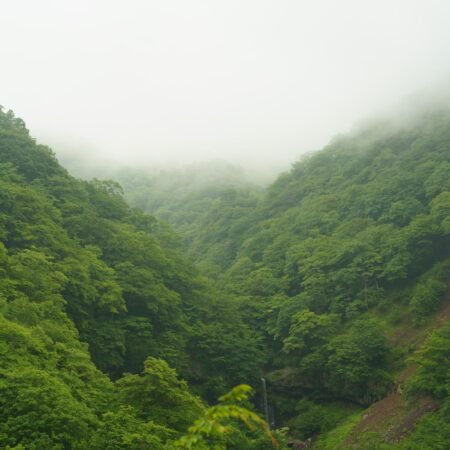
Tengu are among the oldest and most contradictory figures in Japanese folklore — sometimes vengeful tricksters blamed for travelers who vanish on mountain paths, sometimes guardian spirits who protect the peaks and the yamabushi ascetics who train on them. Sōjōbō, as the story has it, belongs firmly to the second category: a teacher, not a predator. Kurama’s steep, forested slopes, largely undisturbed since the temple’s founding sometime in the 8th century, are exactly the kind of terrain Japanese folklore has long associated with tengu territory — remote enough to feel outside ordinary jurisdiction, close enough to the old capital that stories about it travelled fast.
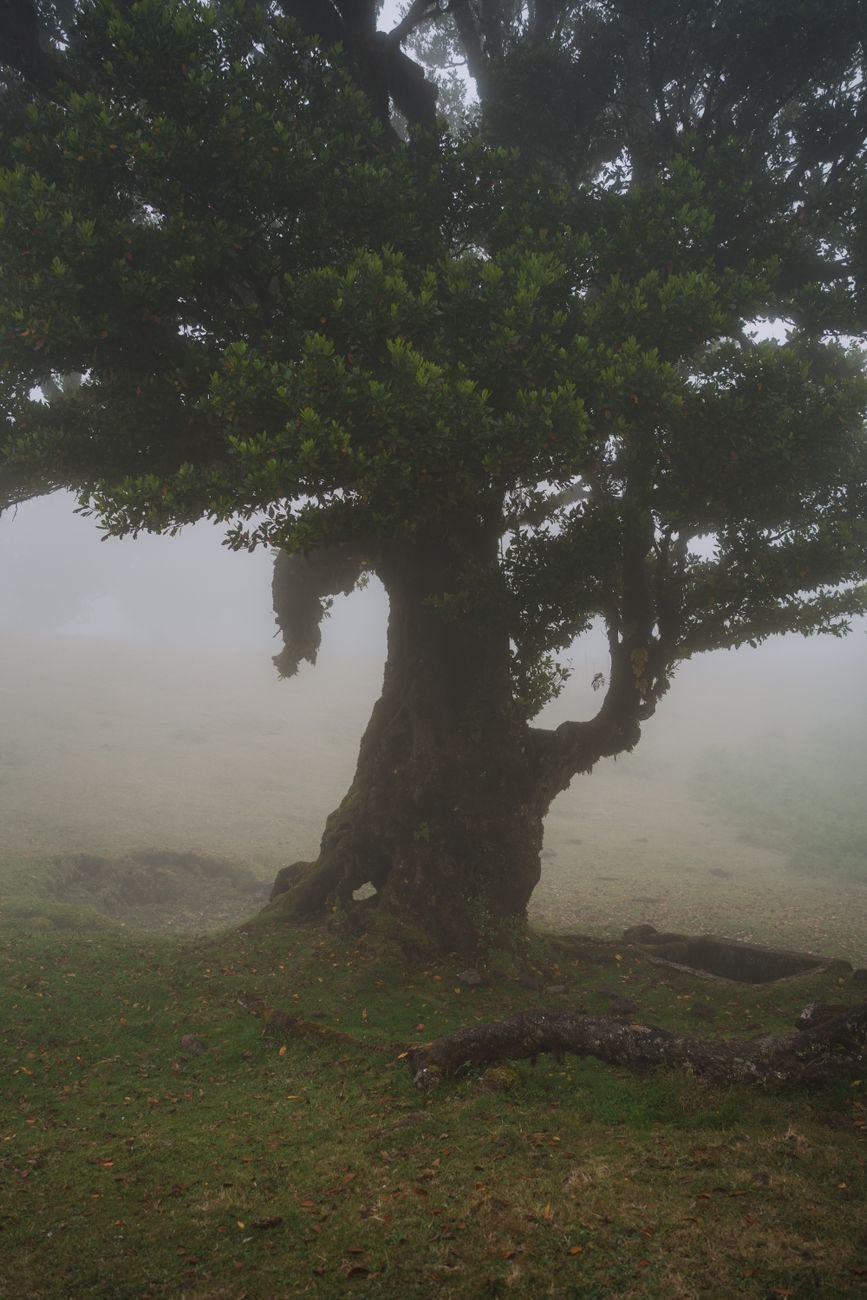
Near the summit stands Osugi Gongen, a sacred cedar that local tradition holds to be the incarnation of a mountain deity. I’m not in a position to confirm or deny that a tree can be a god, but standing beneath one that has been alive for centuries while dynasties rose and fell in the valley below, I understood the impulse.
The Mountain That Rewrote Its Own Theology
Kurama-dera’s religious identity has shifted more than its tengu stories might suggest. For centuries it was affiliated with the Tendai school of Buddhism, administratively subordinate to a Kyoto temple called Shōren-in. Then in 1949 it broke away to found its own independent religious body, Kurama-kōkyō, centred on a deity called Sonten — described by the temple’s own teaching as a union of the guardian god Bishamonten, the bodhisattva Kannon, and a third, more unusual figure that some of the temple’s modern teachings describe as having descended to the mountain millions of years ago and remaining eternally youthful. I mention this not as history, because it isn’t — it’s a living belief held by today’s practitioners, not a claim I can verify — but because it shows how unfinished this mountain’s mythology still is. Eight-hundred-year-old tengu legends sit comfortably next to a twentieth-century reinterpretation of what the mountain actually is.
The same restlessness turns up in Kurama’s connection to Reiki. By some accounts, Mikao Usui, the founder of the healing practice, spent three weeks meditating on the mountain in 1922 before developing his system — a tradition some sources treat as settled fact and others treat as pious legend attached after the fact. I’ll leave it exactly where I found it: one more story the mountain tells about itself, alongside all the others.
Walking the Mountain Today
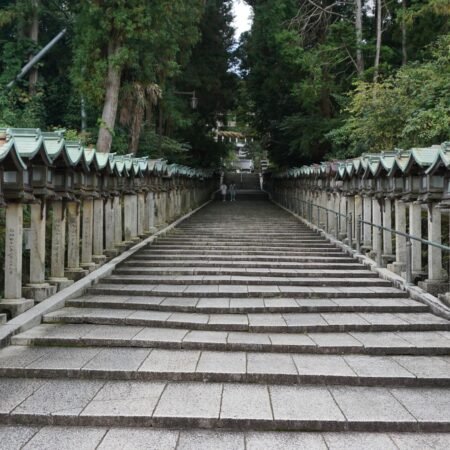
You don’t need to take any of this on faith to enjoy Mount Kurama. The temple grounds are open to any visitor who pays the modest entry fee, the Kurama-dera Cable — often described as the shortest railway line in Japan — will carry you part of the way up if the forest path looks like too much after a long train ride, and the trail that continues over the ridge to Kibune, home to Kifune Shrine, is one of the more pleasant short hikes in the Kyoto area. Every October the mountain hosts the Kurama Fire Festival, when its ordinarily quiet slopes fill with torch-bearing processions; if you want to see it, plan well ahead, because a narrow mountain road draws a serious crowd for one night.
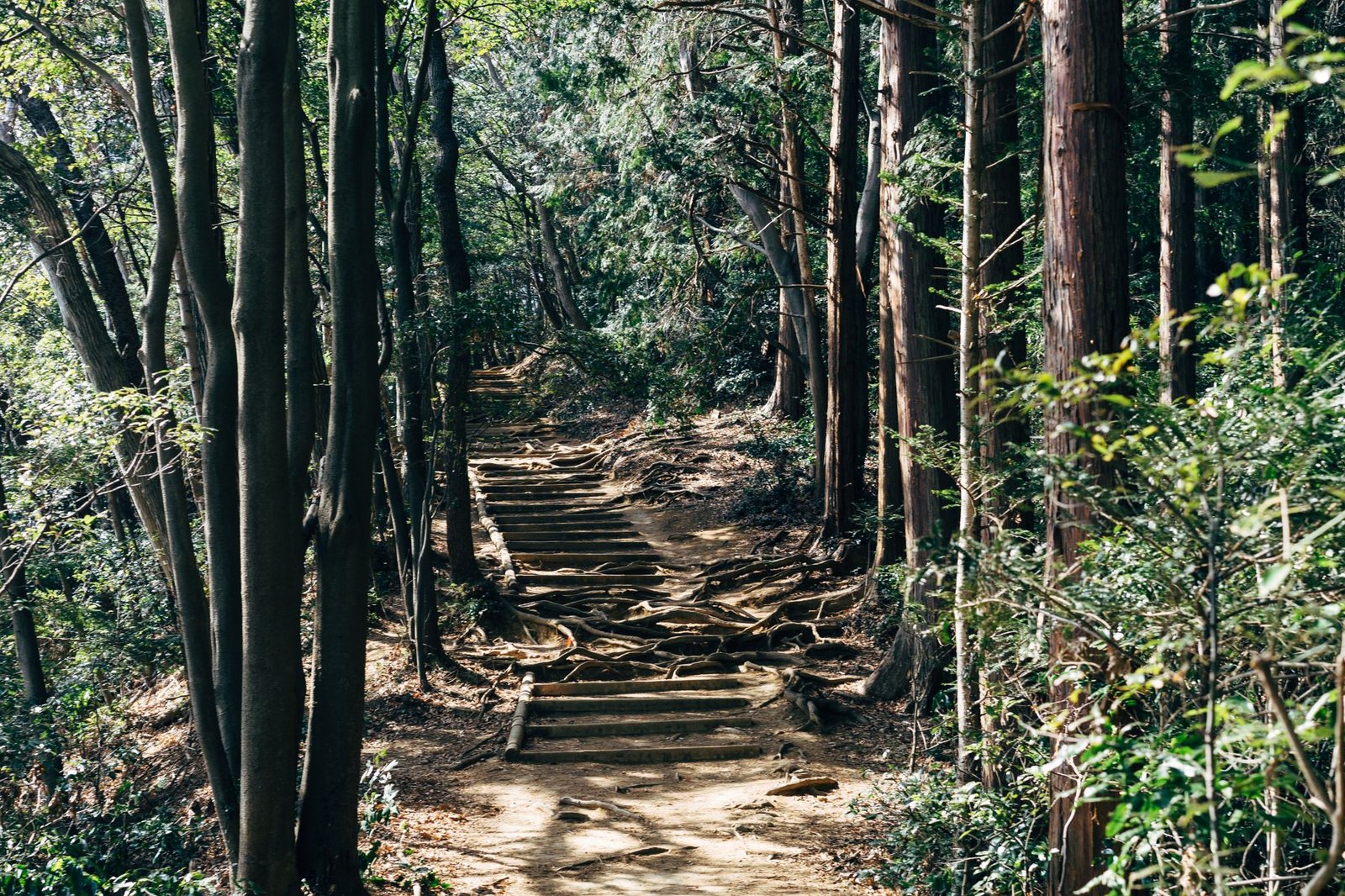
If you go, stay on the marked paths. The forest is steep, the stone steps are often damp, and this is still an active place of worship rather than a theme park. Don’t touch the votive objects at Osugi Gongen or the smaller shrines along the route, keep your voice down near the main hall, and give way to monks and worshippers going about their actual business. Whatever you make of Sōjōbō, the mountain has been looked after by people taking it seriously for well over a thousand years. It asks only that you do the same for an afternoon.
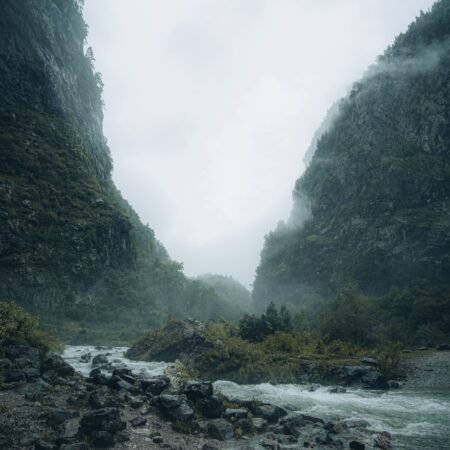
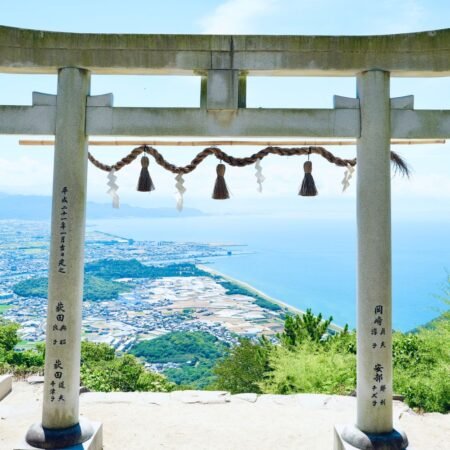
Note: images accompanying this article are illustrative stock photos and do not necessarily show the specific site discussed.

コメント