





The first time someone told me about Kurokawa Onsen, they didn’t describe it like a normal Japanese travel tip. They lowered their voice a little, like they were letting me in on something. “It’s not like other onsen towns,” my coworker said. “You buy a little wooden pass, and you just… wander around soaking in different inns’ baths until you’re basically a boiled dumpling.” I bought a bus ticket to Kumamoto that weekend.
Kurokawa Onsen sits in a narrow valley in Minamioguni, up in the mountains of Kumamoto Prefecture, and it is, without exaggeration, one of the prettiest hot spring towns I’ve been to in five years of chasing onsen around this country. There’s no train station. You get there by bus, usually changing once or twice, and by the time you step off and hear the river running under the footbridges, you already feel like you’ve left the rest of Japan behind.
A Town That Agreed to Look the Same
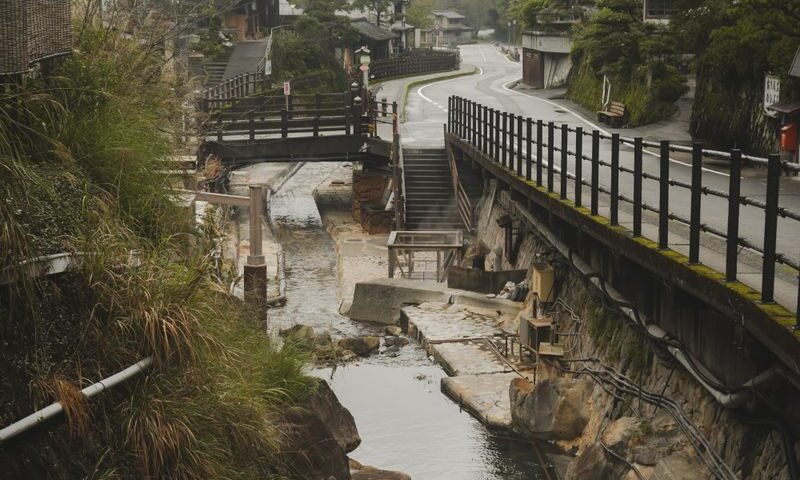
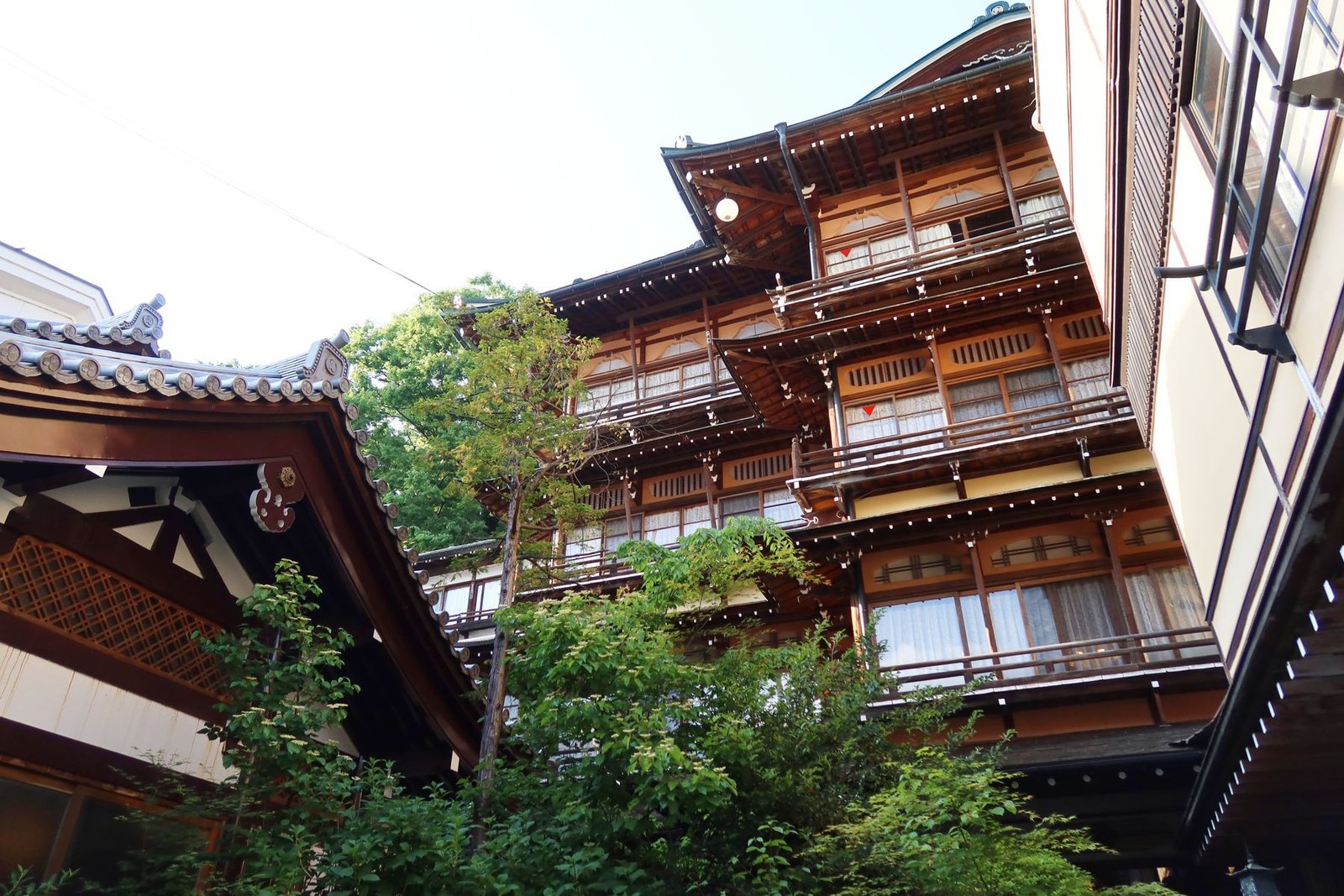
What struck me first wasn’t the steam or the smell of sulfur, it was how consistent everything looked. No neon signs, no vending machine humming under fluorescent light on every corner, no oversized parking lot billboards. The local ryokan association apparently made a pact decades ago to keep the town looking like, well, a town from another century — dark wood facades, hand-carved signs, lanterns instead of streetlights. I later read that they’ve been doing this kind of coordinated landscaping since the 1980s, replanting cedar and maple along the river by hand, inn by inn, without any one owner trying to outdo the next with something flashy. It shows. Walking from the bus stop into the village center, past the little bridge over the Tanoharagawa river, felt less like arriving somewhere and more like stepping into a slightly warmer, slightly foggier dream.
The Tegata: Your Passport to Onsen-Hopping
Here’s the part that makes Kurokawa different from basically anywhere else I’ve soaked in Japan. Instead of picking one ryokan and staying loyal to its bath for your whole visit, you can buy a nyuto tegata — a small wooden pass, about the size of an omikuji fortune slip, strung on a cord you wear around your neck. It costs around 1,300 yen and gets you into three different baths at three different inns, out of roughly twenty that participate.
I bought mine from the little information center near the main bridge, and the woman behind the counter handed me a rough map with all the participating ryokan marked, along with a friendly warning: “Some of the best ones have a bit of a walk, and a couple of stairs.” She wasn’t kidding. Kurokawa isn’t flat, and some of the outdoor baths are tucked into the hillside, which honestly just adds to the appeal. You earn the soak.
Each inn stamps or punches your tegata when you use their bath, and once all three slots are filled, you’re supposed to keep the pass as a souvenir rather than try to sneak a fourth visit in. I kept mine on my desk for months afterward, a little wooden reminder that I’d once spent an entire gray October afternoon doing nothing but walking between hot baths in the mountains.
Into the Water
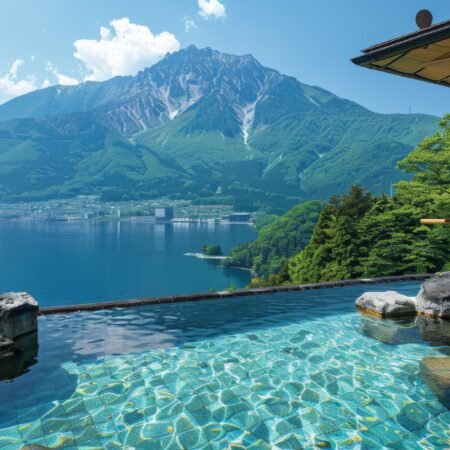
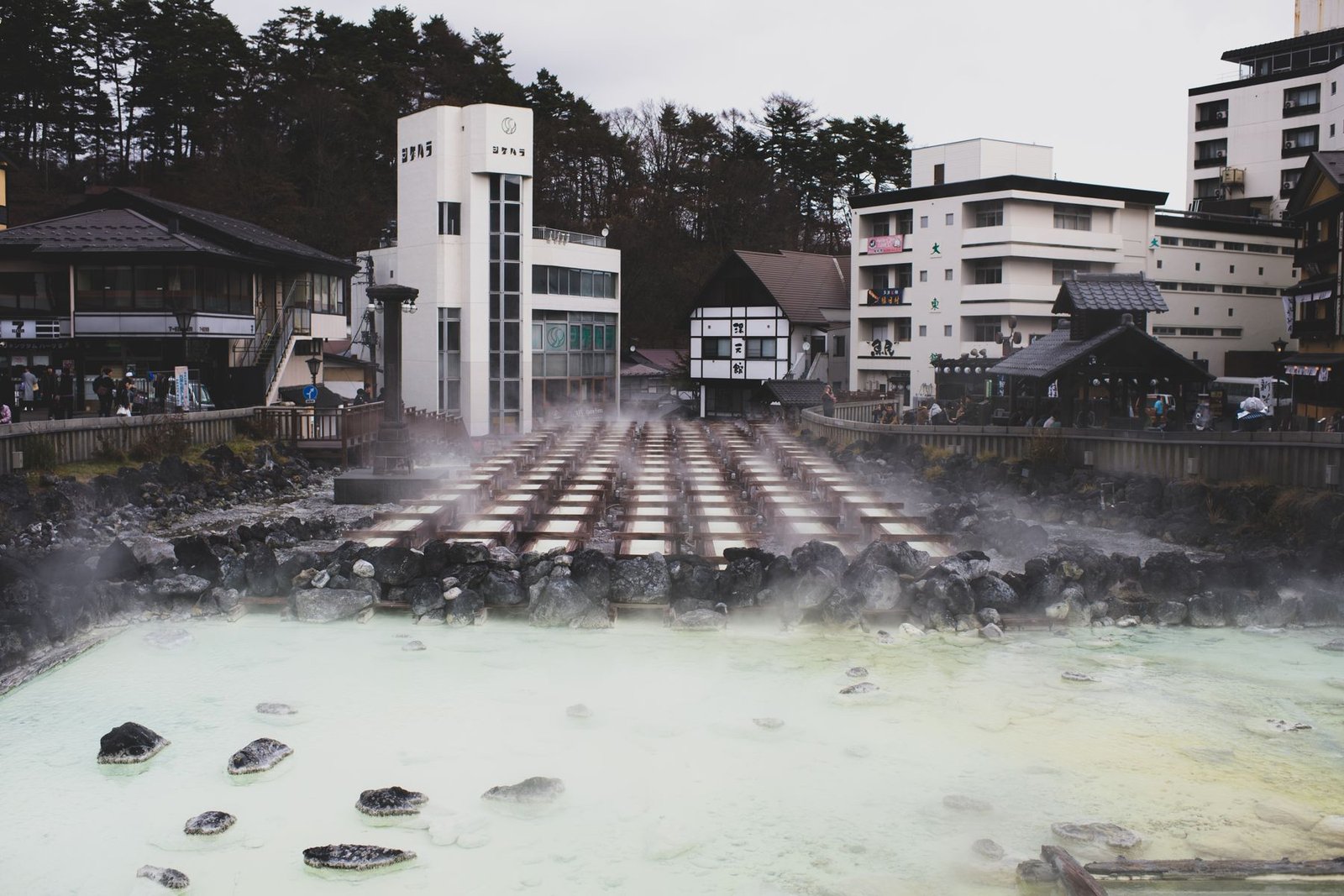
My first stop was a rotenburo, an open-air bath, tucked behind a stand of maples that were just barely starting to turn color. The water in Kurokawa is famous for being what’s called “nigori-yu,” slightly cloudy, milky mineral water, and this one had a faint blue-white tint to it that made the steam rising off the surface look almost solid in the cold air. I sat there with my knees pulled up, completely alone except for the sound of the river somewhere below, and thought about how strange it is that soaking in near-silence with strangers’ inns just downstream from me felt like one of the most peaceful things I’d done all year.
The second bath was smaller, built right into a rock outcropping, water trickling in from a bamboo pipe. The third, at a ryokan a bit further up the hill, had a view over the valley that made me embarrassingly late getting back to my regular life the next day. Each inn has its own personality, its own water temperature, its own tiny rituals — some hand you a small towel at the entrance, some just trust you to know what you’re doing by now.
Practical Notes From Someone Who Nearly Missed the Last Bus
If you’re planning your own visit, a few things I wish someone had told me. Kurokawa is most easily reached by highway bus from Kumamoto or Fukuoka, or by rental car if you don’t mind mountain roads with some genuinely sharp curves. There’s no ATM or convenience store empire waiting for you here, so bring cash, since some of the smaller inns still don’t take cards for the tegata or bath fees.
Give yourself at least three or four hours if you’re doing the pass properly, more if you want to actually sit down for lunch, which you should, because the little soba and dango shops along the main street are worth the calories. And check the last bus time before you get too relaxed. I did not, and ended up sprinting across that little footbridge with wet hair and a half-eaten skewer of dango in hand, which is its own kind of Kurokawa memory, I suppose.
Autumn and winter are the classic seasons to visit, when the cold air makes the hot water feel even better and, if you’re lucky, there’s a dusting of snow on the ryokan roofs. But honestly, any gray, quiet day works. That’s sort of the whole point of the place.
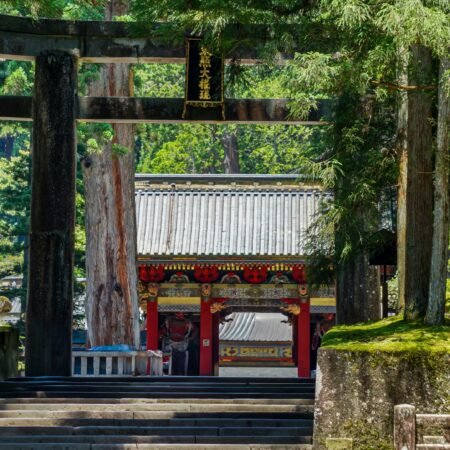
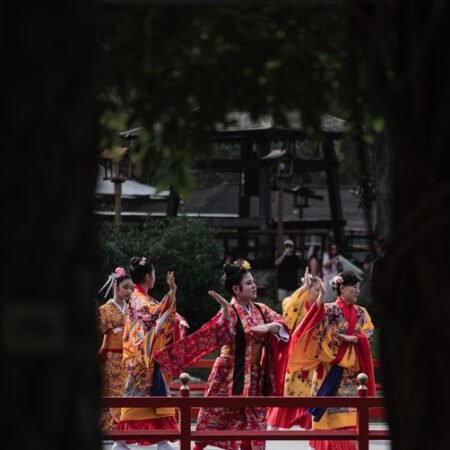
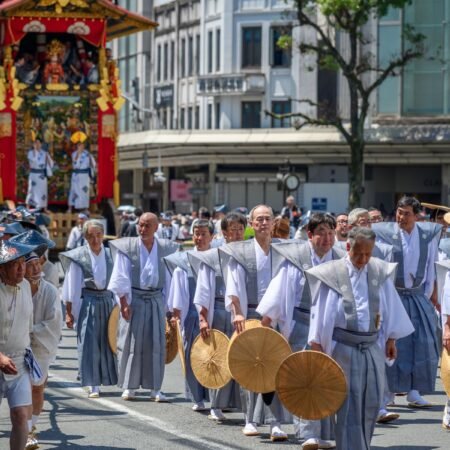
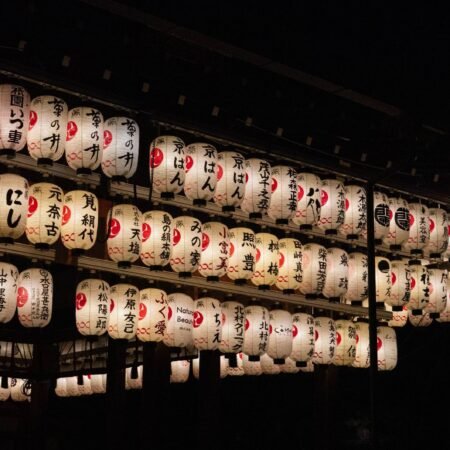
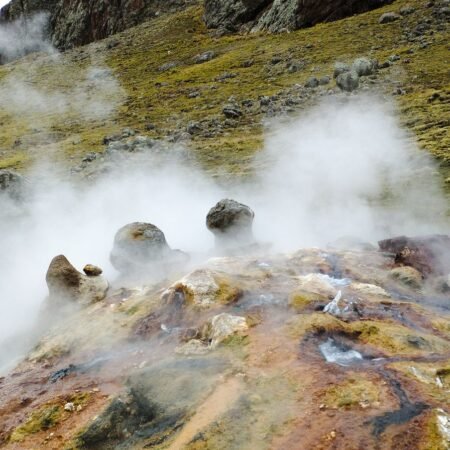
A quick note on photos: some of the images here are stock photos I’ve used to set the mood — they may not be the exact spot or moment I’m describing, just close in spirit.
コメント