





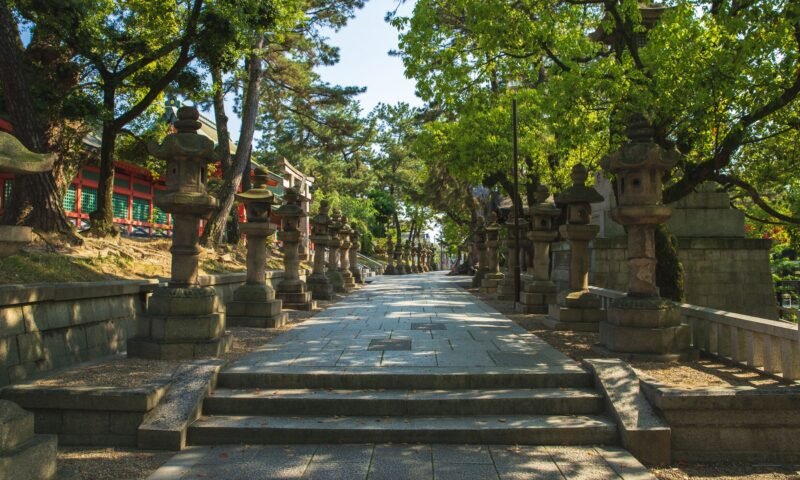
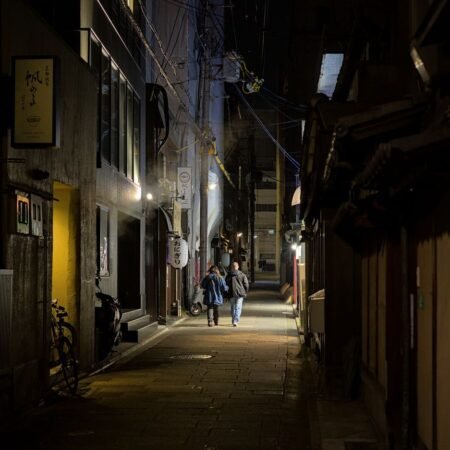
I found Yurei-zaka by accident, the way I find most of these places. I was cutting through Mita on foot between two appointments, trying to avoid the main road, when the side street I’d picked started climbing harder than I expected and the light dropped by about half. Camphor and gingko branches leaned in from both sides, a stone wall ran along the right-hand edge, and somewhere behind it I could hear what sounded like a temple bell being tapped, not rung. When I checked the street sign at the top, it read 幽霊坂 — Yurei-zaka. Ghost Slope. Of course it did.
It turns out I’d wandered into one of more than a dozen streets in Tokyo that still carry this nickname, officially or unofficially, and almost all of them share the same basic shape: a narrow, shaded rise, usually bordered by old temple grounds, usually dating back to the early Edo period. Most of them, including this one, have no specific ghost attached to them at all. What they have instead is a feeling, and a history that explains exactly where that feeling came from.
A Street Named for the Dark, Not for a Ghost
Tokyo’s “ghost slopes” are a known, if minor, category among the city’s local historians and slope enthusiasts — yes, that’s a real and surprisingly dedicated hobby here. Writers who catalogue these streets count at least a dozen or so scattered across the wards, a couple each in Chiyoda, Bunkyo, Shinjuku and Minato, each marked by little more than a street sign. The explanation that keeps coming up, slope after slope, has nothing supernatural in it at the root: in a city before electric light, a lane running between temple walls and graveyards, shaded by old trees and empty of houses, was simply dark and lonely enough that people avoided it after sunset and told stories about why.
Mita’s version runs for roughly 250 metres and climbs about 20 metres, enough to make you feel it in your legs by the top. It’s lined for most of that length by a small cluster of Buddhist temples, part of what was once a proper jitamachi, a temple district, formed when a wave of Edo-period relocations pushed religious institutions out from the castle’s inner precincts toward the edges of the growing city. Local accounts put the move to this stretch of Mita sometime in the 1630s, though the exact year shifts depending on which source you check — a reminder that even well-documented Edo history often comes down to several plausible dates rather than one certain one. What’s not in dispute is the effect: temple walls and burial grounds, shaded and quiet, on a slope steep enough to slow you down and let your imagination catch up with your footsteps.
The Temple at the Top of the Slope
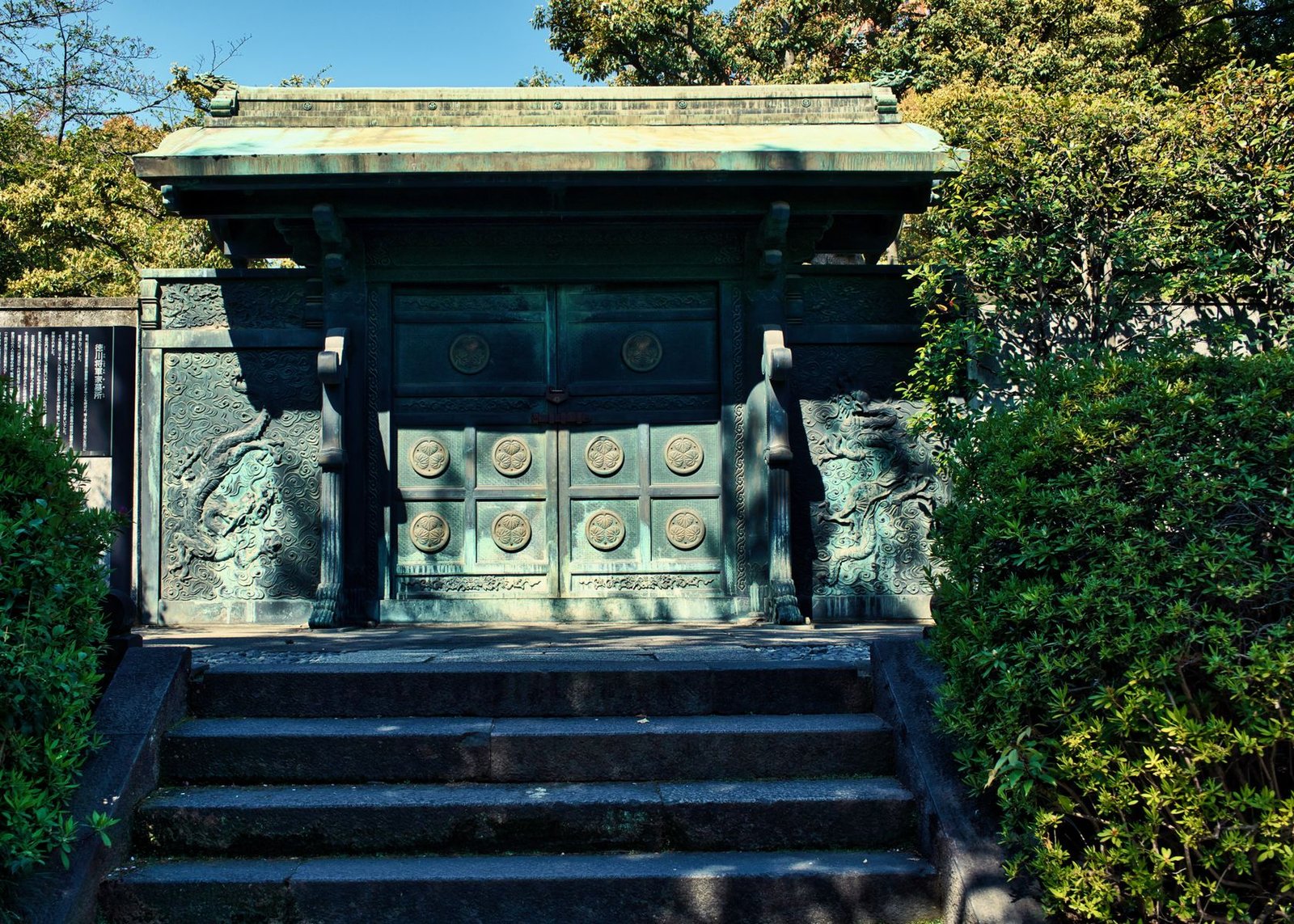
Climb all the way up and you reach the gate of Gyokuho-ji, a Soto Zen temple that, by its own account, was founded in 1599 in Hacchobori, down near the old waterfront, before being moved out here to Mita in that same 1630s wave of relocations. A stone marker near the gate credits its donation, in 1906, to Takahashi Korekiyo — a name worth knowing if you don’t already: a statesman and finance minister who helped steer Japan’s economy through the early twentieth century and the aftermath of the 1923 Great Kanto Earthquake, before being assassinated in 1936 during an attempted military coup. It’s a small, concrete link between a quiet residential slope and a much larger national story, and it’s the kind of detail that tends to get lost unless someone happens to stop and read the stone.
The Jizo Who Wears Make-Up
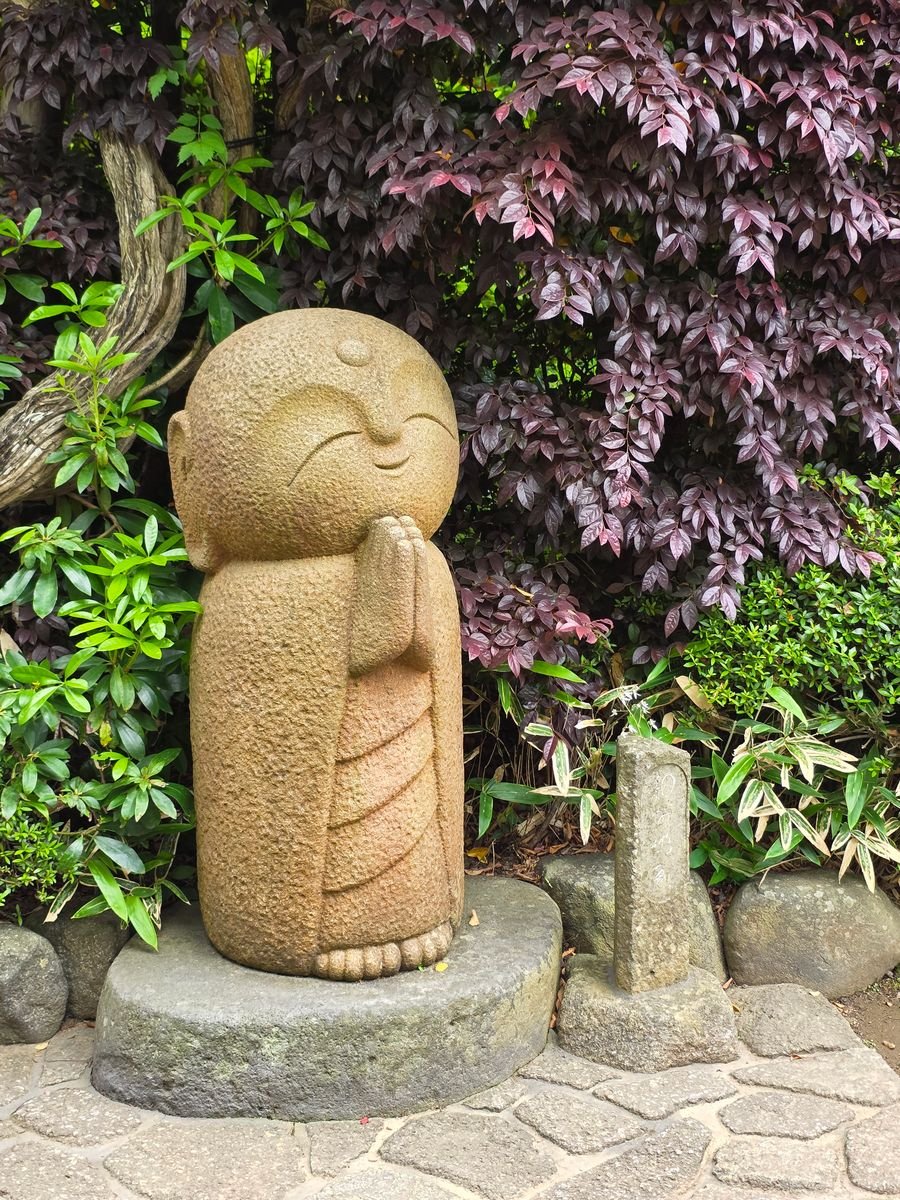
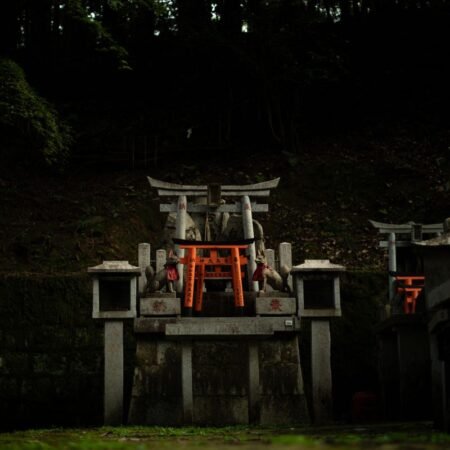
What actually stopped me at Gyokuho-ji wasn’t the gate, though. Just inside it, in a small hall of its own, sits a weathered Jizo statue known locally as the Kesho Jizo — the “Make-Up Jizo,” sometimes given the fuller name Gokesho Enmei Jizo. According to the story told around the temple, the statue was originally found discarded near a bridge over by Hacchobori, damaged and unwanted, and was repaired and brought here to be properly enshrined. The custom that grew up around it is the part I like best: a priest at the temple, troubled by a blemish on his own face, is said to have dabbed some cosmetic powder onto the Jizo’s cheek along with his own, and found his skin cleared up soon after. Word spread, and visitors have been doing the same ever since, patting white powder onto the statue’s face when they pray for clear skin, for healing, or simply for a bit of help looking and feeling well.
I want to be honest about the shape of this story. The details — which bridge, which priest, which year — vary depending on who’s telling it, and none of it comes with the kind of paper trail a historian would want. It sits, like most temple legends, somewhere between devotional tradition and local folklore, kept alive less by documentation than by the fact that people keep coming back to do the same small, hopeful gesture their neighbours did before them. What I found genuinely moving wasn’t whether the story checks out, but the contrast it makes with the street outside: a slope named, generations ago, for being dark enough to avoid, leading straight to a doorway where the ritual on offer is tenderness rather than fear.
It’s worth remembering, too, that this is one slope among many with the same nickname across the city, and most of them come with no particular legend at all — just the name, the shadow, and whatever a given neighbourhood has chosen to make of it. Mita’s happens to lead somewhere gentle. Not every Yurei-zaka does.
Visiting Respectfully
Yurei-zaka and Gyokuho-ji are both entirely public: a residential street and an active, working temple, not a ruin and not anywhere you need to trespass to see. That also means it’s a real neighbourhood, with real residents and real worshippers, so the same manners apply here as anywhere else in daily use. Keep your voice down, especially near the temple gate and the graveyard sections along the slope. If you want to take part in the Kesho Jizo custom, follow whatever is posted at the hall rather than guessing, and don’t bring anything of your own to apply to the statue that isn’t clearly intended for that purpose. The slope itself is a functioning street with cars on it and no proper footpath in places, so mind the traffic rather than the shadows, and there’s no real reason to come after dark — the daytime version, with the light filtering down through the trees, is atmospheric enough on its own, and far easier on the ankles.
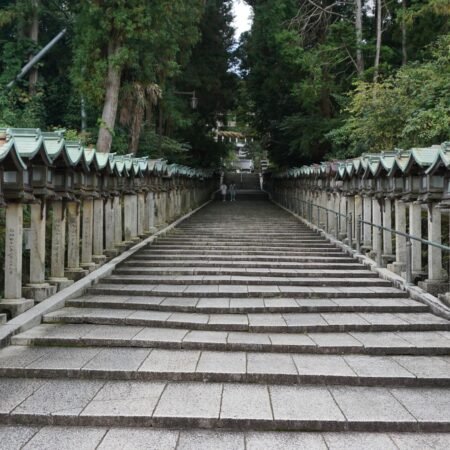
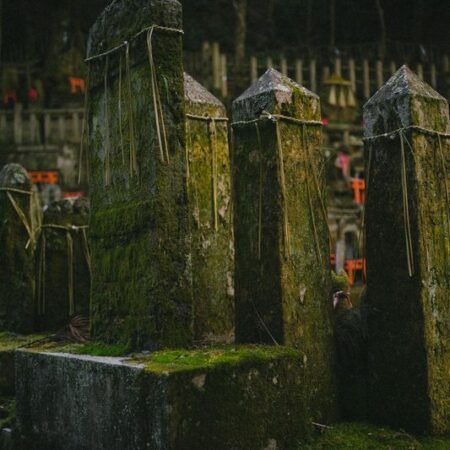
Note: images accompanying this article are illustrative stock photos and do not necessarily show the specific site discussed.
コメント