






I first heard about the curse of Inokashira Pond from a colleague who point-blank refused to get in a rowboat with me. We were meant to be translating a batch of tourism brochures together at a café nearby, and when I joked that we should take a break on the water, she looked genuinely uneasy. “Not on that pond,” she said. “Not as a couple.” I assumed she was joking. She was not.
That was my introduction to one of Tokyo’s gentlest, and strangest, pieces of urban folklore: the belief that Inokashira Park, a beloved patch of green straddling Musashino and Mitaka in western Tokyo, is watched over by a goddess who does not care for young love. According to local legend, any couple who rides one of the park’s rowboats together is doomed to break up. It is not a story about violence or vengeance. It is a story about jealousy — and it has been quietly shaping the dating habits of Tokyoites for decades.
A Pond That Has Always Been Sacred
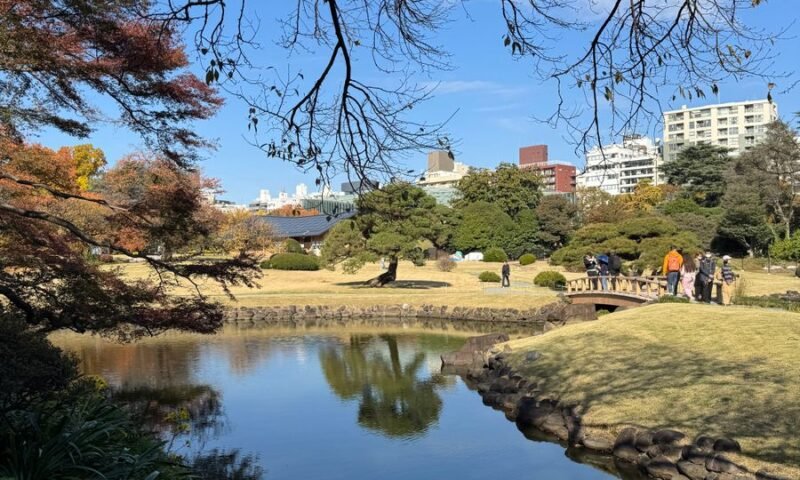
Inokashira Park opened to the public in 1917, making it one of Japan’s oldest suburban parks, but the pond at its centre was considered special long before that. Fed by natural springs, Inokashira Pond was historically one of the sources of the Kanda River and, by extension, part of the water supply for old Edo. Standing at the water’s edge on a quiet weekday morning, it is easy to see why people have treated this place with a kind of reverence: the water is startlingly clear in places, the surrounding trees lean in close, and the noise of the city falls away almost as soon as you enter the park gates.
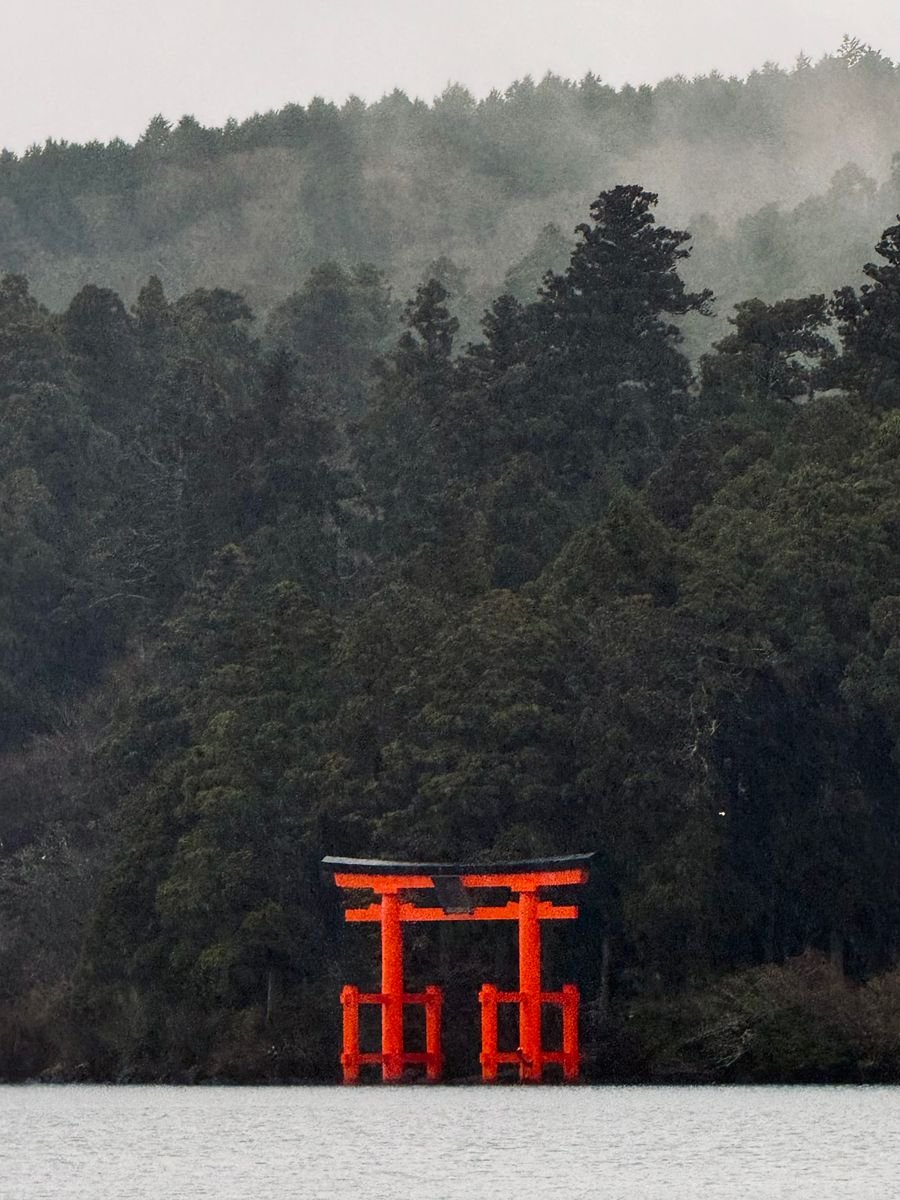
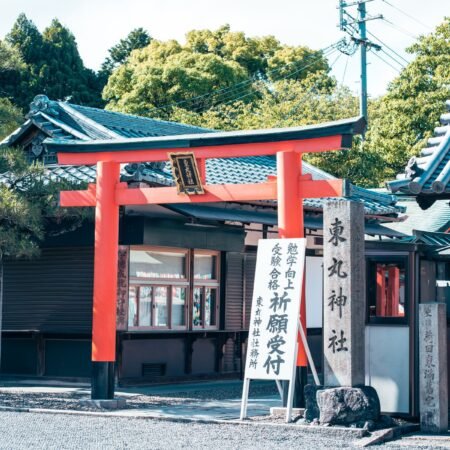
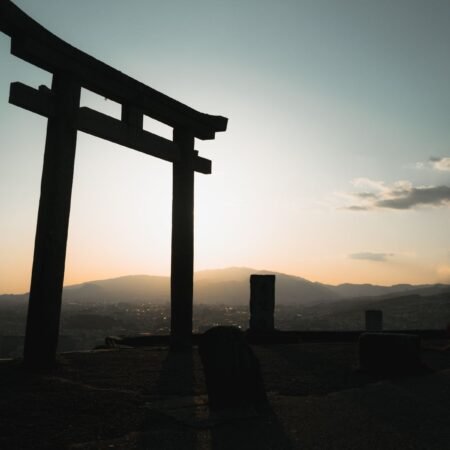
On a small, tree-covered island near the middle of the pond sits Inokashira Benzaiten, a shrine dedicated to Benzaiten (also called Benten), the goddess of water, music, eloquence and good fortune, and the only female deity among Japan’s Seven Lucky Gods. The shrine’s own history is told in layers, the way so many of these places are: some accounts trace its founding to the priest Ennin in the ninth century, while others credit the shogun Minamoto no Yoritomo with establishing it around 1197. I have not found a way to reconcile the two dates, and I am not sure anyone has — which is, in its own way, rather fitting for a goddess of hidden depths.
The Legend of the Jealous Goddess
Here is where the story becomes distinctly modern. According to the legend as it is told today, Benzaiten is a goddess who does not like to see happy couples enjoying themselves on her water. The story goes that if two people in a romantic relationship ride a boat out onto Inokashira Pond together, Benzaiten grows jealous of their happiness and curses the relationship, and the couple will break up within a matter of months.
I want to be careful here, because this is not an ancient tale passed down through temple records. As far as I can establish, the legend in its current form seems to have taken hold sometime in the twentieth century, most likely spreading through word of mouth among students and young couples in Tokyo, then later through magazines and television variety shows that love this sort of local trivia. Some who have looked into it more skeptically point out a simpler explanation: young couples visit parks like Inokashira disproportionately often in the early, giddy stages of a relationship, and plenty of early relationships end regardless of where the first date happened. A boat ride is a memorable detail to blame after the fact; the goddess makes a more interesting story than statistics do.
What I find genuinely interesting is that Inokashira is not alone. Enoshima, the island off the coast of Kanagawa with its own Benzaiten shrine, carries an almost identical reputation among couples, and similar jealous-deity stories attach themselves to other Benzaiten sites around the country. Whether that is because the goddess herself has a recognisable personality across these traditions, or because a good story travels and reattaches itself to any body of water with her name on it, I could not tell you with any confidence. Local guides I have spoken to tend to shrug and say only that it is what people say — denshō, a handed-down tale, not a documented fact.
Boats, Swans, and Skeptics
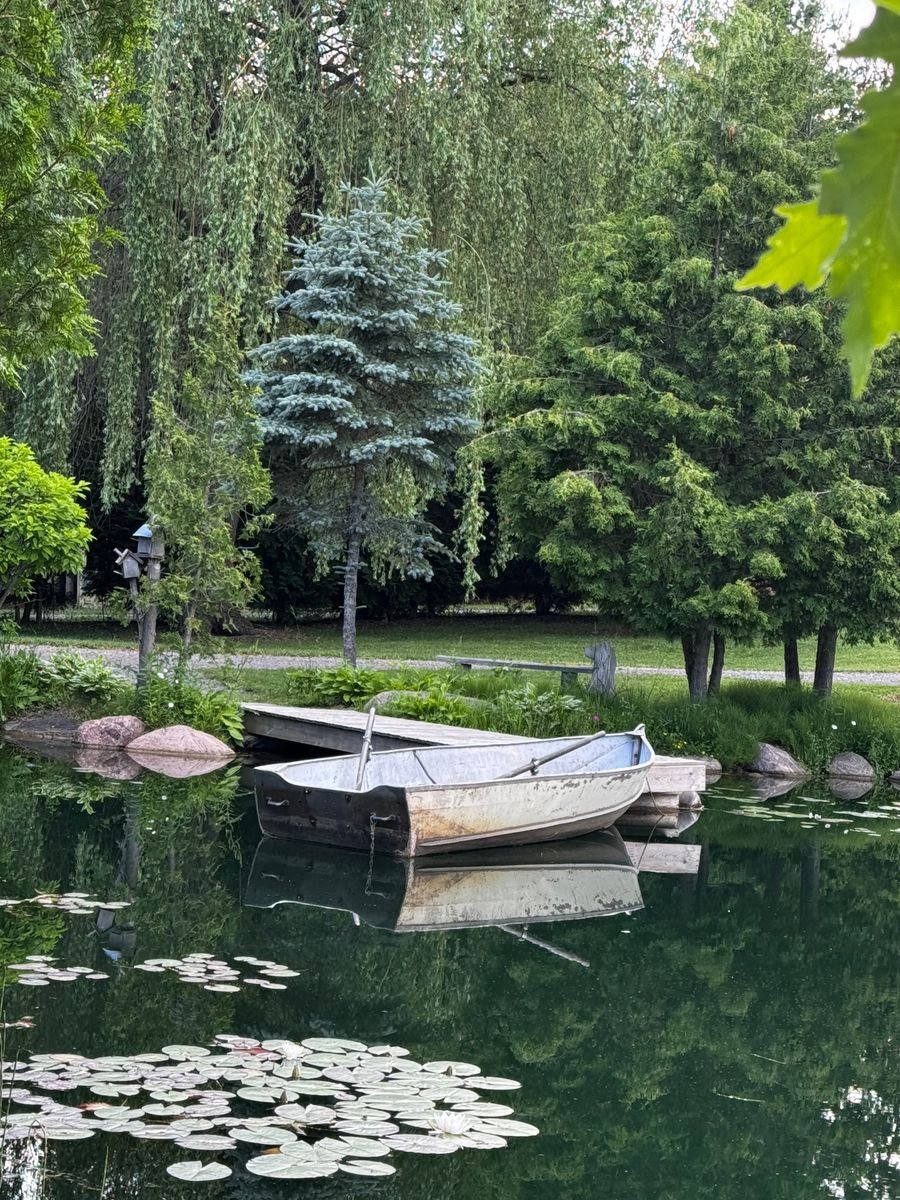
None of this has hurt business at the boathouse. Inokashira Park’s rowboats and pedal-powered swan boats remain one of the most photographed sights in western Tokyo, and on any weekend you will see plenty of couples out on the water anyway, curse or no curse. Some treat the legend as a bit of fun, deliberately renting a boat as a dare. Others, like my colleague, take it seriously enough to steer their partners toward the walking paths instead. I have also spoken to people, mostly older residents, who see nothing contradictory in visiting the Benzaiten shrine to pray for success in art, music or money, while still avoiding the boats with a partner. The goddess who blesses your creative work and the goddess who might curse your relationship are, apparently, the same goddess wearing two different hats, and nobody seems especially bothered by that.
The park itself has other, less supernatural claims to fame that are worth knowing before you go: it is a popular cherry blossom spot in spring, home to a small zoo and an excellent municipal aquarium focused on freshwater species, and every few years the pond itself is drained for a cleaning event called kaibori, in which volunteers help clear invasive species and rubbish from the pond floor. It is, in other words, a well-loved, hard-working public park that happens to carry one very specific romantic superstition on top of everything else.
Visiting Respectfully
If you want to see Inokashira Benzaiten for yourself, it sits inside a normal, freely accessible public park, reachable in a few minutes on foot from Kichijoji Station, and there is no need to go looking for anything off the beaten path to find it. Treat the shrine itself the way you would any working place of worship: keep your voice down near the main hall, do not climb on the structures for a photograph, and if you make an offering, do so quietly and move on so others can approach. The island can get crowded on weekends and during cherry blossom season, so a weekday visit is a calmer way to see it. As for the boats, they are entirely safe, life jackets and staff supervision included; whether you choose to ride one with a partner is, I would say, entirely between you and Benzaiten.
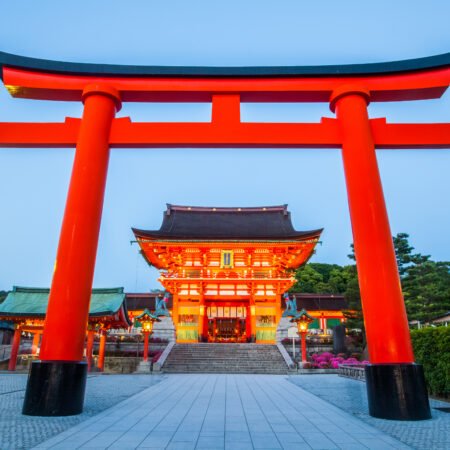
Note: images accompanying this article are illustrative stock photos and do not necessarily show the specific site discussed.

コメント