





Every single time I told a Tokyo friend I was finally going to climb Mt. Takao, I got the same reaction: a little shrug, like I’d announced I was trying a vending machine for the first time. “Oh, Takao-san. Everyone’s been there.” That’s sort of the whole point, though. After five years in Japan, I’d somehow never made the one-hour trip that half of Tokyo seems to make on a random Sunday, so this November I finally went — right as the lower slopes were just starting to blush orange — and came home with sore calves, a slightly singed memory of standing too close to a fire ritual, and a new appreciation for why this mountain pulls in more than 2.5 million visitors a year.
A Mountain That Doesn’t Feel Like a Mountain
Mt. Takao tops out at just 599 meters, which in the mountain-measuring business is basically a large hill, and that’s exactly its charm. It sits inside Meiji no Mori Takao Quasi-National Park in Hachioji, on the far western edge of greater Tokyo, and you can get to the base from Shinjuku in under an hour on the Keio Line — no car, no overnight bag, no excuse. I got off at Takaosanguchi Station, where the crowd thickened instantly into a cheerful mix of hardcore hikers in trekking poles and grandmothers in cardigans, which told me everything I needed to know about how many of the eight numbered trails you actually need serious gear for (short answer: none of them, if you take Trail 1).
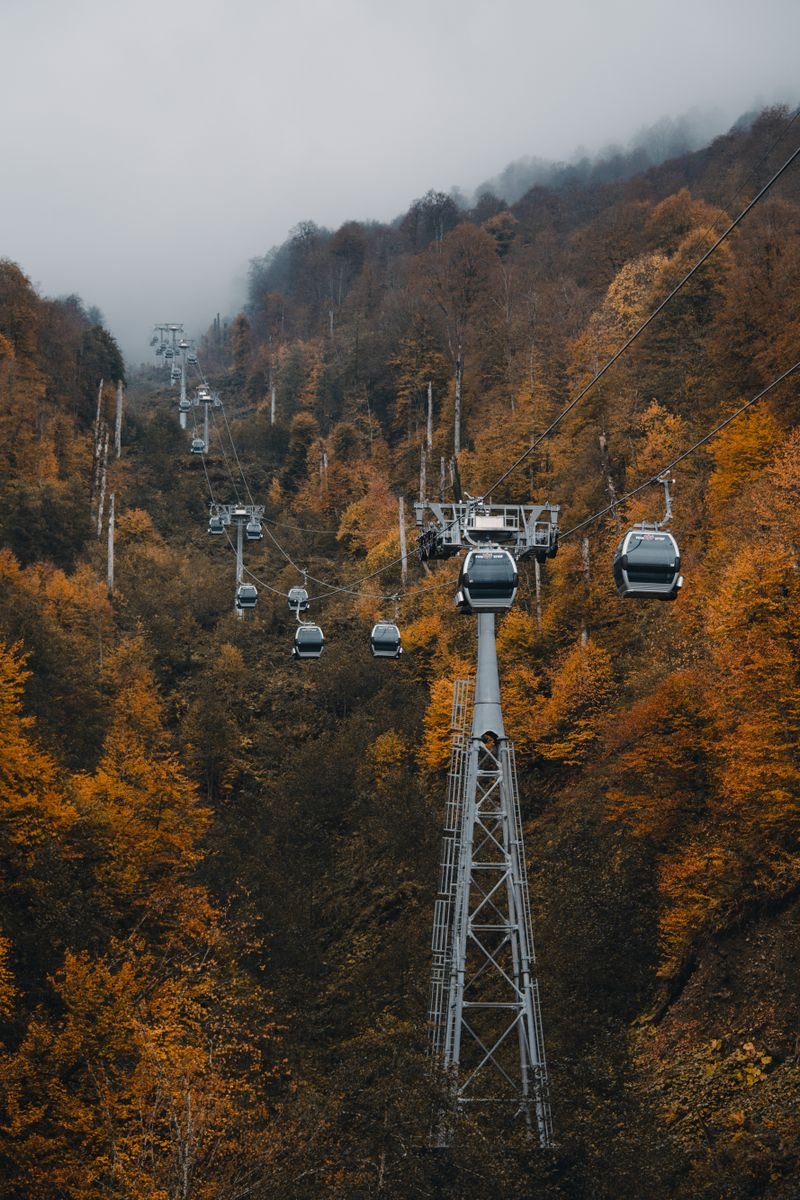
I decided to skip the climb up and take the cable car instead, partly out of curiosity and partly because I’d read it was the steepest railway in Japan, with a maximum gradient of around 31 degrees. It did not disappoint — there’s a moment partway up where the car tilts so sharply you instinctively grip the handrail, even though you’re perfectly safe. The two cars have been running since 1968 and have the kind of names that make you smile: Aoba, meaning fresh green leaf, and Momiji, meaning maple leaf, which felt appropriate given the whole reason I was there. The ride itself only takes about five minutes to cover a little over a kilometer and climb 271 vertical meters, but it buys you a huge head start on the mountain, and the fare — a few hundred yen each way — is the easiest discount I’ve ever bought myself on a hiking trip.
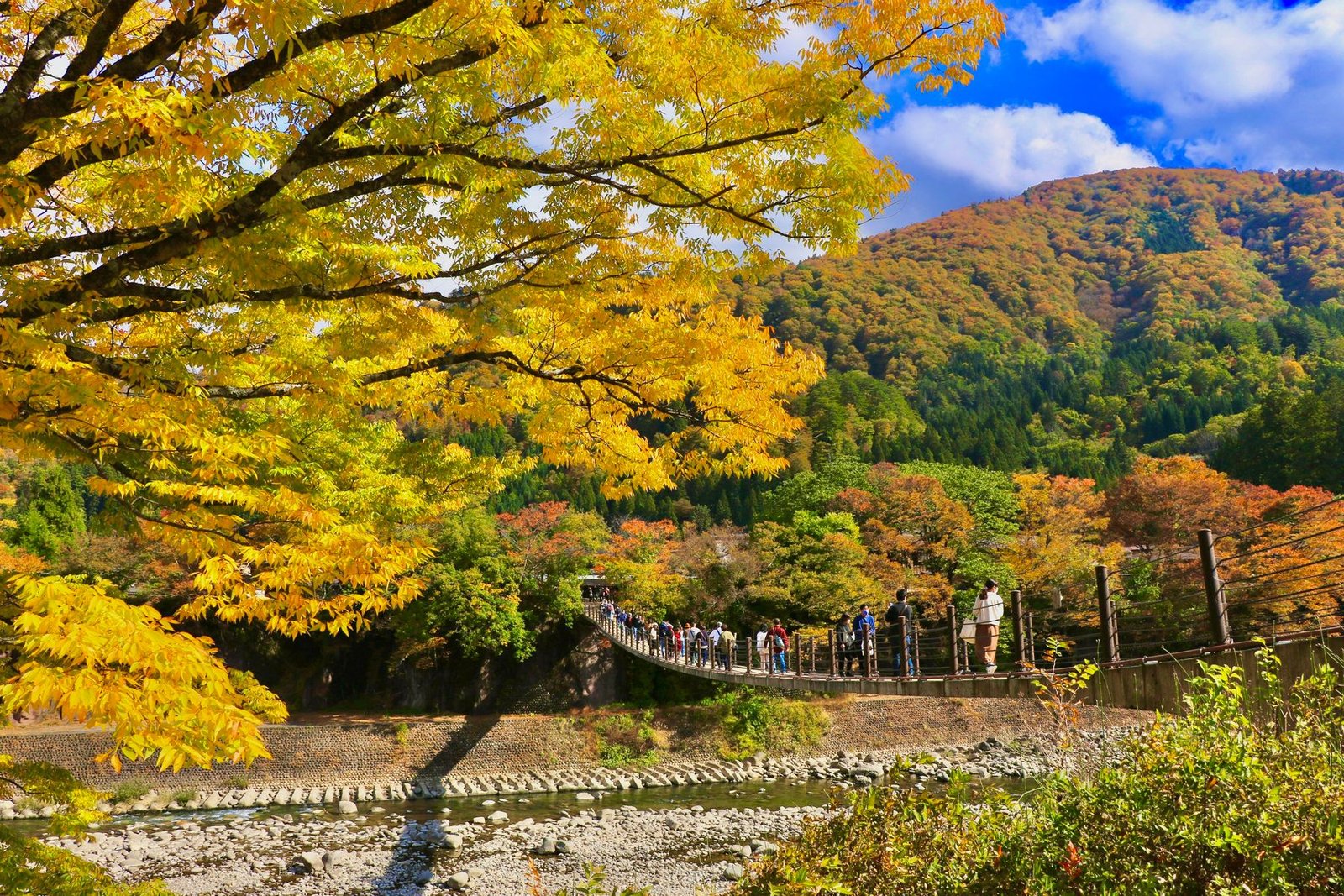
Tengu, Fire, and a Temple That’s Older Than Most Countries
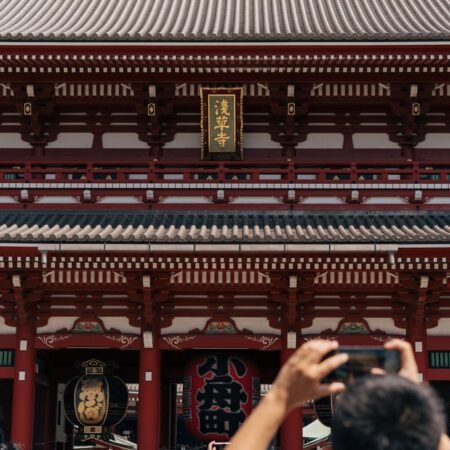
The real heart of Mt. Takao, for me, wasn’t the view — it was Yakuo-in Temple, which sits partway up the mountain and has been there since the year 744, founded by the monk Gyoki on the orders of Emperor Shomu. That’s nearly 1,300 years of continuous history on one mountainside, which is the kind of number that still stops me in my tracks even after half a decade here. Yakuo-in is a Shingon Buddhist temple and one of three head temples of the Chisan-ha sect, and its main deity is Izuna Daigongen, considered an incarnation of the fierce protector Fudo Myo-o.
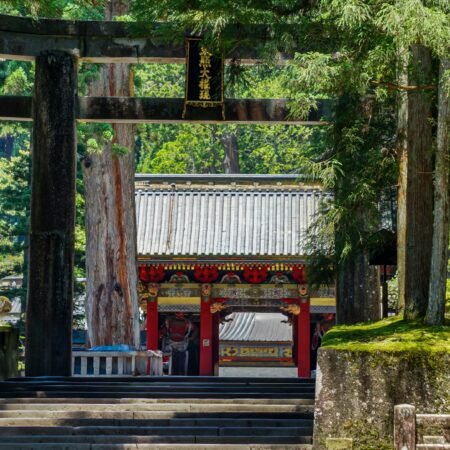
What you notice immediately, though, is the tengu — those red-faced, long-nosed figures carved onto gates, painted on lanterns, and sold as charms at every stall along the path. In the local tradition, tengu are regarded as attendants of Izuna Daigongen, and the mountain’s monks still practice Shugendo, the old ascetic discipline of mountain worship. Walking through the Shitenno-mon and Nio-mon gates felt less like sightseeing and more like slipping through a door into a much older version of Tokyo, one where the forest itself is considered sacred. Along the path up to the main hall I also passed the Takosugi, a roughly 500-year-old cedar whose roots are famously said to look like an octopus’s tentacles — the kind of oddly specific legend that only makes sense once you’ve stood in front of the tree and seen it for yourself.
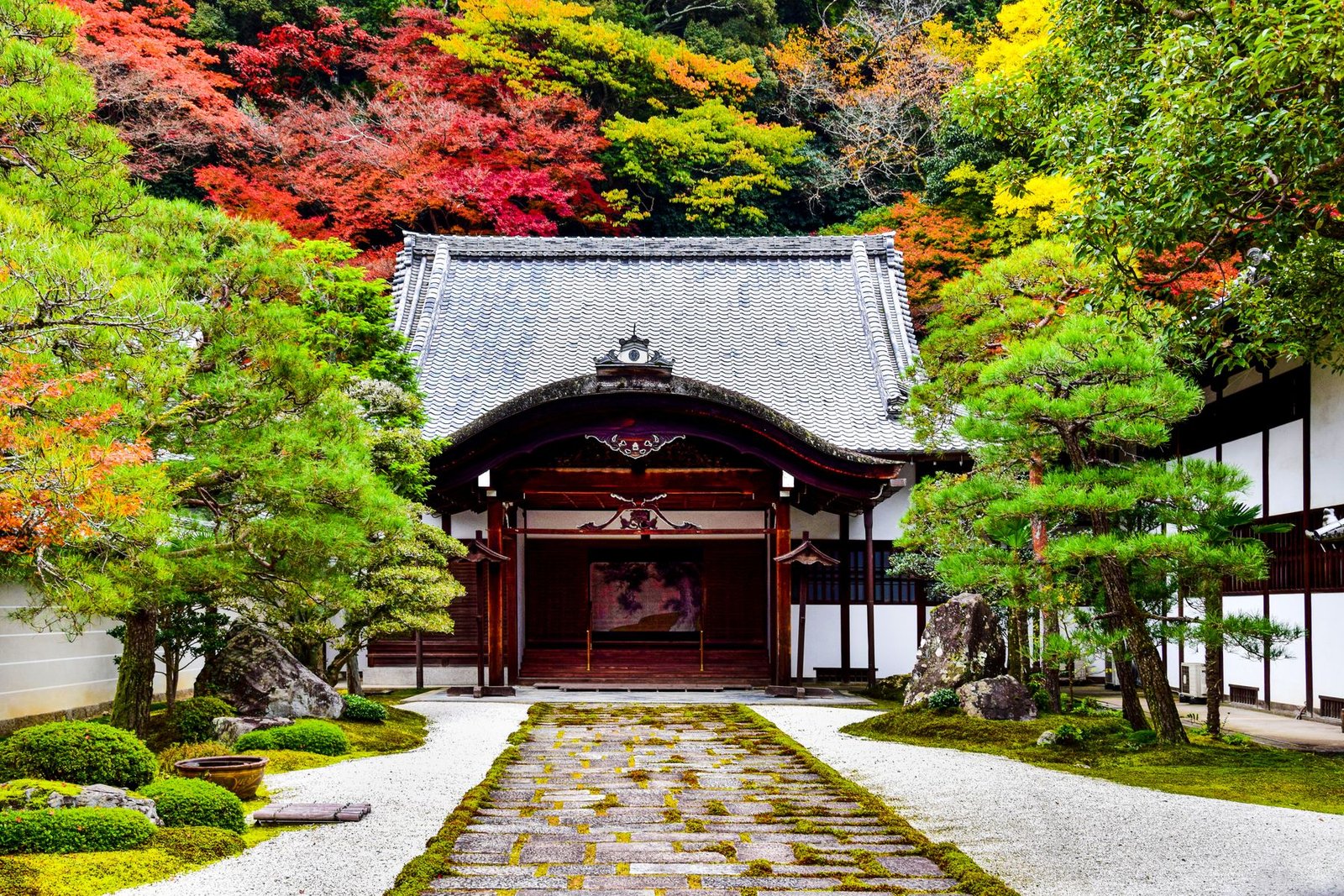
Walking Into the Momiji Matsuri
I happened to time my trip for the tail end of the Mt. Takao Autumn Leaves Festival, or Momiji Matsuri, which runs for several weekends through November down at the plaza by Kiyotaki Station, right at the base of the cable car. It’s free, it runs from late morning into the afternoon, and on the day I went there was a taiko drumming group warming up next to a yosakoi dance performance, with stalls selling kokeshi dolls and local sake tucked along the edges. The festival’s signature moment is a Saito Goma fire ritual, performed by the head priest of Yakuo-in, where a roaring bonfire is used to burn written prayers and wishes — I’d never stood that close to a ceremonial fire outside of a shrine’s New Year’s bonfire, and the heat and chanting together gave me actual goosebumps. Afterward there’s usually a public sermon, and if you’re hungry, the temple serves seasonal shojin ryori — traditional Buddhist vegetarian set meals — for a very reasonable price, though I’d recommend reserving ahead if you’re coming with a group.
If You’re Thinking of Going
A few things I wish someone had told me before I went: November is genuinely the best window for color, but weekends get crowded fast, so if you can swing a weekday morning, do it. Trail 1 is paved, well-marked, and takes you past Yakuo-in on the way to the summit, making it the easiest full route if you’re not an experienced hiker — though there are seven other trails ranging from gentle nature walks to a proper scramble if you want more of a workout. Wear real shoes even on the “easy” trail, since there are sections of stairs and packed dirt that get slippery when wet. And don’t skip the chairlift option if the cable car line is long — it’s a slower, more open-air way up that lets the cold autumn air hit your face the whole way.
What stuck with me most, honestly, wasn’t any single fact about the mountain’s history or the temple’s age. It was realizing that an afternoon I’d put off for five years because it felt “too easy” or “too touristy” turned out to be one of the most purely enjoyable days I’ve had in Japan all year — fire rituals, tengu charms, maple leaves, and all. Sometimes the thing everyone in Tokyo already knows about is worth finding out for yourself.
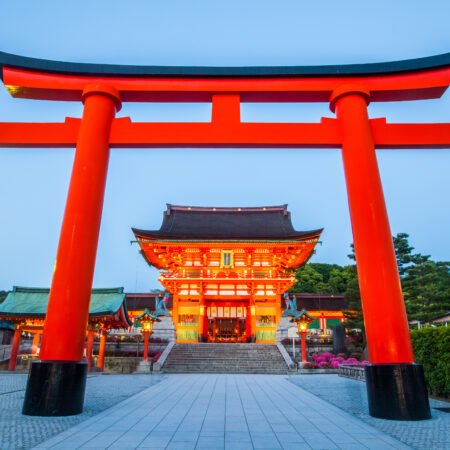
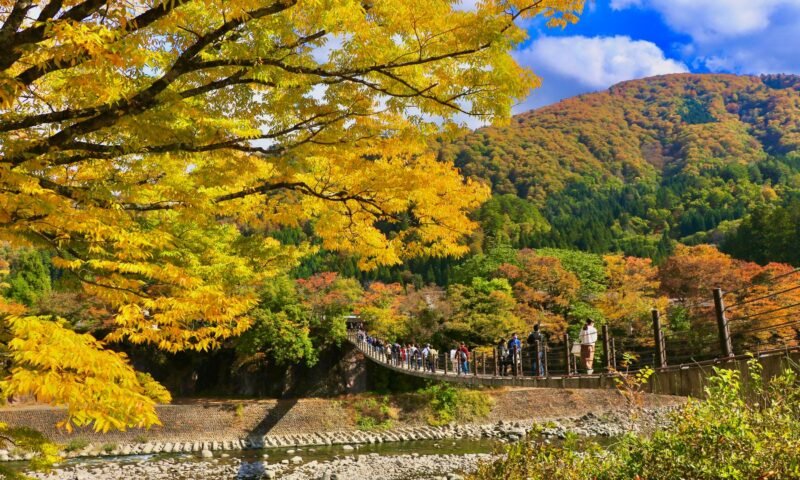
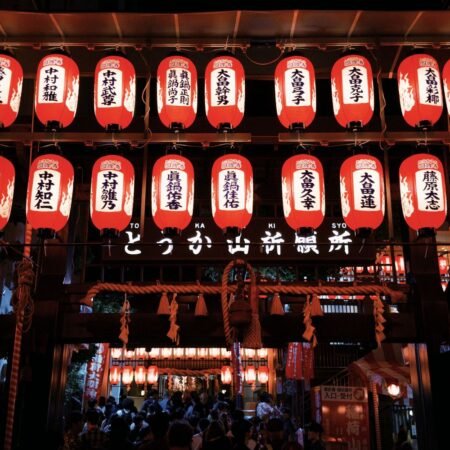
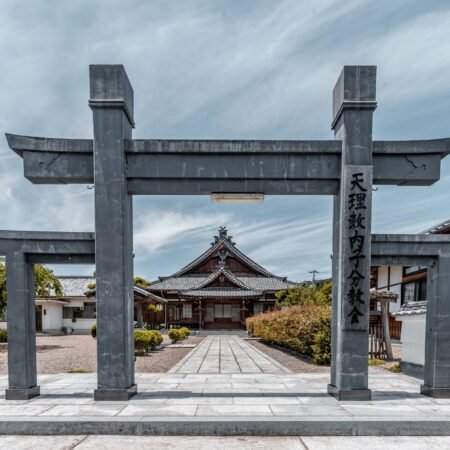
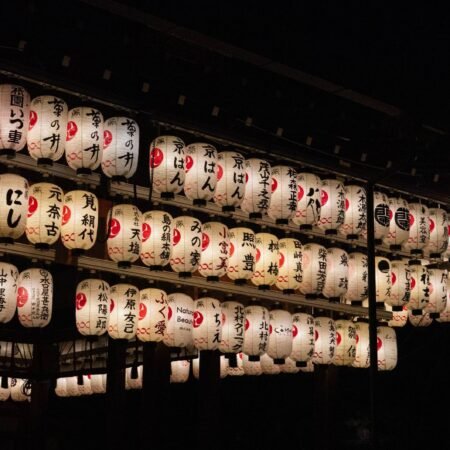
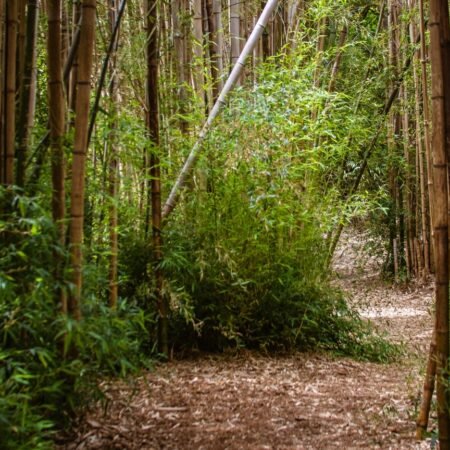
A quick note on photos: some of the images here are stock photos I’ve used to set the mood — they may not be the exact spot or moment I’m describing, just close in spirit.
コメント