





I almost didn’t go. It was one of those grey, in-between Tokyo mornings where the weather apps couldn’t agree with each other, and a friend who’d done the trip twice warned me, “You basically never see Fuji-san anyway, so don’t get your hopes up.” I went anyway, because I’d lived in Japan for five years and somehow never made it to Hakone, which felt like a strange gap in my resume as a resident foreigner. I’m glad I ignored the warning. I didn’t just get a glimpse of the mountain — I got a full day of sulfur-smelling valleys, a lake cruise on a ship shaped like a pirate galleon, and eggs boiled black as coal that I was assured would add seven years to my life.
Getting There: The Romancecar Head Start
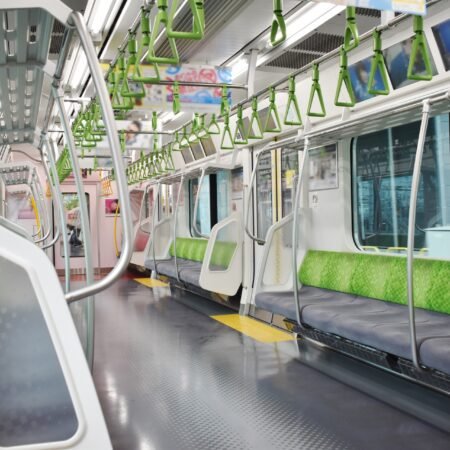
Hakone is one of those rare Tokyo day trips that doesn’t require a shinkansen reservation or a 6 a.m. alarm. From Shinjuku Station, I booked a seat on the Odakyu Romancecar, a limited express train that gets you to Hakone-Yumoto in about 85 minutes, no transfers, no standing in the aisle with my elbow in a stranger’s ribs. I splurged on the forward-facing panoramic seats in the front car — the ones with the huge windshield-style window where the driver’s cab usually is — and spent the last twenty minutes of the ride watching the tracks curve into increasingly green, increasingly steep terrain. If you’re short on time or budget, the Hakone Freepass is worth buying before you leave Shinjuku: one ticket covers the train there and back plus nearly every bus, cable car, ropeway, and boat you’ll use once you’re in the area, so you just flash it at each gate instead of fumbling for coins.
Owakudani: Hell’s Valley and Its Famous Black Eggs
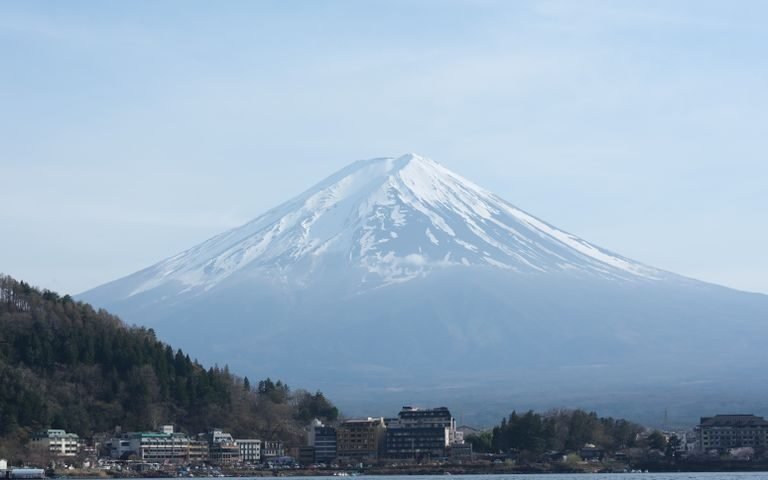
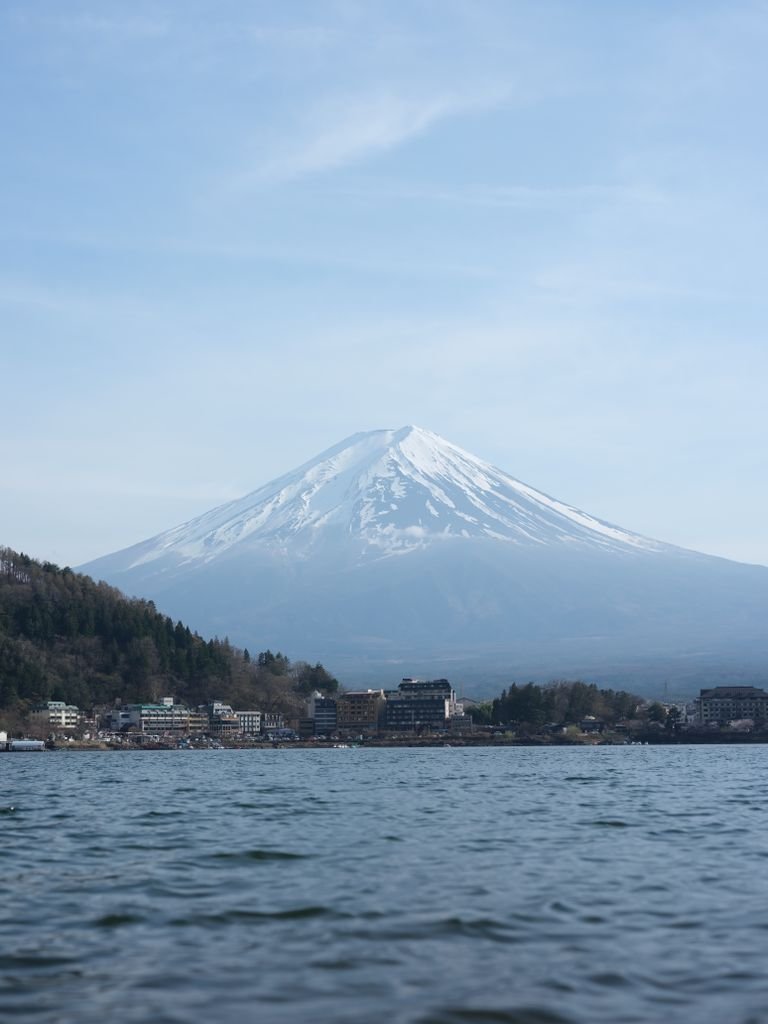
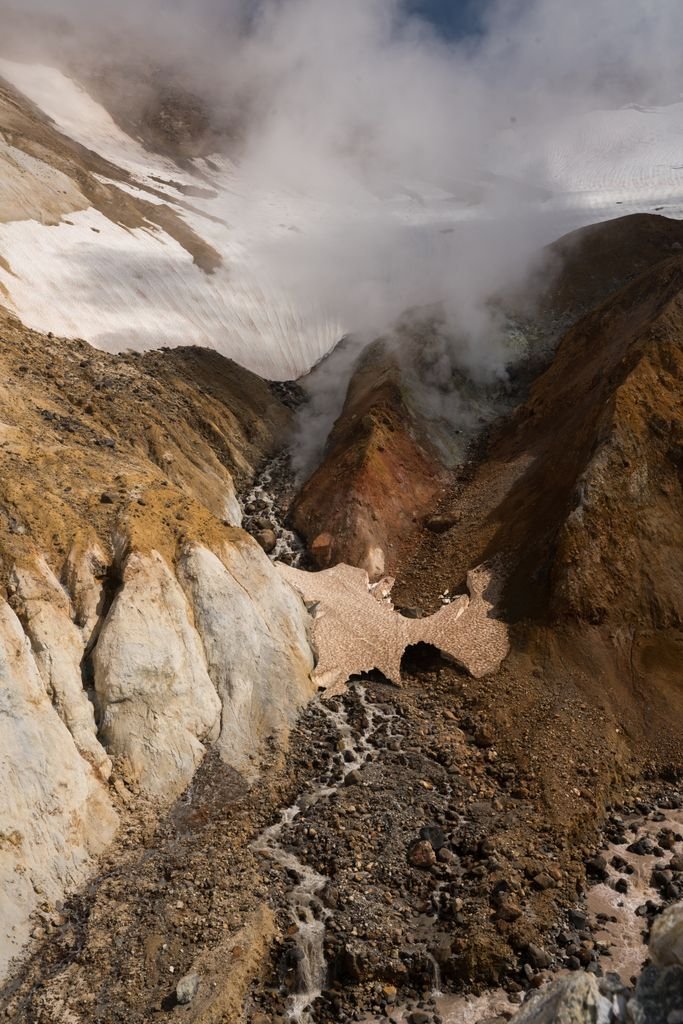
The Hakone Ropeway carries you up and over Owakudani, a volcanic valley that’s been actively hissing and steaming since an eruption roughly 3,000 years ago. The cable car windows fogged up with sulfur mist as we crossed directly over vents still puffing white smoke out of the rock, and the whole basin smells distinctly like rotten eggs — which, given what’s for sale at the top, is either poetic or a very unfortunate coincidence. At the Owakudani station, vendors boil eggs directly in the natural hot spring water, and the sulfur and iron in it turn the shells jet black. Local legend says eating one adds seven years to your life; eating two apparently cancels out the luck, so I stuck to one, still warm, with that faint eggy-mineral smell clinging to my fingers for an hour afterward. On a clear day, this is also one of the better vantage points for Mt. Fuji, framed just over the ridge of the valley. My friend’s warning turned out to be half right — the top third of the mountain stayed wrapped in cloud the whole time I was there — but even a partial view, with steam curling up from the rocks in the foreground, felt worth the trip on its own.
Lake Ashi and the Floating Torii of Hakone Shrine
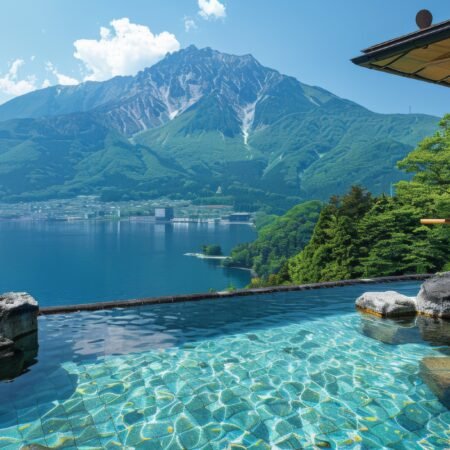
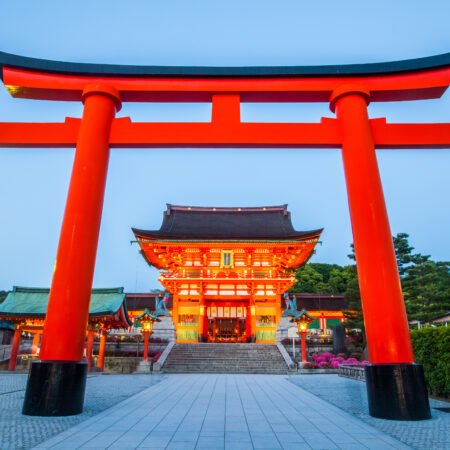
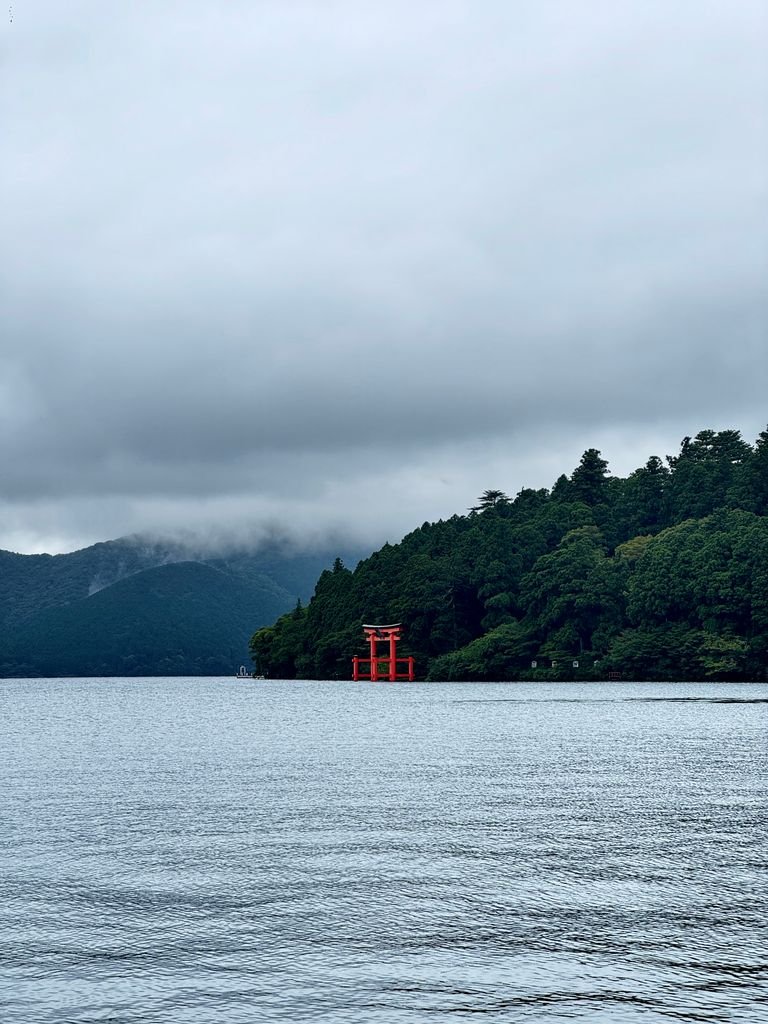
From Togendai, at the top of the ropeway, I caught one of the sightseeing cruise boats across Lake Ashi — specifically the one built to look like an 18th-century pirate galleon, complete with gold trim and a figurehead, which felt a little absurd and completely won me over anyway. The lake itself formed in a volcanic caldera after Mt. Hakone erupted around 3,000 years ago, and on clear days it mirrors Fuji so well that the postcard shots of “Fuji over the lake” are barely exaggerated. I got off at Hakone-machi and walked along the lakeshore to Hakone Shrine, tucked into a stand of tall cedars, where a bright red torii gate stands a few meters out into the water itself. It’s one of the most photographed spots in the region for good reason: the gate, the mountains, and the lake line up almost too perfectly, and I waited my turn behind a small crowd of people doing the exact same thing I was about to do — taking a photo, then immediately checking it against the dozens of nearly identical ones already on their phones.
A Few Practical Notes
If you’re planning your own trip, give yourself a full day rather than trying to squeeze it in after lunch — the ropeway, cable car, and boat all run on their own schedules, and queues at Owakudani and the Hakone Shrine torii can eat up more time than you’d expect, especially on weekends and during the November foliage season. The Hakone Freepass pays for itself quickly once you factor in the ropeway, the Hakone Tozan cable car, and the pirate boat, and it also gets you discounts at a handful of museums and onsen facilities along the route if you want to turn the day into an overnight. I’d also recommend checking the ropeway’s operating status before you leave Tokyo; it occasionally closes a section for maintenance or high wind, in which case a replacement bus runs the same route, just without the view.
By the time I was back on the Romancecar heading home, sulfur smell still faintly on my jacket, I understood why people in Tokyo treat Hakone as their go-to weekend escape rather than a once-in-a-while destination. It’s close enough to do in a day, varied enough that you’re never doing the same thing twice in a row, and — cloud cover permitting — it hands you one of the best views of Mt. Fuji you can get without actually climbing it.
A quick note on photos: some of the images here are stock photos I’ve used to set the mood — they may not be the exact spot or moment I’m describing, just close in spirit.
コメント