





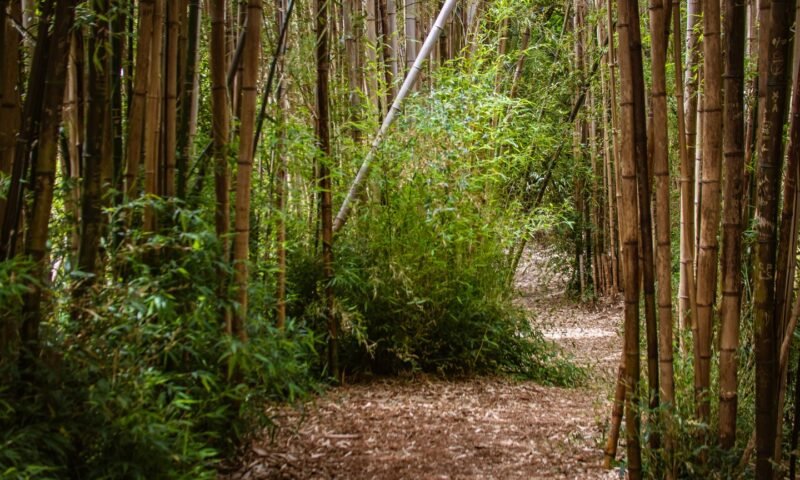
The first time someone told me Arashiyama was “just a bamboo grove with a lot of tourists,” I almost skipped it entirely. Five years of living in Japan has taught me to be suspicious of that kind of flattening description, but I still nearly let it talk me out of a day trip. I’m so glad I didn’t, because the morning I actually walked into that grove — early, before the tour buses had fully unloaded — I stood in the middle of the path with my neck craned straight up and just forgot to keep moving for a solid minute. The light does something strange in there. It comes through thousands of stalks in this filtered green-gold wash, and the stalks themselves creak and knock against each other in the wind in a way that’s apparently famous enough to have its own name: the Sagano Bamboo Grove was even selected as one of Japan’s “100 Soundscapes” by the Ministry of the Environment. You don’t expect a forest to have a soundtrack, but this one does.
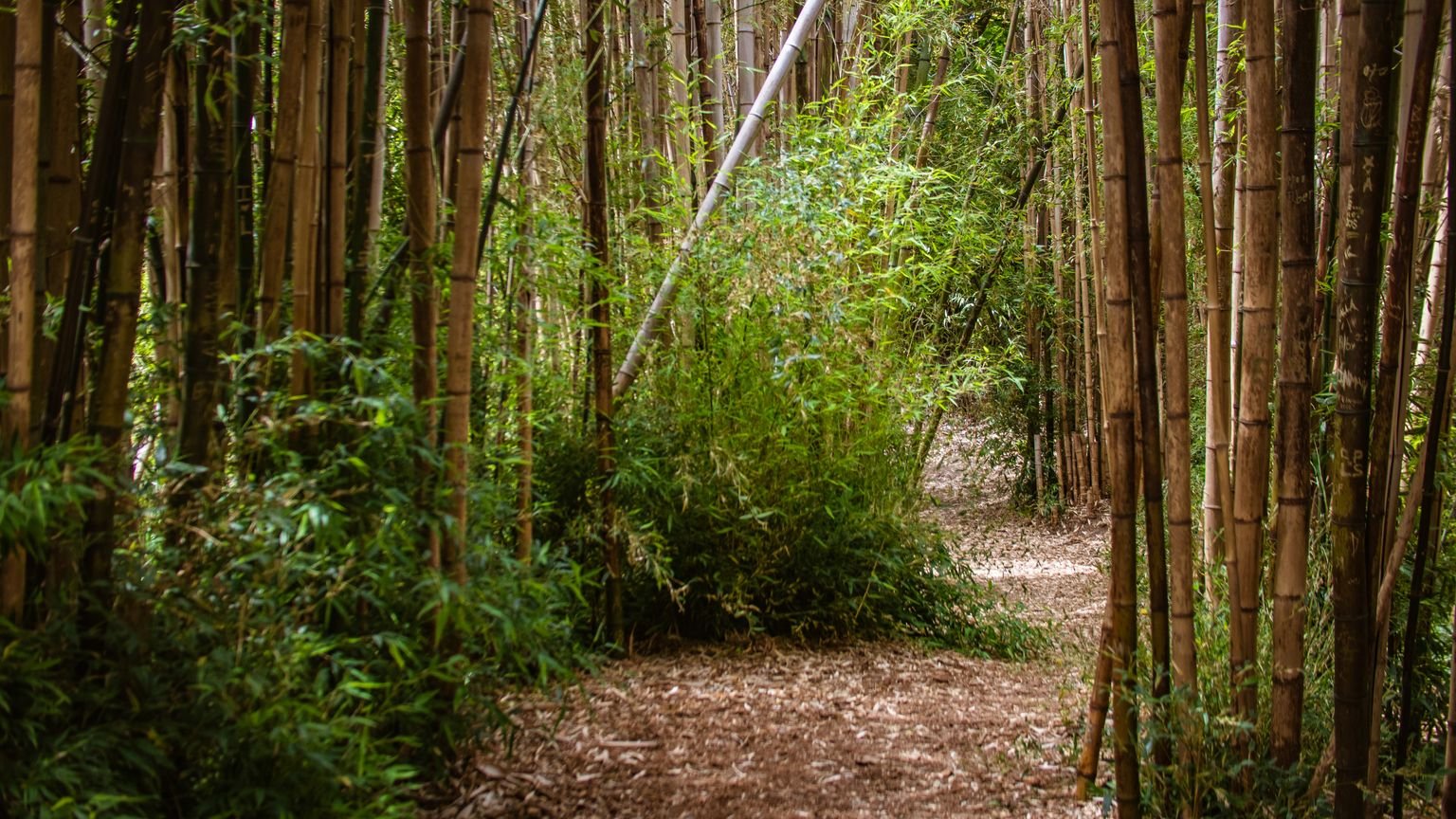
Arashiyama sits on the western edge of Kyoto, a world away from the dense grid of downtown, and it’s been a retreat for Kyoto’s elite since the Heian period — emperors and nobles used to come out here for moon-viewing parties and boat trips on the river. That history is still doing a lot of work in how the district feels today. It’s not manicured into oblivion, and it’s not a theme park version of old Japan, even with the crowds. It’s a real neighborhood that happens to sit next to one of the most photographed footpaths on earth.
The Grove Itself (and Why Timing Is Everything)
Here’s the thing nobody tells you clearly enough before you go: the bamboo grove is free, it’s open 24 hours, and the path itself only takes about ten to fifteen minutes to walk end to end. That last part trips a lot of people up — they build a whole day around “seeing the bamboo grove” and then feel strangely let down when it’s over so fast. The real trick is arriving stupidly early. I got there around 7:30 a.m. on a weekday and had long stretches of the path almost entirely to myself, which is not an experience you can buy at any price once it hits 10 a.m. By midday the path becomes a slow-moving river of selfie sticks, and honestly, you can’t really blame anyone — it’s gorgeous and everyone wants their five seconds under the canopy.
If you can’t manage an early start, late afternoon on a weekday is the next best window. And don’t just do the main public path and leave — there’s a quieter extension of bamboo-lined walkway up toward the Okochi Sanso Villa that most of the crowd never bothers with, partly because it requires a small entrance fee to the villa grounds. I paid it mostly out of curiosity and ended up staying forty-five minutes longer than planned, wandering a hillside garden built by a 1920s silent film actor with a view out over the whole Kyoto basin.
Tenryu-ji: The Garden That Started the Whole Neighborhood
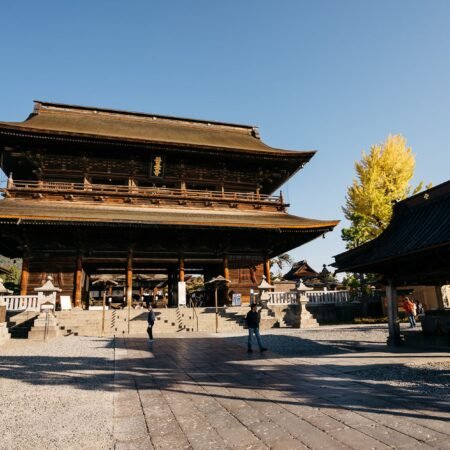
Right at the edge of the bamboo grove sits Tenryu-ji, a Zen temple that’s a UNESCO World Heritage site and, in a very real sense, the reason this area became famous for its gardens at all. It was founded in 1339 by the shogun Ashikaga Takauji to pray for the soul of Emperor Go-Daigo, with the legendary garden designer Muso Soseki laying out the grounds. The main attraction is the Sogen Pond garden, which uses “borrowed scenery” — the hills of Arashiyama behind it become part of the composition, so the garden technically never ends at its own fence line. I sat on the wooden veranda for probably twenty minutes just watching how the mountain, the pond, and the pines lined up into one single picture. It’s one of the few surviving garden layouts from the Muromachi period that hasn’t been significantly altered, which is a genuinely wild thing to sit in front of.
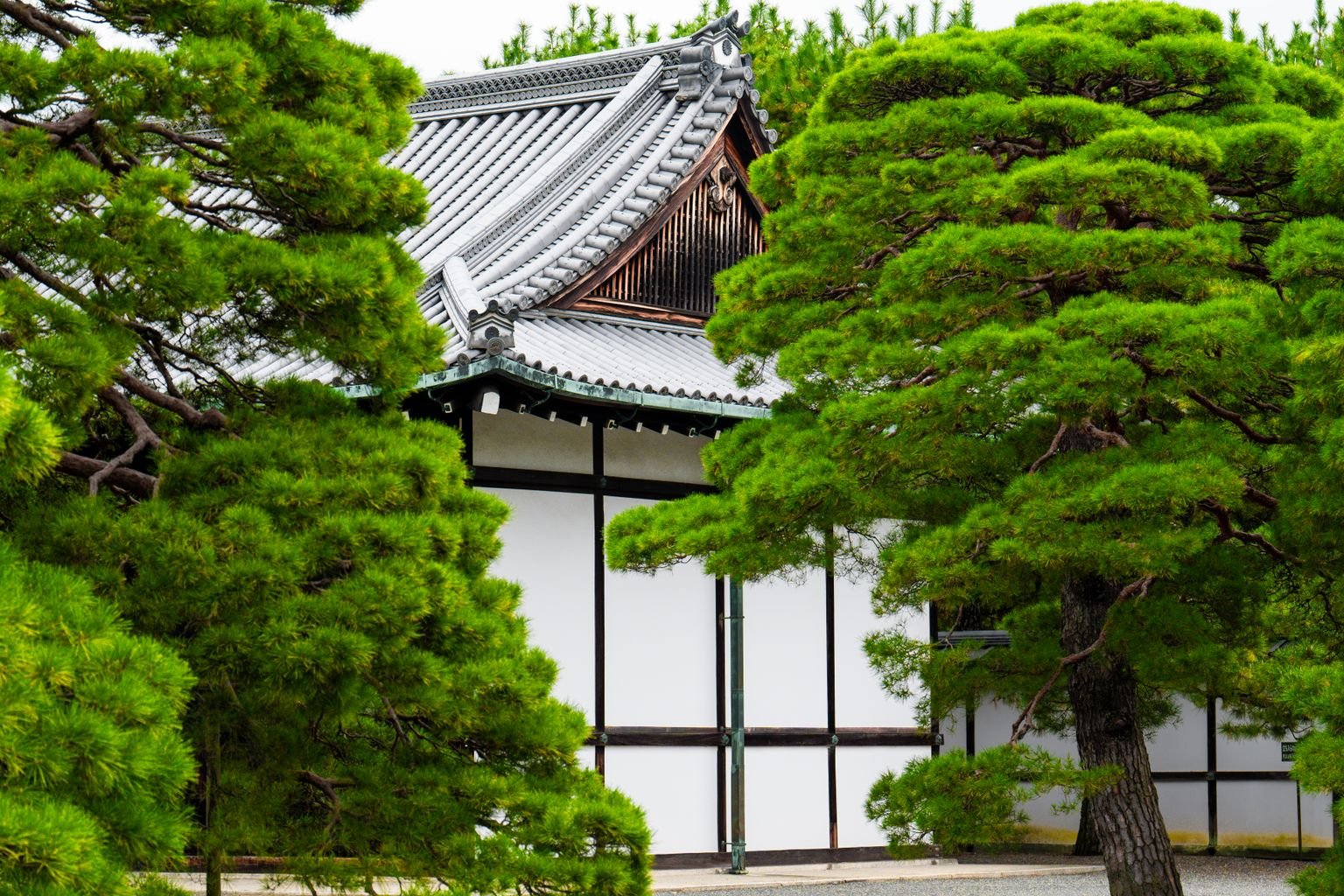
There’s a north gate inside Tenryu-ji’s grounds that lets you walk straight through into the bamboo grove without backtracking, which is the smart way to see both without doubling your steps.
The River, the Bridge, and a Boat Ride I Almost Skipped
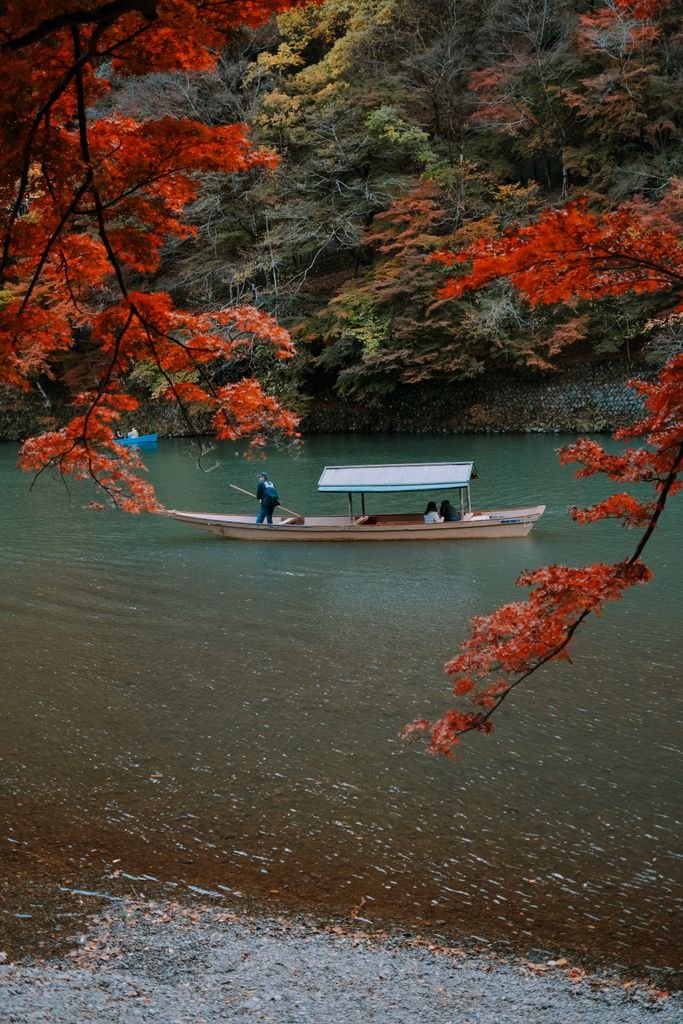
Below the grove, the Katsura River curves past the Togetsukyo Bridge — “moon-crossing bridge” — which has a slightly gimmicky reputation among Kyoto locals but is genuinely lovely at golden hour, with the wooded hills rising straight up behind it. I’d planned to just look at it from the bank, but a man running a small boat dock talked me into a hand-pulled boat ride up the Hozugawa gorge, and it ended up being the most purely relaxing hour of my whole trip. No motor, just an oarsman working slowly upstream past little waterfalls and rock formations, with absolutely nowhere to be. In autumn, the maples lining the gorge turn the whole hillside into a wall of orange and red, and I’m told the rafting companies get booked out weeks ahead during the first half of November for exactly that reason.
If boats aren’t your thing, Arashiyama also has its own small monkey park — Iwatayama — up a short, somewhat steep hike, where you feed Japanese macaques through wire mesh from inside a hut, which is a funny reversal of the usual zoo setup and a good stop if you’re traveling with kids who’ve already hit their temple limit for the day.
Getting There and Practical Notes
Arashiyama is easy to reach from central Kyoto — the JR Sagano Line gets you to Saga-Arashiyama Station in under fifteen minutes from Kyoto Station, or you can take the slightly more scenic Randen (Keifuku) tram line, which drops you right at the entrance to the main shopping street. Everything — the grove, Tenryu-ji, the bridge, the boats, and the monkey park — is within a comfortable walk of each other, so you genuinely don’t need a car or taxi once you arrive. Budget at least half a day if you want to do it properly rather than just sprinting the bamboo path for a photo. Weekends and the peak autumn foliage weeks in mid-to-late November get seriously crowded, so if your schedule has any flexibility at all, a weekday morning is worth rearranging your trip around.
I came to Arashiyama expecting a quick photo op and left having spent most of a day there, which seems to be the normal outcome for pretty much everyone who tries to rush it. The bamboo grove gets you in the door, but it’s really the whole pocket of hills, temple, and river around it that makes the trip worth the early alarm.
A quick note on photos: some of the images here are stock photos I’ve used to set the mood — they may not be the exact spot or moment I’m describing, just close in spirit.
コメント