





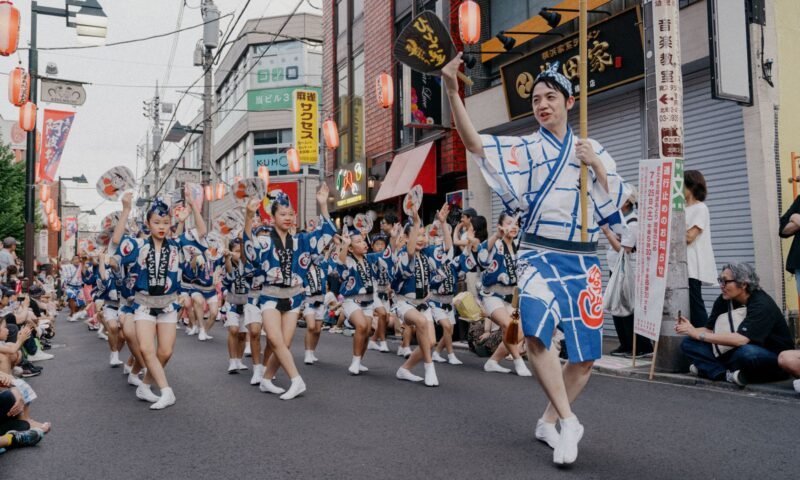
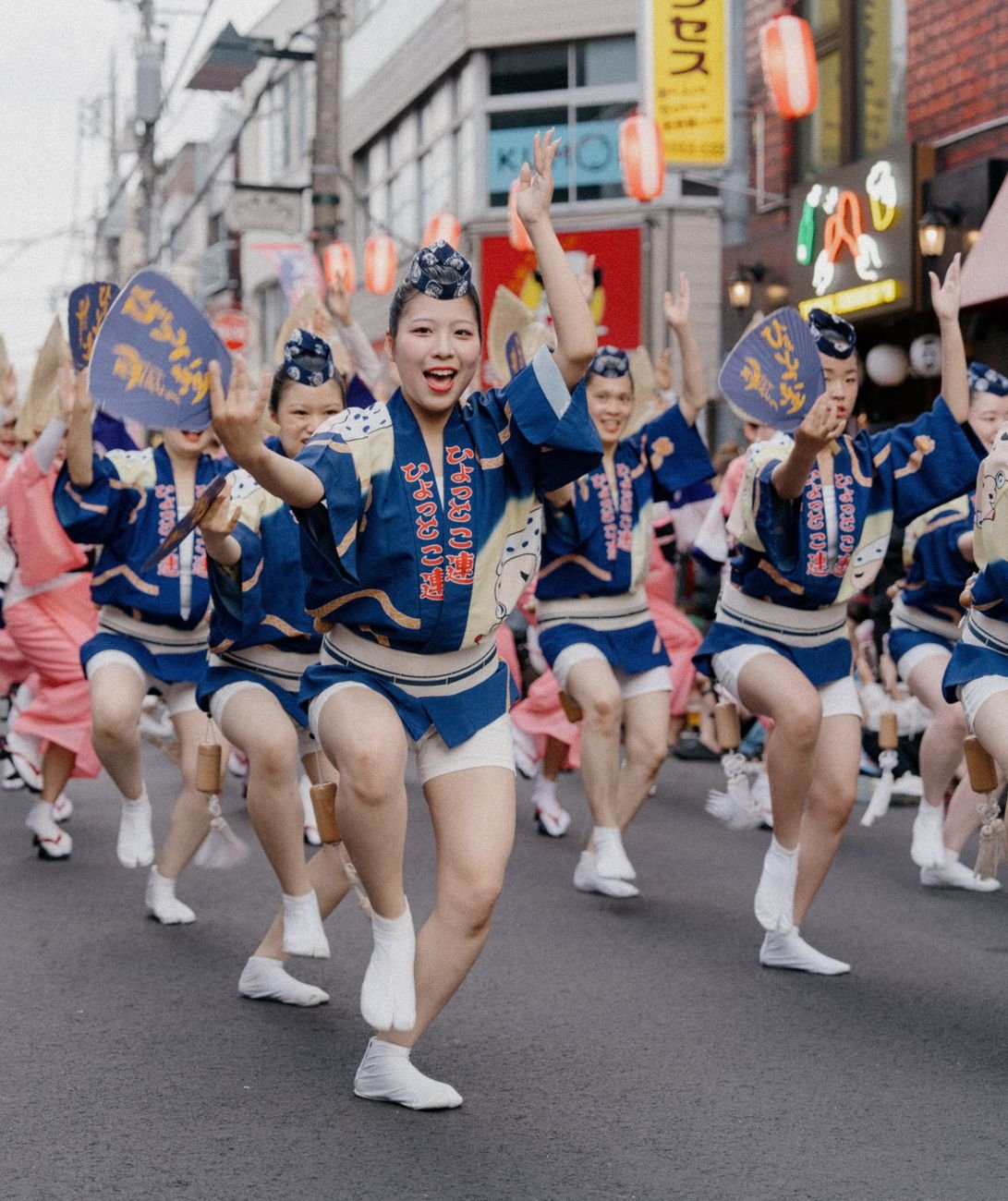
I heard Yosakoi before I saw it. I was eating ice cream outside a konbini in Kochi City, minding my own business, when a wall of sound came rolling down the street — not drums first, like I expected, but a dry, rhythmic clacking, hundreds of little wooden pieces snapping together in time, underneath blaring speakers playing something that sounded like disco crossed with a brass band. Then the dancers turned the corner, grinning, soaked in sweat, moving in formation like they’d rehearsed it their whole lives. A lot of them had, actually. That was my introduction to Yosakoi Matsuri, and five years into living in Japan, it’s still one of the most purely joyful things I’ve watched in this country.
Kochi isn’t a city most visitors put on their Japan itinerary, tucked away on the southern coast of Shikoku, a little out of the way even by Shikoku standards. But for four days every August, it turns into one of the loudest, most colorful places in the country, and I’m honestly still a little mad at myself for not knowing about it sooner.
A Festival Born Out of Hard Times
Yosakoi didn’t come out of some ancient Shinto ritual, which honestly makes it a little different from most of the matsuri I’ve covered. It was started in 1954, when Kochi was still digging itself out of the devastation of the war, and the local Chamber of Commerce decided the city needed something to lift morale and bring people back into the streets. There was more than a little friendly rivalry at play too — Tokushima, just up the coast, already had its famous Awa Odori packing in crowds every summer, and Kochi wanted its own reason for people to show up.
So they built one from scratch, borrowing the loose structure of a bon-odori circuit dance but throwing out almost every rule about what the music or choreography had to look like. Compared to the centuries of tradition behind something like Awa Odori or Gujo Odori, Yosakoi is practically a teenager. And somehow that’s part of what makes it so much fun — nobody’s precious about it.
The Clack of the Naruko
The sound that stopped me in my tracks that first evening comes from naruko, small wooden clappers that every dancer holds, one in each hand, and snaps open and shut in rhythm as they move. They started life as a farming tool, the kind used in Kochi’s rice paddies to scare birds away from the crop, which I think is a wonderful detail — the festival took something totally ordinary and unglamorous and turned it into its signature instrument.
Every team, or “ren,” has to weave part of a specific tune, the Yosakoi Naruko Odori, into whatever music they’re dancing to. Beyond that one rule, it’s a free-for-all. I watched a team dance to something that sounded almost like taiko-driven rock, and twenty minutes later another group went by set to what I’m fairly sure was a brass-band samba arrangement. Costumes range from sleek matching yukata to outfits that look like they belong on a parade float. There are something like a couple hundred teams competing over the festival, and every single one of them seemed to be having the time of their lives, which is contagious to stand next to.
Following the Dance Through the City
The festival runs over several stages and streets scattered across the city rather than one single venue, so part of the fun is just wandering between them. The Otesuji shopping arcade is one of the liveliest, packed with spectators who’ve clearly staked out their spot hours in advance, and the grounds near Kochi Castle turn into another major stage, with the castle’s stone walls lit up behind the dancers. I’d recommend not trying to see everything — pick two or three spots, grab a cold drink from a vending machine (you will need it; August in Kochi is brutally humid), and just let the teams come to you. Each ren dances through multiple locations over the course of the festival, so if you miss one team at one stage, there’s a decent chance you’ll catch them again somewhere else later that evening.
Katsuo, Hirome Market, and a City That Knows How to Eat
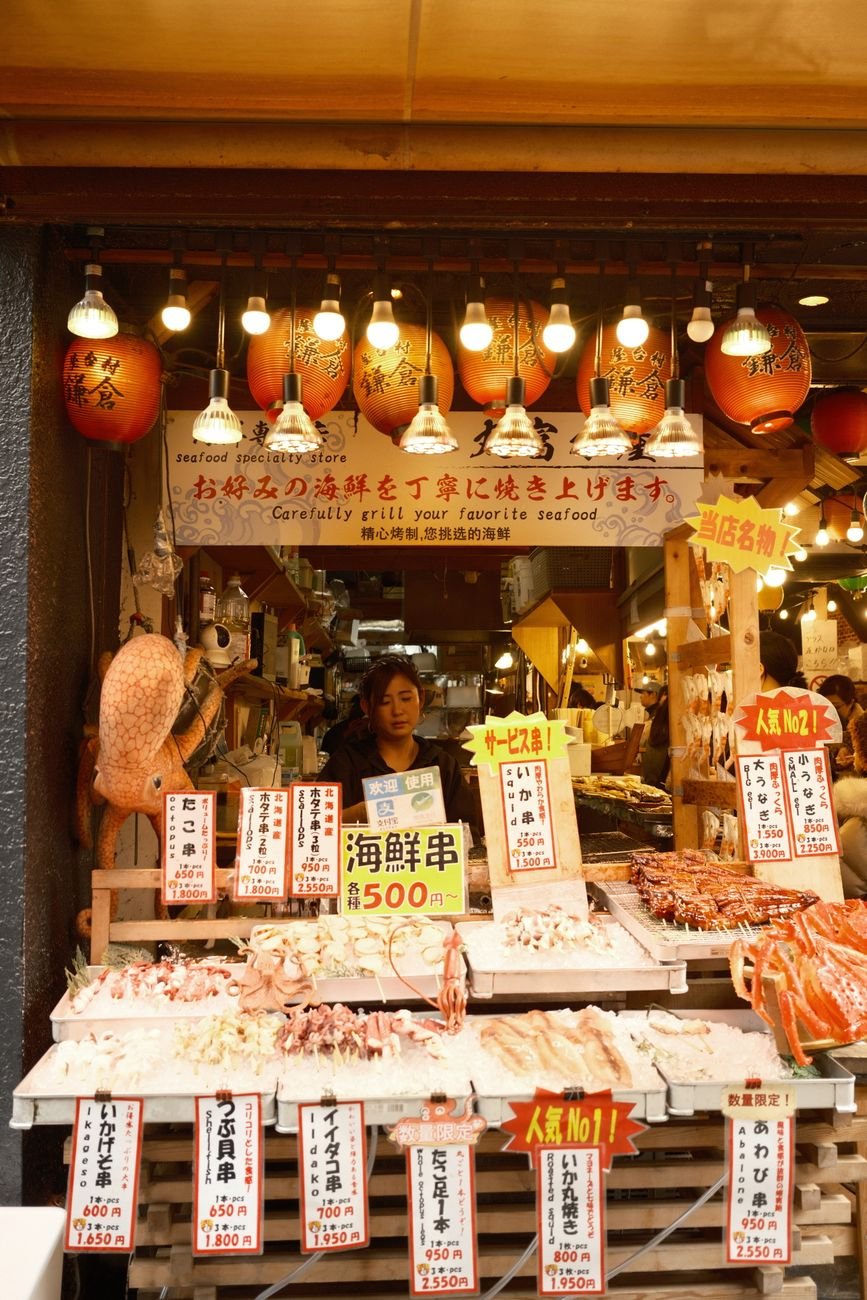
I made the mistake of not eating a proper dinner before my first night of Yosakoi-watching, and I paid for it later when the smell of grilled katsuo — bonito, seared hard over a straw fire until the outside is almost blackened — started drifting through the crowd. Kochi is famous for katsuo tataki, and Hirome Market in the center of the city is the easiest place to track it down alongside plenty of other local specialties, local sake included. It’s not technically part of the festival, but after a few hours of standing and cheering, it might as well be.
If you have an extra day, Kochi rewards it. Kochi Castle itself is one of only a handful of Japanese castles with its original keep still intact, and Katsurahama Beach, a short bus ride from downtown, has a striking statue of Ryoma Sakamoto, the Kochi-born samurai who’s something close to a local folk hero. Neither is essential if you’re only here for Yosakoi, but both make a nice, quieter counterpoint to four days of noise and motion.
Getting There and Tips for Visiting
Kochi is reachable by air through Kochi Ryoma Airport, with a short bus ride into the city center, or by the JR Nanpu limited express, which connects from Okayama if you’re coming by train from the mainland. Once you’re in the city, the Tosaden streetcar — reportedly one of the oldest tram systems still running in Japan — makes getting between festival areas easy.
A few practical notes from someone who learned the hard way: book accommodation early, since rooms fill up fast during festival dates. Wear shoes you don’t mind standing in for hours, bring cash for the food stalls, and don’t underestimate the heat — I saw more than one visitor near Otesuji looking a little wobbly by 8pm. If you want to actually dance rather than just watch, some tour operators and local guesthouses arrange short lessons or pickup groups before the festival, which is how a few of the other foreign residents I know ended up in the crowd of naruko-clackers rather than the sidelines.
Yosakoi isn’t trying to be solemn or sacred, and that’s exactly its appeal. It’s loud, a little chaotic, endlessly inventive, and built entirely around the idea that a city recovering from hard times deserves a reason to celebrate. Five years in, I’ve been to a lot of matsuri around this country, and Yosakoi remains one of the ones I’d go out of my way to see again.
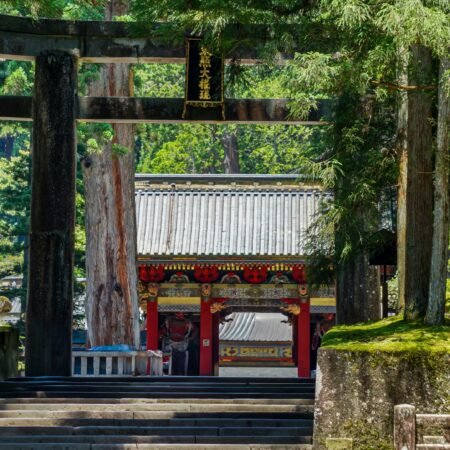
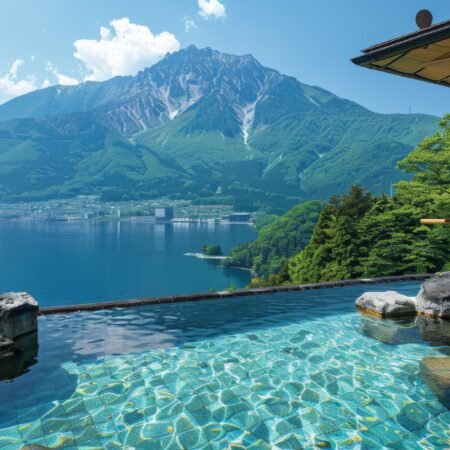
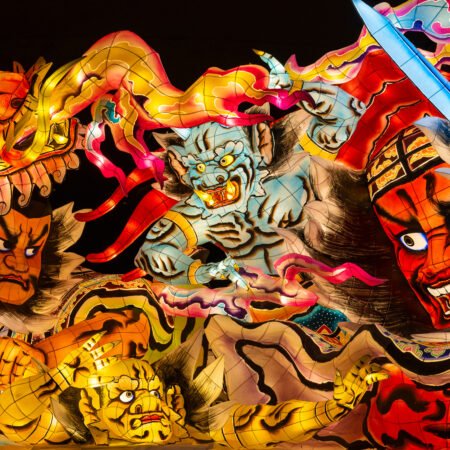
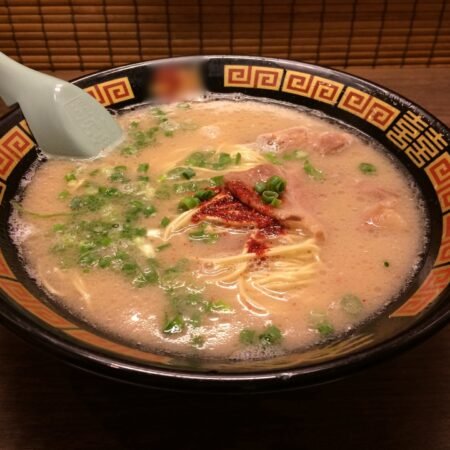
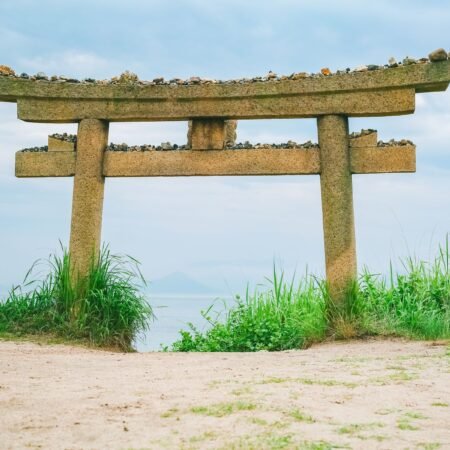
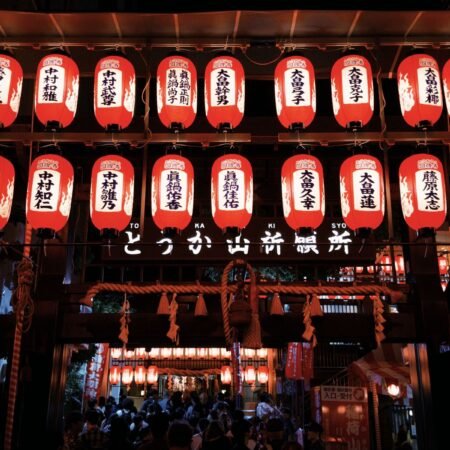
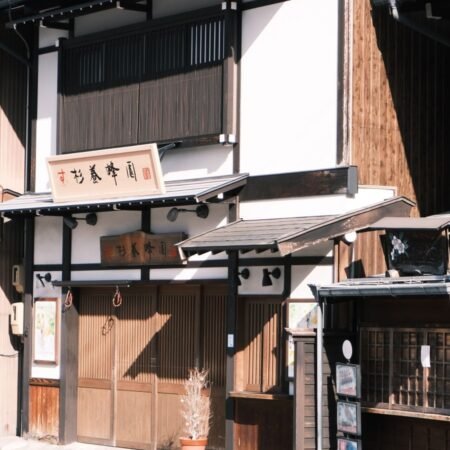
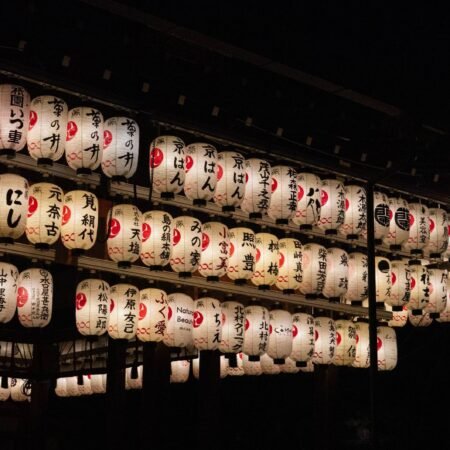
A quick note on photos: some of the images here are stock photos I’ve used to set the mood — they may not be the exact spot or moment I’m describing, just close in spirit.


コメント