





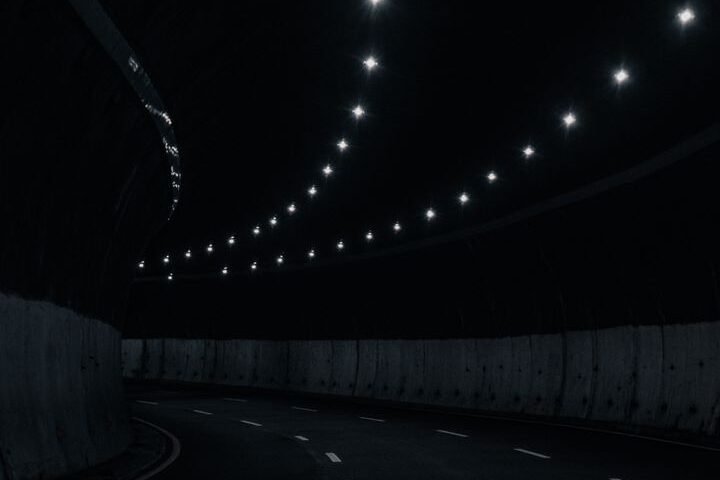
The first time I drove through Kiyotaki Tunnel, I almost missed why anyone would be afraid of it. It is, on the surface, one of the least dramatic haunted spots I have visited in seven years of doing this: a single-lane concrete tube barely four hundred and fifty metres long, controlled by a traffic light at each end because there is no room for two cars to pass. I had come out to Kiyotaki, a small hamlet tucked into the hills northwest of Kyoto, to hike up Mt. Atago, and the tunnel was simply the road I had to take to get there. It was only after I’d parked and started talking to a shopkeeper near the trailhead that I realised I had just driven through what many Kyoto locals will tell you, half-joking and half-serious, is the most frightening place in the prefecture.
That contrast is, I think, the real story here. Kiyotaki Tunnel isn’t an abandoned ruin or a crumbling shrine. It’s a functioning piece of everyday infrastructure that hundreds of drivers, cyclists, and hikers pass through without incident every week. And yet it has accumulated one of the densest clusters of urban legends of any single location in Japan. Digging into why tells you almost as much about how ghost stories get made as it does about the tunnel itself.
A Railway Built for a Mountain Resort
The tunnel’s history starts well before it carried a single car. It was built between 1927 and 1928 as part of the Atagoyama Railway, an electric tramline constructed to ferry visitors from Kyoto out to a planned resort and cable car near the summit of Mt. Atago, a mountain that has been considered sacred for centuries as the seat of Atago Shrine, one of the head shrines for fire prevention worship in Japan. The tunnel was bored straight through the ridge separating Kiyotaki from the rest of the valley so the tram could reach its terminus.
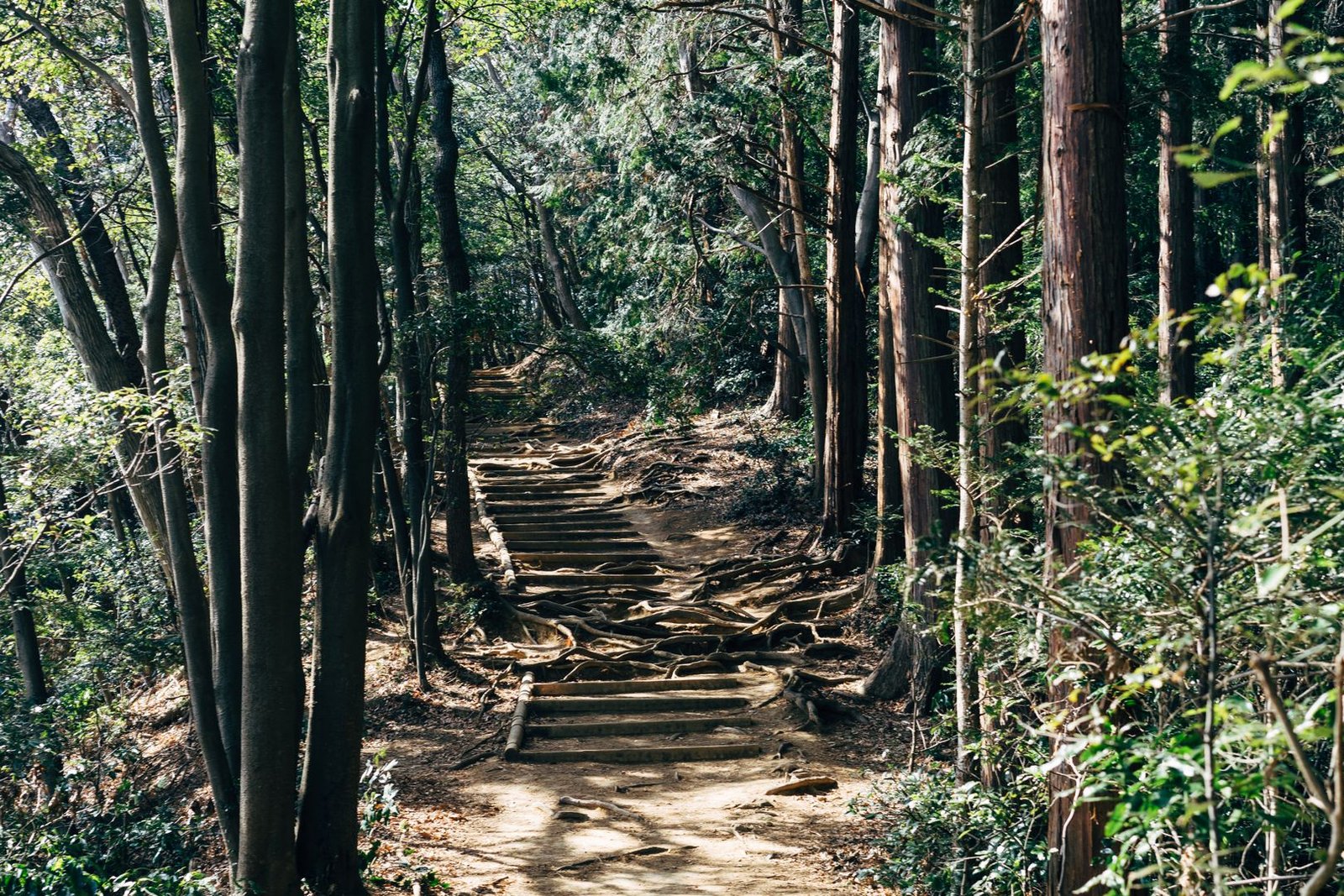
Construction accounts from the period describe the work as gruelling: labourers digging by hand and with early machinery through solid rock, in conditions that by modern standards would be considered dangerous, with the tramline company recording a number of injuries and deaths among the workforce during the build. The resort venture itself didn’t last. The cable car line up Atago closed during the Second World War, when its metal infrastructure was requisitioned for the war effort, and much of the original tram route was decommissioned not long after. What had been a railway tunnel was eventually converted for automobile use, and it’s carried road traffic ever since, long after almost everything else connected to that ambitious 1920s resort project disappeared.
It’s the combination of hard, sometimes fatal labour and a project that ultimately failed that seems to have planted the first seeds of the tunnel’s reputation. According to local accounts, some of the workers who died during construction were never properly memorialised, and it’s this detail, more than any specific named incident, that people point to when explaining why the tunnel is said to be restless.
Mirrors, Traffic Lights, and the Woman in White
From that historical seed, the legends have grown into something much more elaborate, and it’s worth being clear that this is where documented history ends and folklore begins. The story goes that the tunnel is exactly 444 metres long, and that the number is no accident, since the digits 4-4-4 can be read in Japanese as a repetition of “shi,” the word for death. (Measurements of the tunnel’s actual length vary depending on the source, which is itself part of how these stories spread.)
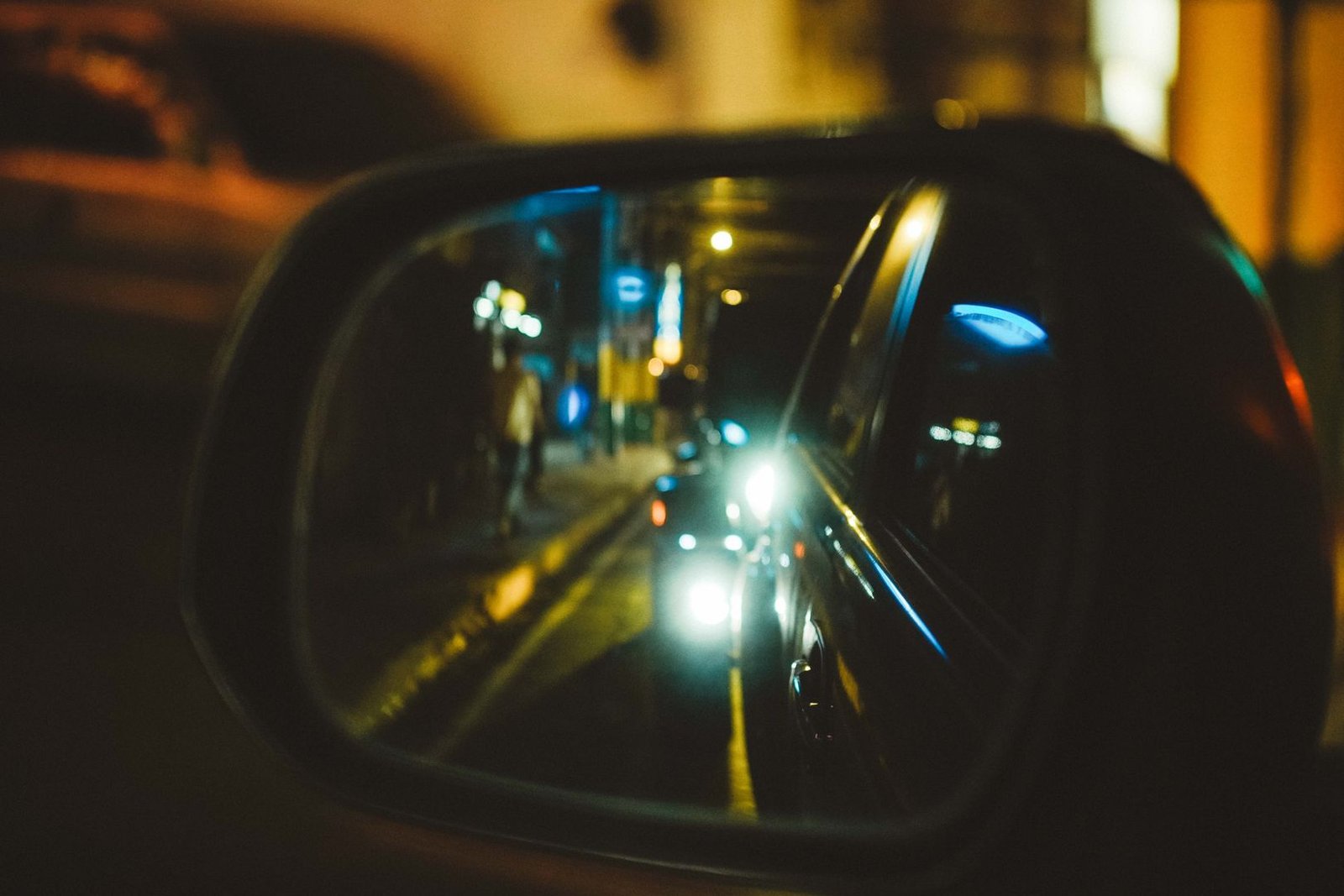
The most commonly told legend involves the traffic mirrors mounted at each end of the tunnel, meant simply to help drivers see around the blind curve before entering. Local rumour holds that if you look into one of these mirrors and see a passenger in your back seat who wasn’t there before, something bad will follow. A related version says the same is true if you glance in your car’s rearview mirror while inside the tunnel itself. Other stories describe a woman in white said to run alongside cars near the traffic signal, or figures glimpsed at the tunnel mouth on foot late at night, sometimes connected to a supposed jumper from the road above. There are also tales about the signal light changing from red to green on its own, as though something inside were inviting cars to enter, and reports of sudden dizziness attributed to the tunnel’s ventilation.
None of this is verifiable, and that’s exactly how it’s told by the people who repeat it: as “denshō,” things that are said, rather than settled fact. What strikes me every time I research one of these stories is how a real, sometimes tragic history involving actual named or unnamed workers gets transformed, over decades, into something more theatrical and less specific, until the tunnel itself becomes the character rather than the people who built it.
What It’s Actually Like to Drive Through Today
The everyday reality is considerably less cinematic. The tunnel remains a genuine one-lane public road, regulated by a proper traffic signal system precisely because two-way traffic can’t pass safely inside, and it sees ordinary local traffic, cyclists heading toward the Atago trailhead, and the Kyoto Bus service that runs out to Kiyotaki. It is, functionally, no different from dozens of other narrow mountain tunnels across Japan, aside from its reputation.
That reputation has, unfortunately, made it something of a magnet for late-night visitors hoping for a scare, enough that it’s been the subject of Japanese TV segments and no small number of online “reports” filmed from parked cars. Kiyotaki itself, on either side of the tunnel, is a quiet residential hamlet with real neighbours trying to sleep, and the area is also the gateway to a mountain that remains an active site of worship. It’s worth remembering that whatever you make of the ghost stories, the tunnel and the village around it are not a stage set.
Visiting Kiyotaki Tunnel: Manners and Safety
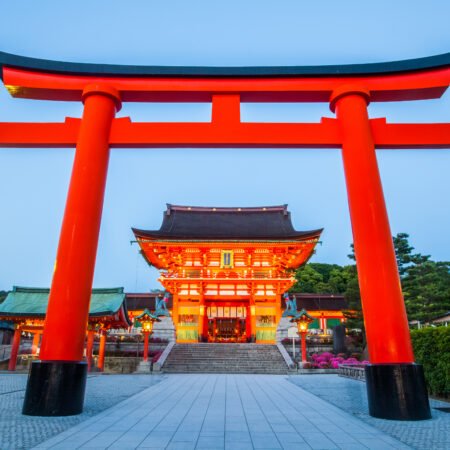
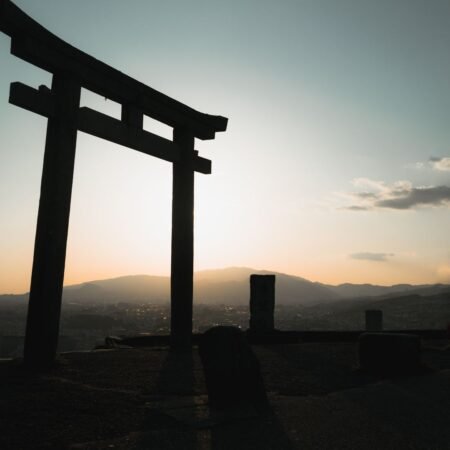
If you do want to see it for yourself, treat it as what it is: a working single-lane road tunnel in a residential area. Obey the traffic signal properly, since the one-lane system exists for genuine safety reasons, not atmosphere. Avoid loitering at the tunnel entrances or shining lights into nearby homes late at night, and keep noise down out of respect for residents who live with a steady trickle of ghost-story tourists. There’s no need to go looking for anything beyond the public road itself; everything worth seeing, the tunnel, the approach to the Atago trailhead, and the shrine torii further up the mountain, is accessible without leaving public routes. If you’re driving, remember it’s still an active road used by locals every day, not an attraction built for visitors.
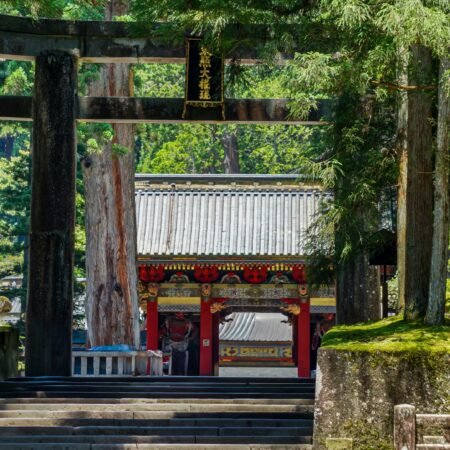
Note: images accompanying this article are illustrative stock photos and do not necessarily show the specific site discussed.
コメント