





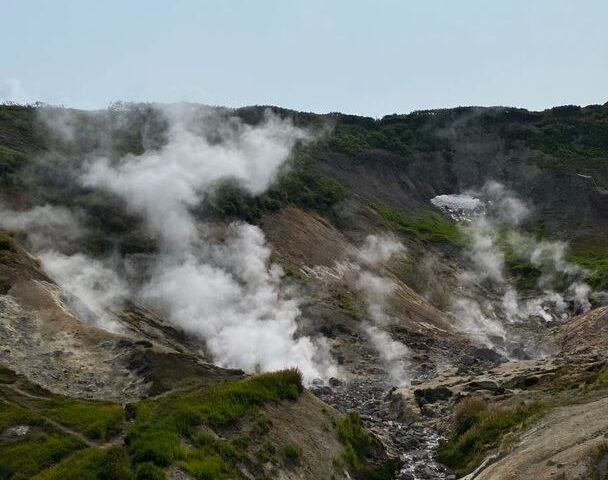
I smelled Jigokudani before I saw it. The sulphur hits you a good five minutes’ walk before the boardwalk rounds the last stand of pines, and by the time the valley actually opens out in front of you — a bowl of bare, steaming, mineral-stained rock with jets of white vapour hissing out of the ground — you’ve already half convinced yourself you’re walking into something you shouldn’t. Then you notice the demon. A squat, grinning oni statue stands sentinel near the trailhead, paint a little faded by decades of Hokkaido winters, and it occurs to you that the Japanese didn’t just stumble onto a dramatic bit of scenery here. They named the place Hell on purpose, and then they built a town next door to live with it.
That’s more or less the story I kept circling on my walk around Noboribetsu Onsen last month: not a ghost that haunts one specific spot, but an entire valley — and the hot-spring town that grew up beside it — that has spent centuries treating a volcanic crater as a literal doorway to the Buddhist underworld, complete with its own resident demon king.
A Crater Built for the Afterlife
Jigokudani — “Hell Valley” — sits inside Shikotsu-Toya National Park, a roughly 450-metre geothermal crater left behind when Mount Kuttara erupted somewhere around 20,000 years ago. Walk its wooden boardwalk today and you’re circling the drainage basin of that old eruption: sulphur-yellowed rock, pools and streams running close to boiling, geysers coughing up steam, the whole place smelling faintly of rotten eggs and sounding, in places, like something underground is breathing. It is also, not incidentally, the literal source of the hot water that feeds every ryokan bath in Noboribetsu — the hellscape and the hot-spring resort are the same geological feature, just experienced from opposite ends.
The “hell” naming isn’t unique to this one valley, either. Japan has a whole scattering of jigokudani — hell valleys — wherever volcanic activity produces this kind of scorched, sulphurous terrain, and the label goes back to Buddhism rather than native Shinto belief, which originally imagined the afterlife as a grey, directionless underworld called Yomi with no real judgment attached. Buddhism brought the idea of actual hells — eight of them, by most traditional reckonings, each suited to a different kind of wrongdoing — ruled over by Enma, King of Hell, and patrolled by his oni enforcers. When early visitors to places like this looked at bubbling, steaming, visibly tortured ground, the resemblance to that cosmology was apparently too obvious to resist.
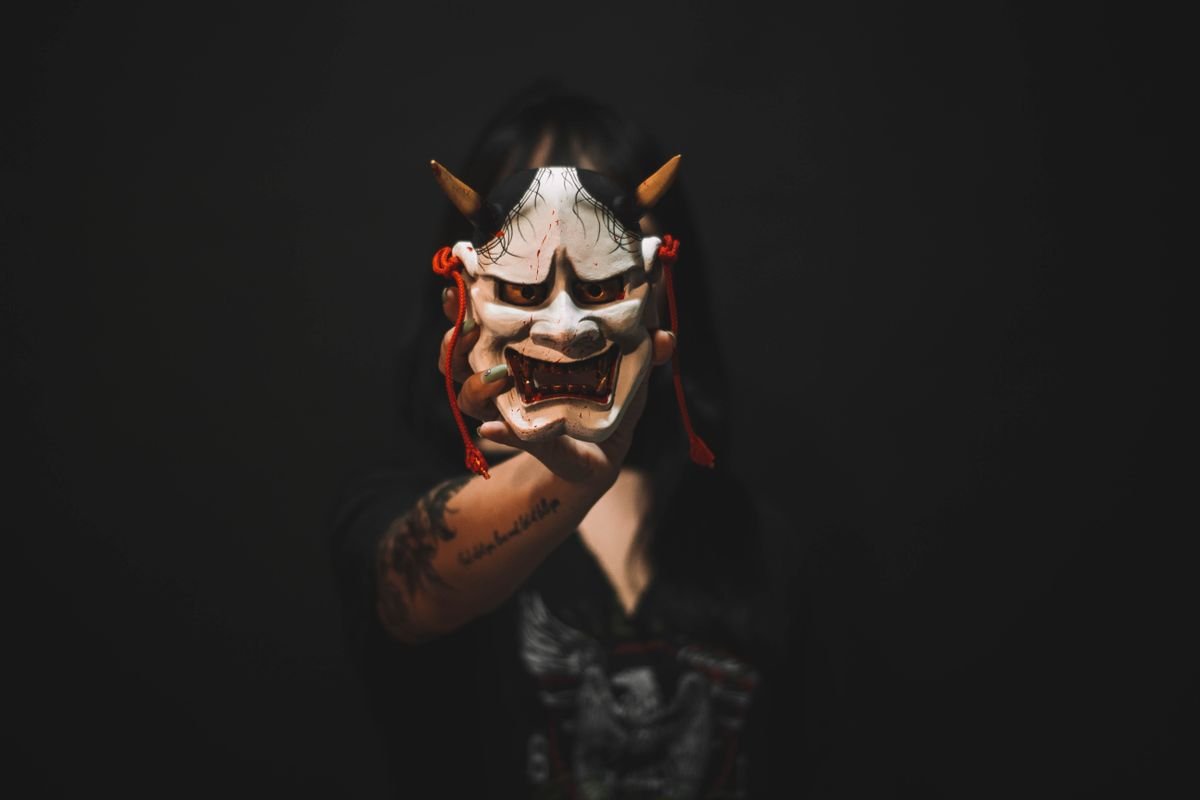
When Hell’s Cauldron Lid Comes Off
What struck me more than the geology, honestly, was how seriously the town has run with the idea. Noboribetsu Onsen doesn’t just tolerate its “Hell Valley” nickname — it has built an entire local mythology around being Enma’s actual front door. Down in the town itself, a mechanical shrine houses a likeness of Enma whose face is said to shift from calm judge to furious demon a few times a day, and the main shopping street is lined with oni statues, some of which locals visit specifically to ask for favours — luck in exams, luck in love — treating the demons less as things to fear than as minor, slightly terrifying local deities you learn to live alongside.
According to the story told around the annual festival, once a year the lid of Hell’s own cauldron, somewhere down in Jigokudani, is said to creak open, and Enma leaves his shrine to lead his oni up into Noboribetsu’s streets. It’s worth saying plainly: I haven’t found any version of this that claims to be a real haunting, or ties a specific ghost to the valley itself. It’s a denshō — a local legend — built more around Buddhist cosmology and festival tradition than around any particular death or disaster at the site. That’s part of what I find interesting about it. Most of the haunted places I write about have one grim, specific story at their centre. Jigokudani’s reputation is stranger: an entire landscape mythologised as the underworld, with a whole town’s folklore grown up around the idea rather than around one restless spirit.
The Night the Demons Come to Town
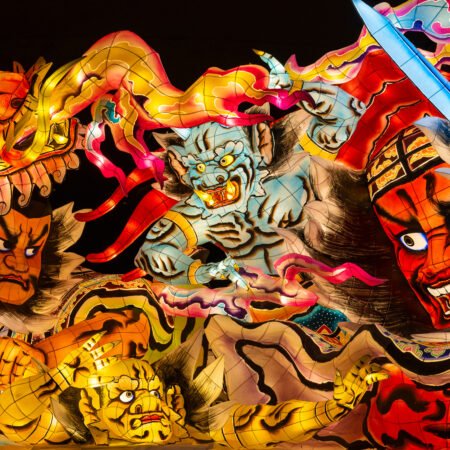
That legend gets its one night of theatre every year at the Noboribetsu Jigoku Matsuri, held on the last weekend of August (29–30 August in 2026). The festival opens with the “Jigoku no Kama Biraki” — the symbolic opening of hell’s cauldron lid — staged with smoke and fireworks to reveal a hot-spring deity figure. From there it builds: a roughly one-tonne red oni mikoshi is hauled down the main street by around a hundred young carriers, residents and visitors join a mass oni-mask dance, and the evening’s centrepiece is a karakuri float of Enma Daio himself, standing some six metres tall when fully raised, processing down the Gokuraku-dori shopping street before the night closes with fireworks launched from the valley.
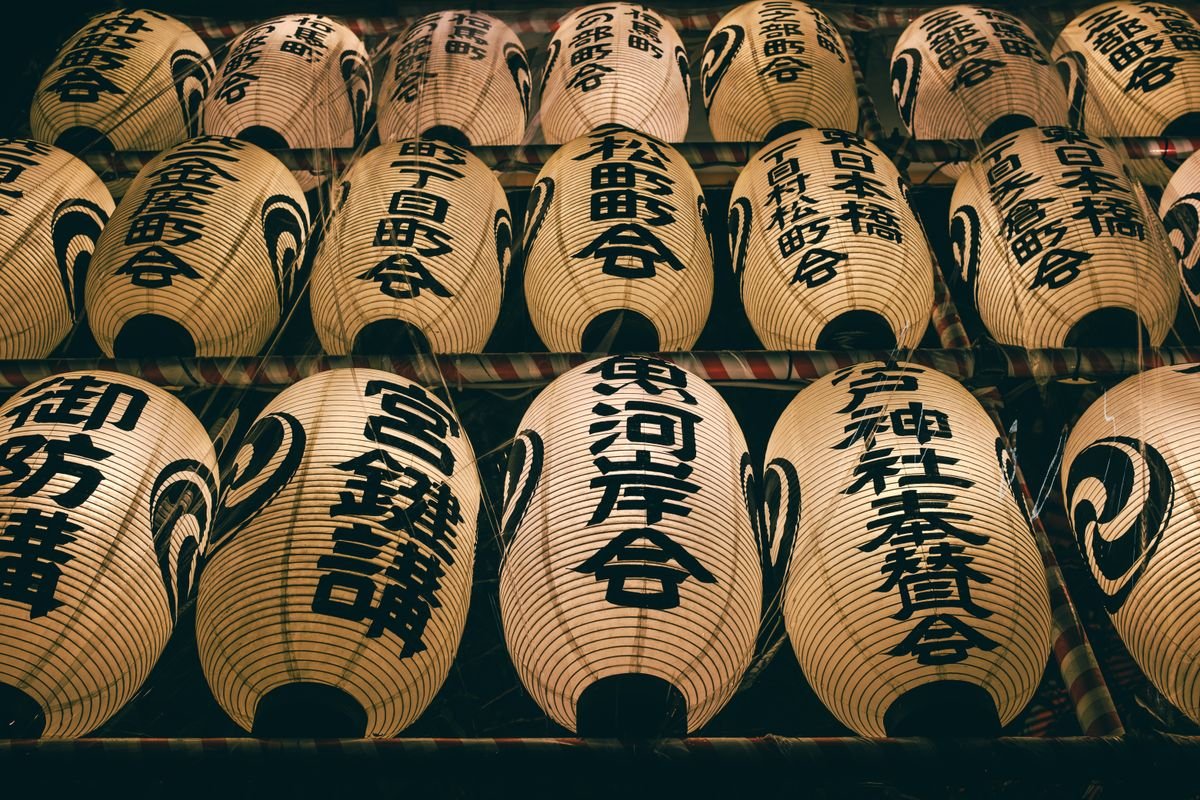
I haven’t managed to catch the festival myself yet — my visit was an ordinary weekday afternoon, just steam and boardwalk and the faint sense of being watched by painted statues — but even walking it in daylight, with tour groups photographing the bubbling pools and nobody remotely spooked, I understood why the town leans into the mythology rather than away from it. A valley genuinely named Hell, right next to your front door, is either something to be uneasy about forever or something to make into the best local festival of the year. Noboribetsu chose the second option, and it’s hard to argue with the result.
If you do go, treat the “hell” label with the same respect you’d give any active volcanic site, because that’s exactly what it is. Stay on the boardwalk and inside the roped-off viewing areas — the ground here isn’t stable, the water is genuinely close to boiling, and the valley is monitored for volcanic activity that occasionally closes sections of the trail. Don’t go near the water to touch or taste it, whatever the colour. If you’re visiting for the Jigoku Matsuri, the fireworks finale inside the valley itself is entry-restricted and requires advance registration, so plan ahead rather than turning up expecting to wander in. And whether you come for the demons or just the onsen, it’s still an active geothermal landscape and a working hot-spring town — walk it with the same care you’d give any wild, steaming corner of the country, and leave the statues and shrines exactly as you found them.
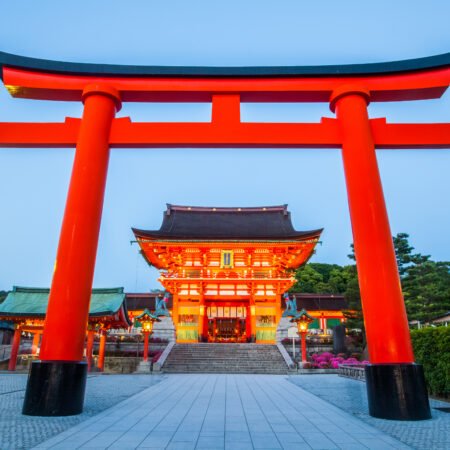
Note: images accompanying this article are illustrative stock photos and do not necessarily show the specific site discussed.


コメント