





Every year around the first week of February, I start getting the same text from friends back in the States: “Wait, cherry blossoms already?!” And every year I have to explain that no, Tokyo’s famous Somei Yoshino trees are still a solid six weeks away from blooming — but if you know where to look, you can be standing under a canopy of pink while the rest of the country is still in puffer jackets. That’s exactly what I did this year, taking the train down to a sleepy river town on the Izu Peninsula called Kawazu, home to Japan’s earliest, longest-lasting, and (in my biased opinion) most underrated cherry blossom festival.
I’d heard about the Kawazu Sakura Matsuri from a coworker who grumbled that it was “basically a secret” compared to the chaos of hanami season in Tokyo. She wasn’t exaggerating. I showed up on a weekday morning expecting a quiet little riverside walk, and instead found myself completely charmed by a town that had clearly spent weeks preparing for its one big moment in the spotlight.
Why Kawazu Blooms a Month Before Everyone Else
Here’s the part that genuinely surprised me: the deep pink trees lining the Kawazu River aren’t the same Somei Yoshino variety you see in postcards of Tokyo in spring. They’re a completely different cultivar called Kawazu-zakura, and the story of how it got its name is a nice piece of small-town trivia. Sometime in the 1950s, a local resident noticed an unusual young cherry tree growing by the riverbank and transplanted it into their own yard. Nobody thought much of it until it started blooming absurdly early, year after year. It turned out to be a natural cross between two other cherry varieties, and in 1974 it was officially registered as its own breed and named after the town that grew it.
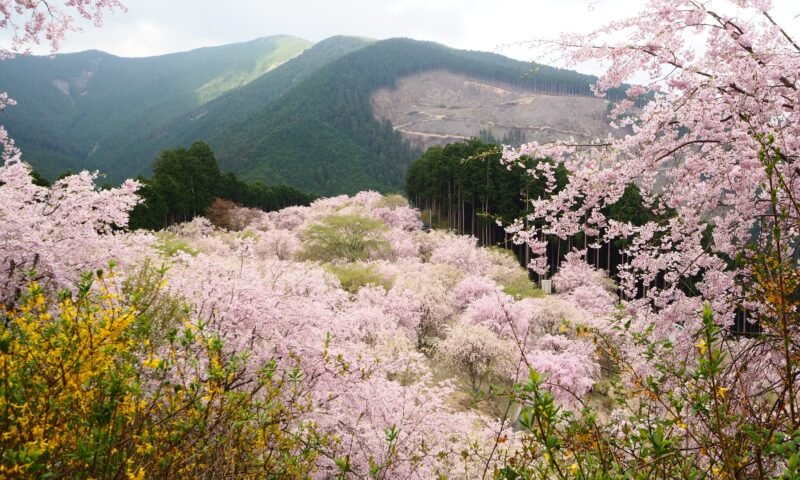
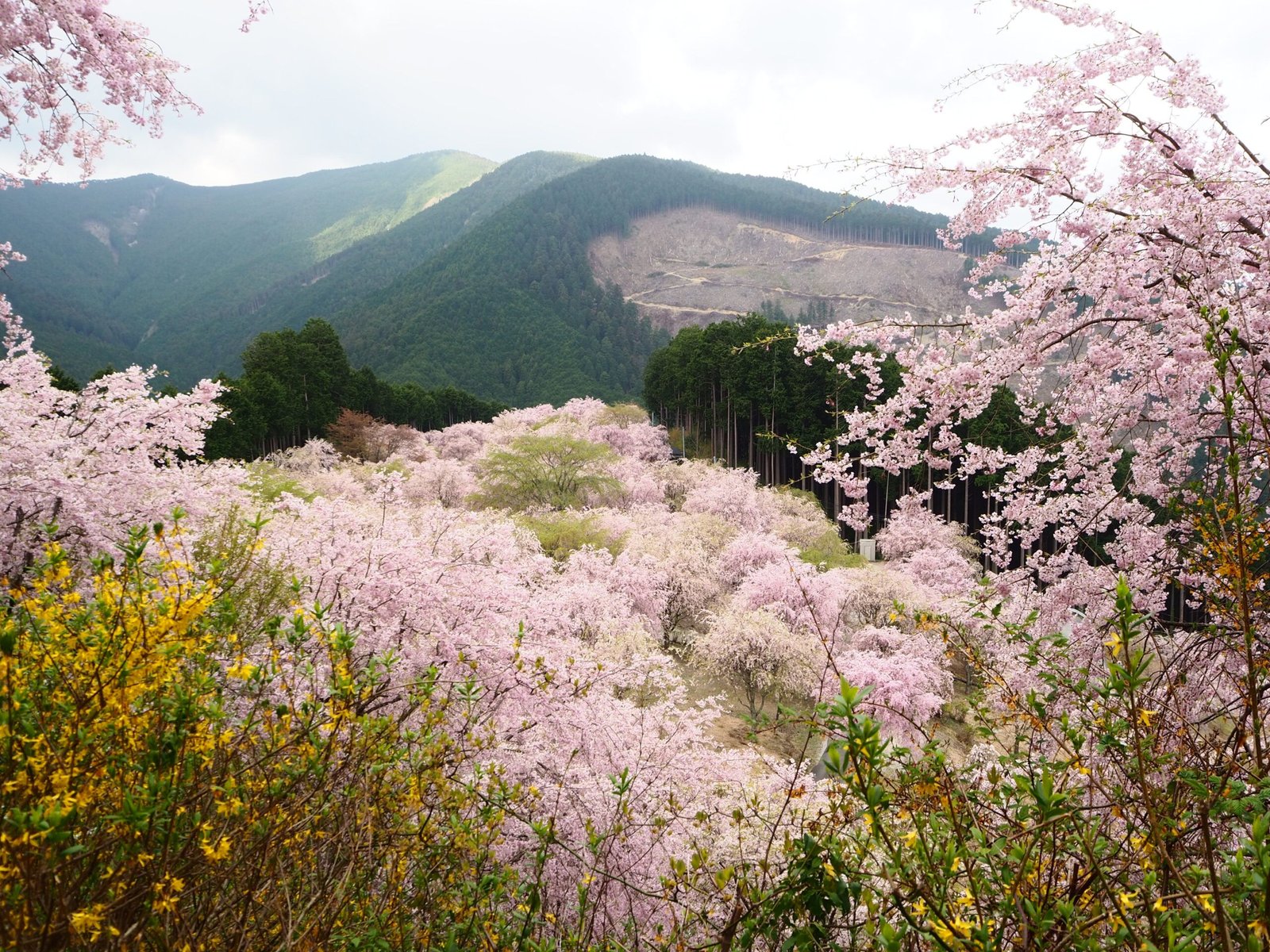
That origin story explains a lot about why the flowers feel different from the sakura I’m used to. The petals are noticeably larger and a much deeper pink than Somei Yoshino, almost magenta in the right light, and instead of putting on their show and scattering within a week like most cherry blossoms do, Kawazu-zakura stay in bloom for nearly a month. If you’ve ever had your hanami plans ruined by one badly timed rainstorm, you’ll understand why that single fact alone is worth the trip.
Walking the River of Pink and Yellow
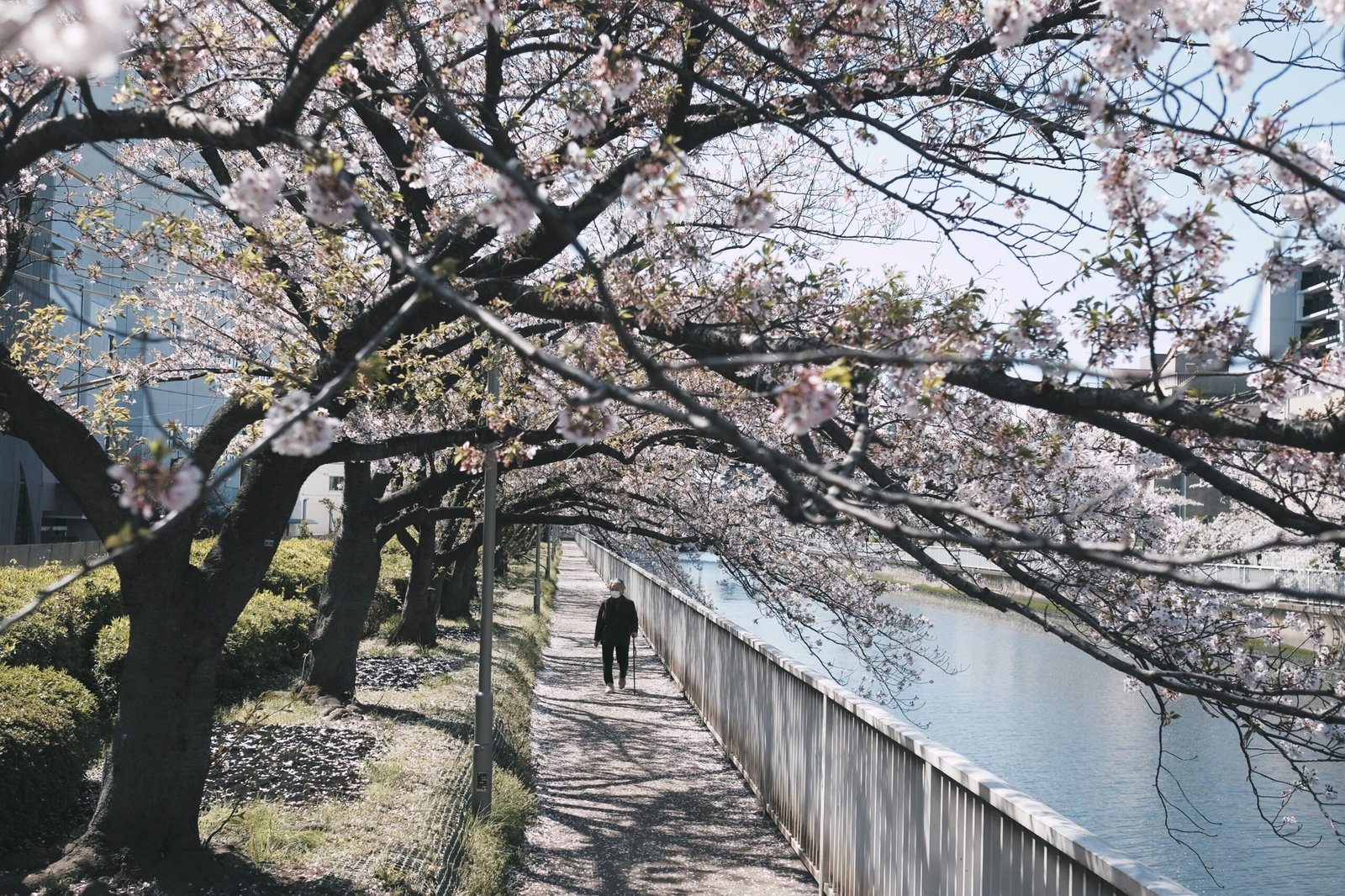
The main event is the riverside promenade, which runs for a few kilometers along the Kawazu River and is lined with cherry trees on both banks — somewhere in the neighborhood of a thousand trees right along the water, with several thousand more scattered through the hills and side streets of town. What I wasn’t expecting was the color combination: the town plants bright yellow nanohana (rapeseed blossoms) in beds along the walkways specifically to bloom at the same time as the sakura, so you’re constantly walking between walls of hot pink overhead and sunny yellow at your feet. It’s a deliberate, almost showy pairing, and it works.
I started near Kawazu Station — the original “mother tree” that started it all is only about a twenty-minute walk from there, now grown into a sizeable tree in its own right — and just followed the river downstream, stopping constantly to take photos I knew wouldn’t do the color justice. The Hosen Bridge area was my favorite stretch, where the trees arch in from both sides almost like a tunnel. Even on a weekday morning I was sharing the path with retirees on photography trips, a few other foreign tourists who seemed just as pleasantly confused as I was about finding cherry blossoms in February, and a surprising number of serious hobbyist photographers with tripods staking out their spots before sunrise.
Yozakura and the Food Stalls After Dark
I made the mistake of thinking a morning visit was enough and almost missed the best part. Along the stretch of river closest to the coast, the trees are lit up with lanterns and spotlights every evening, generally from around 6 to 9 p.m., turning the whole scene into something closer to a dreamy nighttime stage set than a daytime nature walk. I came back after an early dinner specifically to see it, and I’m glad I did — the illuminated blossoms reflecting off the dark water were honestly more memorable to me than the daytime view.
And the food stalls are a whole experience on their own. There are close to a hundred of them set up along the festival route, selling everything from grilled seafood skewers and yakisoba to sakura-flavored mochi and soft serve. Almost everything is cash only, so learn from my mistake and bring more small bills than you think you’ll need. My favorite discovery was the stalls selling small potted Kawazu-zakura saplings — apparently a popular souvenir for people who want to try growing their own slice of this festival at home. I was tempted, but I’m fairly sure airline baggage rules and a potted tree don’t mix.
Getting There and Tips for Visiting
Kawazu is on the Izu Peninsula in Shizuoka Prefecture, reachable via the Izu Kyuko Line, with Kawazu Station putting you within about a three-minute walk of the blossoms. The easiest option from Tokyo or Shinagawa is the direct Odoriko limited express train, which takes roughly two and a half hours and runs straight through to Kawazu — just know that it’s all reserved seating, so book your seats ahead of time, especially on weekends. If you’re coming from further afield, taking the Shinkansen to Atami and transferring to a local Izukyu line train works too and can actually be a bit faster.
The festival typically runs from early February into early March, though the exact dates shift slightly each year depending on the weather, and in years with a cold snap it’s sometimes extended. If you can manage it, go on a weekday — I visited on a Tuesday and still saw plenty of other visitors, but I’ve heard weekends get genuinely crowded. Trees usually look best somewhere between 60 and 80 percent bloom rather than at full, fluffier bloom, so it’s worth checking a bloom-forecast update online before you commit to a date. If you have extra time, the Kawazu Nanadaru (Seven Waterfalls) hiking trail is nearby and makes a nice way to spend the rest of the day once you’ve had your fill of pink and yellow.
I came to Kawazu fully expecting a smaller, quieter version of hanami season, and in some ways that’s exactly what I got — but the combination of the deeper pink blossoms, the nanohana fields, and getting to have “spring” a full six weeks early made it feel like its own distinct thing rather than a preview of the main event. If you’re someone who gets impatient waiting for the Tokyo trees to finally bloom in late March, I can’t recommend this trip enough.
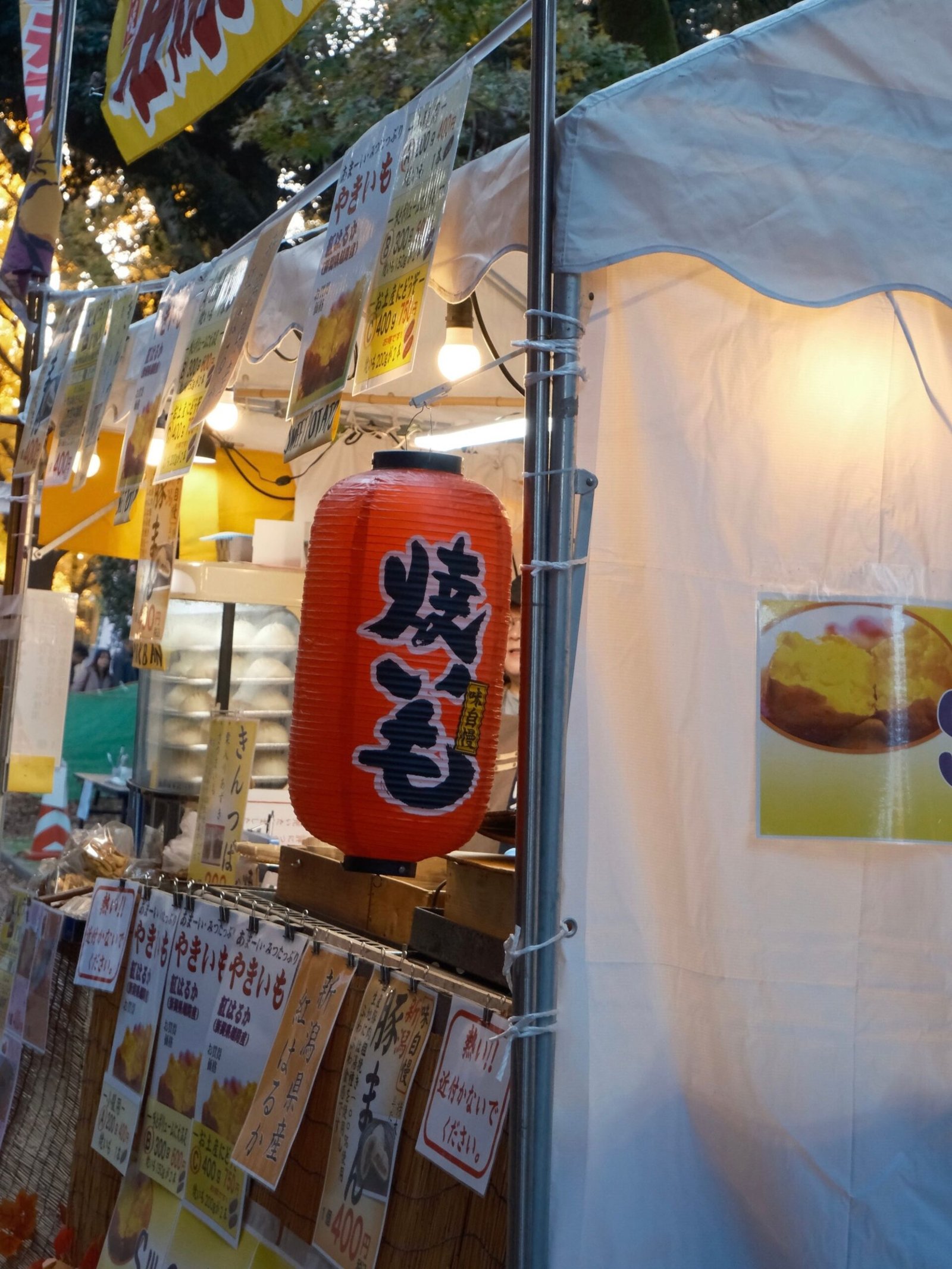
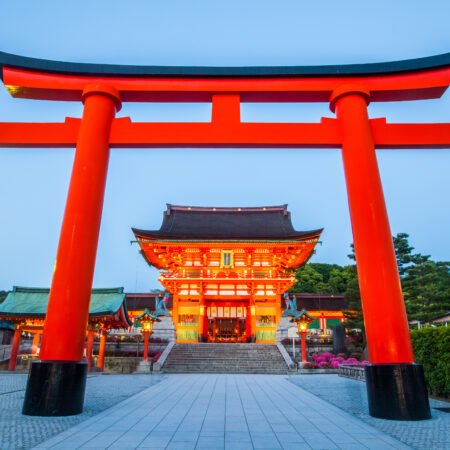
A quick note on photos: some of the images here are stock photos I’ve used to set the mood — they may not be the exact spot or moment I’m describing, just close in spirit.
コメント