





The first time I heard the drums, I was still three blocks away. It was mid-August, the air in Tokushima thick and warm even after dark, and I was following the sound the way you’d follow a smell of something baking — helplessly, and a little faster than I meant to walk. By the time I turned the corner onto the main street, I understood why everyone I’d met in Japan who’d been to Awa Odori got a specific look on their face when they talked about it. There is genuinely nothing else like it.
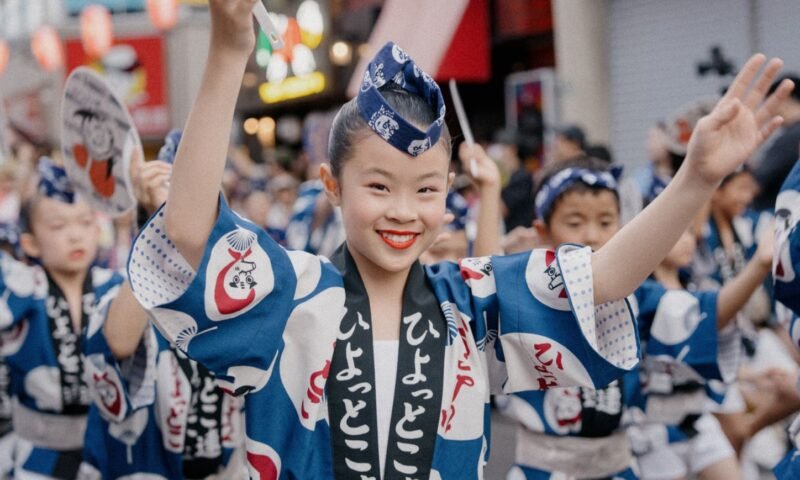
I’d lived in Japan for five years at that point and thought I’d seen my share of matsuri. I hadn’t seen this. Awa Odori is Tokushima’s four-day dance festival, held every August 12th–15th, and it pulls in something like a million visitors to a city that normally has a population of under 250,000. For four nights, the streets close to traffic and fill instead with “ren” — organized dance troupes, some with decades of history and matching indigo-and-gold yukata, some thrown together by coworkers or classmates just for fun — moving down the road in formation to the same driving rhythm of shamisen, taiko drums, flutes, and bells.
What Is Awa Odori, Exactly?
“Awa” is the old name for Tokushima Prefecture, and “odori” just means dance, so the name is refreshingly literal: the dance of Awa. Depending on who you ask, it traces back over 400 years, with local legend crediting a rowdy 16th-century celebration for the completion of Tokushima Castle as the spark. What’s certain is that it’s a form of Bon Odori — the dance tradition tied to Obon, the mid-summer festival when Japanese families welcome home the spirits of their ancestors — but Awa Odori went its own direction and became something much bigger and much less solemn.
Each ren has two kinds of dancers. The women dance in a tight, upright line, wrists lifted, in geta sandals, moving with small precise steps under the brim of a woven amigasa hat tilted just so. The men’s dancing is the opposite: loose, low, half-crouched, arms thrown wide, often deliberately goofy. The chant that goes with it is the line everyone in Japan can finish for you: “Odoru ahou ni miru ahou, onaji ahou nara odoranya son son” — “The dancers are fools, the watchers are fools, both are fools alike, so you might as well dance.”
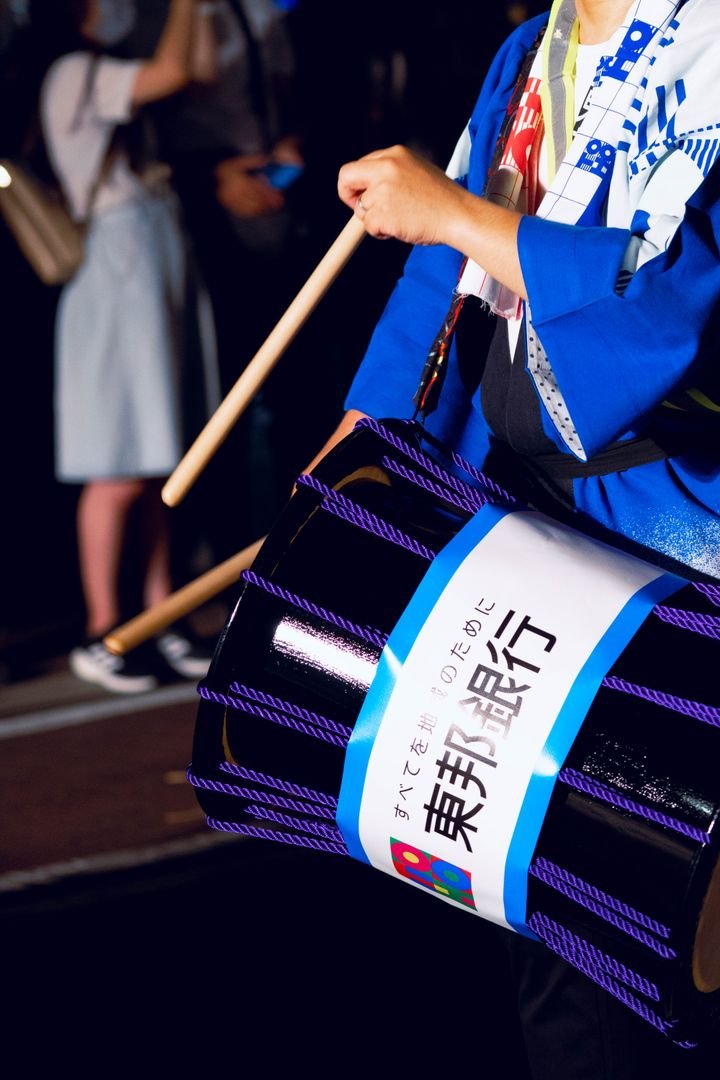
My First Night in the Crowd
I’d assumed I would watch. I did not get to just watch. Tokushima runs “niwaka-ren” — literally “spontaneous troupes” — that let anyone off the street join in for a few minutes, no experience or costume required, at several spots along the route. A woman old enough to be my grandmother physically pulled me out of the crowd by the sleeve, mimed the basic step twice, and then I was just doing it, badly, surrounded by strangers who were far too kind about it.
The performance stages (yuryou sajiki) along Shinmachi-gawa Suijo Park and around the JR Tokushima Station area are where the big, famous ren perform — and it’s worth paying for reserved seats at least once, because the level of coordination in the top troupes, like Awa no Mio or Renpeitai, is genuinely stunning up close. But honestly, my favorite part of the night was drifting between the free viewing streets, where smaller neighborhood and company ren went by one after another, kids in the front row of the children’s ren dancing with total seriousness, grandparents dancing in the same formation they probably learned as kids themselves.
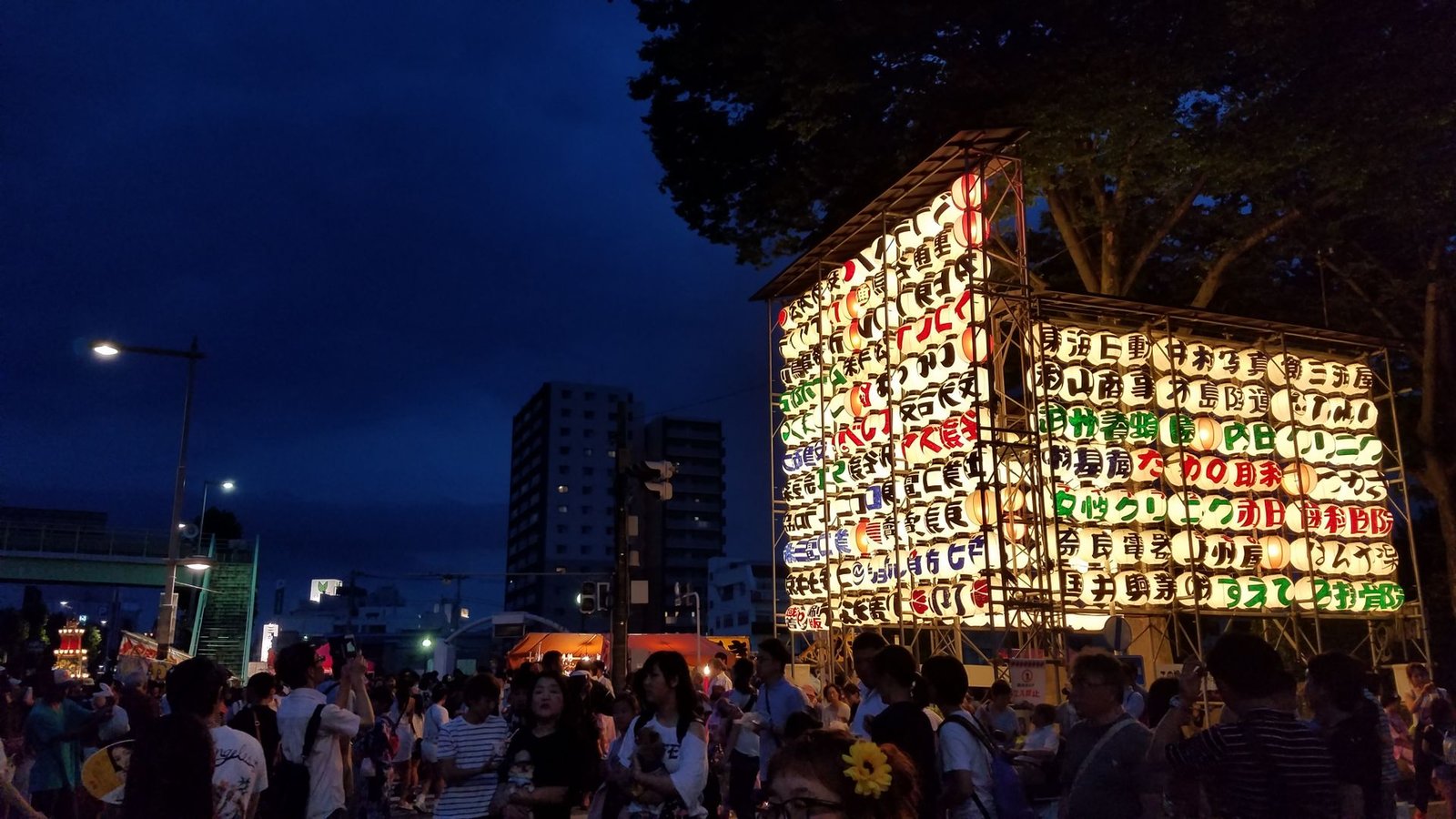
What the Festival Feels Like Once the Drums Stop
If you can’t make it in August, Tokushima doesn’t just pack the whole thing away for eleven months. The Awa Odori Kaikan, a hall right downtown, hosts live performances by professional ren every single day of the year, with an observation deck up top that gives you the layout of the old castle town. It’s a completely different experience — smaller, indoor, more like a proper stage show — but it’s a good way to understand the choreography before you get thrown into a niwaka-ren yourself.
I also spent the mornings after each festival night wandering the covered arcades near Tokushima Station, nursing a coffee and watching the city get quietly back to normal, which was its own kind of interesting. Tokushima isn’t a place that performs for tourists and then drops the act; the ren rehearse for months beforehand in community centers and parking lots all over the prefecture, and plenty of the dancers I talked to had been in the same troupe since elementary school. It’s less a show than a really, really large family reunion that the rest of us get invited to.
If You Want to Go
A few things I wish someone had told me first. Book accommodation early — not “a few weeks ahead” early, but as soon as the dates are announced, because Tokushima’s hotel capacity is small relative to the crowds and prices spike hard for August 12–15. Bring cash, comfortable shoes you don’t mind getting a little beer spilled on, and a hand fan — you will need it. Trains and buses from Osaka or Kobe (via the Akashi Kaikyo and Onaruto bridges) are the easiest way in if you’re not flying directly into Tokushima Airport.
And say yes if someone tries to pull you into a niwaka-ren. You will look ridiculous. Everyone around you will be delighted anyway. Four hundred years of dancing fools can’t be wrong.

コメント