






I’d been living in Japan for almost four years before someone finally talked me into sitting completely still for forty minutes. My friend Aiko had been bugging me for months to try a zazen session at Eiheiji, the eight-hundred-year-old Zen temple tucked into the mountains of Fukui Prefecture, and I kept putting it off with the same excuse: “I can’t even sit through a long meeting without checking my phone, how am I supposed to meditate in a monastery?” Turns out that’s exactly the kind of person Eiheiji is built for.
Fukui doesn’t get nearly the attention Kyoto or Nara do, which honestly is part of the appeal. The Hokuriku Shinkansen now reaches Fukui Station directly from Tokyo, and from there it’s about a thirty-minute bus ride into the mountains before the modern world drops away almost completely. By the time I stepped off the bus, the air had that cool, green, slightly damp smell of old-growth forest, and I understood why generations of monks chose this exact spot to disappear into.
Walking Into Eight Hundred Years of History
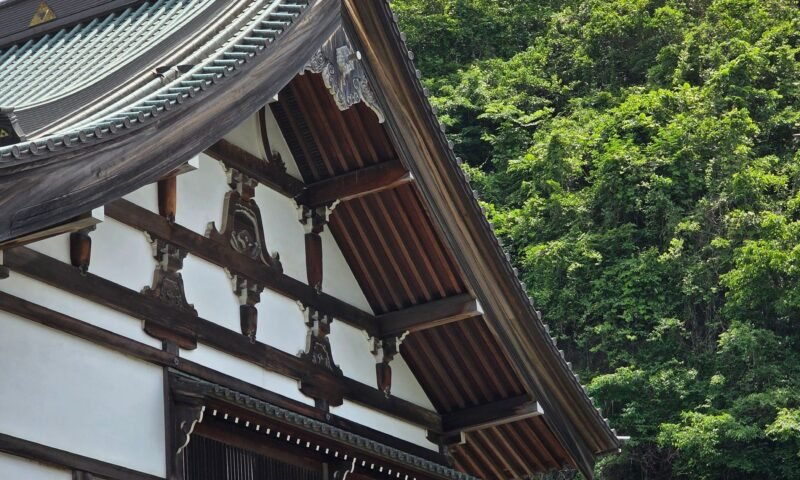
Eiheiji was founded in 1244 by a monk named Dogen, who had just returned from studying Zen Buddhism in China and wanted someplace remote enough that his students couldn’t get distracted by, well, anything. He picked well. Today it’s the head temple of the Soto school of Zen Buddhism (along with Sojiji near Yokohama), and it still functions as an active training monastery, not a museum. Somewhere between sixty and two hundred monks live and train there at any given time, depending on the season, following a schedule that would break most of us within a week: up before dawn, meals eaten in total silence following a strict set of rules, hours of zazen, and endless cleaning duties, all performed with the same careful attention.
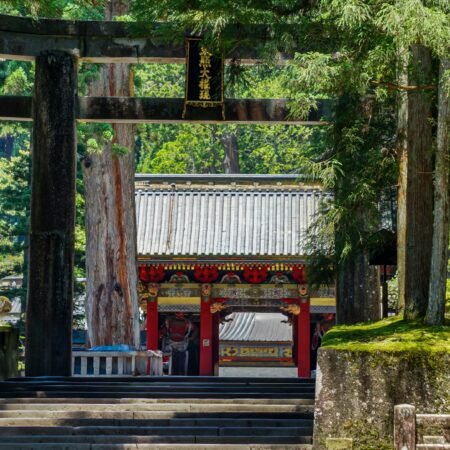
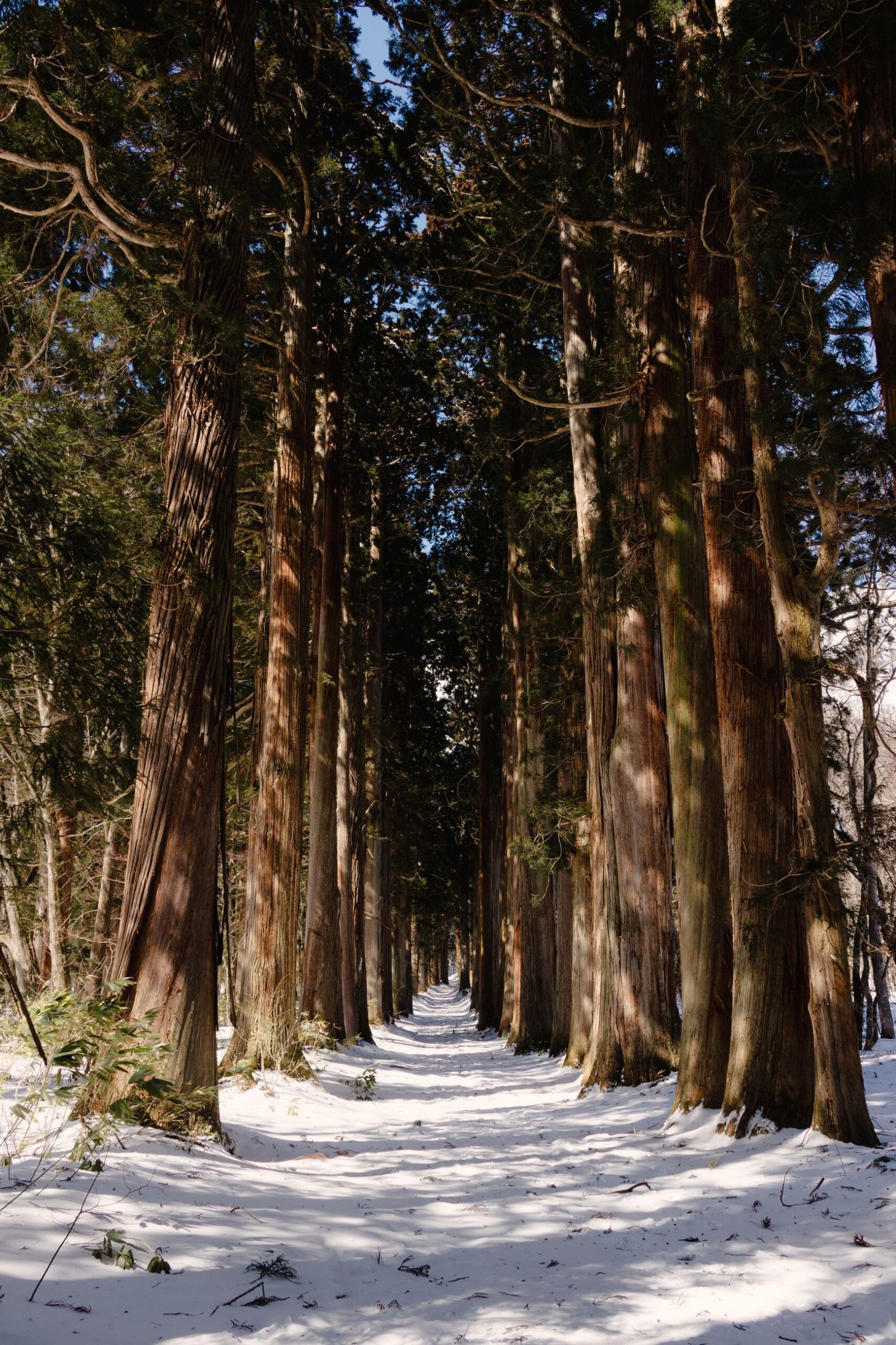
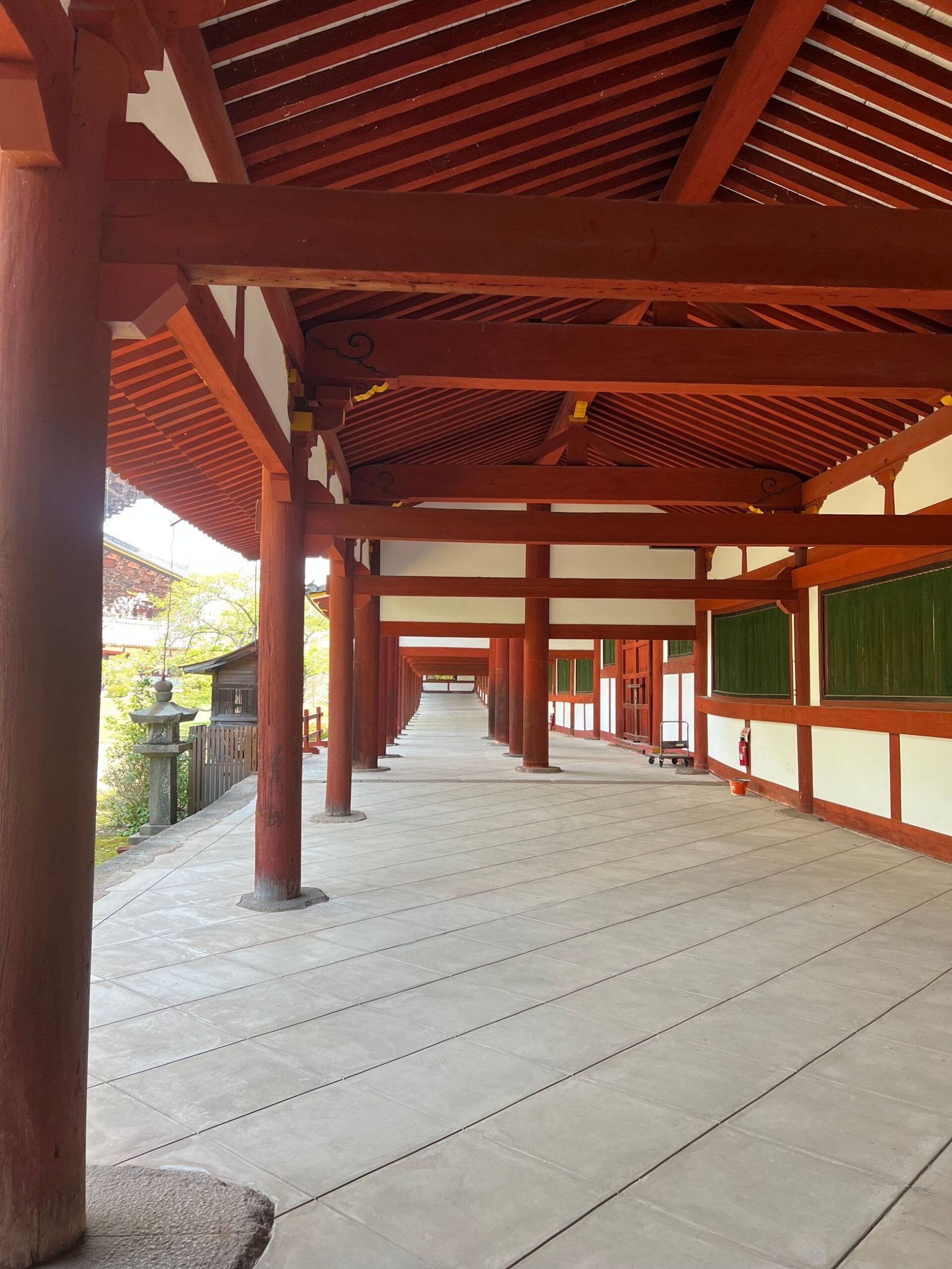
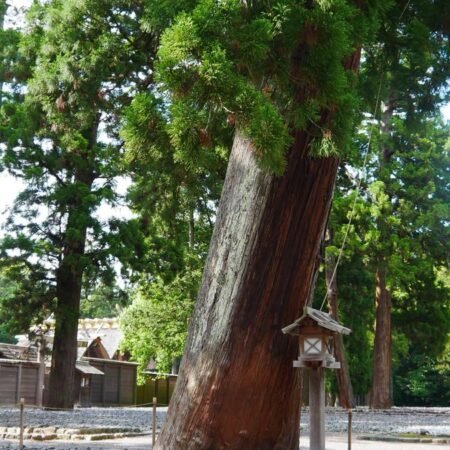
You feel that history the moment you pass through the Sanmon, the oldest building on the grounds and the only gate monks are allowed to use when they first arrive to begin training — and the same gate they walk back through, years later, when they finally leave. Massive cedars line the approach, and the whole complex is connected by a network of covered wooden corridors so polished by centuries of bare feet that they practically glow. I kept catching my own reflection in the floorboards, which felt like it defeated the purpose of trying to be mindful, but I couldn’t help it.
Learning to Sit Still (Badly, at First)
The temple runs sanzen-kai sessions where visitors can try zazen meditation under the guidance of an actual monk, and you do need to reserve a spot in advance — Eiheiji’s official website has an English page with the schedule and the simple application form. We’d signed up for the two-night, one-day overnight program, which sounds intense and, honestly, is, but you can also do a shorter day-visit version if you just want a taste.
A young monk who looked like he could have been my college roommate led us into the Sodo, the monks’ hall, and explained the posture: half-lotus or full-lotus if your knees allow it, hands forming an oval in your lap, eyes half-open and fixed on a spot on the floor a few feet ahead, spine straight but not rigid. Then he told us about the keisaku, the flat wooden stick monks use to tap meditators on the shoulder if they’re slouching or dozing off — purely corrective, not punishment, he insisted, though I noticed everyone in the room suddenly sat up a little straighter.
The first ten minutes were fine. The next thirty were a slow-motion negotiation with my own knees, my own thoughts, and the very loud sound of my own breathing. Nobody tells you how deafening silence actually is until you’re forced to sit inside it. But somewhere past the halfway mark, something did settle. I wasn’t enlightened or anything dramatic like that — I just stopped fidgeting and started, for maybe the first time all week, doing absolutely nothing. It was uncomfortable and oddly wonderful at the same time.
Meals, Rules, and a Very Humbling Breakfast
If the zazen was the main event, the meals were the unexpected highlight. Eiheiji is famous for shojin ryori, the vegetarian cuisine developed for monastic life, and the overnight program includes a formal dinner and breakfast eaten according to strict temple etiquette: specific ways to hold your bowls, a precise order for eating, and near-total silence except for a few ritual chants. A monk walks the room explaining each step before you eat, which I appreciated, because I would have otherwise embarrassed myself within about ninety seconds.
Breakfast was simple — rice porridge, pickled vegetables, a bit of sesame — but eating it in complete silence, with everyone moving through the same careful choreography, made it feel like more of a ceremony than any elaborate restaurant meal I’ve had in Tokyo. Afterward we were allowed to help with cleaning duties in one of the corridors, which is apparently part of the whole experience — Zen training treats sweeping a floor with the same seriousness as sitting meditation. I’m not sure I achieved any particular enlightenment while wiping down a two-hundred-year-old wooden beam, but I did get strangely attached to doing it properly.
Practical Tips for Visiting Eiheiji
If you want to go: take the Hokuriku Shinkansen to Fukui Station, then transfer to the Keifuku Bus bound for Eiheiji, which takes around thirty minutes and drops you right near the temple entrance. There’s also a direct bus connection seasonally from JR Fukui Station that’s worth checking before you go.
You absolutely do not need to do the overnight sanzen-kai to visit — plenty of people come just for a self-guided walk through the public areas, which still lets you see the Sanmon gate, the corridors, the Dharma Hall, and the bathhouse (Jozo-ro), all for a modest admission fee. If you do want to try zazen or the overnight stay, book through the temple’s official English-language page well in advance, since spots are limited and it’s genuinely popular with both foreign and Japanese visitors.
Wear layers — the mountain air stays cool even in summer, and the wooden floors are freezing in winter since you’re walking around in socks. And afterward, do yourself a favor and get a bowl of Echizen oroshi soba in the nearby town; Fukui is one of Japan’s great soba regions, and after a morning of monastic discipline, a bowl of cold buckwheat noodles with grated daikon on top feels like the best reward in the world.
I came to Eiheiji expecting a quiet temple visit and left with sore knees, a weirdly satisfying appreciation for floor-cleaning, and the closest thing to actual stillness I think I’ve managed since moving to Japan. I’m still terrible at meditating. But at least now I know what I’m supposed to be failing at.
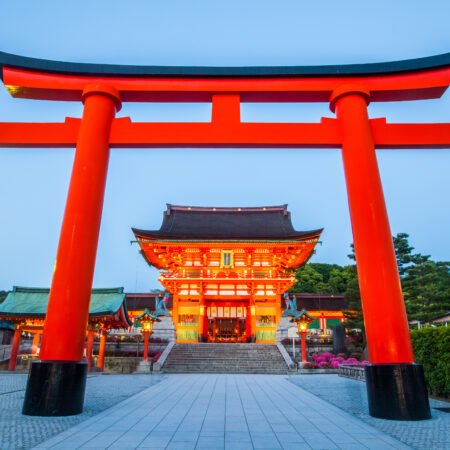
A quick note on photos: some of the images here are stock photos I’ve used to set the mood — they may not be the exact spot or moment I’m describing, just close in spirit.

コメント