





I landed in Sapporo in early February wearing what I genuinely believed was “serious winter gear.” Three layers, good boots, a scarf my mom sent from Ohio. I lasted about eleven minutes outside before I understood that Hokkaido cold is a different category of cold entirely. And then I turned the corner onto Odori Park and forgot about my frozen toes completely, because there was a building-sized snow sculpture glowing blue under floodlights, and a crowd of people just standing there with their mouths open, the way you do at a fireworks show.
That was my introduction to the Sapporo Snow Festival (さっぽろ雪まつり), and five years into living in Japan, it’s still one of the only events that’s made me say “wait, people built this?” out loud, to strangers, more than once.
A Festival That Started With Six Teenagers
The thing that gets me about this festival is how small it started. In 1950, six local high school students, guided by their art teachers but with no real sculpting experience, built six snow statues in Odori Park just to give their snowed-in city something to do in winter. About 50,000 people showed up to look, which must have told organizers something, because it’s been held every year since.
It stayed fairly modest until the Japan Self-Defense Force got involved from their nearby Makomanai base starting in 1955. By 1959, around 2,500 SDF personnel were mobilized to build the festival’s big sculptures — the same year national newspapers and TV crews first showed up. In lean-snow years, the SDF, for whom the work counts as a training exercise, will reportedly truck in snow from outside the city if Sapporo itself hasn’t gotten enough.
These days it runs for seven days every February — the 2027 festival is scheduled for February 4th through 11th — and pulls in crowds in the range of two million people across the week, which, if you’ve ever tried to get a hotel room in Sapporo during snow festival week, will not surprise you even slightly.
Odori Site: Where the Giants Live
Odori Park is the heart of the whole event, and it’s where you go for scale. We’re talking sculptures that have measured more than 25 meters wide and 15 meters high — not cute little snowmen, but entire castles, characters, and scenes carved from packed snow, lit up until 10pm every night so you can wander through after dinner. Alongside the giants there are usually over a hundred smaller statues lining the 1.5-kilometer park, some built by local groups, some by international teams competing in the International Snow Sculpture Contest, which has been held here since 1974 and now draws entrants from as far as Germany and Australia.
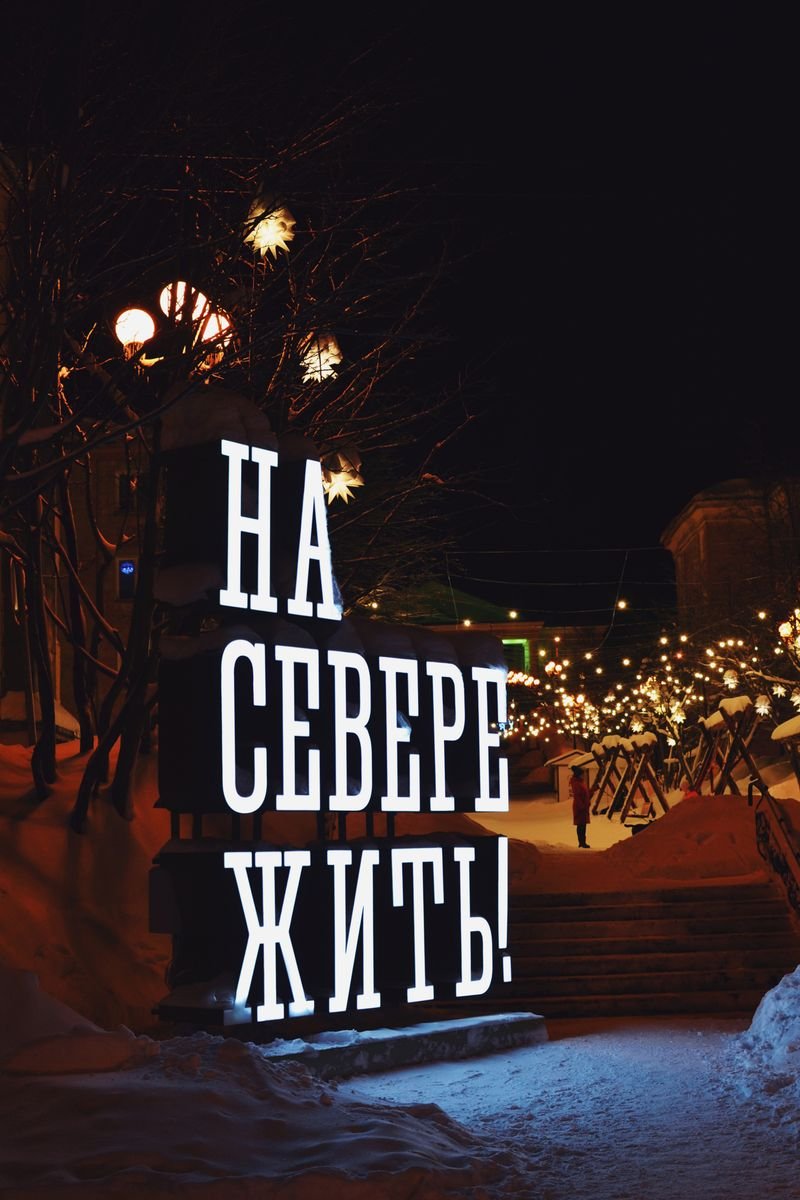
I’d read about the “giant snow sculptures” before I went, and I still wasn’t prepared for standing underneath one and realizing it was taller than the apartment building across the street. About a thousand volunteers sign up each year just to help build the largest ones — and apparently five or six times that many people apply for the privilege, which is a sentence I love, because it means “do you want to spend several freezing days packing snow for free” is somehow a competitive opportunity in Sapporo.
Susukino Site: Ice Instead of Snow
One subway stop south of Odori is Susukino, Sapporo’s biggest nightlife district, which becomes the festival’s ice sculpture site every year — it’s been an official part of the event since 1983. This is where the vibe shifts completely: instead of packed snow, you’re looking at roughly a hundred carved-ice pieces, lit from inside until around 11pm (an hour earlier on the final night), glowing in a dozen colors against the bar signs and neon of the surrounding streets.
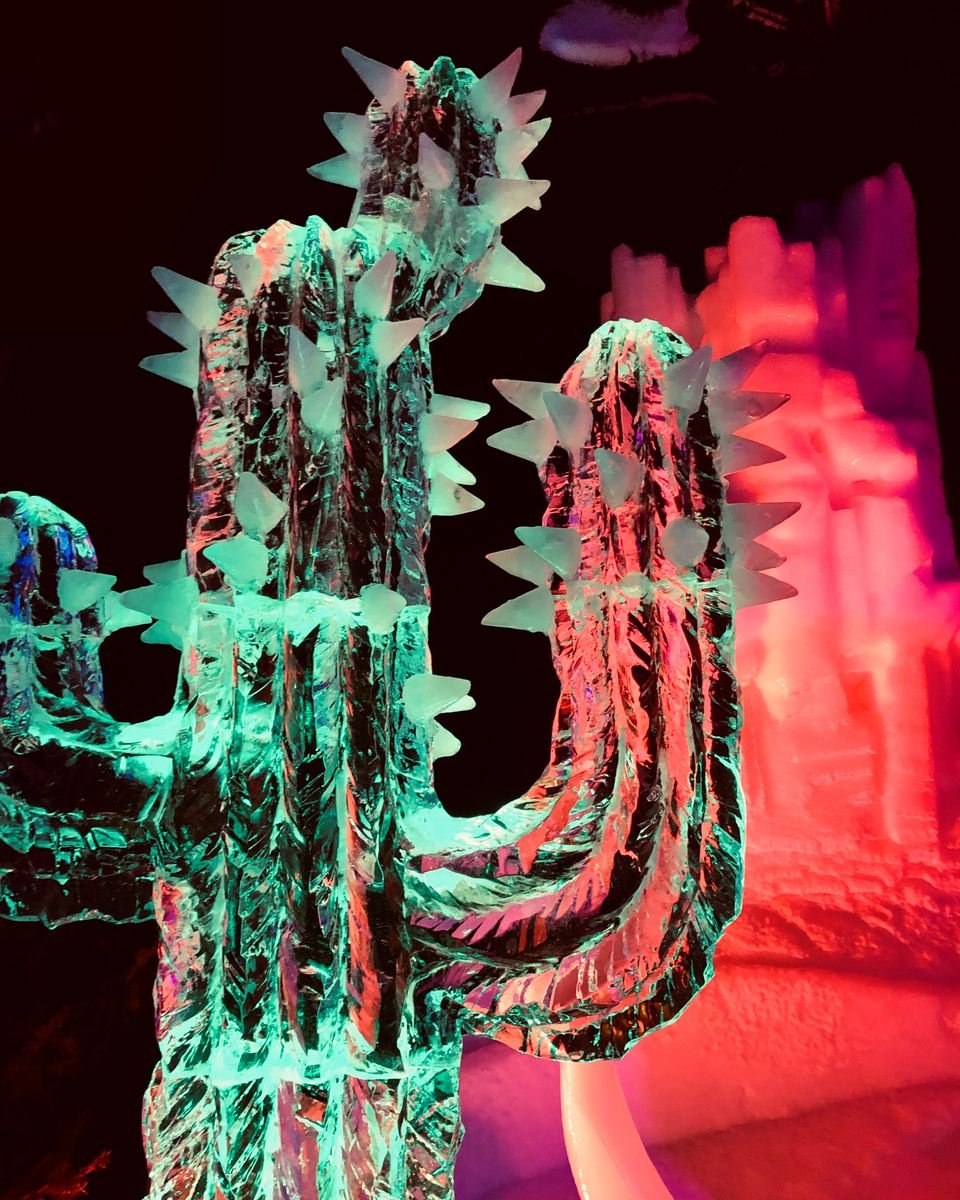
There’s also an annual “Susukino Queen of Ice” contest held at this site, which felt very on-brand for a neighborhood that’s basically Sapporo’s answer to a nightlife strip, except everything is frozen and somehow still elegant. I’d recommend doing Odori first and Susukino after dark — the short walk between the two feels like switching between two completely different festivals.
Tsudome: Bring the Kids, Bring an Appetite
If Odori is the spectacle and Susukino is the glow-up, Tsudome is where families actually spend their afternoon. It’s a bit further from the city center — about 10 minutes by train from Sapporo Station to Sakaekawa Station, plus a walk, or a short shuttle bus ride for 200 yen — but it’s worth the trip for the snow slides and snow-rafting courses alone. This site has moved around over the decades: it started at the nearby Makomanai SDF grounds back in 1965, shifted to Sapporo Satoland in 2006, and has run at the Tsudome since 2009.
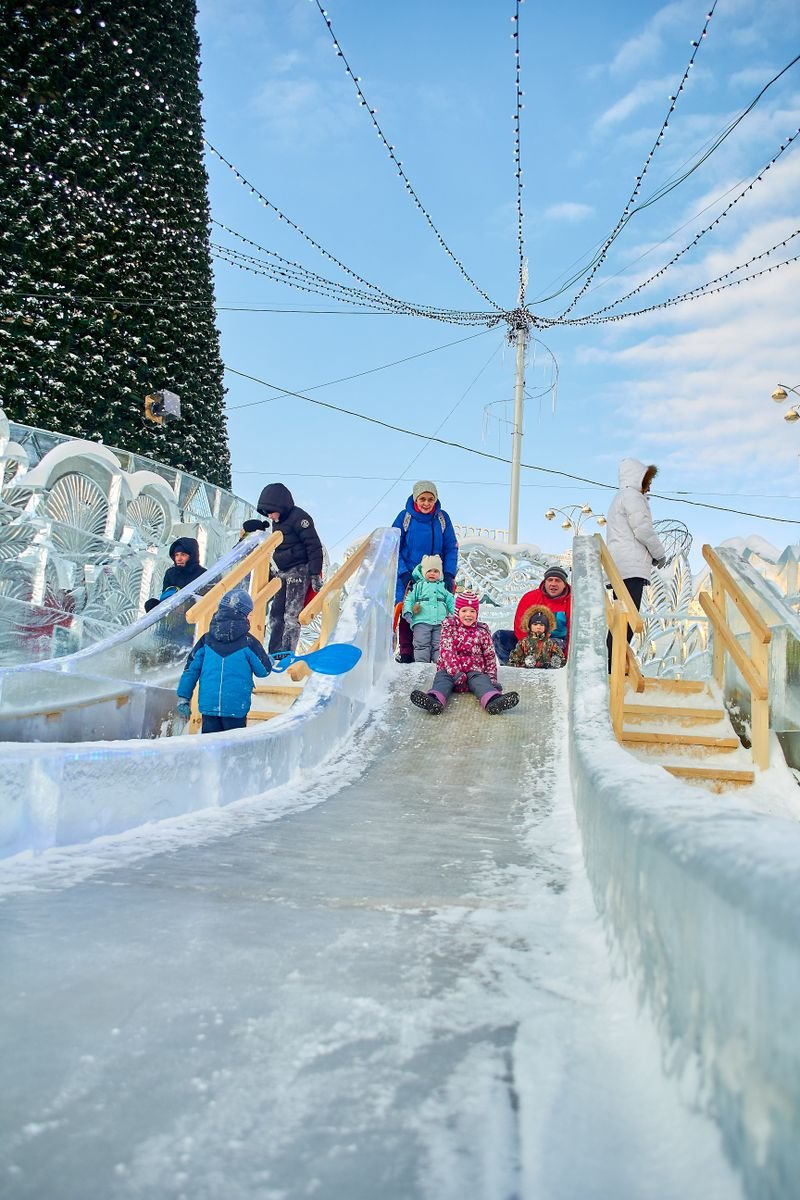
It’s open indoors and out from 10am to 4pm, so it’s really the only site that makes sense in daylight rather than after dark, and there’s a food court inside the dome where you can warm back up. Which brings me to the part of this festival I genuinely think about all year: the food.
Eating Your Way Through Hokkaido Winter
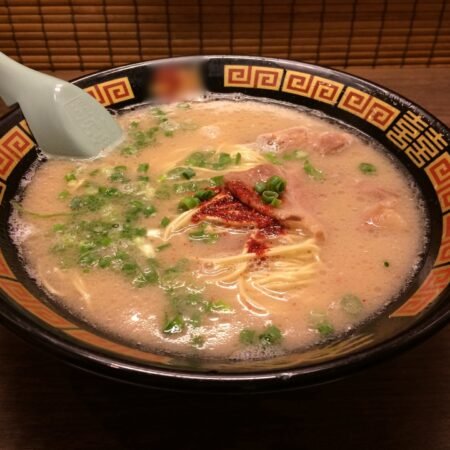
Hokkaido produces roughly half of Japan’s milk, and you can taste it — the soft-serve is a different substance entirely, and local ramen shops will plop a slice of butter right on a bowl of miso ramen, Sapporo’s signature style (Hakodate does salt-based broth, Asahikawa does soy sauce). Head to Ramen Yokocho in Susukino for a whole alley of tiny shops, or Nijo Market near Odori for seafood donburi loaded with uni, salmon roe, and scallops. And for the full experience, find a Genghis Khan (jingisukan) grill — lamb and vegetables on a dome-shaped skillet — ideally at the beer hall inside the old Sapporo Beer Museum, built on the site of Japan’s first brewery, opened in 1876.
Getting There and Practical Tips
New Chitose Airport connects to central Sapporo by a roughly 35-minute train ride, and from there the Odori and Susukino sites are both walkable from Sapporo Station or just one subway stop apart from each other, so you don’t need a car for the festival itself. A Sapporo Subway 1-Day Card runs 830 yen, or look for the discounted weekend “Donichika” ticket at 520 yen if your trip lands on a Saturday, Sunday, or holiday. Dress warmer than you think you need to — Sapporo in February sits well below freezing, and standing still to admire a sculpture is different from walking briskly between stations. Good boots with real grip matter more than a heavy coat; the packed snow and ice underfoot are no joke.
If I’m being honest, I went into this expecting something cute and small-town, and instead found myself genuinely stunned by how much coordinated human effort — teenagers, soldiers, international sculptors, a thousand volunteers — goes into a festival that, by design, melts and disappears within weeks. There’s something very Japanese about that, I think: pouring real craft and seriousness into something built to be temporary.
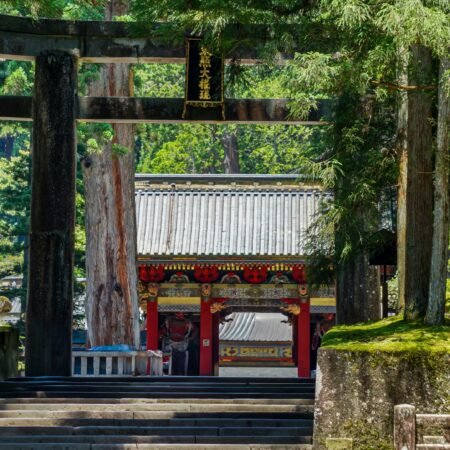
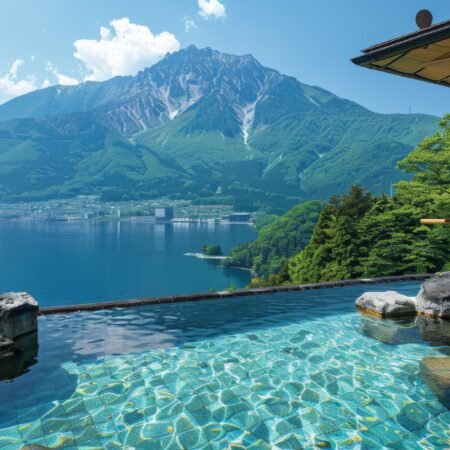
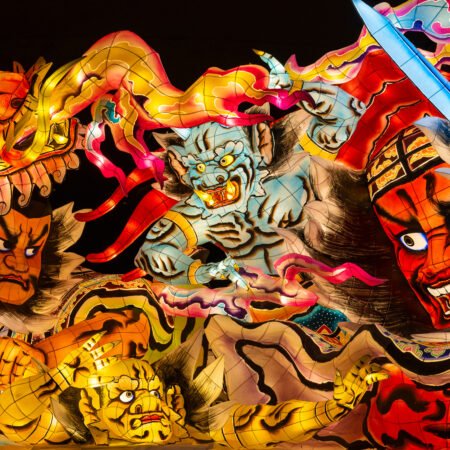
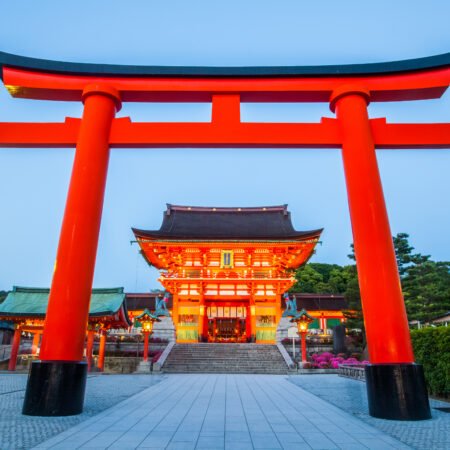
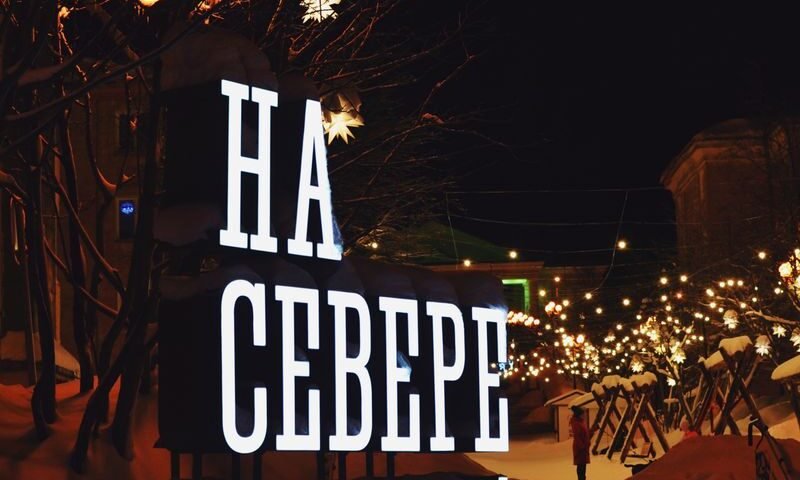
A quick note on photos: some of the images here are stock photos I’ve used to set the mood — they may not be the exact spot or moment I’m describing, just close in spirit.
コメント