







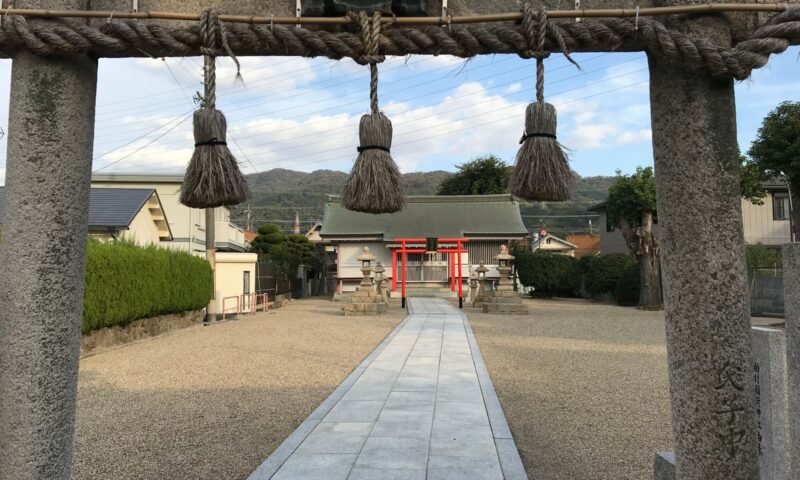
I was standing halfway down the covered corridor at Kibitsu Shrine, just outside Okayama, when the sound started. Not a bell, not a drum – something lower, somewhere between a groan and a kettle coming to the boil, rolling out from a low wooden hall ahead of me and seeming to come up through the floorboards rather than across the air. I had come to see a shrine. What I found waiting under an iron cauldron, according to the story the priests there still tell, was a severed head that has refused to stay quiet for well over a thousand years.
The Prince, the Demon, and the Arrow That Took an Eye
Kibitsu Shrine sits at the foot of Mt. Nakayama in Kita-ku, Okayama, and is dedicated to Prince Kibitsuhiko, a figure said in the old chronicles to have been sent from the Yamato court to pacify the Kibi region. According to the legend, the region was then terrorised by a demon named Ura, who had made his stronghold on nearby Mt. Kinojo and raided the farms and villages below. Kibitsuhiko is said to have camped at Nakayama and built stone barricades to shield his archers, while Ura hurled boulders back at him. The story goes that Kibitsuhiko’s first arrows kept colliding harmlessly with stones Ura threw in return, so he finally fired two arrows at once – one struck home, taking out one of the demon’s eyes. The local Chisui River is said, in the legend, to take its name (“blood water”) from the wound.
Wounded, Ura is said to have turned himself into a carp and fled into the river to escape; Kibitsuhiko, in turn, became a cormorant and caught him. It is a shape-shifting chase that still gets mapped onto the real geography around the Kibi Plain today – the ruins of Kinojo, the Chisui River, a shrine said to mark where the two arrows collided in midair. None of this is presented by the shrine itself as verified history. It is told, consistently, as densho – a transmitted legend, not a police report.
A Head Under the Cauldron
What happened after the demon’s defeat is the part of the story that actually brought me here. Ura’s severed head, the legend says, was buried beneath a large iron cauldron in what is now the Okamaden hall. But burial did not mean silence. For years afterward, people say, a roaring moan rose up from underground, loud enough to be heard across the district.
One telling of the story – the version the shrine’s own heritage materials lean on – has Ura appearing to Kibitsuhiko in a dream to explain himself: the roaring would stop, he said, only if his old companion was allowed to cook rice over the very cauldron that held him down. When she did, the sound is said to have changed from a formless wail into something that could be read – long and resonant for good fortune, short and faint for ill. That reading of sound as oracle is, according to the shrine, the origin of the Narukama Shinji, the “singing kettle” ritual that is still performed in the Okamaden today. I want to be careful here: this is folklore passed down through a specific religious institution, not an agreed historical account, and different retellings disagree on some of the details.
The Ritual That Still Answers
Narukama Shinji is not staged for tourists. Priests heat rice and water in the cauldron on behalf of a worshipper’s specific prayer, and the resulting sound – its pitch, volume, and how long it carries – is interpreted as an answer. It is still requested today for ordinary, personal reasons: a health worry, a marriage, a business decision. It is not performed on every day of the week, and anyone hoping to witness or request it should contact the shrine in advance rather than assume it will be running when they arrive.
The ritual has a literary afterlife that outgrew the shrine itself. The Edo-period writer Ueda Akinari included a version of it, under the title “Kibitsu no Kama,” in his 1776 collection of ghost stories, Ugetsu Monogatari – the same collection that gave Japanese literature one of its other great uncanny tales, “Jasei no In.” It is a reminder that this is not an obscure local curiosity; it has been part of the wider canon of Japanese ghost literature for nearly 250 years.
From Buried Demon to Peach Boy
What I find genuinely interesting about Kibitsu, as someone who spends his weekends chasing this sort of thing, is not just the ghost story but what the local area has done with it since. Heritage materials in Okayama present the Kibitsuhiko-and-Ura legend as a likely folk-historical root of Momotaro, the Peach Boy who gathers animal companions and sails off to defeat an oni on a far-off island. The parallels are easy to see once they’re pointed out to you: a hero sent to end a demon’s raiding, a decisive weapon, a monster brought low and incorporated – rather than simply erased – into the landscape and its rituals. The wider Kibi Plain, including the Kinojo ruins, was recognised as a Japan Heritage site built around the Momotaro legend, and the local millet dumpling, kibidango, trades on the same association in every souvenir shop near the station.
It’s a strange kind of afterlife for a monster. Ura isn’t just defeated in this story; he’s kept close, buried under the floor of the very building where people come to ask for good news, his voice reportedly still doing a kind of civic duty centuries later. Whether you read that as reconciliation, containment, or just a very old community working out how to live beside its own violent founding story, it’s a more thoughtful shape for a ghost tale than a simple haunting.
Visiting: Manners and Safety
Kibitsu Shrine is a short walk from Kibitsu Station on the JR Kibi Line, which connects to Okayama Station, and the grounds are free to enter during daylight hours. If you happen to be there while Narukama Shinji is being performed, remember that you are standing in on someone else’s private prayer, not a show laid on for visitors – keep your distance, keep quiet, and don’t photograph the person praying without asking first. If you want to request the ritual for yourself, call or write to the shrine office ahead of your visit rather than turning up expecting it on demand. The famous covered corridor and the older halls are still active places of worship, so stay on the walkways, and don’t lean on or touch the carved guardian lions, the old gate, or the cauldron itself. As with most of the places I visit for this column, the real reward here isn’t a scare – it’s the strange, patient way a very old story about violence has been folded into the ordinary business of a working shrine.
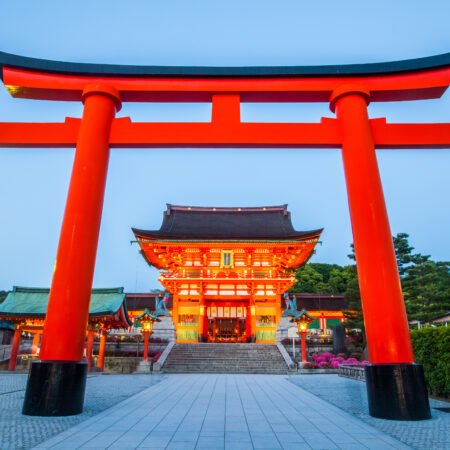
Note: images accompanying this article are illustrative stock photos and do not necessarily show the specific site discussed.

コメント