





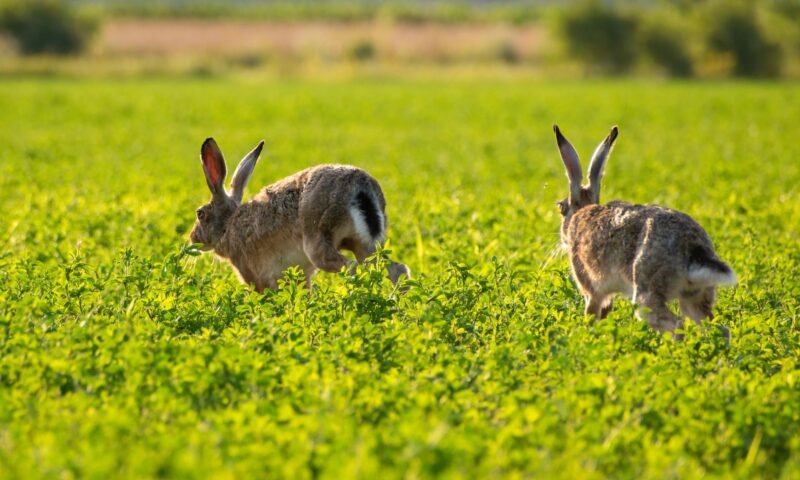
I got knocked over by a rabbit within four minutes of stepping off the ferry. Not hurt, not even really pushed — more like gently tackled at the ankles by a fluffy brown blur that wanted the bag of pellets in my hand and had zero patience for my reaction time. I sat down right there on the concrete, laughing, while six or seven more rabbits closed in like I was the last food truck on earth. This is Okunoshima, a tiny island in the Seto Inland Sea off the coast of Takehara in Hiroshima Prefecture, and yes, it is exactly as overrun with bunnies as the internet promised.
I’d seen the photos for years before I actually went — tourists sitting in fields swarmed by hundreds of wild rabbits, somebody’s Instagram caption calling it “Japan’s Rabbit Island.” What those photos never really prepared me for was how strange the rest of the island is once you look past the rabbits. Okunoshima has a second, much darker identity, and once I learned it, I couldn’t unsee it for the rest of the afternoon.
Getting There: A Short Ferry Ride With a Big Payoff
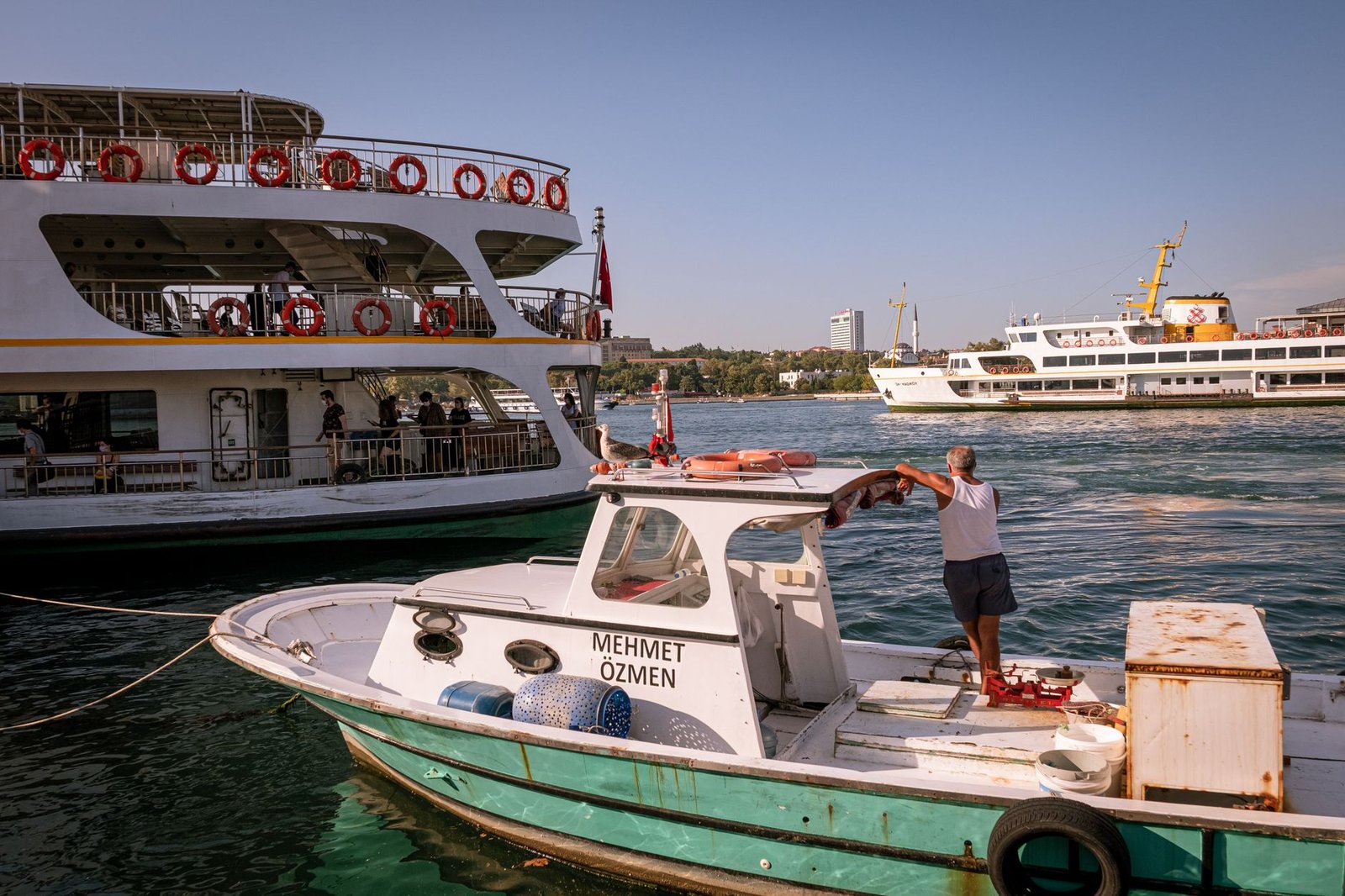
Okunoshima sits just off Tadanoumi Port, which is about a 40-minute train ride from Hiroshima Station on the JR Kure Line (you’re aiming for Tadanoumi Station, then it’s a five-minute walk to the port). From there, a small passenger ferry run by the local operator makes the crossing in around 12 to 15 minutes. It’s cheap, it runs regularly throughout the day, and on a clear afternoon the ride itself is lovely — green islands scattered across calm water, fishing boats puttering past, that particular quality of Seto Inland Sea light that makes everything look a little bit like a woodblock print.
I’d recommend building in a full afternoon, not just a quick hop-off-hop-on. There’s a campground, a small museum, walking paths around the coastline, and of course an entire island of rabbits to properly waste time with. I also learned the hard way to bring cash for the vending machine on the island that sells rabbit food, since the general store supply runs out fast on weekends and holidays.
So Why Are There Hundreds of Wild Rabbits?
Nobody has a single confirmed answer, which I find weirdly comforting — even the island’s own information boards hedge their bets. The most repeated explanation is that a small number of rabbits were released on the island sometime in the 1970s, possibly by local schoolchildren, and with no natural predators and a steady stream of snack-bearing tourists, the population exploded from there. Estimates of the current population swing anywhere from a few hundred to well over a thousand depending on the season and who you ask, since nobody’s doing an exact headcount of an island full of rabbits that don’t exactly line up to be measured.
A gentler, older local story claims the rabbits are descendants of animals once kept for scientific testing related to the island’s military past, though most historians now consider that version unlikely and the testing-rabbit population was reportedly destroyed after the war. Either way, the rabbits you’ll meet today are just wild, feral, and extremely food-motivated. There are signs everywhere reminding visitors not to pick them up, not to feed them anything other than the specially sold pellets or fresh vegetables, and not to feed them at all near the ferry terminal, where overcrowding has caused problems in the past. I watched a father gently redirect his toddler’s hand away from a rabbit’s face about a dozen times in twenty minutes, and every single rabbit involved looked completely unbothered by the whole negotiation.
The Poison Gas Museum: Okunoshima’s Other History
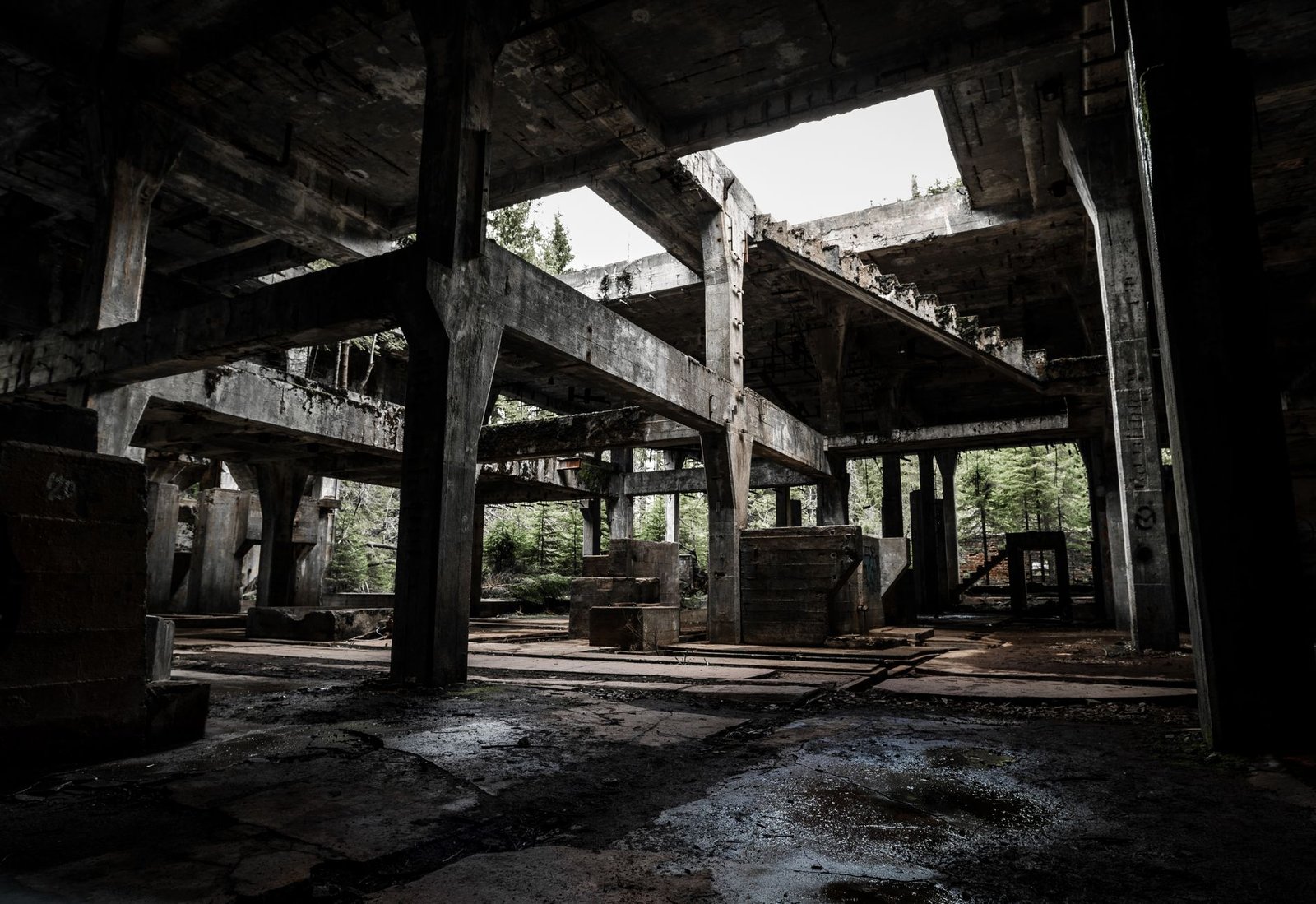
Here’s the part of the day that stopped me in my tracks. Walking along one of the coastal paths, I came across crumbling concrete ruins half-swallowed by vegetation — chimney stacks, collapsed walls, rusted pipe fittings. It looks like something out of a post-apocalyptic film set, and in a sense, it kind of is. From 1929 to 1945, Okunoshima was the site of a secret Imperial Japanese Army factory that manufactured poison gas, including mustard gas and other chemical agents later used during Japan’s wartime campaigns in China. The island was chosen specifically for its isolation; it was even erased from some maps during that period so the facility’s existence could be kept quiet.
The Okunoshima Poison Gas Museum, a small but sobering building near the center of the island, documents this history through photographs, equipment, and testimony from former factory workers, many of whom suffered lasting health effects from the chemicals they handled. It’s a quiet, unflashy little museum, and I think that restraint makes it hit harder. Standing in a room with artifacts from a chemical weapons plant, then walking back outside into a meadow full of rabbits hopping around in the sun, is genuinely one of the strangest juxtapositions I’ve experienced anywhere in Japan. I’d gently push back on anyone who treats Okunoshima as a cute day trip and skips the museum entirely — it only takes twenty or thirty minutes, and I think it’s worth the detour.
Tips for a Good Day on Rabbit Island
A few practical notes from my own trial and error. First, wear closed-toe shoes you don’t mind getting nibbled — rabbits will absolutely investigate your shoelaces, and it’s harmless but startling in sandals. Second, buy rabbit food on the mainland side at Tadanoumi Port if you can, since the island’s own supply (sold from a vending machine near the ferry terminal) sometimes sells out on busy weekends. Third, go easy and go low: crouching down calmly gets you a much better rabbit encounter than looming over them, and chasing a hopping rabbit for a photo basically guarantees it’ll run the other way.
There’s no real need to rush the schedule. Okunoshima has walking trails that circle parts of the coastline, a campsite if you want to stay longer, and a small resort building with a restaurant and public bath if you fancy a slower day. I ended up staying almost four hours longer than I’d originally planned, mostly because I kept sitting back down every time another rabbit decided I was interesting.
What stuck with me most, though, wasn’t really the rabbits, as delightful as they were. It was how the island holds both of its identities at once without trying to resolve them — the overwhelming cuteness and the genuinely heavy history, existing side by side on the same small patch of land. I don’t think Okunoshima is trying to teach anyone a neat lesson about contrast. It’s just a place where both things happened to be true, and it leaves you to sit with that on the ferry ride back.
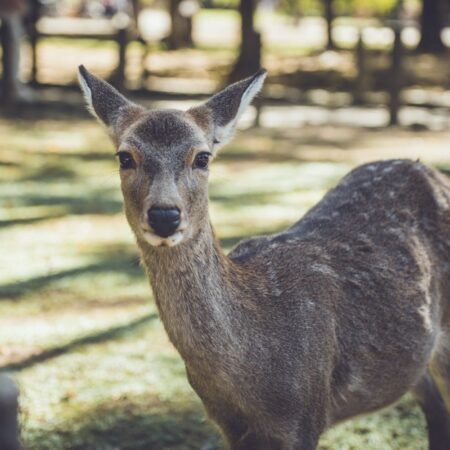
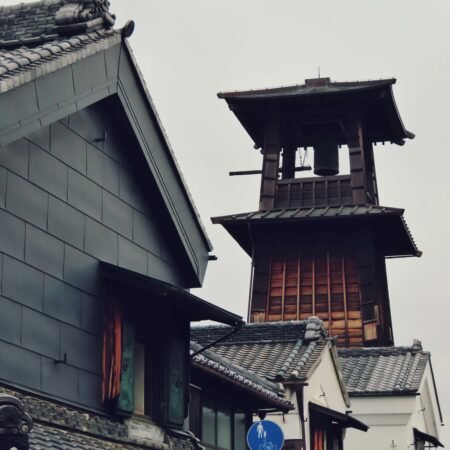
A quick note on photos: some of the images here are stock photos I’ve used to set the mood — they may not be the exact spot or moment I’m describing, just close in spirit.
コメント